Like
Share
멍실장
고양이 문맥 단락 수술 교정 증상과 원인, 진단·치료와 관리 포인트 총정리

If Your Cat Is Growing Slowly and Lethargic — Timing for Portosystemic Shunt Surgery

Liver HealthDiseasesMeongsiljang Veterinary Advisory Board

Feline portosystemic shunt correction surgery addresses a condition in which impaired liver function prevents proper blood filtration, leading to behavioral abnormalities and neurological symptoms. Surgery is the primary treatment.

What Is Feline Portosystemic Shunt Correction Surgery?
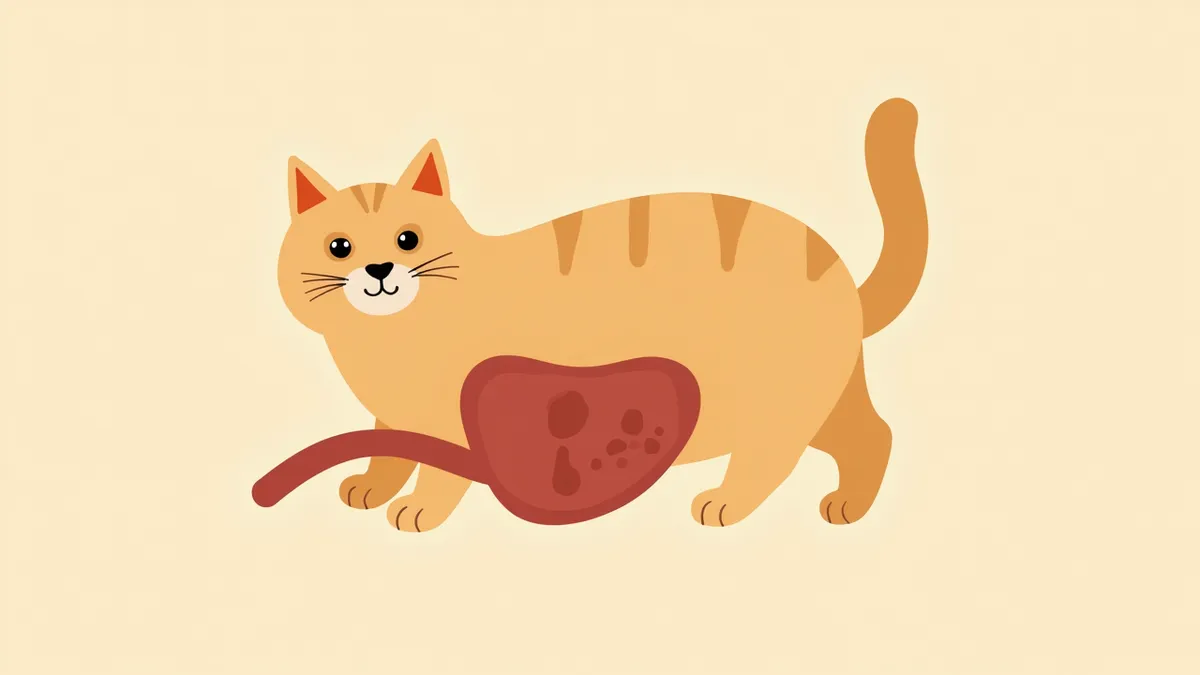
An anatomical diagram illustrating the surgical correction of a portosystemic shunt in a cat.
Feline portosystemic shunts (PSS) are abnormal vascular structures in which blood that should flow to the liver bypasses it and enters the systemic circulation directly. This condition is most often congenital. Because the liver cannot adequately filter toxins from the blood, it can lead to hepatic encephalopathy, a neurological disorder. Clinical signs typically involve the central nervous system (such as behavioral changes and seizures), the gastrointestinal tract, and the urinary system. Some cats may also experience prolonged recovery from anesthesia. In cats, PSS is relatively common in Domestic Shorthairs, Persians, Himalayans, Burmese, and Siamese breeds, and unlike in dogs, it tends to occur more frequently in males. Accurate diagnosis requires imaging studies or surgical exploration, and treatment centers on surgical correction and medical management. If symptoms become severe, declining liver function can be life-threatening, making early detection and treatment essential.

What Are the Main Causes of Portosystemic Shunts?

Most cases are congenital vascular malformations, though the specific molecular and environmental mechanisms behind them remain unclear. In cats, they have been reported in several breeds, including Domestic Shorthairs, Persians, Himalayans, Burmese, and Siamese, and unlike in dogs, males are more commonly affected. These abnormal vessels form during fetal development, allowing toxins to accumulate in the blood that bypasses the liver, which can lead to neurological issues such as hepatic encephalopathy. Before surgery, medical management—including dietary adjustments and medications like lactulose and antibiotics—is essential to stabilize the patient. Accurate diagnosis and early treatment are key to achieving a favorable outcome.
An image symbolizing the genetic risks associated with portosystemic shunt surgery correction in Persian cats.

What Are the Main Symptoms and Signs?
The main symptoms of feline portosystemic shunt appear across three systems: the central nervous system, the gastrointestinal tract, and the urinary system. Typical signs include behavioral abnormalities, neurological issues, weight loss or growth retardation, decreased appetite, vomiting, and seizures. These symptoms are linked to hepatic encephalopathy, which occurs when the liver fails to filter toxins effectively.
Behavioral abnormalities: Your cat may exhibit repetitive unusual behaviors, such as staring blankly or walking in circles.
Neurological issues: Signs may include stumbling, loss of balance, or temporary vision impairment.
Weight loss and growth retardation: Affected cats may fail to thrive, appear thinner than their peers, or lose weight.
Decreased appetite and gastrointestinal symptoms: Your cat may eat poorly or experience recurrent vomiting.
Urinary symptoms: Lower urinary tract signs, such as blood in the urine or frequent urination, may occur.
Seizures: Sudden tremors or loss of consciousness may happen.
A cat lying down while showing neurological symptoms

Symptoms Requiring Immediate Veterinary Visit

If your cat suddenly loses consciousness, has a seizure lasting more than one minute, or experiences severe vomiting or bloody stools, you should take them to the vet immediately. These are emergency situations that can be life-threatening.

Diagnostic Tests for Accurate Diagnosis
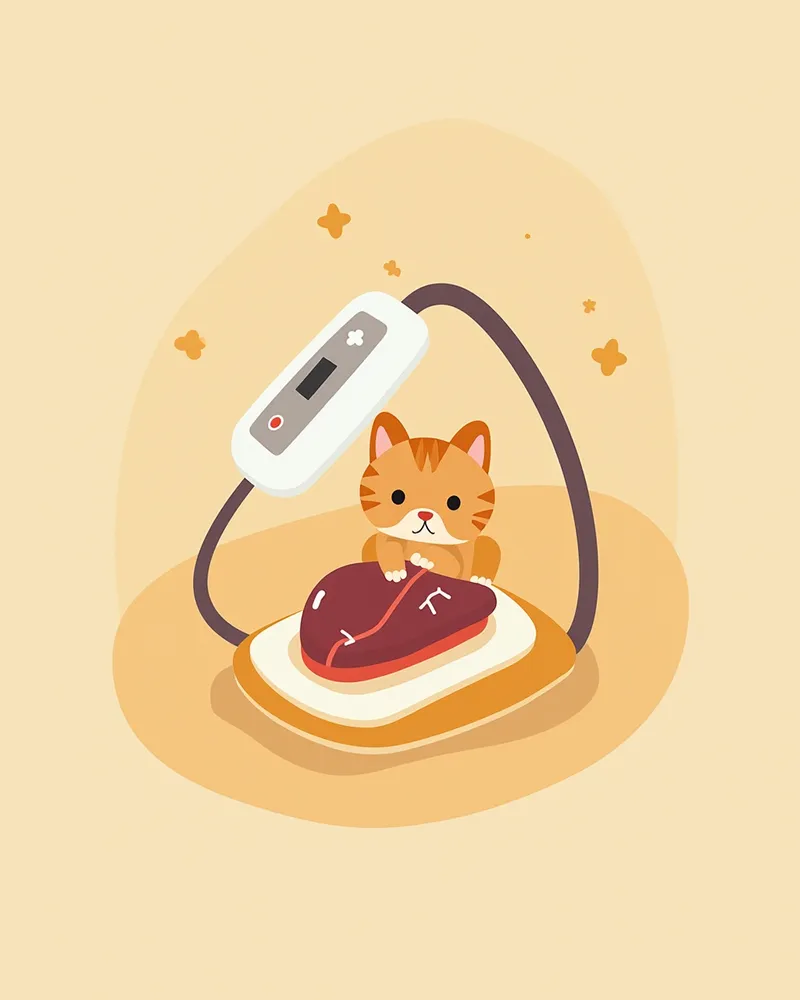
Diagnosis of portosystemic shunts is made by integrating the results of multiple tests. - Blood tests (CBC and biochemistry): Findings may include microcytic anemia, elevated liver enzymes (ALT and AST), hypoalbuminemia, low BUN, and hypocholesterolemia. - Serum bile acids test: This is a useful screening test when a portosystemic shunt is suspected, but because levels can also rise in other hepatobiliary diseases, it cannot be used alone to confirm the diagnosis. - Abdominal ultrasound: This helps identify abnormal blood vessels. To minimize motion artifacts, the procedure is best performed under sedation, though results depend on the operator’s expertise. - CT angiography: This provides precise visualization of vessel location and structure, aiding in surgical planning. - Definitive diagnosis: A final diagnosis requires direct visualization of the abnormal vessel through imaging or surgical exploration. The veterinarian will make the diagnosis by synthesizing clinical signs and test results.
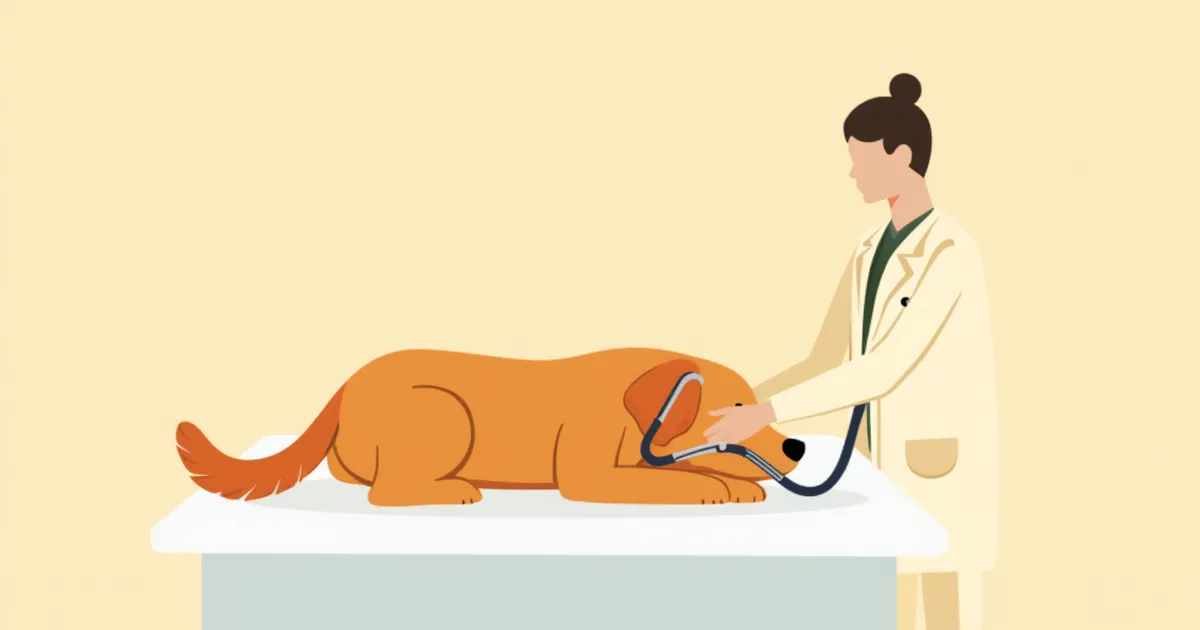
A veterinarian performing an ultrasound examination on a cat's abdomen.

Treatment Methods and Surgical Procedures
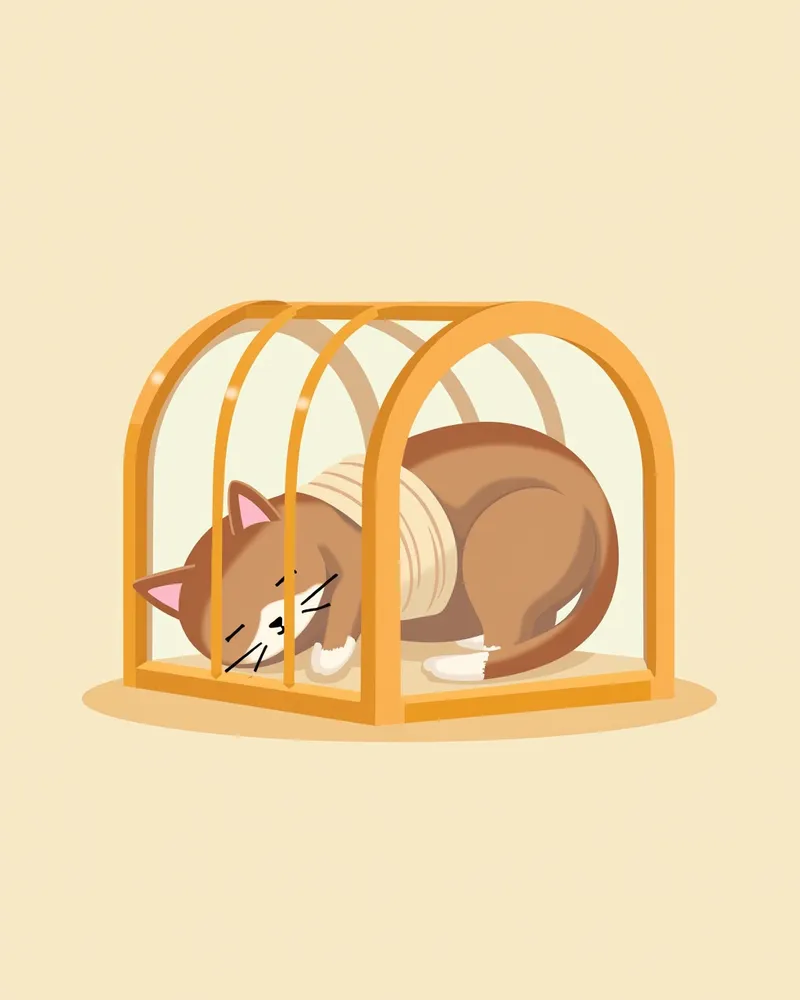
The key to treatment is surgery that gradually occludes (attenuates) the abnormal vessel to restore blood flow to the liver. Before surgery, we stabilize the patient by improving nutritional status and reducing toxin accumulation through dietary management and medication. Common surgical techniques include gradual occlusion using suture ligation (e.g., silk) or an ameroid ring constrictor, while intrahepatic shunts are treated with suture ligation or intravascular coil embolization. Postoperative care requires close monitoring for potential complications such as bleeding, hypoglycemia, seizures, and portal hypertension. The prognosis is generally favorable, with many cats showing symptom improvement; however, incomplete occlusion may allow the shunt to persist, making pre- and postoperative management critical to the outcome.
A cat recovering after surgery

Post-Operative Home Care Points

To support recovery after surgery, the following care measures are essential. It is important to administer medications exactly as directed by your veterinarian, appropriately regulate diet and activity, and maintain a quiet environment.
Medication Administration: Administer medications precisely as instructed by your veterinarian.
Dietary Management: Offer small, frequent meals. Protein restriction should only be implemented under veterinary guidance when severe hepatic encephalopathy is clearly present. Arbitrarily reducing protein intake can instead lead to malnutrition.
Activity Restriction: Avoid strenuous activity during the initial recovery phase and allow your pet to rest.
Environmental Stability: A quiet, warm space helps facilitate recovery.
Symptom Monitoring: Contact your veterinarian immediately if symptoms such as hypoglycemia, vomiting, or seizures occur.
A cat recovering from surgery resting comfortably on a soft bed.

Breed-Specific Considerations and Prevention of Recurrence

In cats, portosystemic shunt has been reported in several breeds, including Domestic Shorthairs, Persians, Himalayans, Burmese, and Siamese, as well as in males. Even after surgery, the shunt may persist due to incomplete closure or the development of acquired portosystemic shunts (APSC), making regular veterinary check-ups essential. Owners should also closely monitor their cat’s nutritional status and any changes in behavior.

Reviewed by a veterinarian

Dr. Tony — Punnawat Phongkittirak

Dr. Tony — Punnawat Phongkittirak

Veterinarian

A veterinarian who majored in veterinary medicine at Khon Kaen University, Thailand, and completed the IVSA program at North Carolina State University in the United States. Drawing on clinical experience at animal hospitals, he works in the pet healthcare field and is dedicated to building a digital care environment that connects pet parents with veterinarians.

Frequently Asked Questions

Can a portosystemic shunt surgery in cats be curative?
In most cases, symptoms improve significantly after surgery, and the postoperative course is generally favorable. However, because incomplete closure can lead to persistent shunting, a complete cure cannot be guaranteed, making regular check-ups essential.
How long does the recovery period after surgery take?
Recovery speed varies from pet to pet. It’s important to gradually increase activity under your veterinarian’s guidance, strictly follow medication instructions, and keep up with regular check-ups.
What preparations are needed before surgery?
Before surgery, your pet will undergo blood tests (CBC and biochemistry), a serum bile acids test, an abdominal ultrasound, and coagulation tests if necessary, along with fasting. Please follow your veterinarian’s instructions for preparation.
What kind of food should I give my pet after surgery?
Feed small amounts frequently, and restrict protein only when severe hepatic encephalopathy is clearly diagnosed, based on your veterinarian’s judgment. Rather than automatically feeding a low-protein diet, it’s safer to follow the diet recommended by your veterinarian.
What should I do if seizures return after surgery?
Contact your veterinarian immediately. Medication adjustments may be necessary. It is important to seek professional guidance before taking any independent action at home.

Share

Related Guides

References

[1] Fossum TW. Preoperative and intraoperative care of the surgical patient. In: Fossum TW, Duprey LP, O’Connor D, editors. Small animal surgery. 3rd ed. Boston, MA: Elsevier; 2007.

[2] Hosgood G, Scholl DT. Evaluation of age as a risk factor for perianesthetic morbidity and mortality in the dog. J Vet Emerg Crit Care. 1998;8(3):222-36.

[3] Plumb's Veterinary Drug Handbook, 9th ed. Wiley-Blackwell; 2022.

This information is based on veterinary literature and does not replace diagnosis or treatment. Please consult a veterinarian for specific health concerns.

Metapet Co., Ltd. | CEO: Park Sung-yong | Business Reg. No. 417-88-02562 | Seoul, South Korea | Customer Center

Cat Growing Slowly & Lethargic? Portosystemic Shunt Surgery | Meongsiljang