
If Your Dog Barks and Bites at Strangers — Causes of Aggression and Behavior Modification Tips
Dog aggression toward strangers is a behavioral disorder in which a dog displays aggressive behavior toward unfamiliar people, often stemming from anxiety, fear, or resource-guarding instincts. Early diagnosis and professional management are essential.
Canine Aggression Toward Strangers Is Aggressive Behavior That Arises from Distance with the Owner

Main Causes Include Fear, Anxiety, Resource-Guarding Instincts, and Lack of Early Experience

Main Symptoms Are Aggressive Behavior Toward Strangers
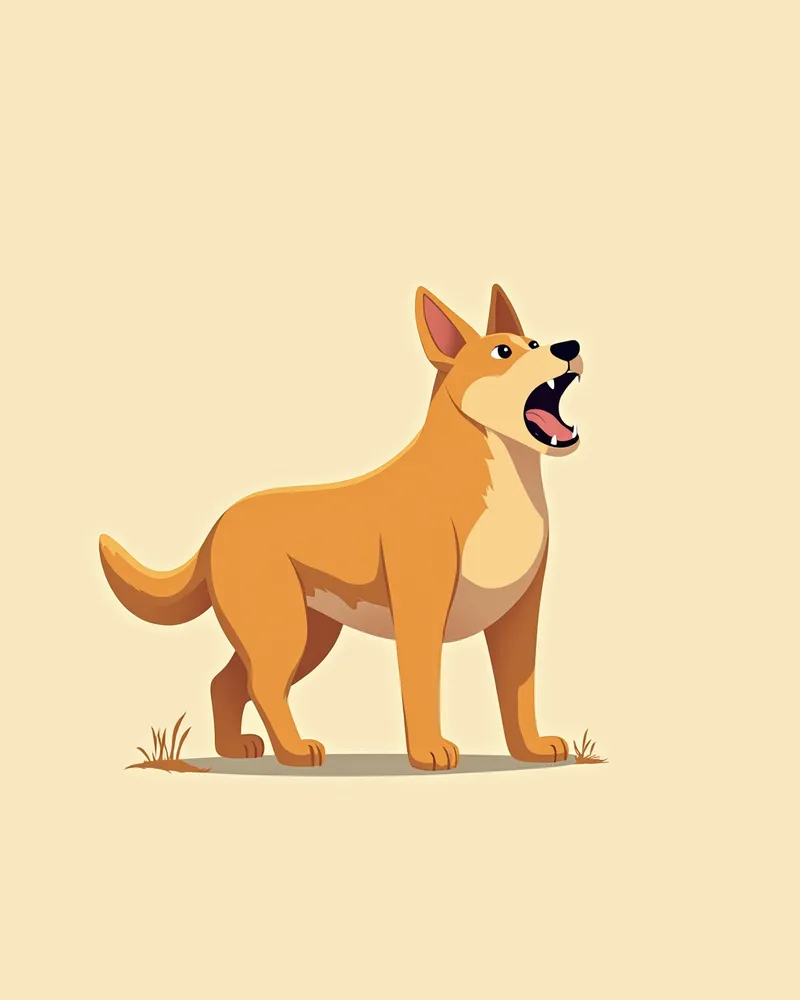
Immediate Veterinary Visit Is Necessary If Aggressive Behavior Is Repeated or Causes Injury to People
If your dog repeatedly bites or displays aggressive behavior toward strangers, causes injury, or fails to calm down afterward, seek immediate evaluation from a veterinarian and a certified behavior specialist. Such behavior can escalate into serious danger, making it essential to establish a safe environment.
Diagnosis Is Made Through Behavior Logs and Environmental Analysis

Treatment Proceeds With Step-by-Step Behavior Modification and Environmental Adjustment
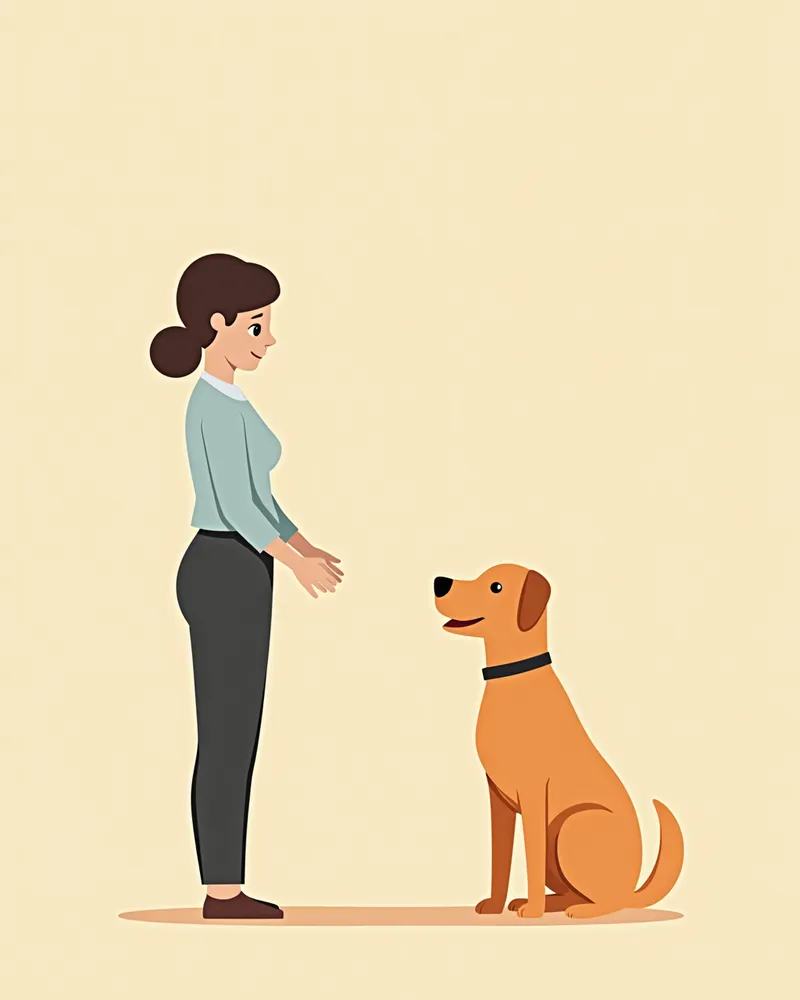
Home Management Focuses on a Stable Routine and Accumulating Positive Experiences
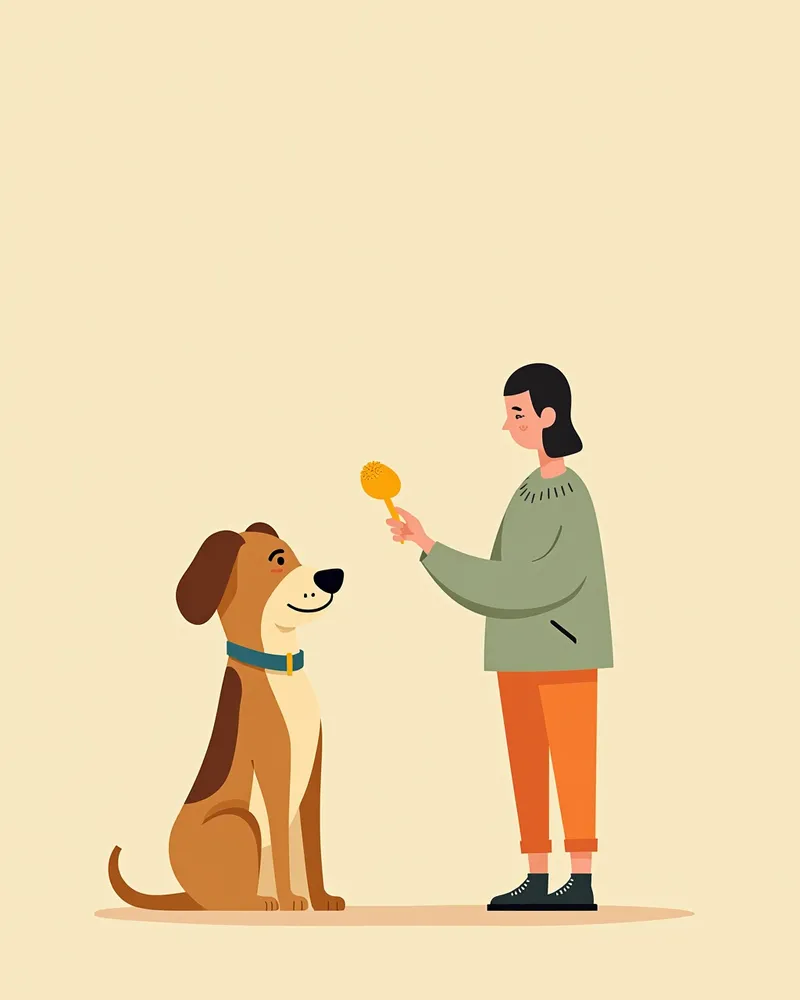
Certain Breeds May Be More Vulnerable to Aggression Toward Strangers
A dog’s level of aggression can vary by breed, and even within the same breed, individual differences can be significant. However, it is difficult to definitively claim that certain breeds are more aggressive toward strangers. Even if there is a genetic predisposition, aggression does not arise from genetics alone; it results from the combined influence of environment, experience, and learning. Therefore, rather than relying solely on breed characteristics, it is important to carefully observe each puppy’s individual temperament and take a preventive approach by consistently providing positive experiences with a variety of people from an early age.
Reviewed by a veterinarian

Dr. Tony — Punnawat Phongkittirak
VeterinarianA veterinarian who majored in veterinary medicine at Khon Kaen University, Thailand, and completed the IVSA program at North Carolina State University in the United States. Drawing on clinical experience at animal hospitals, he works in the pet healthcare field and is dedicated to building a digital care environment that connects pet parents with veterinarians.
Reviewed 2026-06-01
Frequently Asked Questions
Can a dog’s aggression toward strangers be treated?
What should I do if my pet exhibits aggressive behavior?
When should you start socialization training?
Will neutering reduce aggression?
My dog is afraid of strangers. How can I help?
Share
Related Guides

7 Behavioral Enrichment Strategies for Mental Stimulation Recommended by Veterinarians

Top 5 Calming Supplements for Dogs and Cats in 2026

L-Theanine Effects and Calming Support

Cat Respiratory Rate Monitoring: Symptoms, Causes, Diagnosis, Treatment, and Management Essentials

Feline Bacterial Pneumonia: Symptoms, Causes, Diagnosis, Treatment, and Management Essentials

Cat Aspiration Pneumonia: Symptoms, Causes, Diagnosis, Treatment, and Management Tips
Dog Tick Prevention and Removal: Symptoms, Causes, Diagnosis, Treatment, and Management Essentials

Cat Can’t Close Its Mouth — Symptoms, Causes, and Treatment Timing for Temporomandibular Joint Dislocation

Cat Not Eating After Tooth Extraction — Distinguishing Normal Recovery from Warning Signs, Managing Pain and Bleeding

Lumps in Your Cat’s Mouth: Warning Signs of Oral Tumors You Shouldn’t Miss
References
[1] Appleby, D., Bradshaw, J., & Casey, R. (2002). Relationship between aggressive and avoidance behaviour by dogs and their experience in the first six months of life. Vet. Rec., 150(14), 434–438.
[2] Rayment, D., De Groef, B., Peters, R., & Marston, L. (2015). Applied personality assessment in domestic dogs: limitations and caveats. Appl. Anim. Behav. Sci., 163, 1–18.
[3] Shuler, C., DeBess, E., Lapidus, J., & Hedberg, K. (2008). Canine and human factors related to dog bites. J. Am. Vet. Med. Assoc., 233(11), 1705–1712.