

Symptoms and Treatment of Grape and Raisin Poisoning
We’ll guide you through the signs of poisoning, emergency first aid, and veterinary treatment for pets that have eaten grapes or raisins.
What Is Grape and Raisin Poisoning?

Why Are Grapes Dangerous?
Checklist of Major Symptoms of Grape Poisoning

Go to the Vet Immediately If You See These Symptoms
If you’ve confirmed your pet ate grapes or raisins, or if they’re showing vomiting, decreased urination, or lethargy, head to an emergency veterinary clinic immediately. In particular, if your pet hasn’t urinated for more than 12 hours, vomiting persists, or their consciousness becomes clouded, kidney failure may already be progressing. Write down the time of ingestion and the estimated amount consumed, and share this information with the veterinarian.
Diagnostic Process at the Veterinary Clinic
Treatment Methods
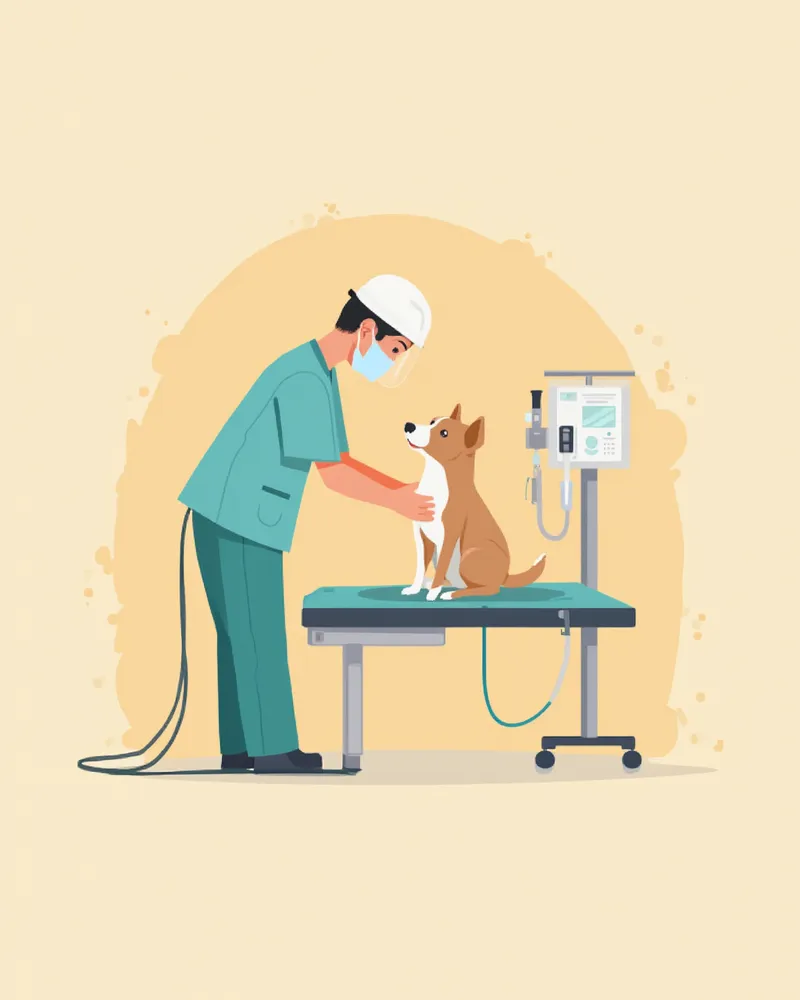
Post-Discharge Home Care Points

Essential Rules for Preventing Grape Poisoning
Prevention is the best approach for grape and raisin toxicity. Keep grapes, raisins, and any bread, snacks, or salads containing raisins completely out of reach of your pets. Although commercially available grape juice, wine, and jam are reported to pose no risk of kidney failure because tartaric acid has been removed, they may contain other problematic ingredients such as sugars, so it’s best not to give them to pets. Make sure everyone in your household, especially children, understands that grapes should never be given to pets. Be vigilant during walks to prevent your pet from eating dropped grapes, and place fruit bowls out of reach when guests visit.
Reviewed by a veterinarian

Dr. Tony — Punnawat Phongkittirak
VeterinarianA veterinarian who majored in veterinary medicine at Khon Kaen University, Thailand, and completed the IVSA program at North Carolina State University in the United States. Drawing on clinical experience at animal hospitals, he works in the pet healthcare field and is dedicated to building a digital care environment that connects pet parents with veterinarians.
Reviewed 2026-04-18
Frequently Asked Questions
Should I take my pet to the vet even if it only ate one grape?
Can cats get grape poisoning too?
It’s been a while since my pet ate grapes, but there are no symptoms. Is that okay?
Is it safe to induce vomiting at home?
Can a pet fully recover after grape poisoning?
Share
Related Guides

Top 7 Short-Legged Dog Breeds

Primary vs. Secondary Veterinary Hospitals: A Comparison

5 Easy-to-Raise Cat Breeds for First-Time Owners — Grooming Difficulty Comparison

Early Symptoms, Diagnosis, Treatment, Prognosis, and Care Guide for Canine Bladder Transitional Cell Carcinoma

Feline Diabetic Ketoacidosis: Symptoms, Diagnosis & Treatment, and Lifelong Diet & Management Guide

Fungal Dermatitis (Ringworm) in Humans and Pets (Zoonotic)

My Dog’s Hematuria Could Be Bladder Cancer (TCC) — A Complete Guide from Causes to Treatment

List of Toxic Plants for Pets — A Complete Guide to Dangerous Indoor and Garden Plants and Poisoning Symptoms

Emergency Response for Lily Poisoning in Cats

Xylitol Poisoning Emergency Response (Caution with Gum and Toothpaste)
References
[1] Eubig PA, Brady MS, Gwaltney-Brant SM et al., Acute renal failure in dogs after the ingestion of grapes or raisins: a retrospective evaluation of 43 dogs (1992–2002), Journal of Veterinary Internal Medicine, 2005
[2] Wegenast C, Meadows I, Possible tartaric acid etiology for grape and raisin toxicosis in dogs, ASPCA Animal Poison Control Center, 2021
[3] Blackwell's Five-Minute Veterinary Consult Clinical Companion, Small Animal Toxicology, 3rd Edition
[4] Clinical Medicine of the Dog and Cat, 4th Edition
[5] Plumb's Veterinary Drug Handbook, 10th Edition
[6] Feline Emergency and Critical Care Medicine, 2nd Edition