

Canine Lymphoma: Don't Wait — From CHOP Chemotherapy Symptoms to Treatment and Prognosis
Canine lymphoma is a common malignant tumor, and CHOP chemotherapy is the primary treatment. We’ll provide a comprehensive guide covering early symptoms, diagnosis, treatment stages, and key management points.
Canine Lymphoma Is a Common Malignant Tumor

The Main Causes of Lymphoma Are Not Yet Clear
Main Symptoms Include Lymph Node Enlargement and Systemic Symptoms

Symptoms Requiring Immediate Veterinary Visit
If your pet experiences difficulty breathing, severe vomiting or diarrhea, complete loss of appetite, decreased consciousness, or persistent high fever, immediate veterinary care is essential. These symptoms may indicate that lymphoma has affected internal organs or the bloodstream, or that complications have developed. The timing of treatment and survival rates depend largely on how quickly these emergency situations are addressed.
Diagnosis Is Confirmed Through Biopsy and Imaging Tests

CHOP Chemotherapy Is the Standard Treatment
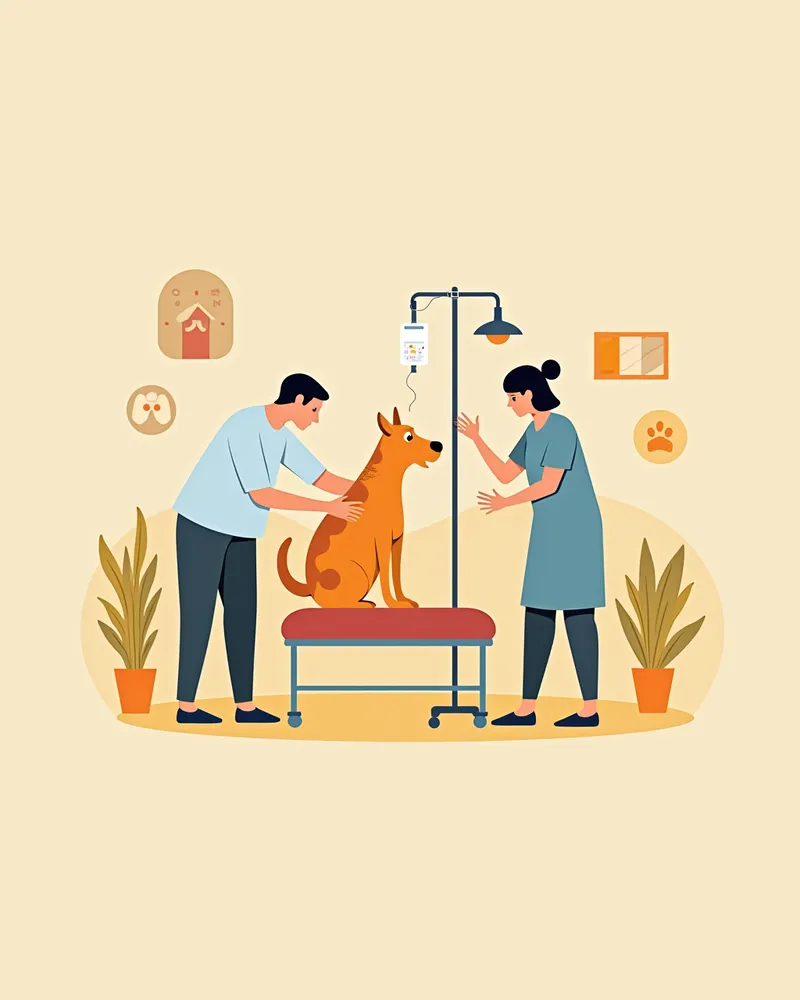
Home Care Focuses on Diet, Activity, and Regular Check-ups
Continuous Management Is Necessary Due to the Risk of Relapse
Even if your pet achieves remission with chemotherapy, the cancer may return over time. This happens because tumors naturally contain some cells that are resistant to chemotherapy drugs (as described by the Goldie-Coldman hypothesis), and as the tumor grows, the proportion of these resistant cells can increase, leading to treatment failure. It’s important to catch any early signs of recurrence through regular check-ups, blood tests, and close monitoring of symptoms. If the cancer does come back, you can discuss with your veterinarian the possibility of trying a different chemotherapy regimen or combination of medications.
Reviewed by a veterinarian

Dr. Tony — Punnawat Phongkittirak
VeterinarianA veterinarian who majored in veterinary medicine at Khon Kaen University, Thailand, and completed the IVSA program at North Carolina State University in the United States. Drawing on clinical experience at animal hospitals, he works in the pet healthcare field and is dedicated to building a digital care environment that connects pet parents with veterinarians.
Reviewed 2026-06-07
Frequently Asked Questions
How long does CHOP chemotherapy take?
What are the side effects of chemotherapy?
Can my dog maintain a normal life expectancy even after treatment?
Are there any other treatment options besides CHOP therapy?
Do I need to make any special changes to my pet’s diet?
Comparison of CHOP Chemotherapy and Other Treatments
| Item | Efficacy | Side effects | Treatment duration |
|---|---|---|---|
| CHOP-based chemotherapy | High remission-induction rate; indolent (low-grade) forms reported to survive several years | Vomiting, diarrhea, leukopenia | Cyclic administration over several months |
| Other combinations (e.g., prednisone, lomustine, etc.) | Tends to have a lower response rate and shorter remission duration than CHOP-based | Mild gastrointestinal symptoms | Varies by protocol |
| Immunotherapy | Adjunctive/long-term management purpose; immediate effect is limited | Mild fever, fatigue | Requires ongoing management |
The choice of treatment is decided after consulting your veterinarian based on the patient's condition, stage, and the family's circumstances.
Share
Related Guides

Comprehensive Guide to Recommended Hospice Care and Quality of Life Management for Cats with Tumors

7 Factors Determining Prognosis and Life Expectancy in Dogs with Tumors, According to Veterinarians
7 Key Management Points for Canine Transitional Cell Carcinoma (Bladder Cancer) Recommended by Veterinarians — From Symptoms to Care

Is Your Dog’s Breed at Risk? — Dog Heart Disease Prone Breeds and Early Signs

If Your Dog’s Heart Is Beating Too Slowly — Causes and Treatment Timing for Bradycardia and Atrioventricular Block

If Your Dog’s Abdomen Is Gradually Swelling — Symptoms of Cardiac Ascites and Paracentesis Treatment

If Your Cat’s Heart Rate Suddenly Increases — Warning Signs of Ventricular Tachycardia and When to Visit the Vet

Is My Cat’s Food Okay? — Warning Signs of Taurine-Deficient Cardiomyopathy and Dietary Management

Complete Guide to Spironolactone for Cats: Efficacy, Dosage, and Side Effects

Comprehensive Guide to Monitoring Cat Respiratory and Heart Rates During Sleep: Symptoms, Causes, Diagnosis, Treatment, and Management
References
[1] Clinical Medicine of the Dog and Cat, 4th Ed, 2023
[2] The Cat, Clinical Medicine and Management, 2nd Edition, 2021
[3] 100 Top Consultations in Small Animal General Practice, 2022