

Feline Liver Tumors (Primary and Metastatic): Symptoms, Causes, Diagnosis, Treatment, and Management Essentials
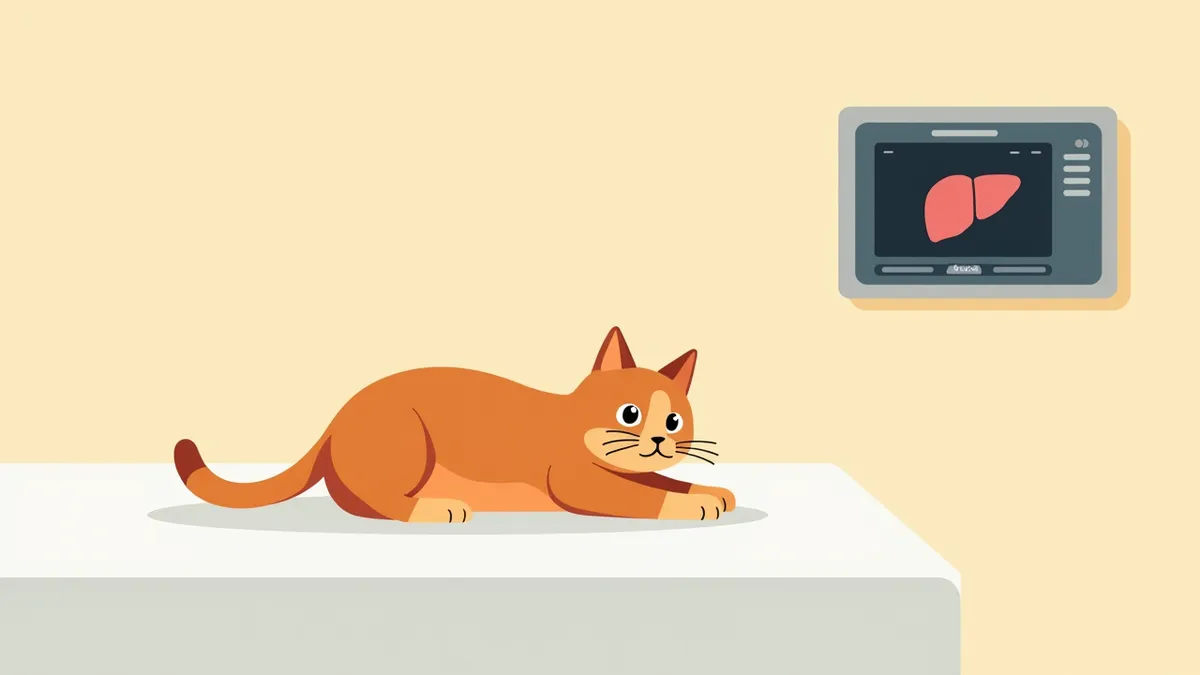
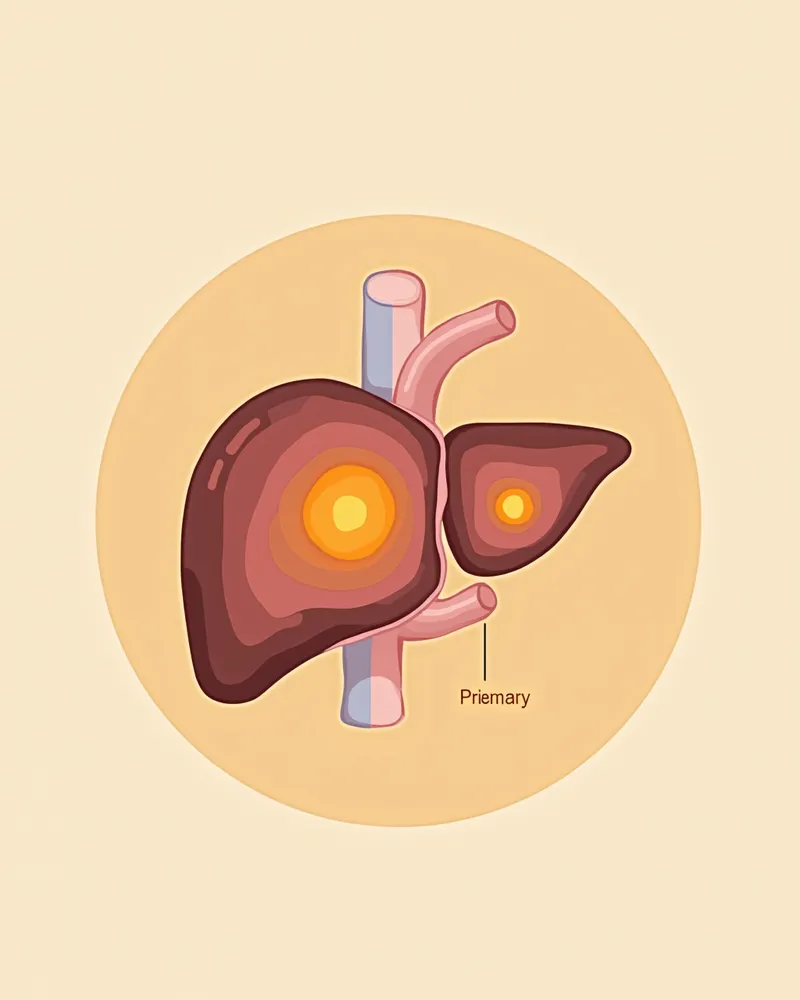
Feline liver tumors can be primary or metastatic, and because early-stage symptoms are often minimal, they are difficult to detect early. As the disease progresses, signs such as loss of appetite, weight loss, and abdominal distension may appear.
What Are Feline Liver Tumors (Primary and Metastatic)?
What Are the Main Causes of Feline Liver Tumors?
What Are the Main Symptoms of Feline Liver Tumors?

Symptoms Requiring Immediate Veterinary Visit
If your cat suddenly loses its appetite, experiences persistent vomiting or diarrhea, develops jaundice (yellowing of the eyes and lips), or shows severe abdominal distension or pain, you should visit a veterinarian immediately. These symptoms may indicate severe liver damage or a large tumor, which can be life-threatening.
How Are Feline Liver Tumors Diagnosed?

How Are Feline Liver Tumors Treated?

Home Management and Care Points

Preventing Recurrence of Feline Liver Tumors and Breed Considerations
Feline liver tumors often present with vague early signs, making regular health screenings especially important for senior cats. If a tumor is suspected or blood tests reveal abnormal liver enzymes or bilirubin levels, consult your veterinarian about additional diagnostics such as an abdominal ultrasound or biopsy. Your vet will tailor the screening schedule and tests to your cat’s individual condition, and earlier detection always leads to better assessment and management outcomes.
Reviewed by a veterinarian

Dr. Tony — Punnawat Phongkittirak
VeterinarianA veterinarian who majored in veterinary medicine at Khon Kaen University, Thailand, and completed the IVSA program at North Carolina State University in the United States. Drawing on clinical experience at animal hospitals, he works in the pet healthcare field and is dedicated to building a digital care environment that connects pet parents with veterinarians.
Reviewed 2026-06-05
Frequently Asked Questions
Can feline liver tumors be treated?
What is the prognosis for a cat with a liver tumor?
What tests should be performed if a liver tumor is suspected?
Can liver tumors in cats be transmitted to humans?
What home care measures can I take if I suspect my pet has a liver tumor?
Share
Related Guides

7 Key Symptoms and Management Essentials for Canine Cholecystitis Recommended by Veterinarians

Top 5 Milk Thistle (Silymarin) Liver Supplements for Dogs — A Comparison Guide Based on Silybin Content and Absorption Rates

Top Prescription Diets for Dogs with Liver Disease and Selection Criteria

If Your Cat Is Constantly Lethargic — Symptoms and Treatment Timing for Feline Pyelonephritis

If Your Dog Has a Hole in Their Heart — Ventricular Septal Defect Symptoms and When to Visit the Vet

If Your Dog Is Panting Frequently and Appears Tired — Causes and Treatment of Tricuspid Valve Dysplasia

Spironolactone for Dogs — Effects, Side Effects, and Key Points for Administration

Monitoring Puppy Resting Respiratory Rate: From Measurement Methods to Heart Failure Risk Criteria

If Your Dog Suddenly Loses Energy — Causes and Treatment of Hypertrophic Cardiomyopathy

Complete Guide to Canine Heart Failure Stages (ACVIM) — Symptoms and Treatment Timing by Stage
References
[1] Withrow, S.J., Vail, D.M. (2017). Veterinary Surgical Oncology, 2nd ed. Elsevier.
[2] Lloyd, J.W., et al. (2020). Feline Hepatic Neoplasia: A Retrospective Study of 120 Cases. Journal of Feline Medicine and Surgery, 22(5), 456–463.
[3] Plumb's Veterinary Drug Handbook, 9th ed. (2022). Wiley-Blackwell.