Like
Share
멍실장
강아지 폐암·폐 전이 증상과 원인, 진단·치료와 관리 포인트 총정리

If Your Dog’s Cough Won’t Stop — Symptoms, Diagnosis, and Treatment Key Points for Lung Cancer and Lung Metastasis

Oncology/CancerDiseasesMeongsiljang Veterinary Advisory Board

Canine lung cancer is difficult to detect early because its initial symptoms are often subtle. When metastasis to the lungs occurs, signs such as difficulty breathing, coughing, and weight loss may appear, making early diagnosis and comprehensive treatment essential.

Canine Lung Cancer and Lung Metastasis Refer to Malignant Tumors in the Lungs Spreading to Other Areas

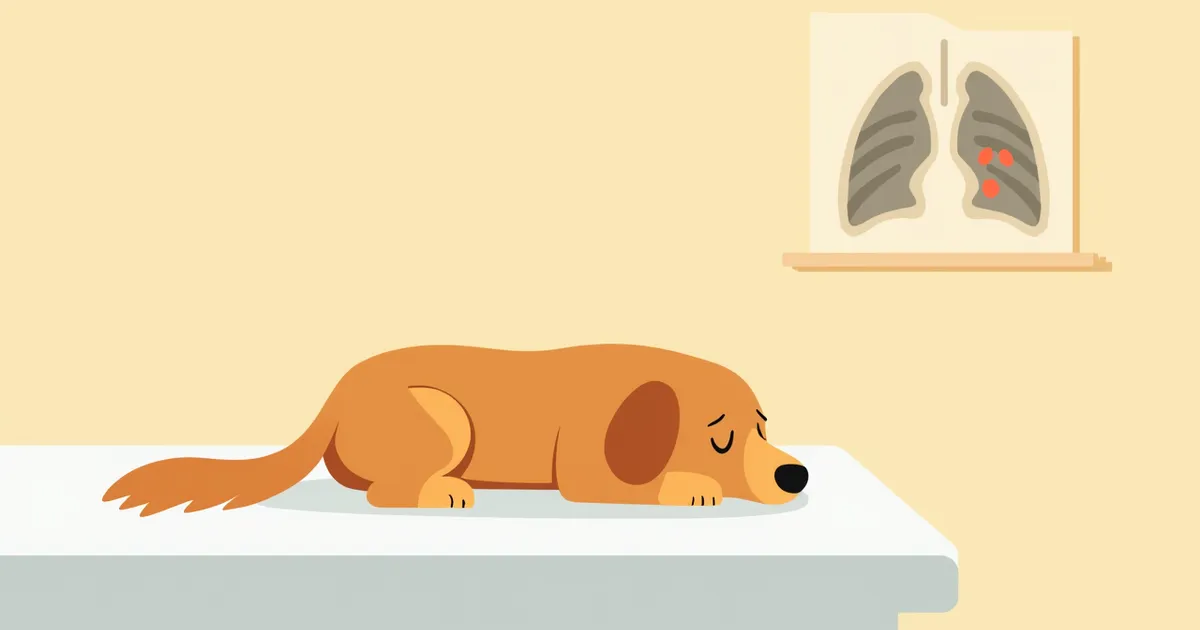
An anatomical image showing a tumor in the dog’s lungs and the sites of metastasis.
Canine lung cancer is a malignant tumor originating in the lung tissue. Because most dogs are already senior at the time of diagnosis, their prognosis requires careful evaluation. Early-stage disease often presents with few or no symptoms, making early detection challenging. However, as the condition progresses, signs such as coughing, difficulty breathing, weight loss, and decreased activity levels may appear. - Early Diagnosis: Even before clinical signs emerge, thoracic imaging can reveal changes in the lungs, aiding in the development of an effective treatment plan. - Metastatic Pathways: Primary lung tumors can spread within the lungs to other lobes (intrapulmonary metastasis). Assessing whether the cancer has spread to nearby lymph nodes, such as those in the hilar or sternal regions, is crucial for determining prognosis and requires thorough evaluation. - Risk Factors: While human lung cancer is primarily linked to smoking, no clear association with specific causes like smoking has yet been scientifically established in dogs. Since most cases occur in older dogs, regular check-ups and comprehensive health assessments are essential.

The Main Causes of Canine Lung Cancer Include Genetic Predisposition, Aging, and Exposure to Smoking Environments

The exact cause of lung cancer in dogs has not yet been fully identified. While lung tumors in humans are primarily caused by smoking, leading to lesions within the bronchi, current research has not established a clear link between smoking exposure and the development of lung cancer in dogs. Therefore, rather than pinpointing a definitive cause, it is important to monitor for changes through regular check-ups. - Age and Diagnosis: Lung tumors are generally diagnosed in senior dogs. Since many dogs are already advanced in age at the time of diagnosis, their prognosis requires careful evaluation. - Environmental Management: Although a link between irritants like smoking and lung cancer has not been proven in dogs, maintaining good indoor air quality supports overall respiratory health. - Regular Check-ups: For senior dogs, periodic chest imaging is recommended to monitor for lung changes, even in the absence of symptoms. Early detection is advantageous for determining the appropriate treatment plan.
An image showing a puppy exposed to a smoking environment

The Main Symptoms of Canine Lung Cancer Include Coughing, Difficulty Breathing, and Weight Loss

The most common signs of lung cancer in dogs include persistent coughing, difficulty breathing, reduced activity levels, weight loss, and lethargy. As the disease progresses or if metastasis occurs, a decreased appetite and general weakness may also develop. - Coughing: Coughing tends to persist, though its character can vary significantly from dog to dog. - Difficulty breathing: You may notice panting or rapid, shallow chest movements. - Weight loss: Appetite may decline, or weight may gradually decrease due to increased energy expenditure. If you observe these symptoms, it is best to consult a veterinarian immediately. However, because these signs can overlap with other respiratory or systemic conditions, accurate diagnosis through proper testing is essential.
A real-life photo showing a puppy coughing

Emergency Signs Requiring Immediate Veterinary Visit

If your pet experiences severe breathing difficulties, such as heavy panting, worsening coughing, or coughing up blood, you should visit the clinic immediately. This could indicate that lung cancer has progressed significantly or that complications have developed. Delaying treatment can be life-threatening, so prompt action is essential.

Canine Lung Cancer Is Accurately Diagnosed Through X-rays, CT Scans, and Biopsies

Diagnosing lung cancer in dogs typically begins with a chest X-ray to identify initial abnormalities, followed by a CT scan and biopsy for a definitive diagnosis. - X-ray examination: This is the fundamental method used to check for any abnormal lesions in the lungs. - CT scan: This provides a detailed assessment of the tumor’s size, location, and whether it has metastasized. - Biopsy: This is the most reliable method for determining malignancy, involving the collection of tumor tissue for analysis. - Additional tests: Blood tests and cardiac evaluations are also performed to assess the dog’s overall health. An accurate diagnosis is essential for developing an effective treatment plan.
A scene of a CT scan for diagnosing lung cancer in dogs

Comprehensive Approaches Including Surgery, Radiation, and Chemotherapy Are Needed for Canine Lung Cancer Treatment
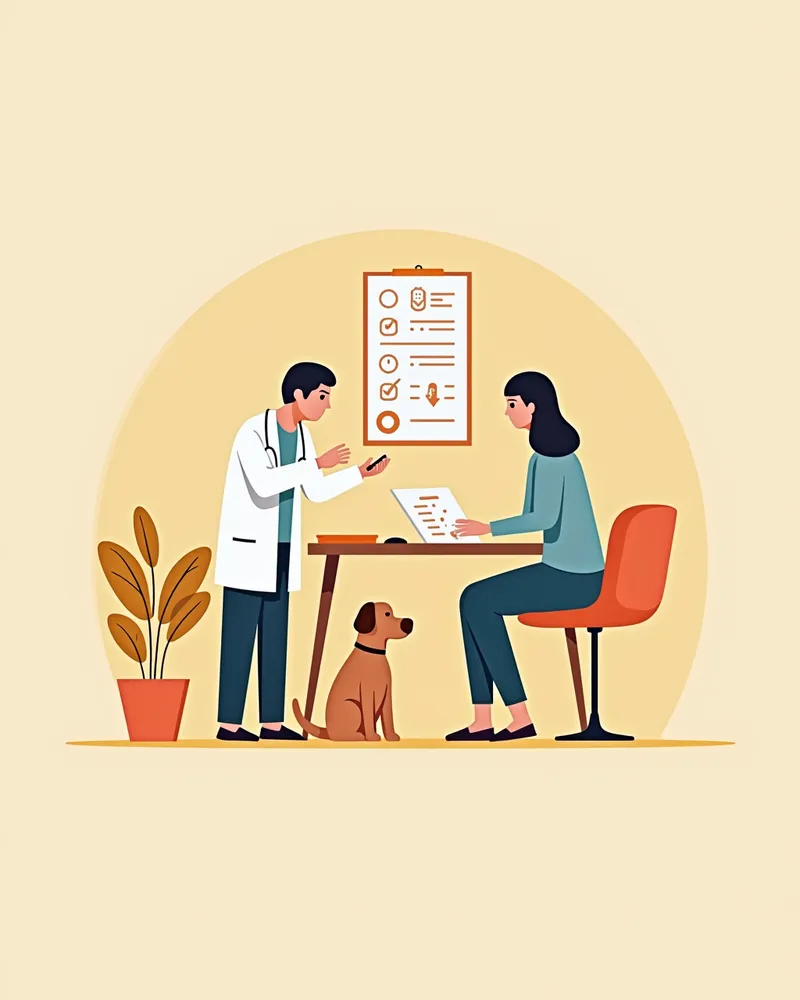
Treatment for canine lung cancer is determined by tumor size, location, and whether metastasis has occurred, with surgical resection being the most effective and commonly recommended approach. - Surgical treatment: This is the most effective option for tumors confined to a localized area. It allows for the removal of the tumor while simultaneously evaluating the cancer stage through biopsy of surrounding lymph nodes. - Radiation therapy: While used in some cases, its role in treating lung tumors has not yet been clearly established. - Chemotherapy: Drugs such as vinorelbine and carboplatin may be used; however, there are currently no reports indicating that postoperative chemotherapy improves prognosis. - Tailored treatment: Your veterinarian will determine the treatment plan by considering the tumor type, the patient’s condition, quality of life, and expected survival time. Lymph node assessment provides important information for predicting prognosis.
A scene in which a veterinarian explains treatment options for canine lung cancer.

Nutrition, Environment, and Emotional Stability Are Key to Home Care for Canine Lung Cancer

For dogs with lung cancer, a nutritionally balanced diet, a smoke-free environment, and a quiet living space are essential. - Nutritional care: A high-protein, high-calorie diet helps maintain strength. - Environmental control: Improve indoor air quality and minimize exposure to dust and chemicals. - Activity management: Adjust light walks and rest appropriately based on symptoms. - Emotional stability: Warm family care and a stable daily routine greatly aid recovery. - Regular care: Consistently manage veterinary visits and medication. Thorough care at home enhances treatment effectiveness.
A comfortable home environment for a dog with lung cancer to rest in

Certain Breeds Have a Higher Risk of Developing Lung Cancer

Current research has not definitively proven that specific breeds are more susceptible to lung cancer. However, lung tumors tend to be diagnosed primarily in senior dogs, so it is helpful for older pets to undergo regular chest imaging screenings to monitor for any changes in the lungs, even if they show no symptoms. Early detection of abnormalities is advantageous for developing a treatment plan, so paying close attention to preventive care during the senior years is recommended.

Reviewed by a veterinarian

Dr. Tony — Punnawat Phongkittirak

Dr. Tony — Punnawat Phongkittirak

Veterinarian

A veterinarian who majored in veterinary medicine at Khon Kaen University, Thailand, and completed the IVSA program at North Carolina State University in the United States. Drawing on clinical experience at animal hospitals, he works in the pet healthcare field and is dedicated to building a digital care environment that connects pet parents with veterinarians.

Frequently Asked Questions

Can canine lung cancer be cured?
If the tumor is localized and hasn’t spread, surgical removal can offer a chance of cure. However, since many dogs are older or already have metastasis at the time of diagnosis, the prognosis should be carefully evaluated. Even so, treatment can help alleviate symptoms and extend survival time.
What should you do first if you suspect your pet has lung cancer?
It’s most important to consult with a veterinarian right away and have a chest X-ray. If needed, a CT scan and biopsy will confirm the diagnosis. The earlier it’s detected, the better we can plan treatment.
Does dog lung cancer only occur in environments with smoking?
While lung tumors in people are primarily linked to smoking, a clear association between exposure to smoke and the development of lung cancer in dogs has not yet been proven by research. Since lung tumors are generally diagnosed in senior dogs, it is advisable to monitor older pets through regular check-ups, regardless of their exposure to smoke.
What side effects can chemotherapy cause in dogs?
Commonly, symptoms such as nausea, decreased appetite, and fatigue may occur, but in most cases they are temporary and can be managed by a veterinarian through medication adjustments.
What kind of care can be provided at home for a patient with lung cancer?
A balanced diet, a comfortable indoor environment, a stress-free living space, and consistent medication management are all essential. Your pet also needs your family’s attention and care to help maintain emotional well-being.

Share

Related Guides

References

[1] MacEwen EG, Withrow SJ, Patnaik AK: Nasal tumors in the dog: A retrospective study of 100 cases. J Am Vet Med Assoc 199:1155-1160, 1991.

[2] Veterinary Surgical Oncology, 2nd Ed. Saunders Elsevier, 2015. Chapter 12: Lung Tumors in Dogs.

[3] Plumb's Veterinary Drug Handbook, 8th Ed. Wiley-Blackwell, 2018. Section on Chemotherapy Agents for Canine Lung Carcinoma.

This information is based on veterinary literature and does not replace diagnosis or treatment. Please consult a veterinarian for specific health concerns.

Metapet Co., Ltd. | CEO: Park Sung-yong | Business Reg. No. 417-88-02562 | Seoul, South Korea | Customer Center

Dog's Cough Won't Stop? Lung Cancer & Metastasis Signs | Meongsiljang