Like
Share
멍실장
고양이 새끼 고양이 구충 시기 증상과 원인, 진단·치료와 관리 포인트 총정리

Complete Guide to Kitten Deworming: Timing, Symptoms, Causes, Diagnosis, Treatment, and Management

Infection/ParasitesDiseasesMeongsiljang Veterinary Advisory Board

Deworming kittens is an essential part of early care. Knowing the right timing and methods can help prevent health issues caused by parasites.

Deworming Kittens is an Essential Part of Early Care

A photo of hands holding a kitten and deworming medication
Deworming kittens is an essential preventive measure starting from early life. Early intervention is crucial because parasites can be transmitted from the mother cat to her kittens, and the risk of infection is high due to parasite eggs remaining in the environment, such as in soil or litter boxes. Veterinary guidelines recommend deworming every two weeks starting at three weeks of age, then continuing monthly until the kitten reaches six months of age.
Transmission via milk: If the mother cat carries parasites such as roundworms, they can be passed to the kittens. However, tapeworms (Taenia) are more commonly acquired secondarily through intermediate hosts like fleas, rather than through milk.
Environmental infection: Parasite eggs present in soil or litter can lead to infection if kittens ingest them while playing or lick them off their paws.
Growth impairment: Parasites interfere with nutrient absorption, resulting in poor weight gain, and can lead to anemia in young animals.
Early deworming is the first step toward healthy growth.

The Main Causes of Parasitic Infection are Mother’s Milk and the Environment
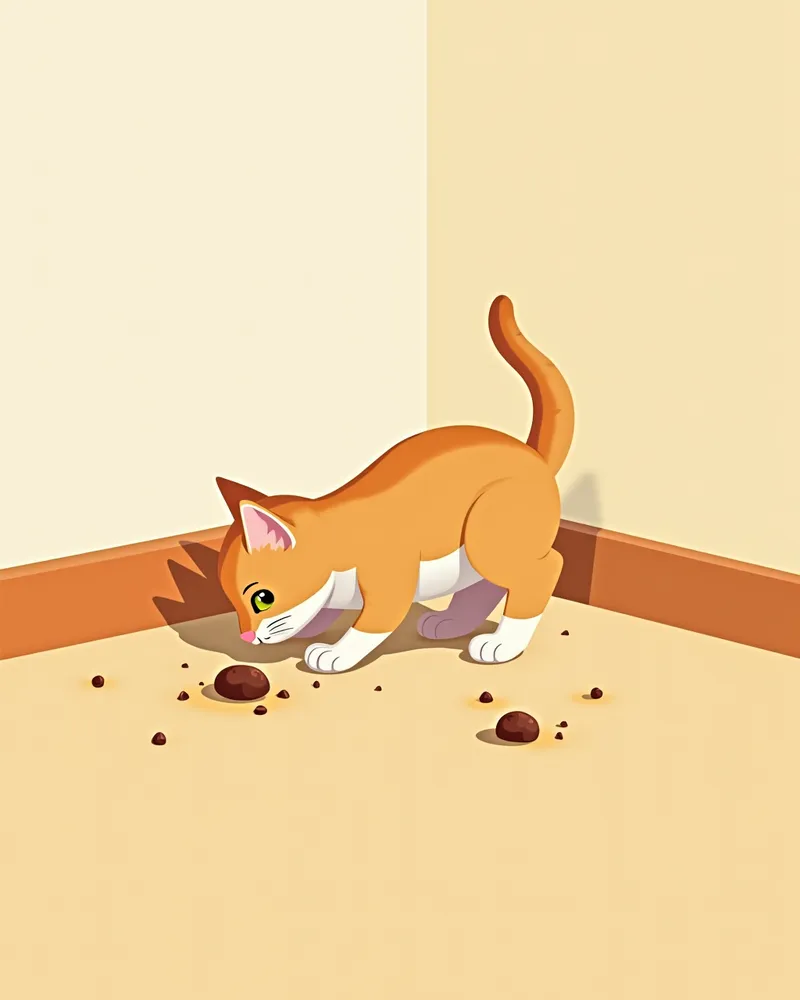
Kitten parasitic infections typically begin through two main routes. If the mother cat is infected, parasites such as roundworms can be transmitted to her kittens. Additionally, parasite eggs present in soil or litter boxes can lead to infection when kittens ingest them while playing or groom them off their paws.
Milk-borne transmission: Parasitic infections from the mother cat can spread to her kittens. However, tapeworms (Taenia) are more commonly acquired through secondary infection via intermediate hosts like fleas, rather than through milk.
Environmental exposure: Parasite eggs can be found in both indoor and outdoor environments, with higher risks around play areas and litter boxes.
Weakened immunity: Kittens are vulnerable to infection due to their immature immune systems. Host factors such as age and breed also influence susceptibility.
Growth impairment: As parasites absorb nutrients, kittens may experience slow weight gain, and young individuals can develop anemia.
A photo of a kitten sniffing a dirty floor

Main Symptoms Include Abnormal Stool, Weight Loss, and Abdominal Distension
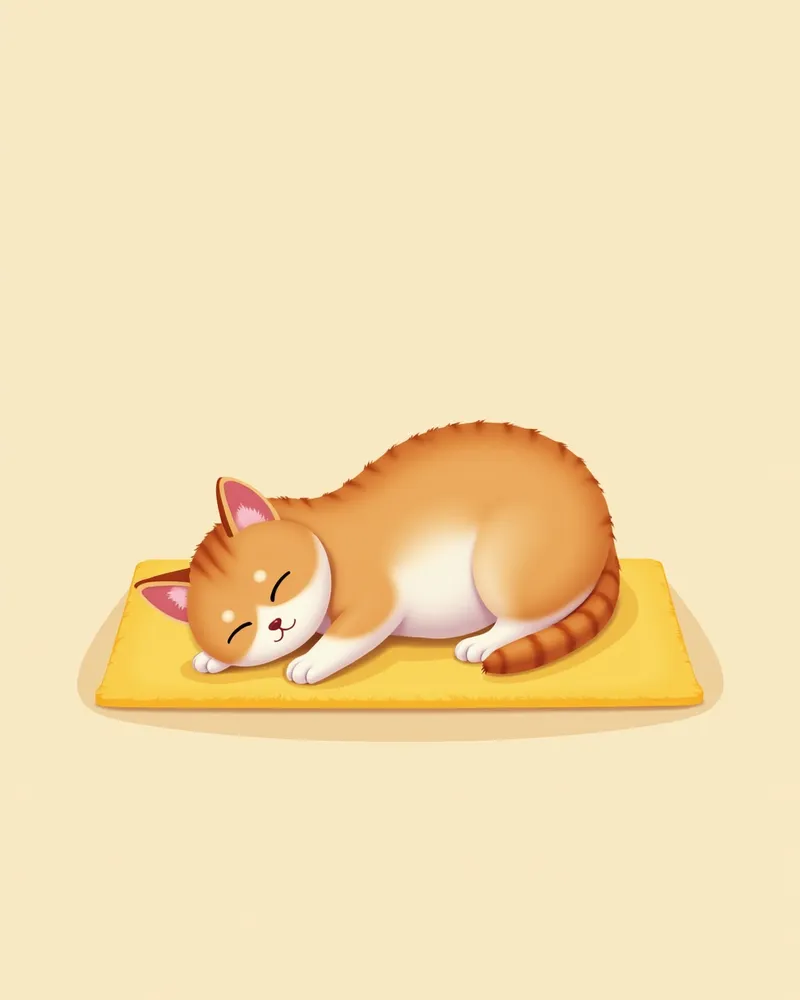
When kittens become infected with parasites, they can exhibit a variety of symptoms. Because early detection is crucial, owners should monitor their pets closely. Abnormal stool: The stool may appear sticky, or parasites may be visible in it. Weight loss: The kitten may eat normally or even more than usual, yet fail to gain weight or actually lose weight. Abdominal distension: The belly may appear swollen and feel firm to the touch. Decreased appetite: The kitten may refuse food or finish meals unusually quickly. Dull, unkempt coat: Stress can cause hair loss and result in a lackluster coat. If you notice any of these symptoms, please consult your veterinarian immediately.
A photo of a kitten with a swollen belly

Symptoms Requiring Immediate Veterinary Visit

If your kitten shows any of the following symptoms, consult a veterinarian immediately. Severe parasitic infestations can be life-threatening.

Diagnosis is Confirmed Through Fecal and Blood Examinations

Determining whether a kitten has a parasitic infection requires an accurate diagnosis. Veterinarians primarily check for parasite eggs or adult worms through fecal examinations.
Fecal examination: A stool sample is analyzed under a microscope to check for the presence of parasite eggs.
Blood test: This evaluates anemia and inflammatory responses to assess the severity of the infection.
Ultrasound: If abdominal distension is severe, an ultrasound can help locate parasites within the intestines.
Clinical symptom assessment: Weight, appetite, and behavioral changes are evaluated together.
An accurate diagnosis enables tailored treatment.
A photo of a veterinarian performing a fecal examination.

Treatment Proceeds in Stages with Deworming Medication and Environmental Cleaning
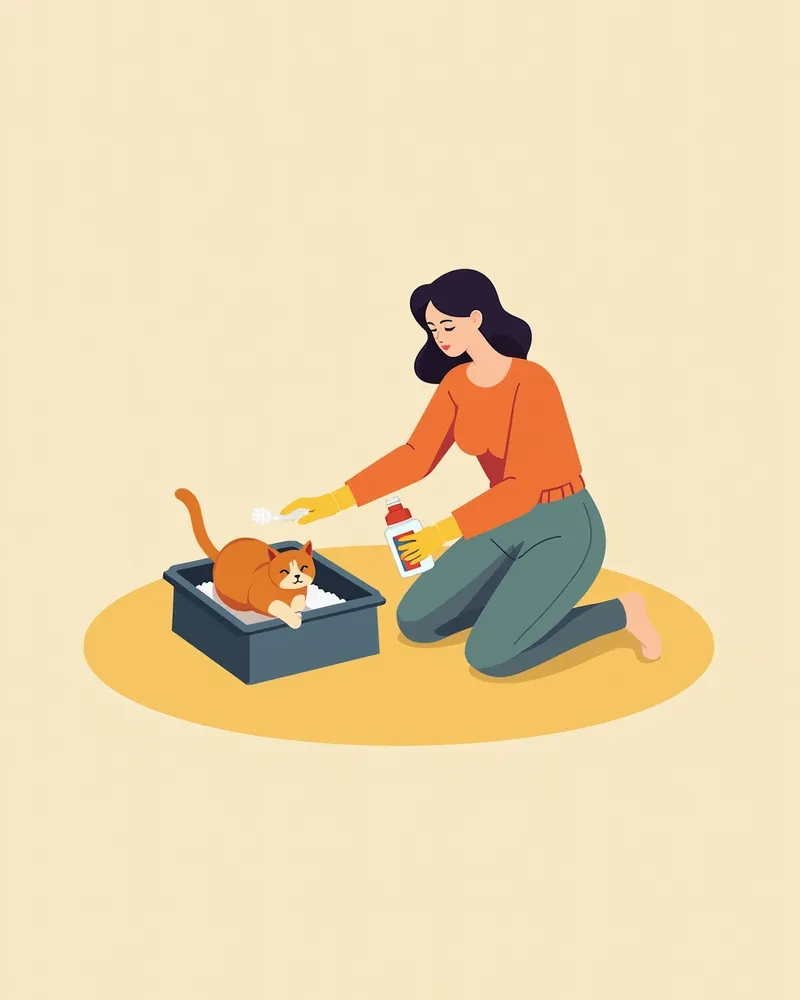
Treating parasites in kittens isn’t just about giving medication; it requires managing their environment and daily habits for effective results.
Deworming Medication: Administer the veterinarian-prescribed medication at the correct dosage and schedule.
Dosing Schedule: Standard guidelines recommend deworming every two weeks starting at three weeks of age, then monthly until six months of age. Consult your veterinarian to determine the specific schedule for your kitten.
Environmental Cleaning: Clean the litter box daily and frequently replace soil or play area materials.
Mother and Contact Animals: It is important that the mother cat and any other animals in contact with the kitten also receive deworming treatment.
Follow-up Testing: Confirm infection status through fecal exams after treatment. Two to four fecal tests are recommended during the kitten’s first year of life.
A photo of cat owners cleaning the litter box

Home Management Centers on Environmental Cleanliness and Regular Deworming
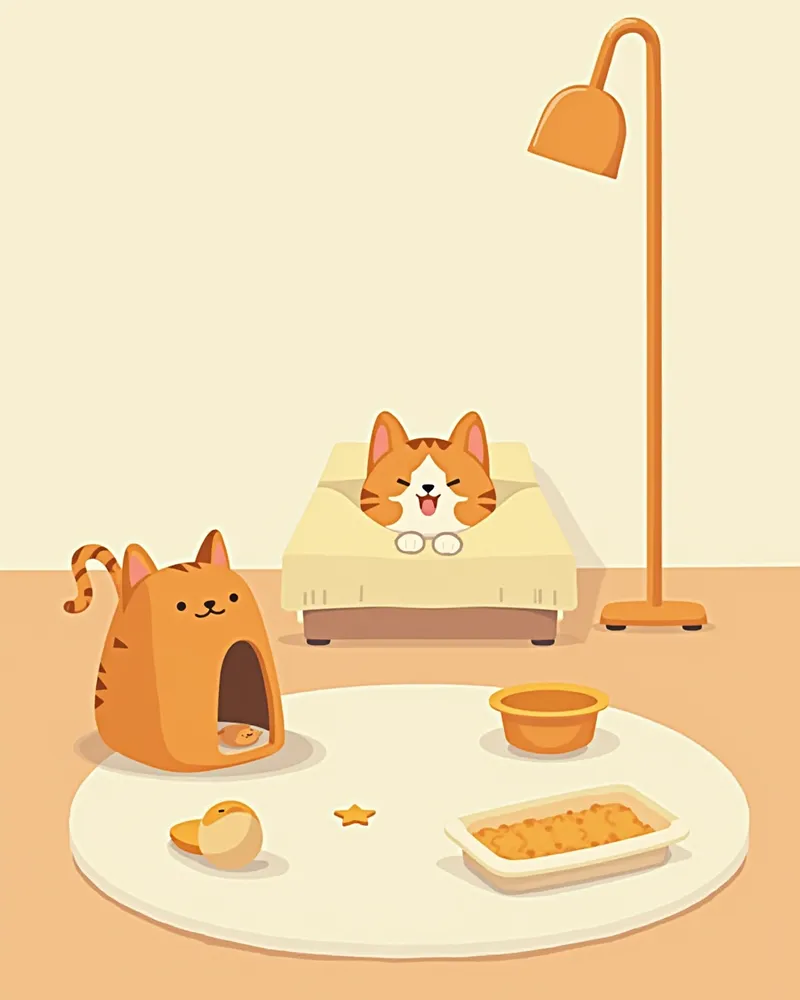
Parasite management for kittens must continue consistently even after treatment. Environmental cleanliness: Clean the litter box, play areas, and bedding daily, and disinfect them regularly. Deworming schedule: Deworming is recommended every two weeks starting at three weeks of age, then monthly until six months of age. After that, the schedule should be determined in consultation with your veterinarian based on the kitten’s health and living environment. Management of the mother and contact animals: It is important that the mother cat and any other animals in close contact also receive deworming treatment. Dietary management: Support immunity with a balanced diet. Limit outdoor exposure: Minimize exposure to the outdoor environment to prevent reinfection. Consistent care promotes healthy growth.
A photo of a clean cat room

Breed-Specific Precautions and Tips for Preventing Recurrence

Certain breeds may be more susceptible to parasites. Breeds with strong hunting instincts, in particular, face a higher risk of external infections. Additionally, improper use of deworming medication can lead to side effects, so always follow your veterinarian’s instructions.

Reviewed by a veterinarian

Dr. Tony — Punnawat Phongkittirak

Dr. Tony — Punnawat Phongkittirak

Veterinarian

A veterinarian who majored in veterinary medicine at Khon Kaen University, Thailand, and completed the IVSA program at North Carolina State University in the United States. Drawing on clinical experience at animal hospitals, he works in the pet healthcare field and is dedicated to building a digital care environment that connects pet parents with veterinarians.

Frequently Asked Questions

When should you start deworming a kitten?
Veterinary textbooks recommend starting deworming at 3 weeks of age, administering it every two weeks, and then monthly until the pet reaches 6 months of age. Please consult with your veterinarian to determine the specific start date and schedule.
What happens if a dewormer is taken incorrectly?
Overdosing may cause gastrointestinal symptoms such as nausea and diarrhea. If this occurs, consult your veterinarian immediately.
Can parasites be transmitted through breast milk?
If the mother cat carries parasites like roundworms, she can pass them on to her kittens. However, tapeworms (Taenia) are more commonly transmitted through secondary infection via intermediate hosts such as fleas, rather than through breast milk.
How long should I continue giving my pet deworming medication?
Deworming is recommended monthly until your pet reaches six months of age. After that, the deworming schedule should be determined in consultation with your veterinarian, based on your pet’s health and living environment. It is also advisable to have fecal examinations performed two to four times during the first year of life.
Can I buy deworming medication at home and give it to my pet myself?
No. Deworming medications can cause side effects if used without a veterinarian's prescription. Always use them under the guidance of a professional.

Share

Related Guides

References

[1] The Cat, Clinical Medicine and Management, 2nd Edition, 2020

[2] Principles and Practices of Canine and Feline Clinical Parasitic Diseases, 2018

[3] Plumb's Veterinary Drug Handbook, 10th Ed, 2022

This information is based on veterinary literature and does not replace diagnosis or treatment. Please consult a veterinarian for specific health concerns.

Metapet Co., Ltd. | CEO: Park Sung-yong | Business Reg. No. 417-88-02562 | Seoul, South Korea | Customer Center

Kitten Deworming Guide: Timing, Symptoms & Treatment | Meongsiljang