Like
Share
멍실장
강아지 이물장폐색 증상과 원인, 진단·치료와 관리 포인트 총정리

Dog Foreign Body Obstruction: Symptoms, Causes, Diagnosis, Treatment, and Care Essentials

DigestiveDiseasesMeongsiljang Veterinary Advisory Board

Foreign body obstruction in dogs is an emergency condition where a swallowed object blocks the digestive tract. We’ve compiled essential information for pet owners, covering symptoms, diagnosis, treatment, and post-surgical care.

What Is Foreign Body Obstruction in Dogs?
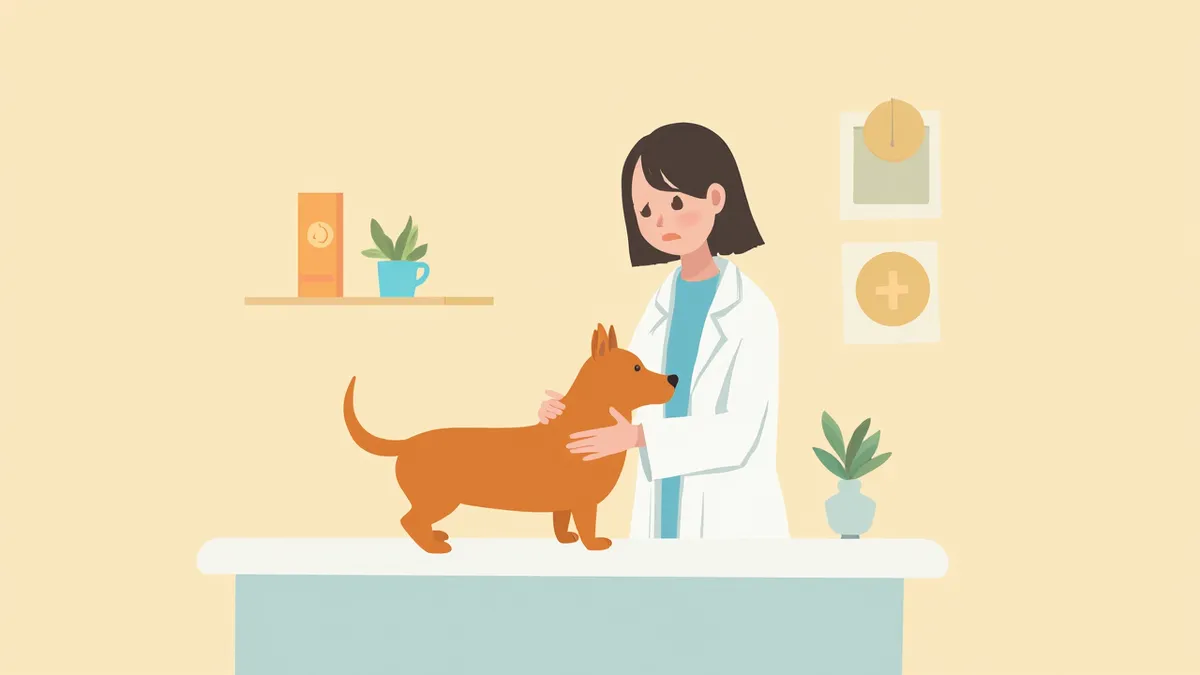
A puppy getting a check-up at the animal hospital
Foreign body obstruction in dogs is an emergency condition that occurs when a swallowed object—such as a toy fragment, corn cob, stone, bone, or sock—gets lodged in the stomach, small intestine, or large intestine, blocking the digestive tract. The most critical factor is timely treatment. If gastrointestinal symptoms like vomiting, decreased appetite, or lethargy persist or worsen, it may not be simple indigestion, so immediate veterinary care is essential. If these symptoms continue or intensify, mechanical obstruction should be suspected. Left untreated, this can lead to intestinal tissue damage and necrosis, resulting in life-threatening complications.

Main Causes of Foreign Body Obstruction — What Items Are Dangerous?

Dogs are naturally curious and may swallow a wide variety of objects. Common foreign bodies that cause intestinal obstruction include:
Toy parts: Small plastic fragments, button eyes from stuffed animals, pieces of balls
Food-related items: Corn cobs, peach or apricot pits, large or hard bone fragments
Household items: Socks, underwear, rubber bands, thread and needles, buttons, batteries
Natural objects: Small stones, twigs, dirt
Even non-toxic materials such as plastic, fabric, wood, or stone can cause mechanical blockages in the digestive tract. Foreign bodies that are large, sharp, long and thin (such as string or ribbon), or capable of absorbing moisture and swelling pose a higher risk, as they are less likely to pass through the intestines safely.

Key Symptoms Owners Should Check Immediately
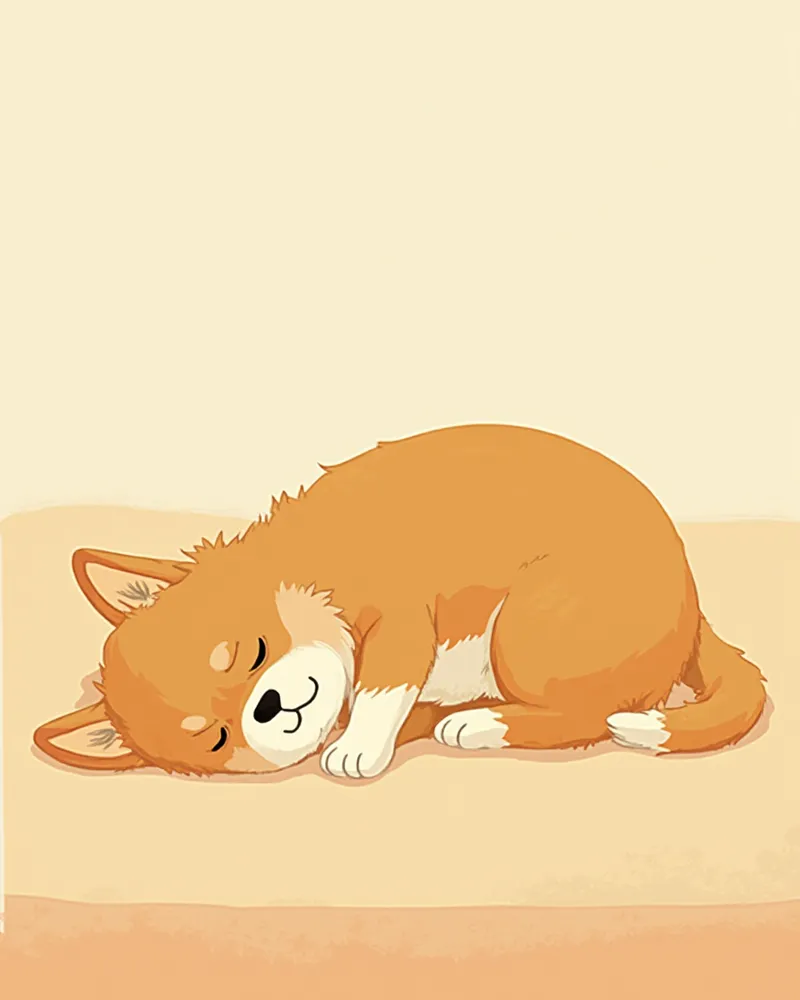
Symptoms of intestinal obstruction vary depending on the location and severity of the blockage. If you notice a combination of the following signs, suspect an intestinal obstruction:
Repetitive vomiting: Vomiting repeatedly shortly after eating or drinking.
Loss of appetite: Refusing food or treats that your pet usually enjoys.
Abdominal distension: The belly appears swollen or feels hard to the touch.
Lethargy and depression: A sudden drop in activity level, with your pet curling up and staying still.
Signs of abdominal pain: Your pet pulls away or whines when you touch its belly.
A dog struggling with abdominal pain

If These Symptoms Appear, Go to the Emergency Room Immediately

If vomiting persists for more than 24 hours, the abdomen feels hard and rigid like a rock, or there is blood in the stool or vomit, intestinal necrosis may be progressing. Immediate visit to a 24-hour emergency veterinary clinic is essential. The decision to "wait and see" could determine life or death.

How Is It Diagnosed? — Diagnostic Tests

Diagnosing a foreign body obstruction typically involves a combination of several tests.
Physical Examination: The veterinarian palpates the abdomen to determine the location of the foreign object and assess the level of pain.
X-ray (Radiography): High-density objects such as bones, metal, or stones can be directly identified on an X-ray.
Ultrasound: This helps detect objects that do not show up clearly on X-rays, such as plastic, fabric, or corn cobs.
Contrast Study: After administering a contrast agent, X-rays are used to track the flow through the digestive tract.
Based on the test results, the treatment plan is determined, either through endoscopy or surgery.

Treatment Options — From Endoscopy to Surgery
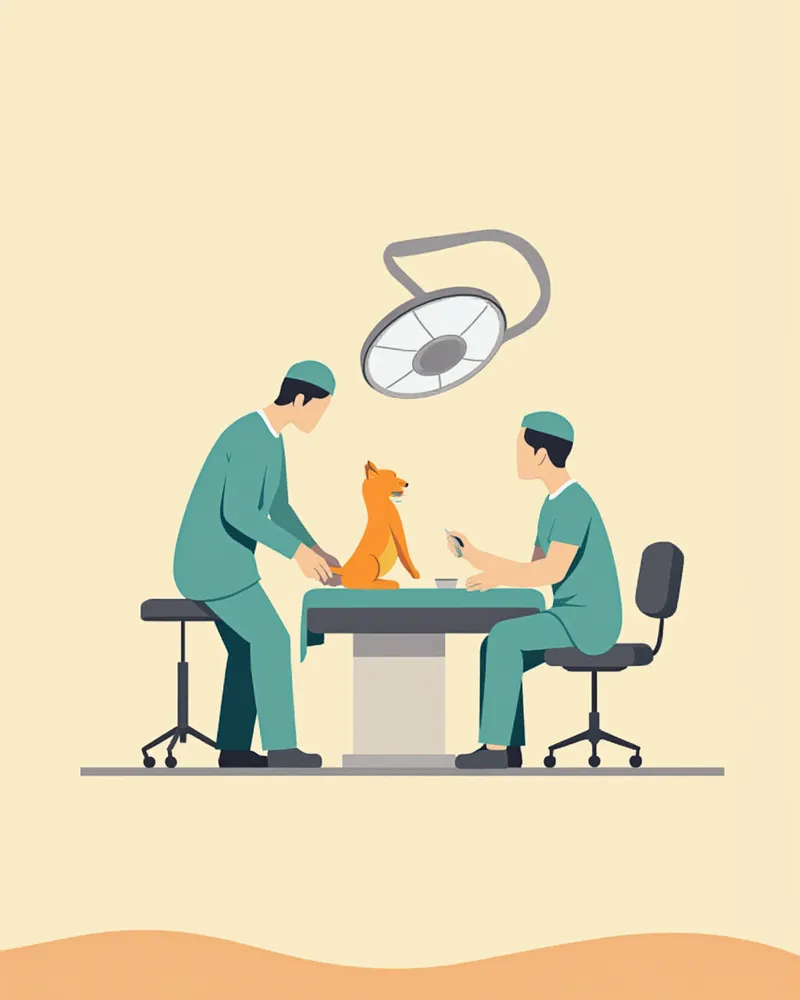
Treatment depends on the foreign object’s location, type, and how long it has been lodged.
Endoscopic removal: Objects stuck in the esophagus or stomach can often be removed endoscopically without surgery. Although general anesthesia is required, recovery is typically swift.
Enterotomy: If the object is lodged in the small or large intestine, the surgeon makes an incision directly into the intestine to remove it.
Bowel resection: If the intestinal tissue has become necrotic due to the foreign object, the affected section is surgically removed and the healthy ends are reconnected.
The risk of surgery increases with the extent of necrosis, so seeking veterinary care promptly is crucial.
Surgical procedure for a dog with intestinal obstruction caused by a foreign body

Post-Operative Home Care — Key Points to Aid Recovery
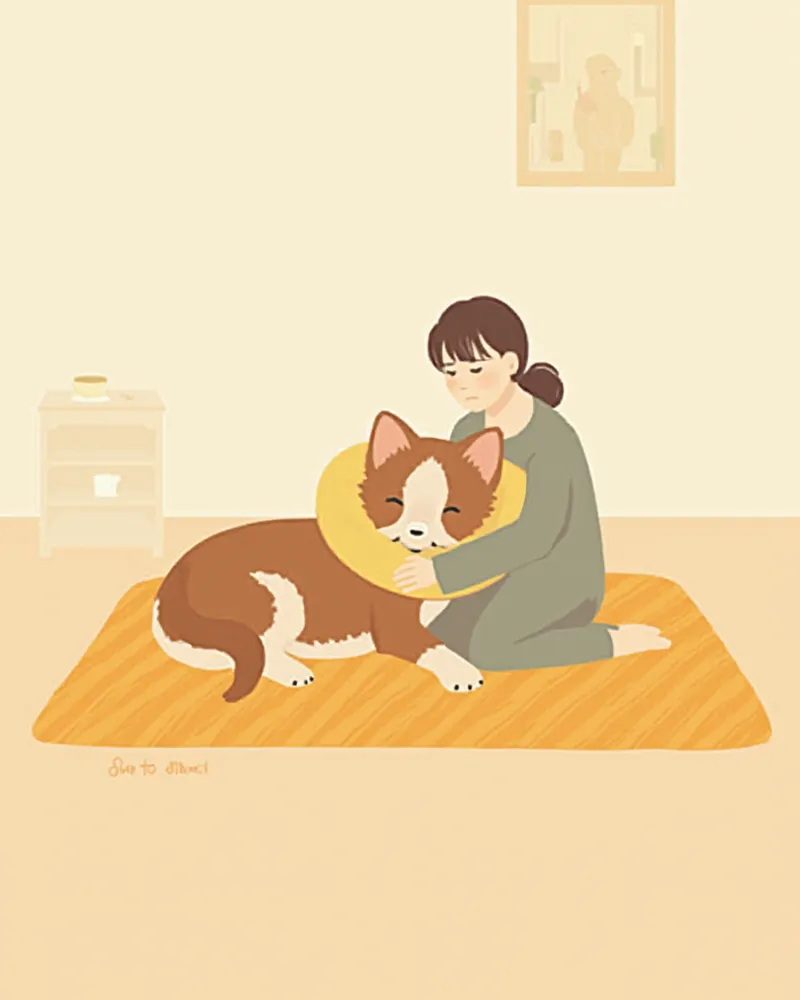
The post-operative recovery period varies depending on the location of the foreign body, the extent of the surgery, and your dog’s overall condition, so following your veterinarian’s guidance is the most reliable approach. During this time, your care plays a crucial role in determining how quickly your dog recovers.
Dietary Management: After a period of fasting as directed by your veterinarian, gradually reintroduce food starting with liquid diets or prescription gastrointestinal formulas.
Activity Restriction: To protect the suture site, limit vigorous exercise and jumping throughout the recovery period.
Wound Monitoring: If you notice redness, swelling, or discharge at the surgical site, contact your clinic immediately, as these signs may indicate suture dehiscence or peritonitis.
Preventing Recurrence: The most important step is to keep all swallowable objects out of your dog’s reach.
A puppy recovering after surgery and its owner

Pay Special Attention to These Breeds and Ages

Any dog can swallow foreign objects, but puppies with poor dietary discrimination are at higher risk. It’s also common in dogs that are highly curious, live in under-stimulating environments, or suffer from separation anxiety, leading them to frequently chew on things. The best prevention is keeping your home tidy, providing plenty of exercise and play to relieve boredom, and proactively identifying and removing common hazardous items.

Reviewed by a veterinarian

Dr. Tony — Punnawat Phongkittirak

Dr. Tony — Punnawat Phongkittirak

Veterinarian

A veterinarian who majored in veterinary medicine at Khon Kaen University, Thailand, and completed the IVSA program at North Carolina State University in the United States. Drawing on clinical experience at animal hospitals, he works in the pet healthcare field and is dedicated to building a digital care environment that connects pet parents with veterinarians.

Frequently Asked Questions

My pet seems to have swallowed a foreign object, but there are no symptoms. Is it okay to just wait and see?
Even if your pet shows no symptoms, it’s important not to let your guard down. Mild signs of irritation typically appear within a few hours after ingestion, but depending on the type and location of the foreign object, symptoms may be delayed or suddenly worsen. If you suspect your pet has swallowed something, it’s safest to have an X-ray or ultrasound performed at a veterinary clinic, even in the absence of symptoms.
Can I induce vomiting at home to remove the foreign object?
Never induce vomiting on your own. Sharp foreign objects can damage the esophagus, and if the object has already passed into the intestines, the vomiting process can cause further harm. Vomiting should only be induced under the guidance and care of a veterinarian.
Can it pass naturally without surgery?
Small, soft foreign objects (such as small pieces of cloth) may sometimes pass through the intestines and be expelled in the stool. However, this should only be determined by a veterinarian after evaluation with X-rays and ultrasound. Waiting without veterinary guidance can increase the risk of intestinal necrosis.
How long does the recovery period after surgery take?
Recovery time varies depending on the treatment method. Endoscopic removal typically allows for a faster recovery since it doesn't require surgical incisions, whereas procedures involving intestinal incisions or resections take longer to heal. The exact recovery timeline depends on your dog's condition, so it's important to follow your veterinarian's instructions and keep all scheduled check-ups during the recovery period.
Can foreign body obstruction recur?
Dogs with pica (the habit of eating non-food items) are at high risk of recurrence. Even after surgery, thoroughly remove small objects from around the home, and for severe cases, consult a veterinary behaviorist for behavioral modification.

Share

Related Guides

References

[1] Washabau R.J. & Day M.J. Canine and Feline Gastroenterology. Elsevier Saunders, 2013. Chapter: Diseases of the Small Intestine.

[2] Nelson R.W. & Couto C.G. Small Animal Internal Medicine, 5th Ed. Elsevier Mosby, 2014. Chapter: Intestinal Obstruction.

[3] Tams T.R. & Rawlings C.A. Small Animal Endoscopy, 3rd Ed. Mosby Elsevier, 2011. Chapter: Gastrointestinal Foreign Body Retrieval.

This information is based on veterinary literature and does not replace diagnosis or treatment. Please consult a veterinarian for specific health concerns.

Metapet Co., Ltd. | CEO: Park Sung-yong | Business Reg. No. 417-88-02562 | Seoul, South Korea | Customer Center

Dog Foreign Body Obstruction: Symptoms & Treatment | Meongsiljang