Like
Share
멍실장
고양이 내분비계 종합 검진 증상과 원인, 진단·치료와 관리 포인트 총정리

A Complete Guide to Feline Endocrine Checkups: From Hormonal Imbalance Signs to Diagnosis and Management

EndocrineDiseasesMeongsiljang Veterinary Advisory Board

A comprehensive endocrine system checkup for cats is a crucial test that helps detect hormonal imbalances early, ensuring timely treatment. Regular checkups form the foundation of a healthy life for your cat.

What Is a Comprehensive Feline Endocrine Checkup?
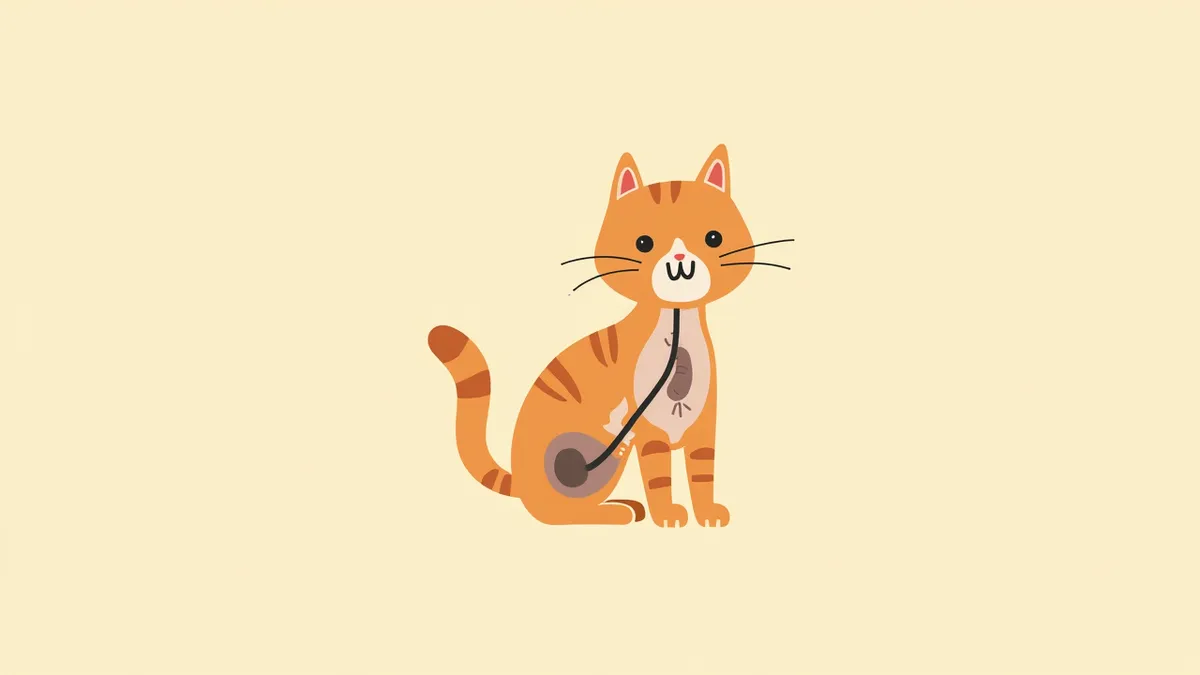
Diagram of a cat's endocrine system, with each organ clearly labeled
A comprehensive endocrine system checkup for cats precisely evaluates the function of major hormone-producing organs, including the thyroid, pancreas, and adrenal glands. Since common feline endocrine disorders such as hyperthyroidism and diabetes mellitus typically affect middle-aged cats and older, regular screenings become increasingly important as your cat ages. This examination helps detect hormonal imbalances early, before obvious symptoms appear. It is particularly effective at identifying the early stages of hyperthyroidism, caused by excessive thyroid hormone secretion, and diabetes mellitus, resulting from abnormalities in insulin secretion or action. By ensuring timely treatment, these checkups help maintain your cat’s quality of life. Regular screenings are essential for a healthy feline lifestyle.

What Are the Main Causes of Endocrine Disorders?
Feline endocrine disorders appear to result from a combination of factors such as age, constitution, and lifestyle. However, the most common endocrine disease in cats, hyperthyroidism, still has no clearly identified cause. It primarily affects middle-aged and older cats, so early detection is key to effective management. Diabetes mellitus, caused by a deficiency or impaired action of insulin secreted by the pancreas, and Addison’s disease, resulting from insufficient adrenal cortex hormones, can also lead to hormonal imbalances. In middle-aged and senior cats, multiple conditions often occur simultaneously, making diagnosis and management more complex. Therefore, maintaining a stable environment and healthy lifestyle habits is essential. Early diagnosis and consistent care remain the most effective approach.
An image symbolizing a stressful situation for a cat

Check for Key Symptoms and Signs

Endocrine disorders often go unnoticed in their early stages, but if you observe any of the following signs, consider having your pet checked right away.
Weight loss: Your pet may lose weight rapidly despite having a normal appetite.
Excessive thirst and urination: They may drink water frequently and need to go to the bathroom more often.
Increased activity: They may appear more active or restless than usual.
Recurring diarrhea or vomiting: These symptoms may occur alongside digestive issues.
Worsening coat condition: Their fur may become coarse or prone to shedding.
If these symptoms persist for more than two weeks, consult your veterinarian.
Cats showing weight loss and deteriorating coat condition

When to Visit the Vet Immediately

If your cat suddenly loses its appetite, experiences repeated vomiting or diarrhea, collapses as if in shock, or breathes rapidly, you should take it to the vet immediately. These could be signs of an acute endocrine disorder.

Diagnostic Tests
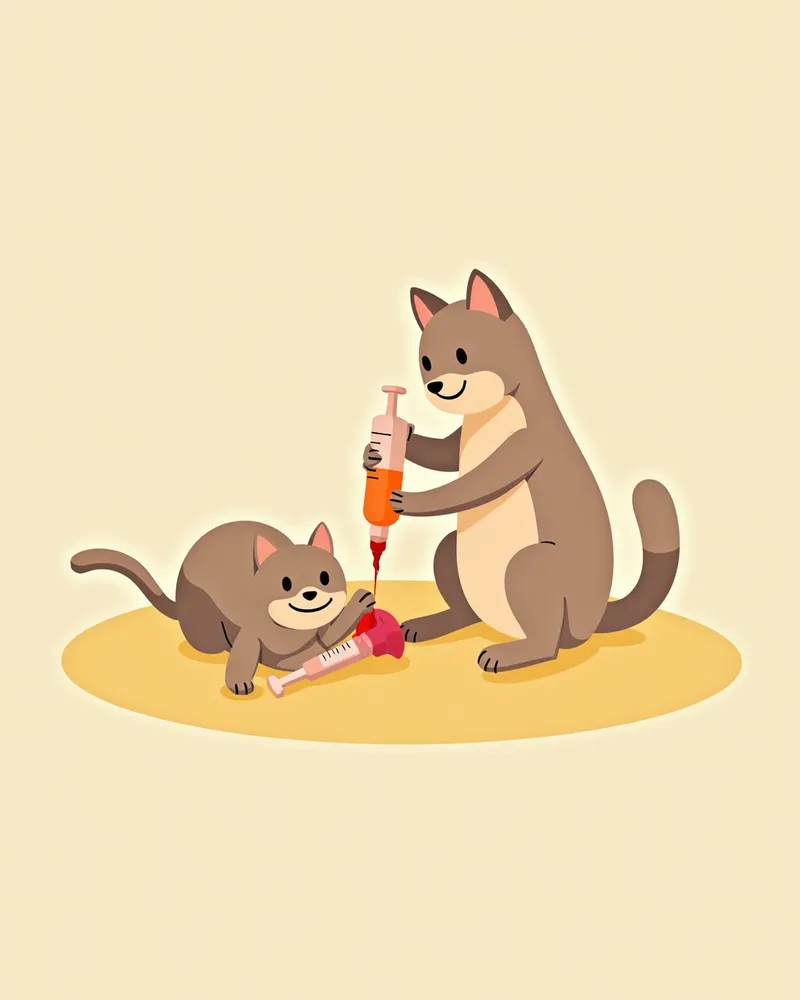
A comprehensive endocrine evaluation integrates blood tests, hormone level measurements, and imaging studies such as ultrasound, CT, and MRI. Total T4, a thyroid hormone, serves as the key diagnostic indicator for hyperthyroidism, with free T4 interpreted alongside it when necessary. When diabetes is suspected, the primary approach is to confirm hyperglycemia (elevated blood glucose) and glucosuria (glucose in the urine) rather than relying solely on insulin levels. If an adrenal cortex disorder is suspected, tests such as the ACTH stimulation test, urine cortisol-to-creatinine ratio, and low-dose dexamethasone suppression test are performed. Imaging allows for precise observation of the size and structure of endocrine glands. The veterinarian synthesizes the clinical signs and test results to reach an accurate diagnosis.
A veterinarian drawing blood from a cat.

Treatment Methods and Step-by-Step Approach
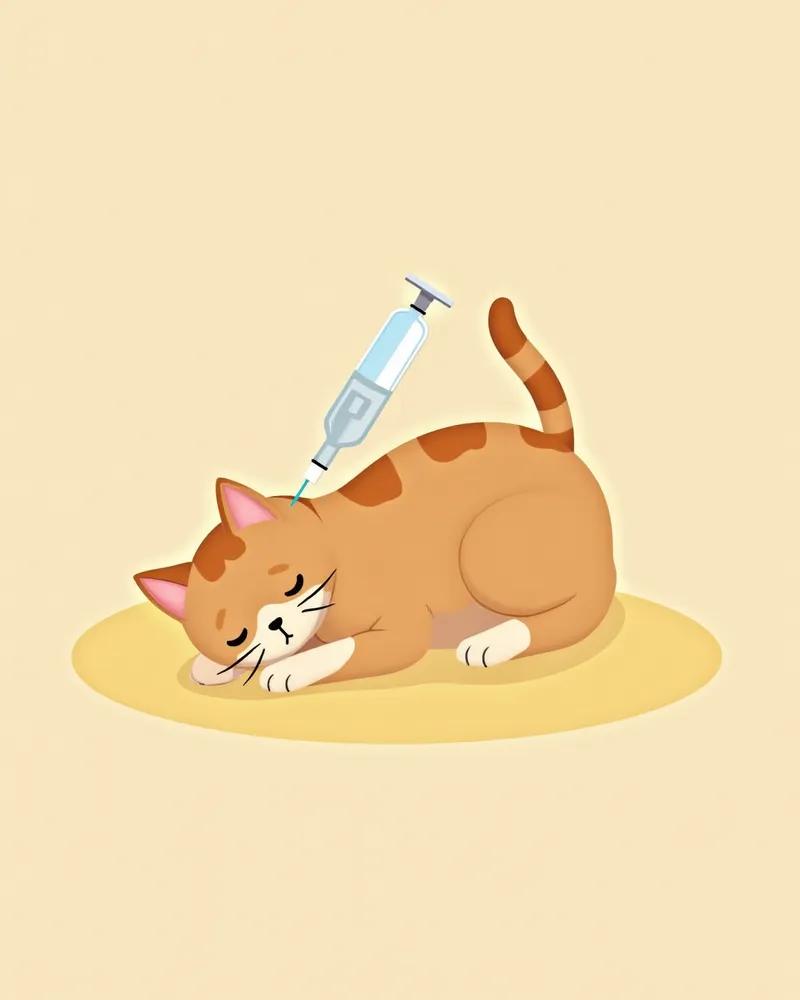
Treatment varies depending on the type and severity of the condition. Hyperthyroidism can be managed through four approaches: antithyroid medication, radioactive iodine therapy, thyroidectomy, and iodine-restricted therapeutic diets. Among these, radioactive iodine therapy is often the first choice because it offers a potential cure with minimal burden on the body. For diabetes, when there is insufficient insulin or it does not function properly, insulin injections are the cornerstone of treatment. In cases of hypoadrenocorticism, hormone replacement therapy is required. Your veterinarian will develop a treatment plan tailored to your cat’s weight, age, and any concurrent conditions. During the initial phase of treatment, regular check-ups are essential to monitor the response, while long-term management focuses on stabilizing the condition.
A cat receiving an insulin injection

Home Care Points

Daily care is essential for successful treatment. - Medication timing: Administering medication at the exact prescribed time enhances therapeutic efficacy. - Dietary management: Maintain a consistent daily food intake and diet type for your cat. - Stress reduction: Provide a quiet and stable environment. - Weight monitoring: Record your cat’s weight weekly and consult your veterinarian if any changes are observed. - Symptom tracking: Consistently monitor and record appetite, bowel movements, and activity levels. Contact your clinic immediately if you notice any sudden changes. Regular communication with your veterinarian allows for ongoing adjustments to the treatment plan.
A calendar for tracking your cat’s medication schedule and weight changes

Breed-Specific Precautions for Cats

Certain breeds, such as Persians and Maine Coons, may be more susceptible to endocrine disorders. Regular check-ups and health monitoring are essential. Early screening is particularly important for cats with a genetic predisposition.

Reviewed by a veterinarian

Dr. Tony — Punnawat Phongkittirak

Dr. Tony — Punnawat Phongkittirak

Veterinarian

A veterinarian who majored in veterinary medicine at Khon Kaen University, Thailand, and completed the IVSA program at North Carolina State University in the United States. Drawing on clinical experience at animal hospitals, he works in the pet healthcare field and is dedicated to building a digital care environment that connects pet parents with veterinarians.

Frequently Asked Questions

My cat is 12 years old. Should I have an endocrine system check-up done?
Yes, we recommend an annual comprehensive endocrine system checkup for cats aged 10 and older. Early detection significantly improves the success rate of treatment.
How long does a check-up take?
Blood collection and testing typically take about 30 to 60 minutes. Results are usually available within 1 to 2 days.
How much does a check-up cost?
A basic endocrine system checkup costs around $40, and additional tests may increase the total. Please contact the clinic directly to confirm insurance coverage.
Is there anything special I need to do after the checkup?
After the checkup, carefully monitor whether your pet is taking medication as prescribed, any adjustments to their diet, and changes in behavior. If you notice any unusual symptoms, contact your veterinarian immediately.
Can endocrine disorders be cured?
In most cases, treatment can stabilize hormone levels. While some pets require long-term management, they can maintain a healthy life with regular care.

Share

Related Guides

References

[1] The Cat, Clinical Medicine and Management, 2nd Edition. Elsevier, 2023.

[2] Feline Emergency and Critical Care Medicine, 2nd Ed. Wiley-Blackwell, 2021.

[3] Clinical Medicine of the Dog and Cat, 4th Ed. Elsevier, 2022.

This information is based on veterinary literature and does not replace diagnosis or treatment. Please consult a veterinarian for specific health concerns.

Metapet Co., Ltd. | CEO: Park Sung-yong | Business Reg. No. 417-88-02562 | Seoul, South Korea | Customer Center

Feline Endocrine Checkup Guide: Hormone Signs to Diagnosis & Care | Meongsiljang