Like
Share
멍실장
강아지 신장 기능 혈액검사(BUN·Cr·SDMA) 증상과 원인, 진단·치료와 관리 포인트 총정리

Dog Kidney Blood Tests (BUN, Creatinine, SDMA) — A Complete Guide from Interpreting Results to Management

KidneyDiseasesMeongsiljang Veterinary Advisory Board

Blood tests for kidney function (BUN, Cr, SDMA) are essential for the early detection of chronic kidney disease in dogs. These tests allow for an accurate assessment of whether kidney function has declined.

What Is a Dog Kidney Function Blood Test (BUN, Cr, SDMA)?

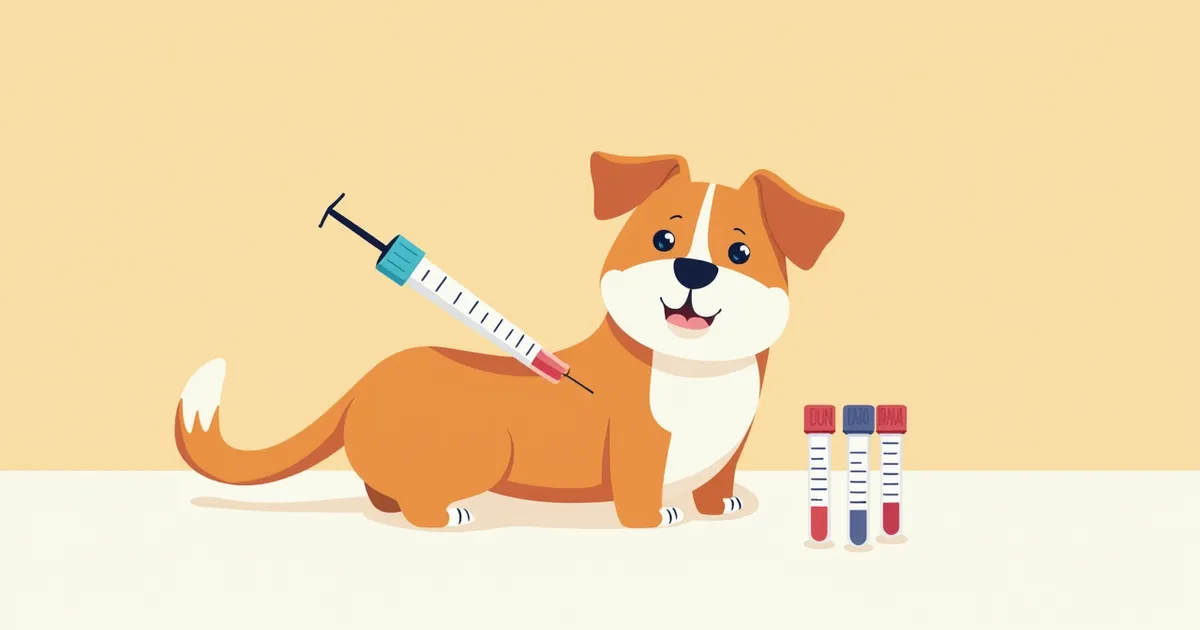
A veterinarian analyzing a dog’s kidney function blood test results
A blood test for kidney function in dogs (BUN, Cr, SDMA) is a key examination to evaluate the kidney’s ability to remove waste products. BUN (Blood Urea Nitrogen): This indicates the kidney’s ability to eliminate urea, a byproduct of protein metabolism, but it can also be influenced by non-renal factors such as dehydration or diet. Creatinine (Cr): As a product of muscle metabolism, it reflects the glomerular filtration rate (GFR), but its interpretation alone has limitations because it can be affected by other factors like muscle mass. SDMA (Symmetric Dimethylarginine): Less affected by non-renal factors, SDMA is more reliable than creatinine or urea, correlates well with GFR, and sensitively detects early kidney damage. Veterinarians often recommend this test for senior dogs or when symptoms are ambiguous, as early detection helps slow disease progression and aids in management.

Main Causes of Kidney Dysfunction

Kidney dysfunction in dogs is often the result of multiple factors working together. - Aging: As dogs grow older, their kidney function can naturally decline. - Congenital and genetic predispositions: Some dogs have a known predisposition to congenital, genetic, or familial kidney diseases, which can manifest even at a relatively young age. - Infections and inflammation: Conditions such as pyelonephritis can damage kidney structures. - Medications and toxins: Certain drugs or toxins can place stress on the kidneys or cause direct damage. - Dehydration and hypotension: Reduced blood flow decreases kidney perfusion, leading to insufficient oxygen and nutrient supply, which can result in damage. Early identification of the underlying cause is the first step toward effective treatment.
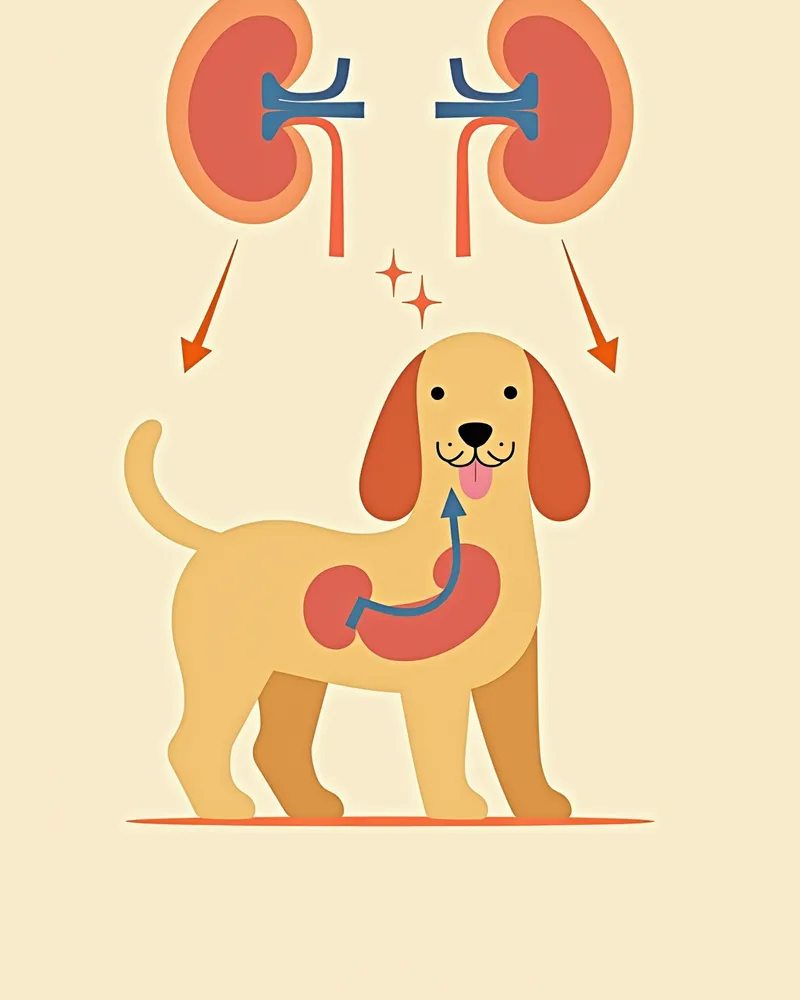
An anatomical illustration showing blood flow and filtration function in a dog's kidneys

Checklist of Key Symptoms

When a dog’s kidney function declines, a variety of symptoms may appear. It’s important to watch for these signs closely.
Excessive thirst: Your dog may start drinking water more frequently or consume significantly larger amounts.
Frequent urination: They may need to go to the bathroom more often or produce larger volumes of urine.
Weight loss: A decreased appetite can lead to rapid weight loss.
Recurring vomiting: Stomach upset or toxin buildup can cause frequent vomiting.
Lethargy: Activity levels drop, and your dog may sleep most of the day or show little interest in moving.
A tired dog, a water bowl, and signs of bathroom use

Signs Requiring Immediate Veterinary Visit

If your dog experiences severe vomiting, signs of dehydration (such as dry mouth and loss of skin elasticity), decreased consciousness, and no urine output for more than 24 hours, you should seek veterinary care immediately. These symptoms may indicate serious kidney damage.

Diagnostic Methods and Testing Procedures

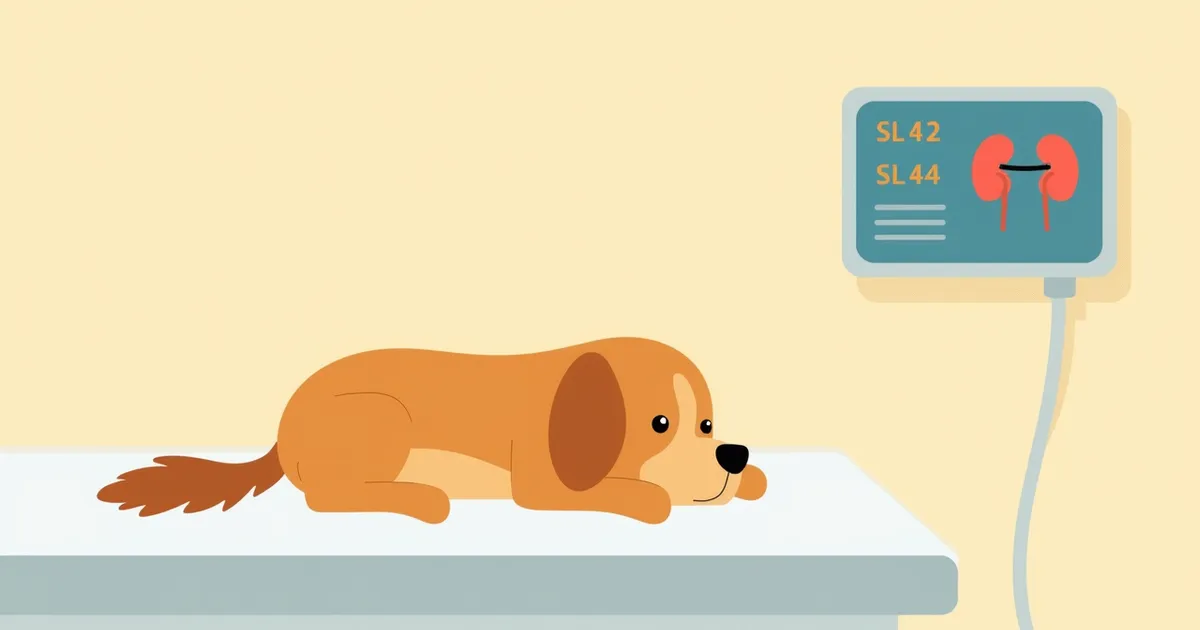
To accurately diagnose decreased kidney function in dogs, we use a combination of tests. - Blood tests: We measure BUN, creatinine, and SDMA levels to assess kidney filtration function. - Urinalysis: We check urine concentration and protein leakage to evaluate the kidney’s filtering ability. - Ultrasound: We visually examine the kidneys for abnormalities in size, shape, and structure. - Concurrent cardiac evaluation: Since heart disease can affect the kidneys, we assess heart health alongside kidney function. We combine the results from all these tests to reach an accurate diagnosis.
A scene of a puppy undergoing a kidney ultrasound examination

Treatment Methods and Step-by-Step Management
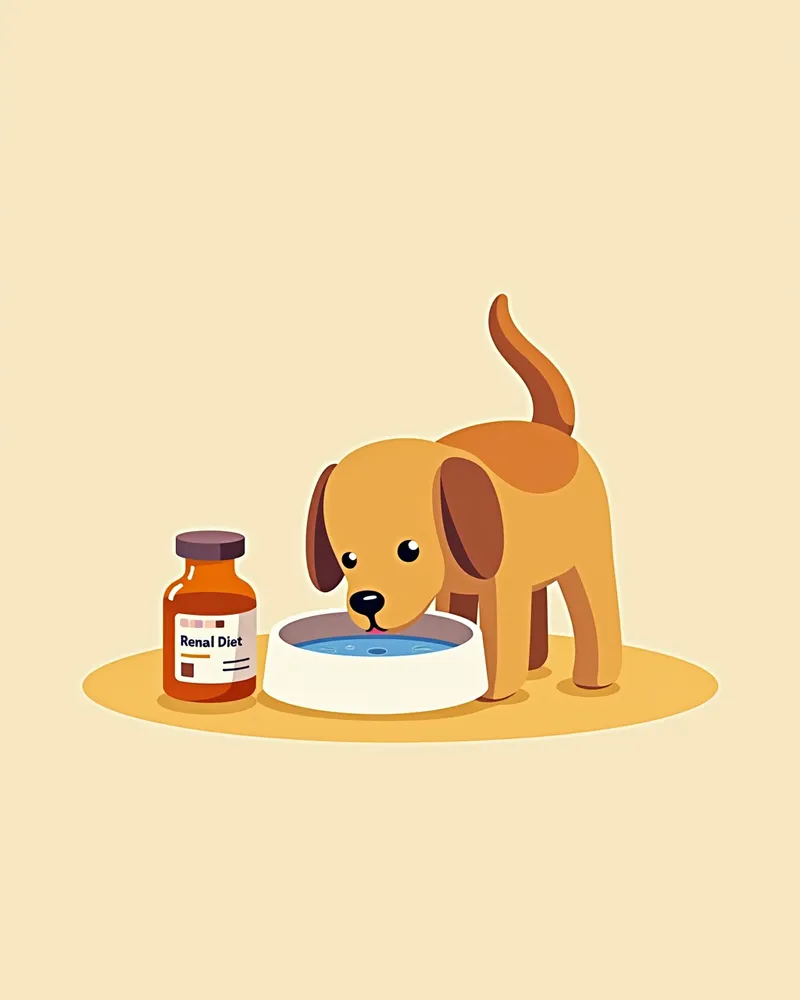
While kidney dysfunction is difficult to cure completely, symptoms can be managed and disease progression slowed. - Prescription diet: Specialized food helps reduce kidney strain by controlling protein and phosphorus intake. - Fluid therapy: Prevents dehydration through oral or intravenous fluid supplementation. - Hypertension management: Medication is used to control high blood pressure, which can accelerate kidney damage if left unchecked. - Anemia treatment: Medications that support red blood cell production may be necessary. - Regular check-ups: Work with your veterinarian to develop a management plan and schedule periodic examinations.
A puppy drinking water and eating kidney-specific food.

Daily Home Care Points

Managing a dog’s declining kidney function hinges on consistent care at home. - Water access: Always provide plenty of fresh, clean water and encourage frequent drinking. - Diet management: Feed a prescribed renal diet consistently and limit treats. - Medication adherence: Administer medications exactly as scheduled, ensuring no doses are missed. - Weight and appetite tracking: Record daily changes in weight and appetite to share with your veterinarian. - Urine monitoring: Closely observe any changes in urine volume, color, or odor. These care practices significantly improve both survival time and quality of life.
Puppy Hydration, Meal, and Urination Log

Breed-Specific Precautions and Prevention of Recurrence

Certain dog breeds have a known predisposition to congenital, hereditary, or familial kidney diseases, making them more susceptible to renal issues. In these cases, kidney disease can manifest at a relatively young age, so regular check-ups and early detection are key to slowing disease progression and preventing recurrence. Work with your veterinarian to develop a management plan and stay vigilant for even subtle changes in your dog’s health.

Reviewed by a veterinarian

Dr. Tony — Punnawat Phongkittirak

Dr. Tony — Punnawat Phongkittirak

Veterinarian

A veterinarian who majored in veterinary medicine at Khon Kaen University, Thailand, and completed the IVSA program at North Carolina State University in the United States. Drawing on clinical experience at animal hospitals, he works in the pet healthcare field and is dedicated to building a digital care environment that connects pet parents with veterinarians.

Frequently Asked Questions

Why is a blood test for kidney function important in dogs?
The kidneys are vital organs responsible for eliminating waste products from the body. Early testing can detect declining kidney function, allowing for timely treatment and slowing the progression of disease.
What is the difference between BUN and SDMA?
BUN is a byproduct of deamination, but its levels can be influenced by other factors such as dehydration or loss of appetite. In contrast, SDMA is less affected by these confounding factors, providing a more consistent reflection of kidney function. It correlates well with glomerular filtration rate, allowing for more reliable detection of early kidney damage.
Should I check kidney function through regular check-ups?
Yes, kidney dysfunction may not show obvious symptoms in its early stages. That’s why regular kidney function tests are recommended for senior dogs or those with risk factors. The earlier it’s detected, the more we can help slow the progression of the disease.
If you suspect your pet has kidney disease, what kind of diet should they be on?
You should feed your pet a special kidney-specific diet recommended by your veterinarian. This diet helps reduce the burden on the kidneys by controlling the levels of protein and phosphorus.
What should I be careful about while my pet is taking medication?
Medications that can strain the kidneys, such as antibiotics and pain relievers, must be taken strictly under a veterinarian’s guidance. Never stop or adjust the dosage on your own.

Share

Related Guides

References

[1] Langston, C.E. et al. (2023) Small Animal Critical Care Medicine, 3rd Edition. Elsevier.

[2] The Cat, Clinical Medicine and Management, 2nd Edition (2022). Elsevier.

[3] Plumb's Veterinary Drug Handbook, 9th Edition (2021). Wiley.

This information is based on veterinary literature and does not replace diagnosis or treatment. Please consult a veterinarian for specific health concerns.

Metapet Co., Ltd. | CEO: Park Sung-yong | Business Reg. No. 417-88-02562 | Seoul, South Korea | Customer Center

Dog Kidney Blood Tests: BUN, Creatinine & SDMA Explained | Meongsiljang