Like
Share
멍실장
강아지 간 비대(간종대) 증상과 원인, 진단·치료와 관리 포인트 총정리

If Your Dog’s Abdomen Is Swollen — Causes of Hepatic Enlargement and When to Treat

Liver HealthDiseasesMeongsiljang Veterinary Advisory Board

Hepatic enlargement in dogs refers to an abnormally enlarged liver, with causes ranging from infections and genetic factors to metabolic disorders. Early detection and accurate diagnosis are key to effective treatment.

What Is Hepatic Enlargement (Hepatomegaly) in Dogs?
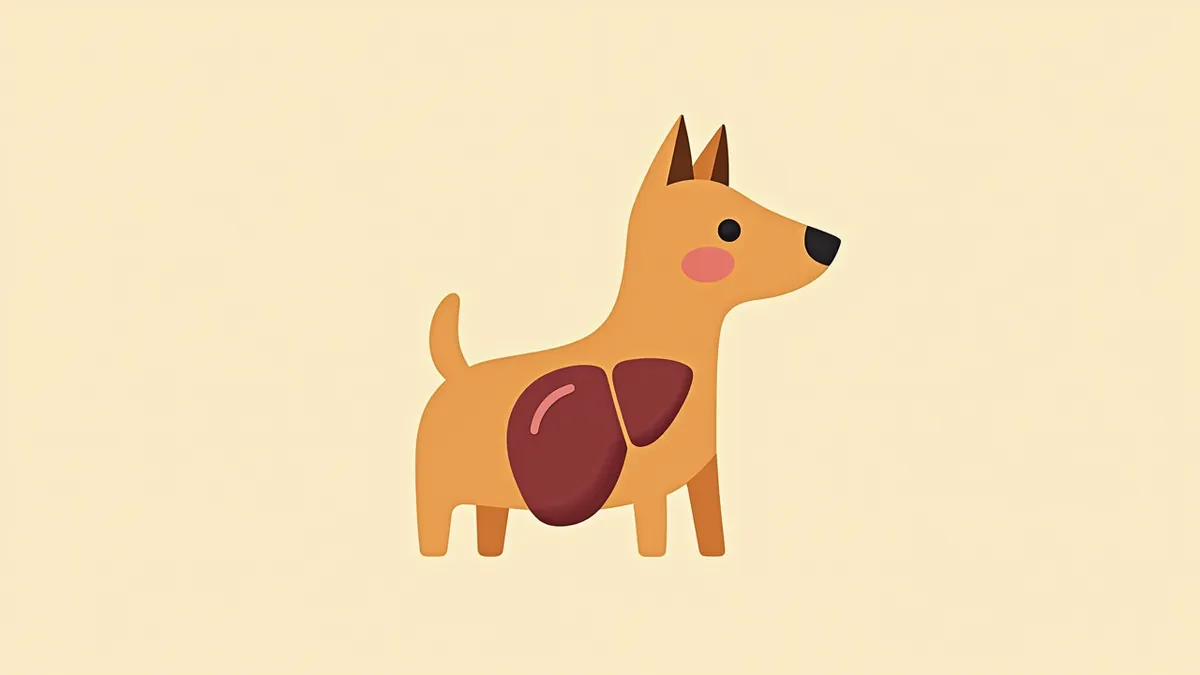
Diagram comparing a normal dog liver with an enlarged one
Hepatic enlargement, or hepatomegaly, in dogs refers to a condition where the liver is larger than normal. A normal-sized liver sits behind the rib cage and is usually not palpable, but when enlarged, it can be felt below the ribs or detected through imaging tests. The liver is a vital organ responsible for integrating various metabolic processes, including the metabolism of proteins, fats, and carbohydrates, as well as detoxification. However, an enlarged liver does not necessarily mean impaired function; many cases are asymptomatic, and when symptoms do occur, they typically reflect the underlying disease causing the enlargement. Causes vary widely and can include infectious or inflammatory diseases, metabolic disorders (such as fatty liver disease), medications or steroids, and tumors. In the early stages, there are often few to no symptoms, making early detection difficult. As the condition progresses, signs such as loss of appetite, vomiting, and jaundice may appear, so accurate diagnosis and identifying the underlying cause are key to effective treatment.

What Are the Main Causes of Hepatic Enlargement?
There are many possible causes of liver enlargement in dogs. - Infectious and inflammatory conditions: Inflammation of the liver, such as acute hepatitis, can lead to hepatomegaly. - Genetic and breed predispositions: Certain breeds, including Scottish Terriers, Border Terriers, Cocker Spaniels, Miniature Schnauzers, and Shetland Sheepdogs, may be more susceptible to liver disease. - Metabolic disorders: Metabolic abnormalities such as hepatic lipidosis (fatty liver disease) or steroid hepatopathy (vacuolar hepatopathy) can cause the liver to enlarge. - Medications and steroids: Some medications, including steroids, can place stress on the liver and result in hepatomegaly. - Hepatitis and tumors: Chronic hepatitis or infiltrative and primary tumors, such as lymphoma or hepatocellular carcinoma, may also be underlying causes. Accurate diagnosis typically requires blood tests, ultrasound, and biopsy.
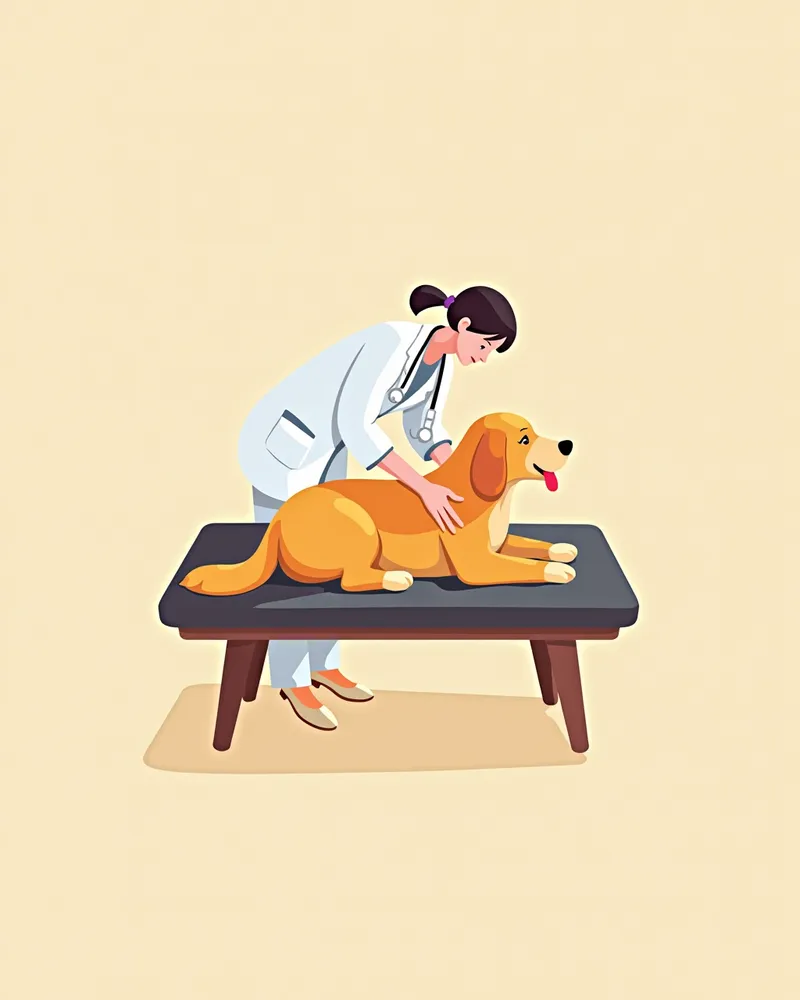
A veterinarian palpating a puppy's liver.

Main Symptoms of Hepatic Enlargement in Dogs

In the early stages, canine hepatic enlargement may show few or no symptoms. However, as the condition progresses, the following signs may appear. If you notice any of these symptoms, a veterinary visit is essential.
Loss of appetite: Due to impaired liver function, your dog may refuse food or experience a sudden decrease in appetite.
Recurrent vomiting: Gastrointestinal dysfunction can lead to frequent vomiting.
Weight loss: Impaired nutrient absorption can cause rapid weight loss.
Jaundice: The whites of the eyes or lips may turn yellow.
Abdominal distension: The abdomen may appear swollen as the liver enlarges.
Increased fatigue: Your dog may lie down and remain inactive throughout the day.
A puppy showing fatigue and jaundice due to liver enlargement

Signs Requiring Immediate Veterinary Visit

If your pet develops jaundice, persistent vomiting, loss of appetite, or decreased consciousness, seek veterinary care immediately, as these signs may indicate severe liver damage.

Diagnostic Tests for Accurate Diagnosis
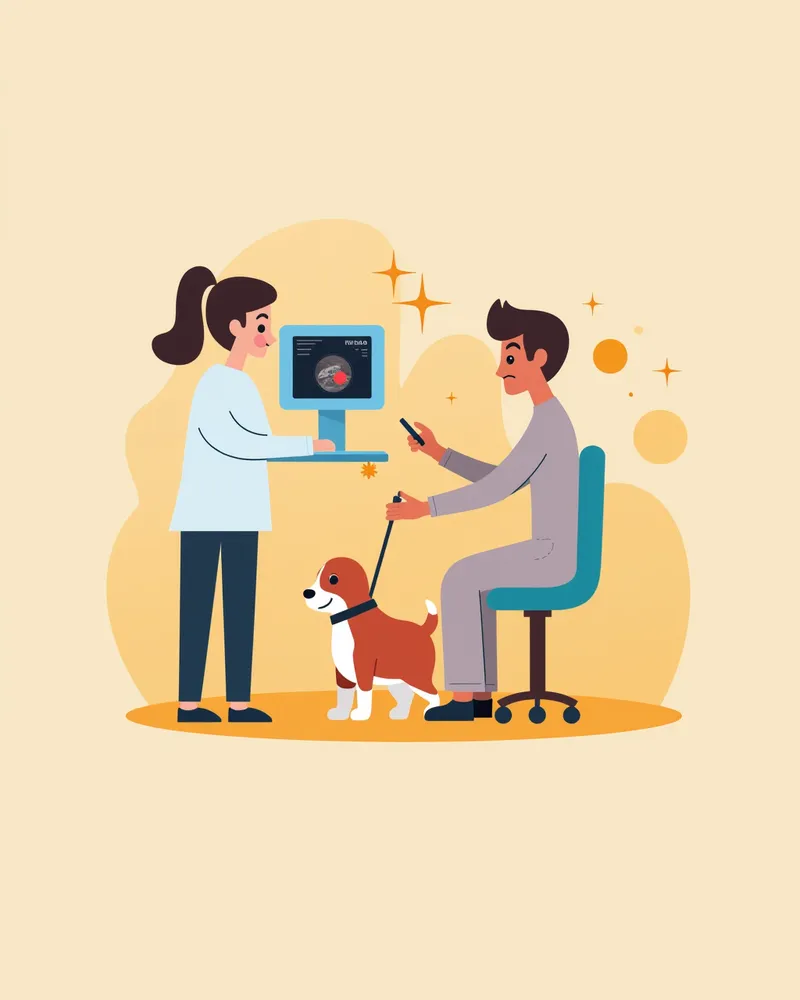
Diagnosing hepatic enlargement in dogs requires a comprehensive series of tests. - Blood tests: We check liver enzyme levels (such as ALT, AST, and ALP) to assess whether liver function is impaired. - Ultrasound: This allows us to visually evaluate the liver’s size, shape, and structure, helping to detect any abnormal lesions. - Liver biopsy: A tissue sample is collected to analyze the cause at the cellular level for precise diagnosis. - Imaging studies: CT or MRI scans may be used as additional tools in complex cases. - Medical history and dietary assessment: We conduct a thorough review of environmental factors, medication history, and eating habits. An accurate diagnosis is essential for determining the appropriate treatment plan.
A veterinarian performing an ultrasound examination of a puppy's liver.

Treatment Methods and Step-by-Step Management

Treatment depends on the underlying cause. - Infectious causes: Antibiotics or antiviral medications are administered to eliminate the pathogen. - Genetic disorders: Management focuses on symptom control using hepatoprotective agents and anti-inflammatory drugs. - Fatty liver disease: Dietary management and weight control help reduce the burden on the liver. - Liver damage: Hepatoprotective agents that support hepatocyte regeneration are used alongside nutritional supplements. - Regular monitoring: Work with your veterinarian to regularly check the condition through blood tests and ultrasounds. Treatment requires long-term management rather than short-term intervention.
A puppy eating special food for liver health

Home Care Points

Home care is the key to successful treatment. - Consistent medication: Never stop administering prescribed medications; strictly adhere to the scheduled times and dosages. - Prescription diet: Consistently provide a specialized diet designed to reduce the burden on the liver. - Dietary management: Avoid salty, fatty foods, and treats, ensuring a balanced diet. - Adequate hydration: Encourage frequent water intake to support liver function and promote the elimination of toxins. - Stress reduction: Minimize stress by maintaining a quiet environment and a consistent daily routine. - Regular check-ups: Monitor your pet’s condition with your veterinarian every 1 to 3 months.
A puppy resting comfortably in a calm, stable environment.

Breed-Specific Precautions and Relapse Prevention

Certain breeds—such as Scottish Terriers, Border Terriers, Cocker Spaniels, Miniature Schnauzers, and Shetland Sheepdogs—are more susceptible to liver disease. If your dog has a genetic or breed-related predisposition, regular veterinary check-ups are essential. To prevent relapse, never stop prescribed medications without your veterinarian’s guidance, and consistently maintain healthy lifestyle habits.

Reviewed by a veterinarian

Dr. Tony — Punnawat Phongkittirak

Dr. Tony — Punnawat Phongkittirak

Veterinarian

A veterinarian who majored in veterinary medicine at Khon Kaen University, Thailand, and completed the IVSA program at North Carolina State University in the United States. Drawing on clinical experience at animal hospitals, he works in the pet healthcare field and is dedicated to building a digital care environment that connects pet parents with veterinarians.

Frequently Asked Questions

Can canine hepatic hypertrophy be treated?
The likelihood of recovery depends on the underlying cause. If the condition is due to an infection or medication, it can often be resolved once the cause is removed. For genetic disorders, treatment focuses on managing symptoms, but proper care can help maintain a good quality of life.
Is there a genetic component to liver enlargement?
Yes, certain breeds have a genetic predisposition to liver disease. Scottish Terriers, Border Terriers, Cocker Spaniels, Miniature Schnauzers, and Shetland Sheepdogs, in particular, may be more susceptible to liver dysfunction. If there is a family history of liver issues, early screening is essential.
Why is special pet food necessary?
Specialized diets are formulated to reduce the burden on the liver while maintaining nutritional balance. They feature controlled protein quality and include ingredients that help eliminate toxins. Always use food recommended by your veterinarian.
Can liver enlargement be prevented?
While complete prevention is difficult, you can reduce the risk through regular check-ups, a proper diet, careful use of medications, and stress management. Early monitoring is especially important for high-risk breeds.
Is it okay to go for walks if my pet has an enlarged liver?
If your pet seems low on energy or fatigued, keep walks light and short. Excessive exercise can strain the liver, so adjust the amount of activity according to your veterinarian’s guidance.

Share

Related Guides

References

[1] Plumb's Veterinary Drug Handbook, 9th Edition, 2022. Wiley-Blackwell.

[2] Feldman, B. F., & Nelson, R. W. (2020). Canine and Feline Gastroenterology. Elsevier.

[3] American College of Veterinary Internal Medicine (ACVIM). (2021). Consensus Statement on Hepatic Disease in Dogs. Journal of Veterinary Internal Medicine, 35(4), 1234–1245.

This information is based on veterinary literature and does not replace diagnosis or treatment. Please consult a veterinarian for specific health concerns.

Metapet Co., Ltd. | CEO: Park Sung-yong | Business Reg. No. 417-88-02562 | Seoul, South Korea | Customer Center

Swollen Belly in Dogs: Hepatomegaly Causes & When to Treat | Meongsiljang