Like
Share
멍실장
강아지 단두종기도증후군 증상과 원인, 진단·치료와 관리 포인트 총정리

Brachycephalic Airway Syndrome in Dogs: Symptoms, Causes, Diagnosis, Treatment, and Care Essentials

RespiratoryDiseasesMeongsiljang Veterinary Advisory Board

We’ve compiled a comprehensive overview of Brachycephalic Airway Syndrome (BAS)—common in flat-faced breeds like French Bulldogs and Pugs—covering its symptoms, causes, diagnosis, surgical treatment, and home care, all based on veterinary textbooks.

What Is Brachycephalic Airway Syndrome in Dogs?
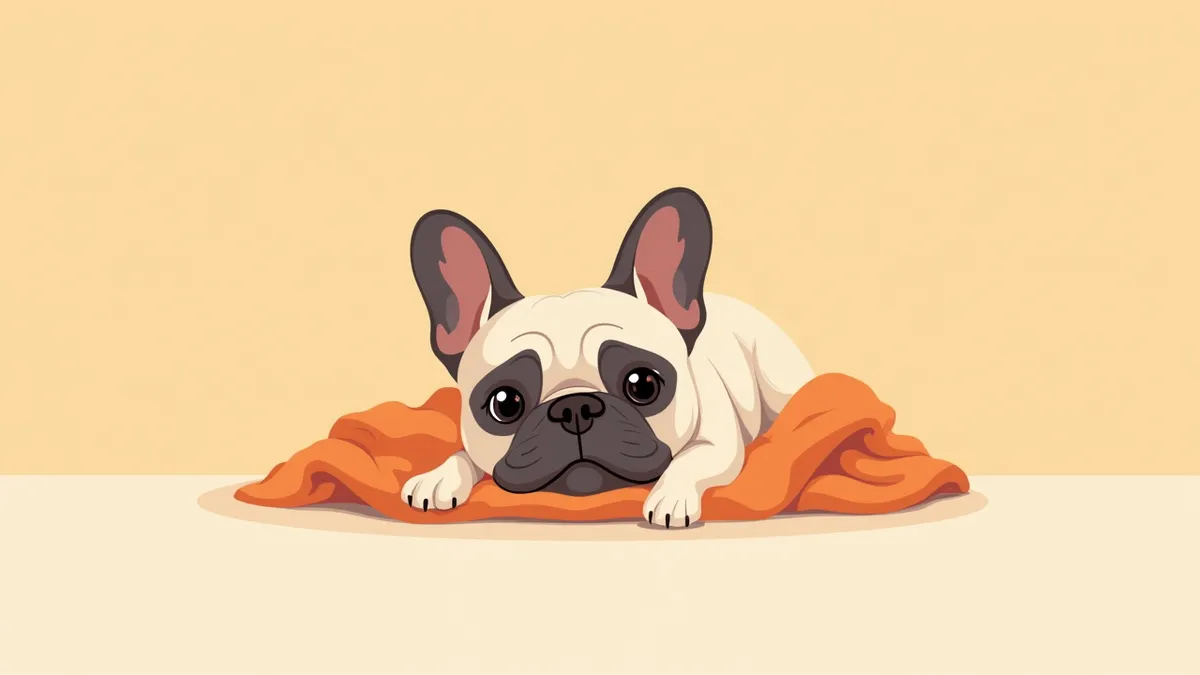
French Bulldogs with Brachycephalic Airway Syndrome
Brachycephalic airway syndrome is an upper airway malformation that affects dogs with flat-faced breeds, causing simultaneous narrowing of multiple airway structures such as the nostrils, soft palate, and trachea, which obstructs breathing. The most critical point to understand is that this "noisy breathing" is not a cute breed trait, but rather a sign of chronic oxygen deprivation. Early surgical correction can significantly improve your dog’s quality of life, so if you notice severe snoring or panting, it’s best to have your veterinarian evaluate them as soon as possible.

Causes of Brachycephalic Airway Syndrome — Four Airway Abnormalities

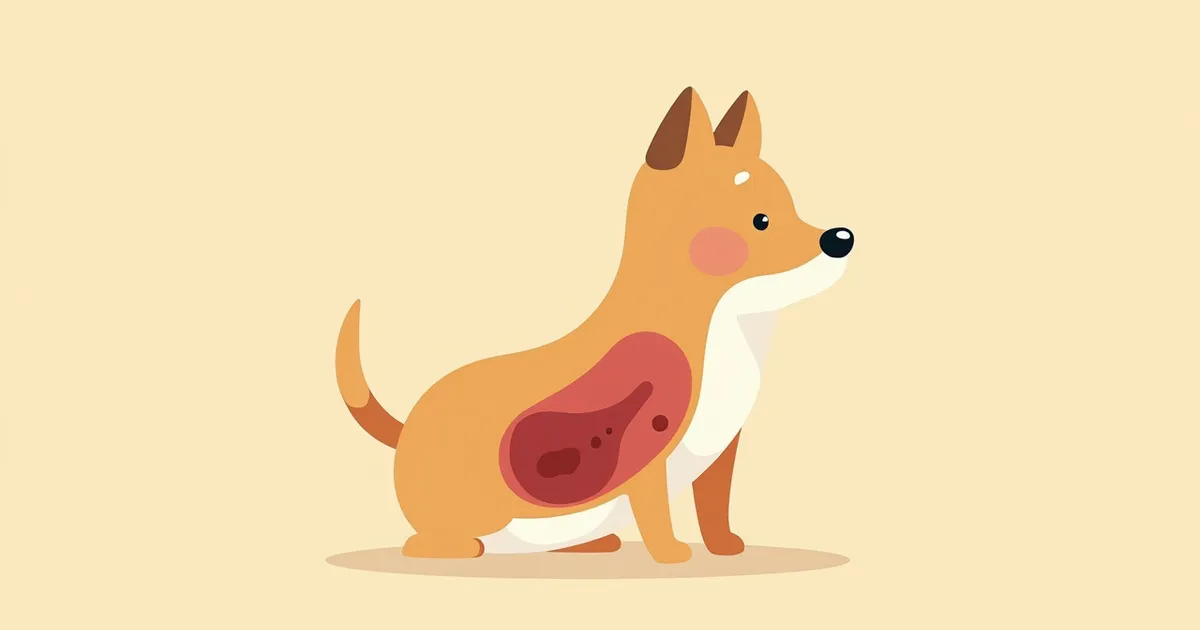
Brachycephalic airway syndrome occurs when selective breeding for shorter skulls results in a narrowed airway structure. Four anatomical abnormalities typically work together to cause this condition: Narrowed nostrils: The nostrils are constricted, limiting the amount of air that can enter. Elongated soft palate: The soft tissue at the back of the throat is too long, obstructing the airway. Tracheal hypoplasia: The trachea has a narrower diameter, reducing the volume of air reaching the lungs. Everted laryngeal saccules: Repeated negative pressure causes the laryngeal tissue to be pulled inward into the airway.

Key Symptoms Checklist You Should Not Miss

Snoring and Stertor: Loud breathing sounds persist even while sleeping or resting.
Exercise Intolerance: Tires quickly or collapses after only short walks.
Mouth Breathing and Tongue Protrusion: Breathes with mouth open and pants due to difficulty breathing through the nose.
Regurgitation and Vomiting: Increased airway pressure transmits to the esophagus, often causing vomiting after meals.
Sleep Apnea: Suddenly wakes up during sleep or experiences brief pauses in breathing.
Cyanosis: In severe cases, the gums and tongue turn bluish, signaling an emergency.
Pugs breathing through their mouths — a symptom of Brachycephalic Airway Syndrome

If You See These Symptoms, Go to an Emergency Veterinary Hospital Immediately

If your pet shows signs of cyanosis (bluish gums or tongue), severe respiratory distress with an open mouth and heavy panting, or confusion and collapse, immediate emergency care is required. These symptoms can worsen rapidly in hot summer conditions. Without delay, transport your pet to a 24-hour emergency animal hospital.

How Is Brachycephalic Airway Syndrome Diagnosed?

Diagnosis begins with a physical examination. The veterinarian directly inspects the structures of the nose, throat, and trachea, and uses radiographs to evaluate the tracheal diameter and lung condition. If a more precise assessment is needed, endoscopy (rhinoscopy or laryngoscopy) may be performed to directly examine the length of the soft palate and the status of the laryngeal saccules. CT scanning allows for a three-dimensional evaluation of the entire airway, making it particularly useful for surgical planning. Since both endoscopy and CT require anesthesia, these procedures are carried out after consultation with the veterinarian.

Widening the Airway with Surgery — Treatment Options Overview

The definitive treatment for brachycephalic airway syndrome is surgery, with the specific procedure tailored to the severity of symptoms. Nasal stenosis correction: Widens narrowed nostrils to reduce resistance during nasal breathing. Soft palate resection: Trims an elongated soft palate to open up the airway. Laryngeal saccule removal: Excises tissue that has prolapsed into the airway. Surgery is most effective when performed at a young age (6–12 months), as this helps minimize secondary airway damage. If your pet is overweight, losing weight before surgery can aid in recovery.
Brachycephalic puppies receiving airway treatment from a veterinarian

Home Care Points You Can Do at Home

Weight management: Excess weight puts extra strain on the airways. Monitor your pet’s weight regularly.
Avoid heat and humidity: Hot, humid conditions can trigger breathing emergencies. Air conditioning is essential during summer.
Adjust exercise intensity: Avoid brisk running and stick to short, gentle walks.
Reduce excitement: Breathing effort spikes when your pet is overly excited. Keep the environment calm and soothing.
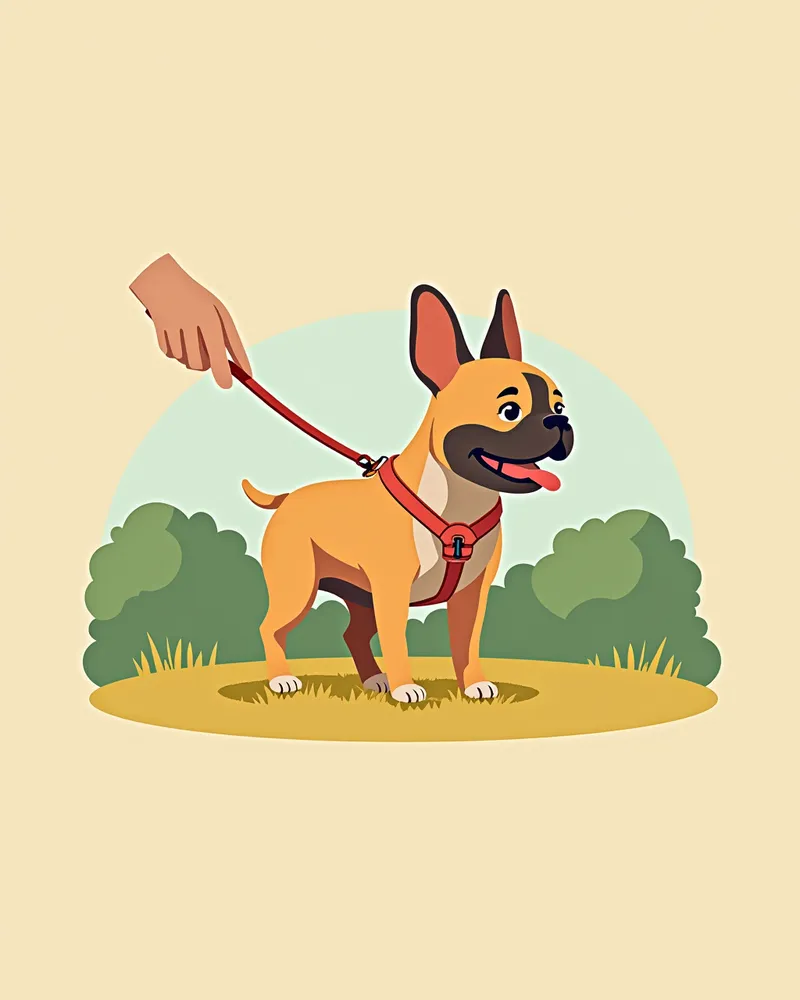
Use a harness: A harness instead of a collar allows for safe walks without putting pressure on the neck.
A French Bulldog walking while wearing a harness

High-Risk Breeds Prone to Brachycephalic Airway Syndrome

French Bulldogs, English Bulldogs, Pugs, Boston Terriers, Shih Tzus, Pekingese, Boxers, and Chinese Shar-Peis are among the breeds at highest risk. In these breeds, the skull is shortened, but the soft tissues do not reduce proportionally, making it easy for tissue to protrude into the airway. If you own one of these breeds, we recommend having an airway evaluation done at least once before your dog turns one year old, even if they show no symptoms. Subtle signs such as snoring (stertor) or exercise intolerance may be progressing gradually, even when your dog appears perfectly healthy on the surface.

Reviewed by a veterinarian

Dr. Tony — Punnawat Phongkittirak

Dr. Tony — Punnawat Phongkittirak

Veterinarian

A veterinarian who majored in veterinary medicine at Khon Kaen University, Thailand, and completed the IVSA program at North Carolina State University in the United States. Drawing on clinical experience at animal hospitals, he works in the pet healthcare field and is dedicated to building a digital care environment that connects pet parents with veterinarians.

Frequently Asked Questions

Will brachycephalic airway syndrome continue to worsen if left untreated surgically?
If left untreated, secondary airway damage can accumulate over time. In severe cases of laryngeal saccule eversion, surgical intervention may have limited effectiveness. Even if symptoms seem mild, it’s best to have your veterinarian evaluate your pet early on.
Will snoring completely stop after surgery?
Surgery significantly improves the condition, but it doesn’t fully restore normal anatomy. In most cases, breathing sounds decrease, and exercise capacity and sleep quality improve markedly. Even after surgery, it’s still important to avoid heat and manage your pet’s weight.
How can I tell if my pet’s severe snoring requires surgery?
If your cat snores, it might simply be due to their sleeping position. However, if they continue panting for a long time after exercise, frequently vomit after eating, or seem particularly uncomfortable in hot weather, a tracheal evaluation may be necessary. A quick physical examination at the vet can help determine the cause.
What’s the best age for a pet to have surgery?
Generally, the optimal window is between 6 months and 1 year of age. During this period, the tissues are more pliable, and secondary airway damage has not yet progressed, resulting in the best outcomes. However, because there are anesthesia risks involved, please consult with your veterinarian to determine the best course of action based on your pet’s individual health status.
Is it dangerous for brachycephalic dogs to fly in the cargo hold?
Cargo holds experience fluctuations in temperature and oxygen levels, making them extremely dangerous for brachycephalic breeds. In fact, many airlines prohibit brachycephalic dogs from traveling in cargo. If travel is unavoidable, choose an airline that allows pets in the cabin or consult with your veterinarian beforehand.

Share

Related Guides

References

[1] Schaer M, Gaschen FP. Clinical Medicine of the Dog and Cat, 4th Ed. CRC Press, 2022. Section III: Diseases of Specific Organ Systems.

[2] Ettinger SJ, Feldman EC, Côté E. Textbook of Veterinary Internal Medicine, 8th Ed. Elsevier, 2017. Chapter: Upper Respiratory Tract Disorders.

[3] Packer RMA, Tivers MS. Strategies for the management and prevention of conformation-related respiratory disorders in brachycephalic dogs. Vet Med (Auckl). 2015;6:219–232.

[4] Lodato DL, Hedlund CS. Brachycephalic airway syndrome: pathophysiology and diagnosis. Compend Contin Educ Vet. 2012.

This information is based on veterinary literature and does not replace diagnosis or treatment. Please consult a veterinarian for specific health concerns.

Metapet Co., Ltd. | CEO: Park Sung-yong | Business Reg. No. 417-88-02562 | Seoul, South Korea | Customer Center

Brachycephalic Airway Syndrome in Dogs: A Complete Guide | Meongsiljang