Like
Share
멍실장
고양이 포도막염 — FIV·FIP 동반 질환 진단 가이드

Feline Uveitis: A Potential Sign of FIV or FIP — Diagnostic Points for Comorbidities

Eye HealthDiseasesMeongsiljang Veterinary Advisory Board

Feline uveitis is not just a simple eye inflammation; it can be a sign of systemic infectious diseases like FIV or FIP. Here’s an overview of the diagnostic process and treatment approach.

What is Feline Uveitis?
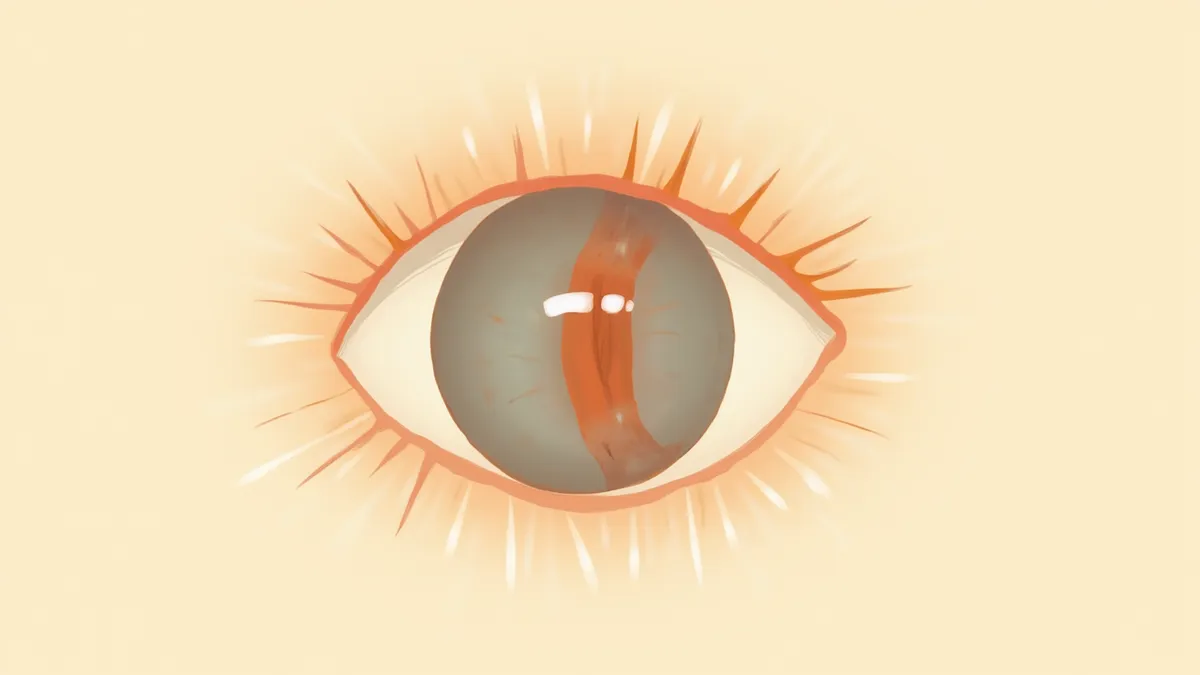
An anatomical cross-section illustration of a cat's eye showing the site of uveitis (inflammation of the uvea)
Feline uveitis is an inflammatory eye condition affecting the vascular tissue layer inside the eye, which includes the iris, ciliary body, and choroid. One key point to remember is that in a significant proportion of cases (approximately 40–70%), no specific cause is identified despite thorough investigation, leaving the diagnosis as "idiopathic." However, when a cause is found, it is not uncommon for systemic diseases such as FIV (feline immunodeficiency virus), FIP (feline infectious peritonitis), or toxoplasmosis to manifest with ocular signs. Moreover, some of these underlying causes may be treatable, pose zoonotic risks to human health, or even be life-threatening. Therefore, if you notice cloudiness or color changes in just one eye, do not dismiss it as simple conjunctivitis; it is safer to undergo a comprehensive systemic examination to identify the underlying cause.

Why Does It Occur? — Why Systemic Diseases Manifest in the Eyes

The uvea is a tissue with a rich blood supply, so viruses, bacteria, protozoa, and immune complexes circulating in the bloodstream can sometimes settle in the eye. In particular, FIP causes widespread vasculitis, leading to inflammation in the small blood vessels within the eye, and FIV is known as one of the systemic diseases associated with uveitis. Infections with Toxoplasma, Bartonella, and fungi are also well-known causes, and uveitis can also arise from issues within the eye itself, such as trauma, cataracts, or tumors. However, it is important to note that even after thorough examinations, the cause often remains unknown, making "idiopathic" the most common cause. Nevertheless, testing to identify the cause is essential, as there may be underlying systemic diseases that are treatable or that can also affect humans.

Key Symptom Checklist

Uveitis can be difficult for pet owners to detect in its early stages. If you notice any of the following signs, an ophthalmic examination is necessary. - Change in iris color: The iris appears duller than usual or differs in color in only one eye. - Cloudy cornea: The previously clear cornea looks bluish or hazy. - Conjunctival hyperemia: The white of the eye appears red with prominent blood vessels. - Pupillary asymmetry: The pupils differ in size or appear distorted. - Frequent blinking or squinting: Signs of pain or photophobia. - Tearing or purulent discharge: Increased eye discharge compared to normal.
A comparison photo of a healthy cat eye and an eye with uveitis

Go to the Vet Within 24 Hours If You See These Signs

If any of the following signs are present, the situation is close to an emergency. Uveitis can progress rapidly, leading to glaucoma or blindness within days. - Blood is visible inside the eye (anterior chamber hemorrhage) or a white, pus-like film appears. - One pupil is smaller than the other or does not react to light. - The eye suddenly appears bulging or feels hard to the touch (suspected glaucoma). - Systemic symptoms such as loss of appetite, weight loss, or abdominal distension are present (suspected FIP). - Fever, pale gums, or faster-than-normal breathing are observed.

How Is the Diagnosis Performed?

While uveitis itself can be diagnosed relatively quickly through an ophthalmic exam, identifying the underlying cause is the most critical step. The standard diagnostic workflow typically proceeds as follows: tonometry (eye pressure measurement), slit-lamp biomicroscopy, fundus examination, systemic blood work, and infectious disease PCR and antibody testing. If ascites or pleural effusion is present, we suspect Feline Infectious Peritonitis (FIP) and perform a fluid tap for comprehensive protein analysis and PCR testing. Standard testing panels also include antibody tests for FIV and FeLV, as well as serology for Toxoplasma (IgM/IgG) and Bartonella.

Comparison of Characteristics by Underlying Disease

ItemFIP (Feline Infectious Peritonitis)FIV (Immunodeficiency)Toxoplasmosis
Age of onsetMainly young cats under 3 yearsMiddle-aged or older in multi-cat environmentsRegardless of age
Uveitis patternBilateral, severe inflammation, anterior chamber hemorrhage commonChronic, recurrent, secondary-infection relatedChorioretinitis commonly accompanies
Accompanying systemic symptomsAscites/pleural effusion/fever/jaundiceStomatitis/chronic respiratory infectionFever/muscle pain/liver disease
Main diagnostic testsEffusion PCR/protein analysisFIV antibody testIgM/IgG antibody/PCR
Treatment responseImproves with GS-441524 antiviralFocused on secondary-infection managementResponds well to clindamycin

The table above is a summary to help general guardians understand; actual differentiation requires veterinary testing.

How Is Treatment Conducted?
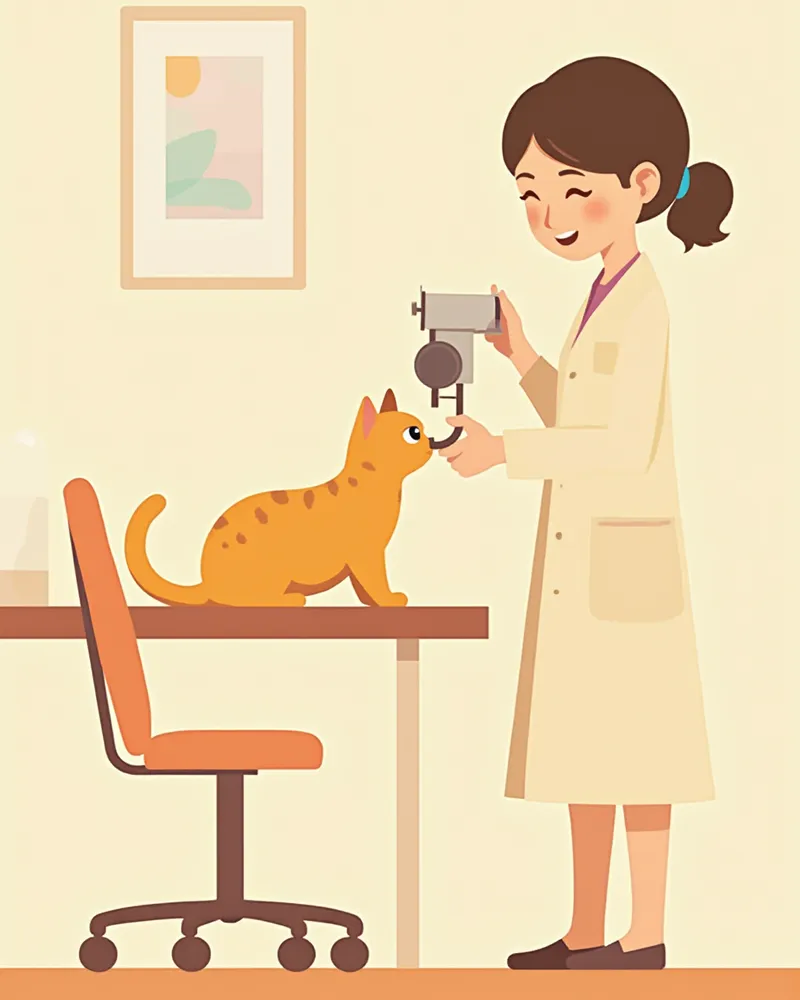
Treatment proceeds along two parallel tracks. First, local therapy targets the eye itself to reduce inflammation, using steroid or non-steroidal anti-inflammatory eye drops and mydriatics. Second, systemic therapy addresses the underlying cause directly: if feline infectious peritonitis (FIP) is confirmed, GS-441524-class antivirals are used; for toxoplasmosis, clindamycin is prescribed; and for bacterial infections, appropriate antibiotics are administered. If intraocular pressure is elevated, glaucoma treatment is added, and pain medication is provided for severe discomfort. The specific medications and duration of treatment are determined by your veterinarian based on your pet’s weight, the underlying cause, and the severity of the condition.
A cat undergoing an ophthalmic examination at a veterinary clinic

Home Care Points to Keep in Mind

Home care during treatment plays a major role in how quickly your pet recovers. - Stick to the eye drop schedule: Keeping to the prescribed intervals helps reduce the risk of inflammation recurring. - Block out bright light: Since bright light can cause pain and glare, please provide a dark, quiet space for rest. - Separate from other pets: If your cat is FIV-positive, keep food bowls and litter boxes separate in a multi-cat household. - Track appetite and weight: With FIP, changes in weight can be an early warning sign. - Keep up with follow-up appointments: Many changes in eye pressure and inflammation aren’t noticeable to pet owners, so regular check-ups are essential.

Preventing Recurrence and Complications

Uveitis tends to recur if the underlying cause remains, even after an initial episode has been treated. In particular, infectious causes such as FIV, FIP, and toxoplasmosis often follow a chronic or relapsing course, making regular ophthalmic examinations essential. Potential complications include secondary glaucoma, cataracts, retinal detachment, and blindness, all of which can develop following inflammation. The recommended interval for check-ups varies depending on the severity of the inflammation, any concurrent diseases, and the response to treatment. Therefore, we recommend consulting with your veterinarian to establish a consistent follow-up schedule that includes intraocular pressure measurements and fundus examinations.

Reviewed by a veterinarian

Dr. Tony — Punnawat Phongkittirak

Dr. Tony — Punnawat Phongkittirak

Veterinarian

A veterinarian who majored in veterinary medicine at Khon Kaen University, Thailand, and completed the IVSA program at North Carolina State University in the United States. Drawing on clinical experience at animal hospitals, he works in the pet healthcare field and is dedicated to building a digital care environment that connects pet parents with veterinarians.

Frequently Asked Questions

Should I still have my pet undergo a full-body checkup even if uveitis is present in only one eye?
Yes, it is recommended. Unless there is a clear traumatic injury, starting with one eye can still indicate systemic diseases such as FIP or toxoplasmosis. It is safer to also conduct blood and infectious disease tests.
Does a diagnosis of FIP always lead to blindness?
That’s not true. With the recent introduction of GS-441524-based antiviral treatments, there are more cases of preserved vision. However, the later the diagnosis, the worse the visual prognosis.
Can eye drops alone treat the condition?
If the uveitis is traumatic and not caused by an underlying disease, it may be manageable; however, if it is infectious or immune-mediated, systemic treatment is also necessary to prevent recurrence.
I have multiple cats at home, and only one has developed uveitis. Should the other cats also be tested?
If the cause is an infectious disease like FIV or FIP, other cats living in the same household should also be tested. This is especially important if they share litter boxes or food and water bowls.
How often should my pet have a routine check-up?
There’s no one-size-fits-all formula; the frequency depends on the severity of inflammation, the underlying disease, and how your pet responds to treatment. Your veterinarian will typically start with more frequent check-ups and gradually space them out as your pet stabilizes. For pets with chronic conditions like FIV, FIP, or toxoplasmosis, more frequent monitoring is generally safer.

Share

Related Guides

References

[1] Clinical Medicine of the Dog and Cat, 4th Edition — Feline Infectious Peritonitis chapter

[2] The Cat, Clinical Medicine and Management, 2nd Edition — Ocular manifestations of systemic feline disease

[3] Fundamentals of Veterinary Clinical Pathology, 3rd Edition — Effusion analysis in FIP

[4] Textbook of Cardiovascular Medicine in Dogs and Cats — FIP systemic vasculitis section

This information is based on veterinary literature and does not replace diagnosis or treatment. Please consult a veterinarian for specific health concerns.

Metapet Co., Ltd. | CEO: Park Sung-yong | Business Reg. No. 417-88-02562 | Seoul, South Korea | Customer Center

Feline Uveitis: A Possible Sign of FIV or FIP | Meongsiljang