Like
Share
멍실장
곰팡이성 피부염 사람 감염(링웜 인수공통)

Fungal Dermatitis (Ringworm) in Humans and Pets (Zoonotic)

Skin & CoatDiseasesMeongsiljang Veterinary Advisory Board

Fungal dermatitis (ringworm) in dogs and cats is a zoonotic skin disease that can also be transmitted to humans. I’ll walk you through how it spreads, the symptoms to watch for, and how to manage it at home.

What is Zoonotic Ringworm Infection?
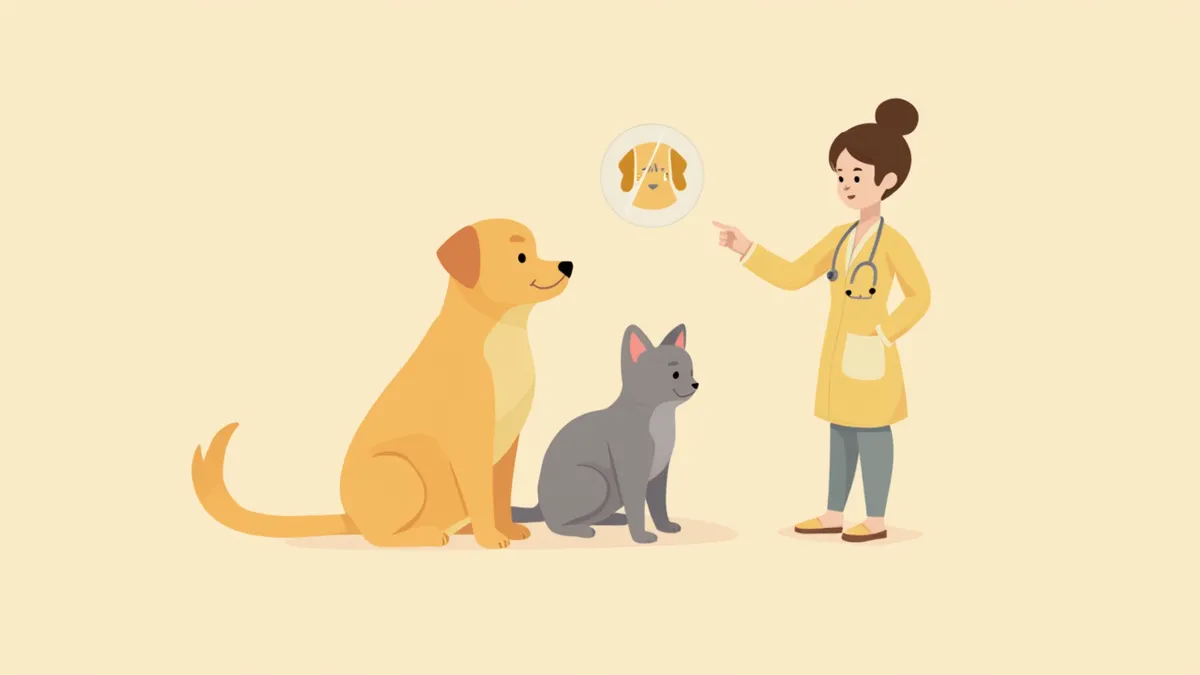
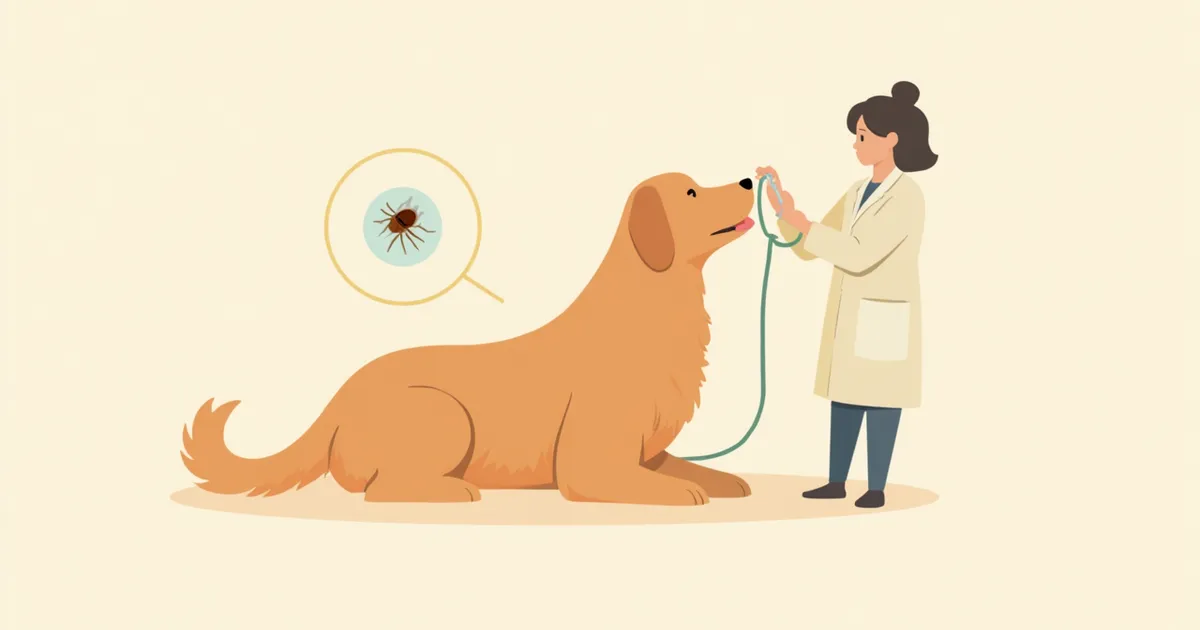
An illustration showing a veterinarian explaining circular hair loss areas in dogs and cats.
Ringworm is a zoonotic fungal infection caused by dermatophytes that live in the keratinized tissues of dogs and cats, such as hair, skin, and nails, and can spread to humans, causing circular rashes on the skin. The most important thing is early isolation and simultaneous treatment. If you notice circular hair loss or dandruff in your pet, you may also develop red, ring-shaped spots on your arms, neck, or face. Therefore, having both humans and animals receive veterinary and medical care at the same time leads to the fastest recovery. While ringworm is generally a non-fatal condition that responds well to treatment and resolves completely in healthy individuals, children, the elderly, and immunocompromised individuals may experience longer treatment periods if infected, so prompt action is recommended.

Causes and Transmission Routes

Ringworm is primarily caused by two species, Microsporum canis and Trichophyton mentagrophytes, which account for nearly all cases in dogs and cats. Cats are the most common carriers, and it is quite common for them to be asymptomatic carriers, harboring spores in their fur without showing any skin symptoms. Since dermatophytes are not normal resident flora on healthy skin, spores may simply be present on the hair without active infection. Transmission occurs not only through direct contact with infected animals but also indirectly via contaminated items such as blankets, brushes, sofas, and carpets that have come into contact with infected hair or dander. Because fungal spores can survive in the environment for long periods, any contaminated area must be thoroughly disinfected, following the principle of disinfecting everything that can be washed.

Symptoms in Humans and Pets

Ringworm can present slightly differently in people and animals. Check the list below to see if any of these signs apply.
Symptoms in pets: The most common signs are circular (localized to multiple) patches of hair loss, increased scaling and dandruff, brittle or broken hairs, and changes to the nails or surrounding skin. These lesions frequently appear on the face, around the eyes, on the ears, and on the front legs.
Symptoms in people: A red, ring-shaped rash may develop on the arms, neck, or face, with a clearly defined border and a lighter-colored center. Itching varies from person to person, ranging from severe to barely noticeable.
Shared warning sign: If multiple family members develop similar-looking rashes around the same time, suspect ringworm infection in your pet first.
Asymptomatic carriers: Even without visible symptoms, some animals can carry ringworm spores on their fur, acting as asymptomatic carriers.
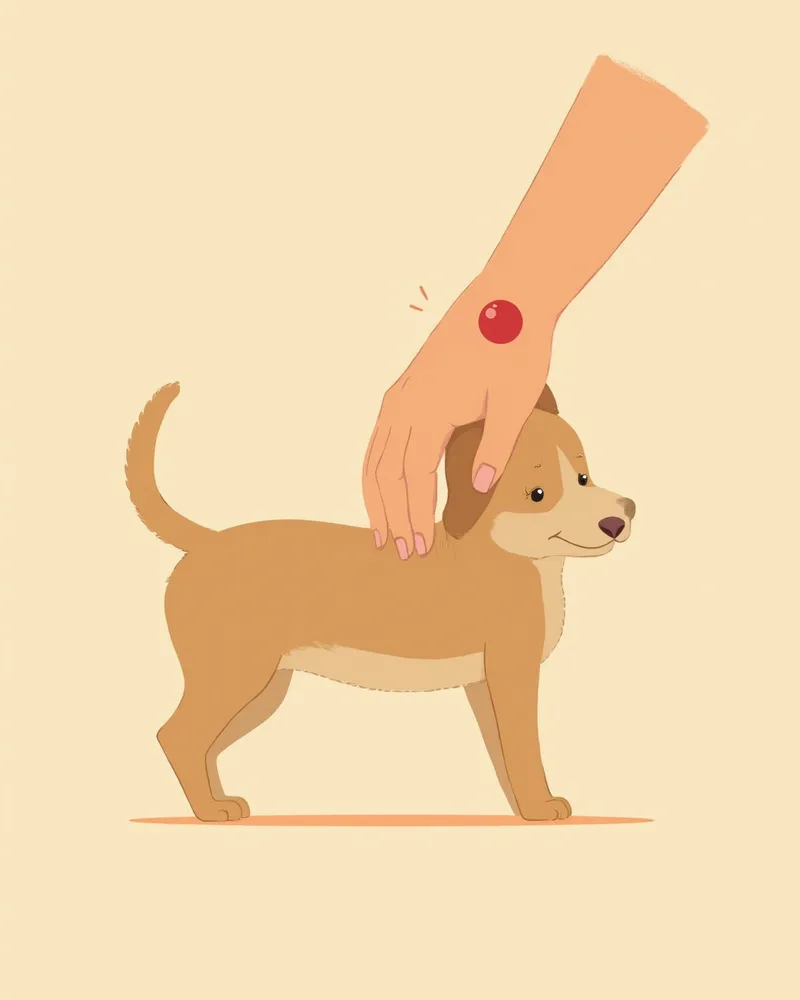
An illustration comparing a dog's ringworm with a ring-shaped rash on a human arm.

When to Visit the Clinic Immediately

If any of the following apply, it’s best to visit both a human dermatologist and a veterinary clinic within the same week: if you live with a child under five, a pregnant person, or someone undergoing cancer treatment and notice ringworm in your pet; if the rash spreads to multiple areas of the body within two weeks; if there is pus or discharge (indicating a secondary bacterial infection); or if the lesions appear on the scalp or whisker area, causing hair loss. Relying solely on over-the-counter ointments and delaying care can lead to secondary bacterial infections or prolong recovery, especially in immunocompromised individuals, so early veterinary consultation is recommended.

How is it Diagnosed?

Diagnosing ringworm isn’t a one-test process; it requires a combination of methods. First, we use a Wood’s lamp to examine the fur for an apple-green fluorescence. Next, we perform a direct hair examination (trichogram) to observe spores and hyphae inside the hair shaft under a microscope. While the fungal culture test (DTM) is the most accurate, it takes 2 to 3 weeks to get results. According to textbooks, the primary fungus that fluoresces under a Wood’s lamp is Microsporum canis. Approximately 50–80% of M. canis isolates show fluorescence, but a negative result doesn’t rule out ringworm. Therefore, we recommend running a culture test alongside the Wood’s lamp examination. For humans, dermatologists can quickly confirm the diagnosis using a KOH test.

How is it Treated?

Treatment requires three simultaneous approaches: topical therapy, systemic therapy, and environmental disinfection. Topical therapy is just as important as systemic therapy because it is the only way to eliminate spores that cling to the fur and cause transmission.
Topical therapy: Bathe the entire body twice a week with antifungal shampoo and rinse (a combination of miconazole and chlorhexidine). If the affected area is small, apply an antifungal cream.
Systemic therapy: Administer oral antifungal medications such as itraconazole or ketoconazole. The veterinarian will determine the dosage and duration based on the pet’s weight (mg/kg). To improve absorption, give the medication with food. Consistent administration over several weeks is usually required.
Criteria for ending treatment: Treatment should not stop just because symptoms disappear. Continue therapy until clinical and cytological evidence confirms complete recovery, with fungal culture used for reconfirmation if necessary.
An illustration of a pet owner bathing their puppy with medicated shampoo

Essential Home Care Points

Environmental disinfection is half the battle in treatment. Spores are not easily removed by vacuuming or laundry alone.
Isolation: Confine infected animals to a single room with simple flooring, separating them from other pets.
Laundry: Wash bedding and towels in hot water at 60°C or higher; using a dryer on high heat is the most effective method.
Disinfection: Clean floors and cages with a 1:10 dilution of chlorine-based bleach (do not use on fabrics or sofas).
Contact: Caregivers should wear gloves and dedicated clothing, and always wash their hands with soap after contact.
Family Management: If symptoms are suspected in household members, use separate towels and pillows.

Preventing Recurrence and Breeds Requiring Special Attention

Long-haired cat breeds like Persians and Himalayans have dense, thick coats that can harbor fungal spores for extended periods, so they require extra care. Small long-haired dog breeds such as Yorkshire Terriers and Maltese also need regular grooming and close monitoring of their ears and the spaces between their toes. In multi-pet households, treating just one animal is insufficient because the infection can be retransmitted from other carriers; therefore, it is essential to test and treat all cohabiting pets. If asymptomatic carriage is suspected, bathe the pet with an antifungal shampoo and then perform a culture test to confirm the status. Even after treatment is complete, continuing antifungal shampoo baths for a specified period as directed by your veterinarian can help reduce the risk of recurrence.

Reviewed by a veterinarian

Dr. Tony — Punnawat Phongkittirak

Dr. Tony — Punnawat Phongkittirak

Veterinarian

A veterinarian who majored in veterinary medicine at Khon Kaen University, Thailand, and completed the IVSA program at North Carolina State University in the United States. Drawing on clinical experience at animal hospitals, he works in the pet healthcare field and is dedicated to building a digital care environment that connects pet parents with veterinarians.

Frequently Asked Questions

How easily does ringworm spread to humans?
The infection can spread through direct contact with an infected animal, as well as indirect contact via contaminated items like blankets, sofas, or carpets that have come into contact with the animal’s fur. However, simple hygiene practices such as handwashing and disinfection can significantly reduce the risk of transmission. Children, the elderly, pregnant women, and immunocompromised individuals may experience longer recovery times if infected, so please ensure strict isolation and thorough disinfection measures are in place.
How long does it take for a person to recover after becoming infected?
This is a non-life-threatening condition that responds well to treatment and can be fully cured, so there’s no need to worry too much. In healthy adults, it usually improves with topical antifungal cream, but if the affected area is large or involves the scalp or beard area, oral medication may be necessary, and the treatment period could be longer. For an accurate diagnosis and proper treatment, consulting a dermatologist is the best option.
Can asymptomatic pets transmit diseases to humans?
Yes, it can be transmitted. In particular, cats often carry ringworm spores on their fur without showing any skin symptoms, a condition known as asymptomatic carriage. If someone in your household develops a ring-shaped rash while your pet appears healthy, it’s a good idea to have your veterinarian perform a fungal culture test.
Can I still sleep with my pet while they’re undergoing treatment?
During the first two to three weeks of treatment, it’s best to avoid sharing your bed or sofa with your pet. If fungal spores get on bedding or upholstery, the risk of reinfection increases significantly. Even after treatment is underway and symptoms have subsided, we recommend keeping some distance until complete recovery is confirmed through clinical and cytological evaluation.
Are there any vaccines or preventive medications available?
There are no commercially available ringworm prevention vaccines in Korea. The most effective preventive measures include conducting an initial health check for newly adopted pets, regularly monitoring skin condition through grooming, and washing hands after direct contact with stray cats or dogs. In multi-cat households, a two-week isolation period for new arrivals before introducing them to existing pets is essential.

Share

Related Guides

References

[1] Hill P., Dermatophytosis, 100 Top Consultations in Small Animal General Practice, Ch. 34

[2] BSAVA Manual of Canine and Feline Dermatology, 4th Edition, Dermatophytosis Chapter

[3] Clinical Medicine of the Dog and Cat, 4th Edition, Dermatophytosis Section

[4] Clinical Atlas of Canine and Feline Ophthalmic Disease, 2nd Edition

This information is based on veterinary literature and does not replace diagnosis or treatment. Please consult a veterinarian for specific health concerns.

Metapet Co., Ltd. | CEO: Park Sung-yong | Business Reg. No. 417-88-02562 | Seoul, South Korea | Customer Center

Fungal Dermatitis (Ringworm): Zoonotic Risk for Pets & People | Meongsiljang