Like
Share
멍실장
고양이 만성신장병 증상과 원인, 진단·치료와 관리 포인트 총정리

My Cat Has Lost Weight and Is Vomiting — Causes of Chronic Kidney Disease and When to Visit the Vet

KidneyDiseasesMeongsiljang Veterinary Advisory Board

Chronic kidney disease is the most common progressive condition in senior cats. We’ve compiled a comprehensive, textbook-based overview covering everything from early symptoms and diagnostic methods to treatment and at-home care.

What Is Feline Chronic Kidney Disease?

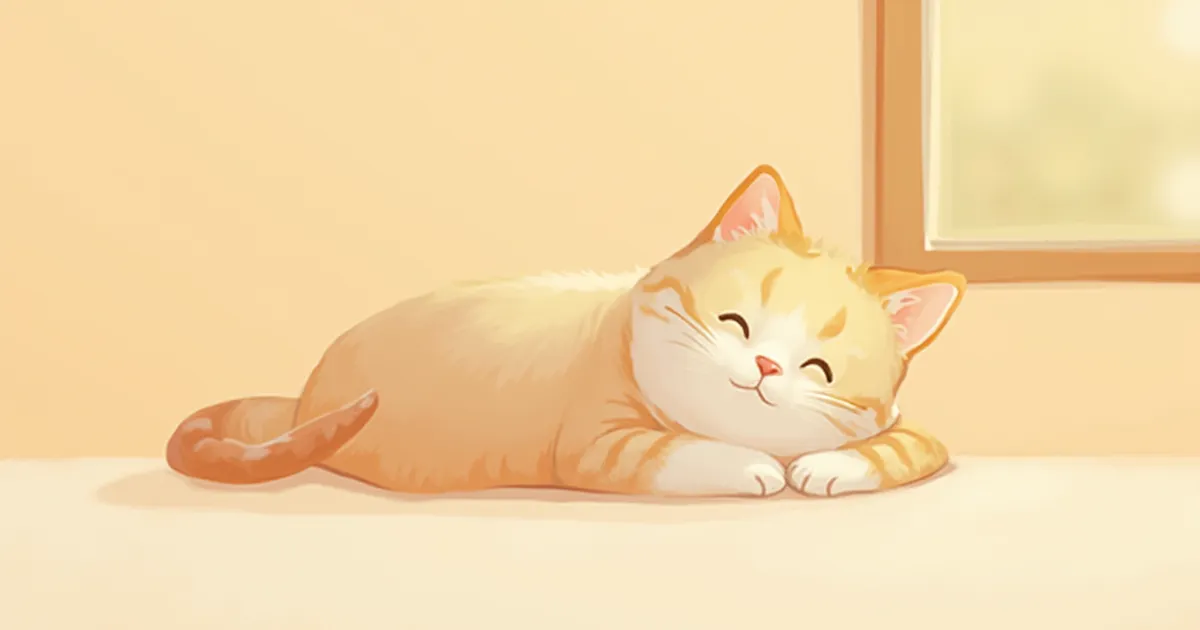
An elderly cat basking in the sunlight by the window
Feline chronic kidney disease (CKD) is a progressive condition characterized by the gradual, irreversible loss of kidney function. Once kidney tissue is damaged, it cannot regenerate, and the prevalence of CKD increases with age, making it a very common condition in senior cats. Crucially, cats often appear clinically normal even when their kidneys are significantly impaired. As a result, by the time obvious symptoms emerge, the disease has often already progressed. Veterinary textbooks emphasize that prognosis improves with early diagnosis and correction of contributing factors, making regular blood and urine tests the most reliable way to detect CKD at an early stage.

Main Causes of Feline Chronic Kidney Disease

The causes of chronic kidney disease are rarely a single factor; instead, they often involve a complex interplay of multiple elements. According to veterinary internal medicine textbooks, the primary causes include the following:
Chronic tubulointerstitial nephritis: This is the most common cause, though the specific underlying trigger is often difficult to identify.
Ureteral calculi (hydronephrosis): Stones can obstruct urine flow, leading to hydronephrosis and subsequent kidney damage.
Hereditary polycystic kidney disease (PKD): This is a prominent genetic cause, particularly prevalent in Persian cats.
Recurrent bacterial infections: Repeated episodes of pyelonephritis can progress to chronic kidney damage.
Other causes: Tumors (primarily lymphoma), hypercalcemia, and hypokalemic nephropathy can also contribute to the disease.

Checklist of Early Symptoms That Are Easy to Miss

If you notice any of the following symptoms, suspect kidney dysfunction and have your pet tested.
Drinking more water: Polydipsia (excessive thirst) is a sign that the kidneys have lost their ability to concentrate urine.
Increased urine volume: If your pet is going to the litter box more frequently and the clumps are larger, suspect polyuria (excessive urination).
Decreased appetite: Uremia often causes nausea, leading to skipped meals.
Weight and muscle loss: This occurs alongside reduced appetite and decreased protein utilization.
Vomiting and bad breath: A buildup of urea can cause vomiting or an ammonia-like odor from the mouth.
Cats drinking excessive amounts of water — an early sign of chronic kidney disease

Go to the Vet Immediately If You See These Symptoms

The following symptoms may indicate a sudden worsening of kidney function. You must take your pet to a veterinary clinic within 24 hours. • Complete refusal to eat or drink for more than 24 hours • Vomiting three or more times in one day • Staggering, seizures, or decreased level of consciousness • Inability to urinate at all • Extreme lethargy and lack of focus in the eyes

Diagnostic Methods — How Is It Confirmed?

Diagnosing chronic kidney disease primarily relies on blood and urine tests. Following guidelines from the International Renal Interest Society (IRIS), we classify the condition into stages 1 through 4 based on serum creatinine levels to determine the appropriate management plan.
Blood tests: We assess kidney filtration function by measuring creatinine and BUN (blood urea nitrogen) levels.
Urine tests: If urine specific gravity (USG) remains low despite dehydration, it suggests impaired kidney function.
SDMA test: This blood marker reflects kidney dysfunction at a relatively early stage, aiding in early detection.
Ultrasound examination: We check for abnormalities in size and shape, such as a small or irregularly shaped kidney, as well as the presence of stones.
Blood pressure measurement: Hypertension is a common complication of chronic kidney disease (reported in up to 60% of cases), so we monitor it alongside other indicators.

Treatment — Management Strategies by Stage
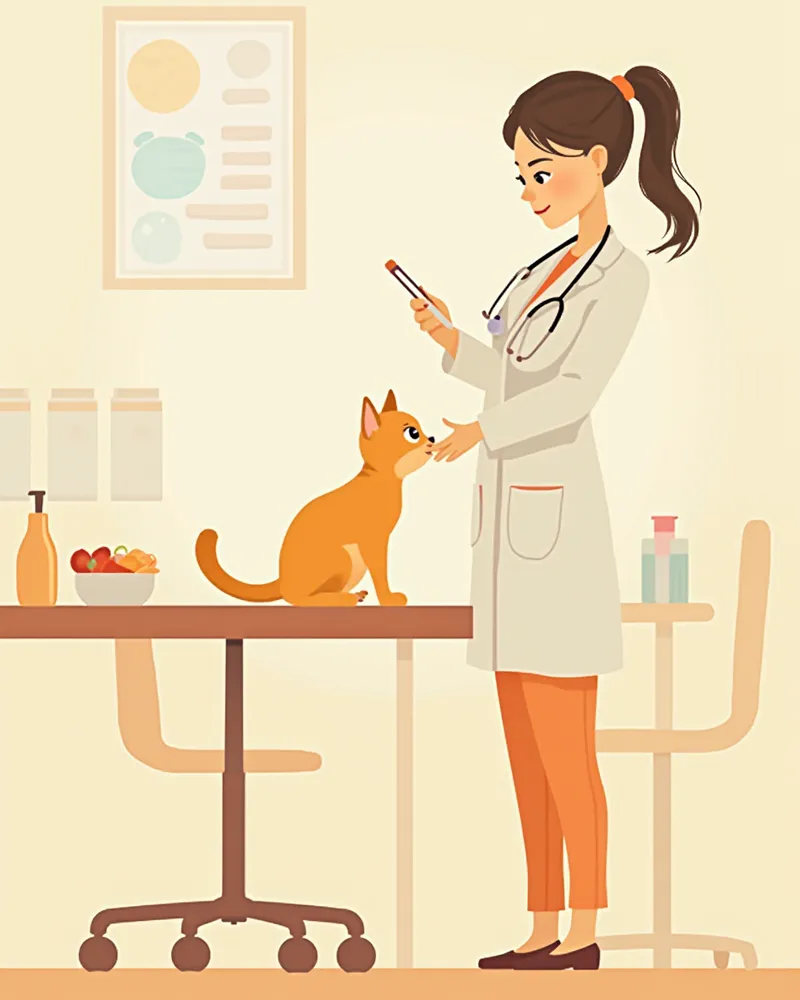
The goal of managing chronic kidney disease is not a cure, but rather slowing the progression of the condition. The treatment approach varies depending on the stage and the patient's specific condition.
Prescription kidney diet: Diets restricted in phosphorus are the most effective for protecting kidney function. These must only be used under veterinary prescription.
Hydration support: Encourage adequate water intake through wet food or water fountains.
Subcutaneous fluid therapy: For intermediate stages and beyond, owners can learn how to administer fluids at home.
Phosphate binders: If dietary management alone is insufficient to control phosphorus levels, the veterinarian will prescribe additional medication.
Blood pressure management: If high blood pressure is present, medications are used to slow the rate of kidney damage.
A cat being examined by a veterinarian at an animal hospital.

At-Home Care Points You Can Do at Home

Consistent daily care at home is just as important as medical treatment.
Increase water intake: Place water bowls in multiple locations or use a pet water fountain. Increasing the proportion of canned food in their diet naturally boosts hydration.
Monitor daily food intake: Contact your veterinarian immediately if your pet skips meals for two days or more.
Record weight weekly: Rapid weight loss is a sign of worsening condition. Keeping a record makes it easier to share updates with your vet.
Maintain regular check-ups: Depending on the disease stage, blood and urine tests should be performed every 1 to 3 months.
Minimize stress: A quiet and stable environment helps support kidney function.
A cat drinking water from a fountain — Managing kidney disease at home

Breed-Specific Precautions & Tips to Prevent Relapse

Persian cats have a higher incidence of hereditary polycystic kidney disease (PKD), so they require regular check-ups starting at an earlier age. Additionally, Abyssinian and Siamese cats have been reported to have hereditary kidney diseases such as renal amyloidosis, so it's important to monitor them closely as well. Regardless of breed, senior cats should have their kidney values checked every six months. For cats already diagnosed with kidney issues, consistent management through prescription diets, hydration, and regular check-ups is key to preventing further deterioration.

Reviewed by a veterinarian

Dr. Tony — Punnawat Phongkittirak

Dr. Tony — Punnawat Phongkittirak

Veterinarian

A veterinarian who majored in veterinary medicine at Khon Kaen University, Thailand, and completed the IVSA program at North Carolina State University in the United States. Drawing on clinical experience at animal hospitals, he works in the pet healthcare field and is dedicated to building a digital care environment that connects pet parents with veterinarians.

Frequently Asked Questions

Can chronic kidney disease in cats be cured?
Unfortunately, a complete cure is unlikely because once kidney tissue is damaged, it cannot regenerate. However, with proper dietary management and treatment, the progression of the disease can be significantly slowed. Many cats maintain a good quality of life for years after diagnosis.
Can I administer subcutaneous fluids at home?
Yes, once a veterinarian teaches you the technique, you can do it at home. It may feel challenging at first, but it becomes easy once you get used to it. Many pet owners use this method because it allows for stable hydration without the need for regular hospitalization.
My pet refuses to eat their kidney prescription diet. What should I do?
Sudden changes can cause strong resistance. It’s more effective to gradually transition by mixing small amounts of the prescription food with your pet’s current diet over 2–3 weeks. If your pet still refuses to eat it, try a different brand of prescription food or a canned version, and consult your veterinarian.
Is it okay to feed regular canned food?
While wet food offers better hydration than dry kibble, standard canned foods with high phosphorus levels can worsen kidney damage. Prescription renal diets in canned form are much safer. Always consult your veterinarian to choose the right product.
Should cats with chronic kidney disease continue to receive vaccinations?
Yes, preventing infectious diseases is important even if your pet has kidney disease. However, the vaccination schedule and type of vaccine may need to be adjusted based on their immune status and kidney function. It’s best to consult with your veterinarian to create a customized vaccination plan.

Share

Related Guides

References

[1] Langston CE, Eatroff AE. Chronic Kidney Disease. In: Silverstein DC, Hopper K (eds). Small Animal Critical Care Medicine, 3rd Ed. Elsevier Saunders, 2023.

[2] Little SE (ed). The Cat: Clinical Medicine and Management, 2nd Edition. Elsevier Saunders, 2023. Chapter 35: Urinary Tract Disease — Chronic Kidney Disease.

[3] Herring I. The Veterinary Workbook of Small Animal Clinical Cases. CABI, 2023. Case 28.

This information is based on veterinary literature and does not replace diagnosis or treatment. Please consult a veterinarian for specific health concerns.

Metapet Co., Ltd. | CEO: Park Sung-yong | Business Reg. No. 417-88-02562 | Seoul, South Korea | Customer Center

Cat Losing Weight & Vomiting? Chronic Kidney Disease Signs | Meongsiljang