Like
Share
멍실장
고양이 심내막염 증상과 원인, 진단·치료와 관리 포인트 총정리

If Your Cat Keeps Having a Fever — Causes of Endocarditis and Timing for Treatment

HeartDiseasesMeongsiljang Veterinary Advisory Board

Feline endocarditis is a condition in which bacteria invade the heart valves and cause inflammation, making early detection the key to successful treatment. Although the symptoms are nonspecific, they can lead to serious complications.

Feline Endocarditis Is a Bacterial Inflammation of the Heart Valves
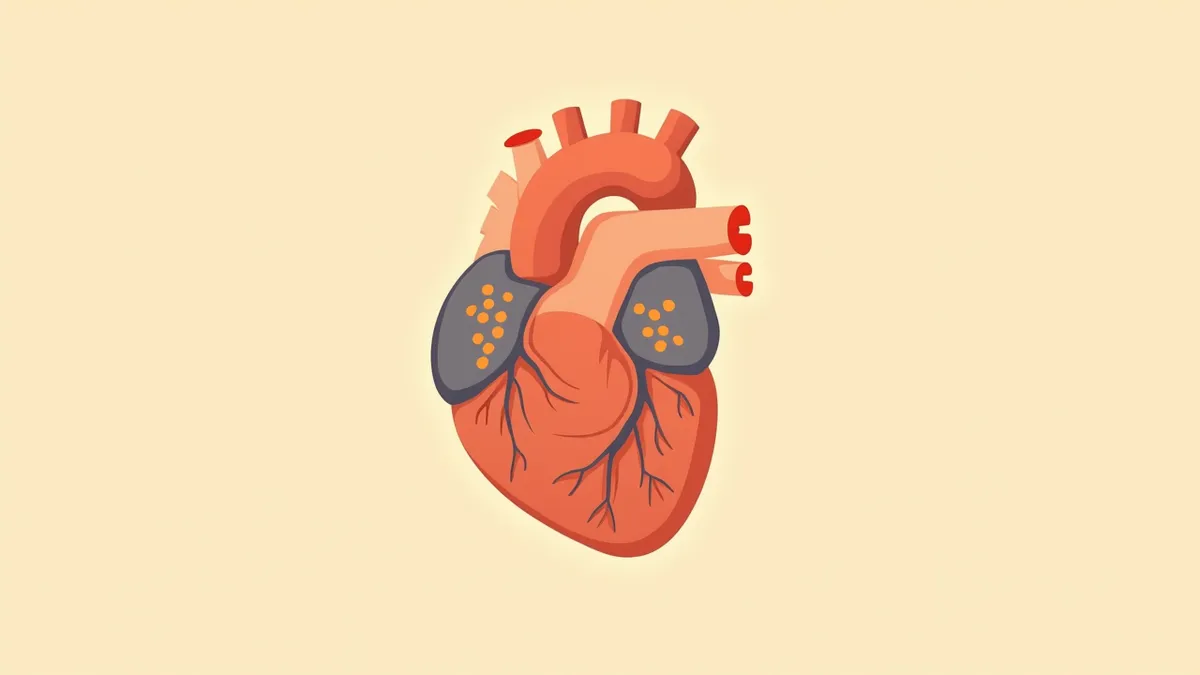
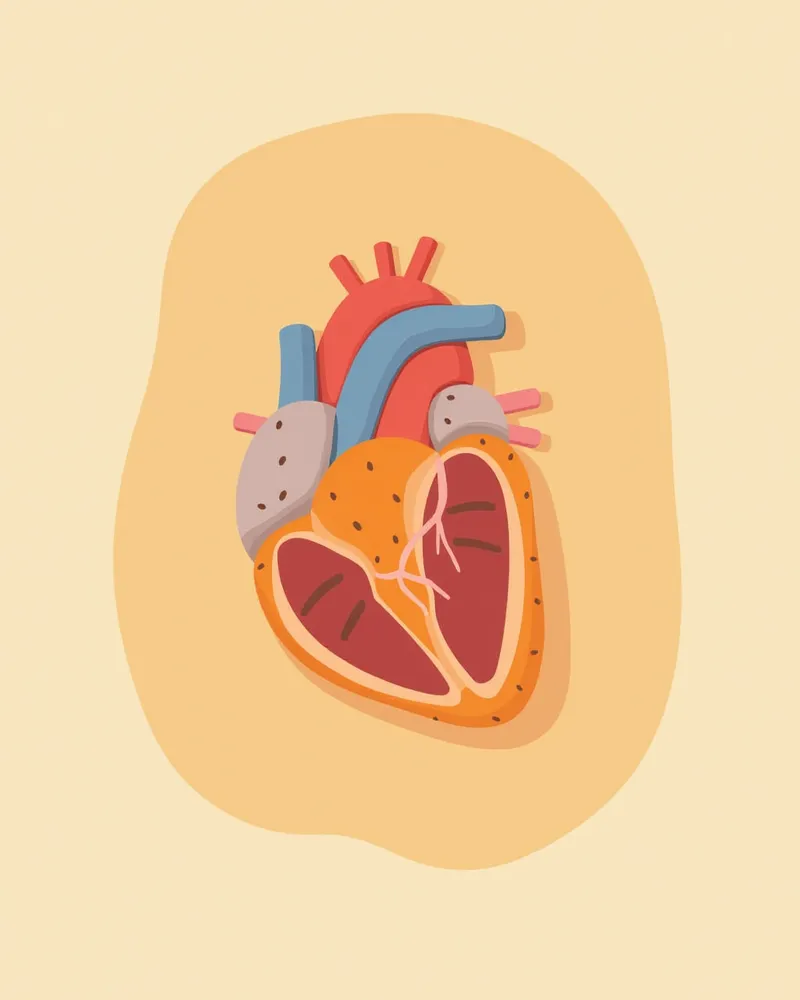
The structure of an inflamed heart valve in a cat
Feline infective endocarditis is a serious condition in which bacteria infect the heart’s inner lining and valves, leading to secondary inflammation. Although it is rare in both dogs and cats, early detection is challenging because initial symptoms are often nonspecific. If left untreated, the disease can progress to valvular regurgitation and eventually congestive heart failure. - Conditions for development: Infection rarely occurs from bacteria alone; it typically requires pre-existing damage to the valve endocardium combined with bacteremia (bacteria in the bloodstream), allowing bacteria to adhere to the valve. - Valvular lesions (vegetations): Proliferative lesions form on the valves, consisting of aggregated platelets, fibrin, bacteria, and inflammatory cells. Inflammation and bacterial enzymes then destroy the valve tissue. - Importance of early diagnosis: Even when symptoms are vague, early detection is crucial by using cardiac ultrasound to identify vegetations and damage on the valves. - Risk of complications: Emboli (blood clots) that break off from the lesions can travel to other organs, causing embolism or metastatic infection, which can be life-threatening.

The Main Cause of Endocarditis Is Bacteria Entering Through the Bloodstream

For endocarditis to develop, two conditions must be present: damage to the valve endocardium and bacteremia, which is the presence of bacteria circulating in the bloodstream. However, it is often difficult to pinpoint the exact source of the bacterial entry. - Role of Endocardial Damage: When the immune system is compromised or the valve endocardium is damaged, bacteria can adhere to the valve more easily. The risk is particularly high in cases of congenital abnormalities such as subaortic stenosis (SAS). - Pathways of Bacteremia: Bacteria can enter the bloodstream through procedures such as surgery or dental treatments. For high-risk patients, prophylactic antibiotics may be considered before such procedures. - Common Causative Bacteria: Staphylococcus and Streptococcus species are the most common causes, though Escherichia coli and Corynebacterium have also been reported. - Immune Response: While the immune system attempts to eliminate the bacteria, they can hide within clots, shielding them from both antibiotics and immune defenses.
Microscopic image of bacteria attached to the heart valve

Check the Main Symptoms and Signs of Endocarditis
The symptoms of feline endocarditis are initially nonspecific but gradually worsen. The main symptoms include:
Coughing and difficulty breathing: Pulmonary edema causes shortness of breath and coughing.
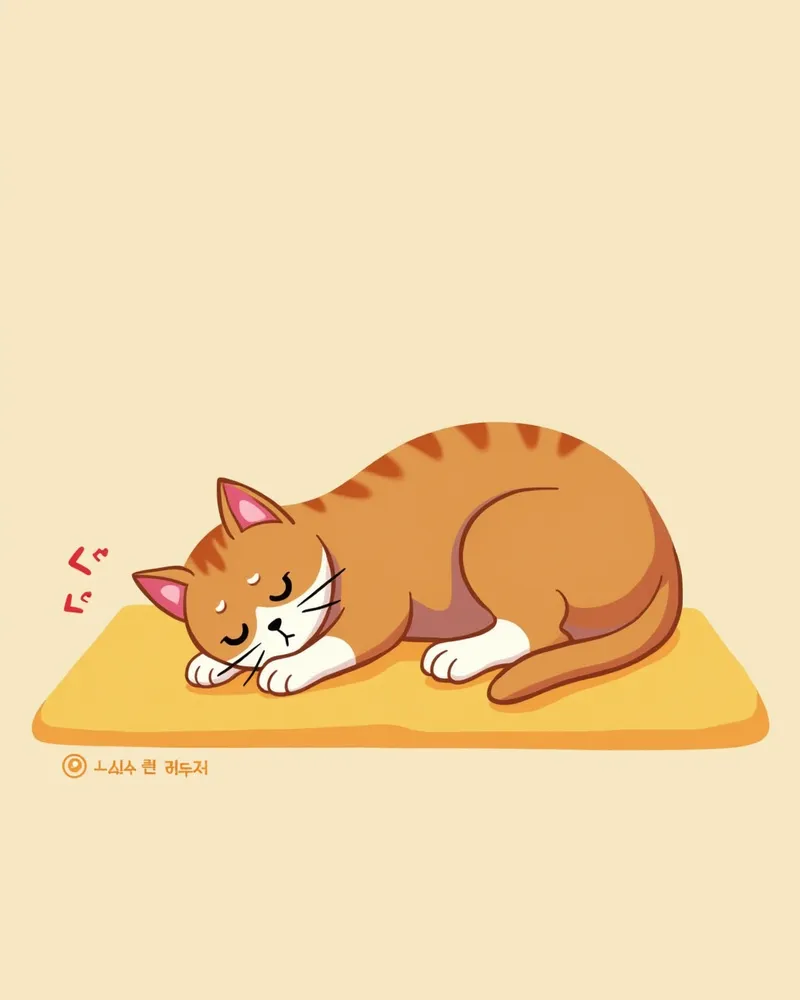
Fatigue and lethargy: Daily activity decreases, and the cat may start lying down more often.
Weight loss: Reduced heart function leads to decreased appetite and increased energy expenditure.
Irregular heartbeat: The heart rate may become rapid or irregular.
Sudden paralysis: Blood clots can break off and travel to the brain or limbs.
If these symptoms appear, immediate veterinary care is necessary.
A lethargic cat suffering from endocarditis

Irregular Heartbeat or Sudden Paralysis Requires an Immediate Veterinary Visit

If your pet develops an irregular heartbeat or sudden paralysis due to endocarditis, it may indicate that a blood clot has broken loose and traveled to the brain or limbs. This is a life-threatening emergency, so you should seek veterinary care immediately.

Endocarditis Is Diagnosed Through Echocardiography and Blood Tests
The cornerstone of diagnosing endocarditis is using an echocardiogram (heart ultrasound) to identify vegetations and damage on the heart valves, as well as to check for valve regurgitation. We carefully examine the valves—such as the aortic and mitral valves—and surrounding structures to look for vegetations or valve rupture. - Blood cultures: Blood culture testing is essential to identify the causative bacteria and determine the appropriate antibiotic treatment. - Comprehensive diagnosis required: Because the symptoms are nonspecific, a single test is insufficient. We combine ultrasound and blood tests, referencing diagnostic criteria from human medicine, to make a comprehensive assessment. - Difficulty in early detection: Diagnosis can be challenging due to vague symptoms, so it is advisable to pursue thorough diagnostic testing if there is any suspicion of the condition. - Improved diagnostic accuracy: Integrating results from multiple tests greatly aids in developing an effective treatment plan.
Bacterial thrombus on the valve seen on echocardiography

Endocarditis Treatment Centers on Antibiotics and Cardiac Function Management

The cornerstone of endocarditis treatment is the long-term administration of bactericidal antibiotics to suppress and eliminate the bacteria. Treatment typically extends over several weeks or longer, with regular blood and cardiac tests used to monitor the response to therapy. However, because this condition carries a high mortality rate and a poor prognosis, it requires particularly careful management. - Antibiotic Selection: Antibiotics are chosen based on blood culture and susceptibility testing to target the specific bacteria involved. Options may include tetracyclines, fluoroquinolones, and aminoglycosides. - Cardiac Function Management: If heart failure is present, cardiac medications such as diuretics are used in conjunction with antibiotics. - Management During Treatment: It is crucial to complete the full prescribed course of antibiotics. Stopping treatment prematurely significantly increases the risk of recurrence. - Follow-up Examinations Are Essential: Regular check-ups are necessary even after treatment concludes to monitor for any signs of recurrence.
A veterinarian administering an antibiotic injection to a cat.

Home Care Is Important for Maintaining Heart Health and Preventing Infection

Home care for cats with endocarditis plays a crucial role in treatment success and preventing recurrence. - Dietary Management: A low-sodium, high-protein diet helps reduce cardiac strain while maintaining proper nutrition. - Exercise Moderation: Avoid excessive exertion, but maintain regular daily activity to support heart function. - Dental Care: Regular dental cleanings and check-ups are essential to prevent bacterial entry into the bloodstream. - Environmental Stability: Provide a quiet, calm environment to minimize stress. - Medication Adherence: Administer antibiotics at the correct times and doses, and do not discontinue treatment prematurely.
A cat eating healthy food and a veterinarian checking its teeth.

Dental Disease Is a Major Risk Factor for Endocarditis

Bacteria can enter the bloodstream during dental procedures or surgery, potentially triggering endocarditis. This is especially important to watch for in high-risk cats with underlying conditions such as subaortic stenosis. However, endocarditis typically develops when there is damage to the valve lining alongside bacterial presence, so maintaining good oral hygiene and scheduling regular check-ups are the best ways to reduce the risk.

Reviewed by a veterinarian

Dr. Tony — Punnawat Phongkittirak

Dr. Tony — Punnawat Phongkittirak

Veterinarian

A veterinarian who majored in veterinary medicine at Khon Kaen University, Thailand, and completed the IVSA program at North Carolina State University in the United States. Drawing on clinical experience at animal hospitals, he works in the pet healthcare field and is dedicated to building a digital care environment that connects pet parents with veterinarians.

Frequently Asked Questions

Is endocarditis a common disease in cats?
Endocarditis is not a common condition in cats. It occurs at a very low frequency in both dogs and cats, and is known to be relatively more prevalent in middle-aged males based on reported cases.
Is endocarditis treatable?
We attempt treatment with long-term antibiotic therapy and heart care, but the mortality rate is high and the prognosis is generally poor. That’s why early diagnosis, consistent treatment, and ongoing follow-up care are absolutely essential.
Can endocarditis be transmitted to other cats?
No, endocarditis is not a contagious disease, so it will not spread to other cats. Although it is caused by a bacterial infection, it is not a condition that is directly transmitted from one cat to another.
My cat won’t take its medication during endocarditis treatment.
If your pet doesn’t take the medication, treatment may fail. You can try hiding the medicine in food or consult your veterinarian about switching to a different form of the drug.
Can endocarditis recur?
Yes, if risk factors such as valve damage or bacteremia remain after treatment, the condition can recur. Regular check-ups and ongoing monitoring are essential.

Share

Related Guides

References

[1] The Cat, Clinical Medicine and Management, 2nd Edition, 2021

[2] Small Animal Critical Care Medicine, 3rd Ed, 2020

[3] Textbook of Cardiovascular Medicine in Dogs and Cats, 2019

This information is based on veterinary literature and does not replace diagnosis or treatment. Please consult a veterinarian for specific health concerns.

Metapet Co., Ltd. | CEO: Park Sung-yong | Business Reg. No. 417-88-02562 | Seoul, South Korea | Customer Center

Feline Endocarditis: Causes & When to Start Treatment | Meongsiljang