Like
Share
멍실장
고양이 만성신부전 IRIS 단계 — 단계별 증상과 치료 결정

Feline Chronic Kidney Disease IRIS Stages — Stage-Specific Symptoms and Treatment Decisions

KidneyDiseasesMeongsiljang Veterinary Advisory Board

This guide classifies feline chronic kidney disease into stages 1–4 according to the International Renal Interest Society (IRIS) criteria, and outlines the stage-specific creatinine and SDMA levels, clinical signs, and indications for prescription diet, fluid therapy, and medication, all based on veterinary internal medicine textbooks.

What is Feline Chronic Kidney Disease? Why Are IRIS Stages Important?
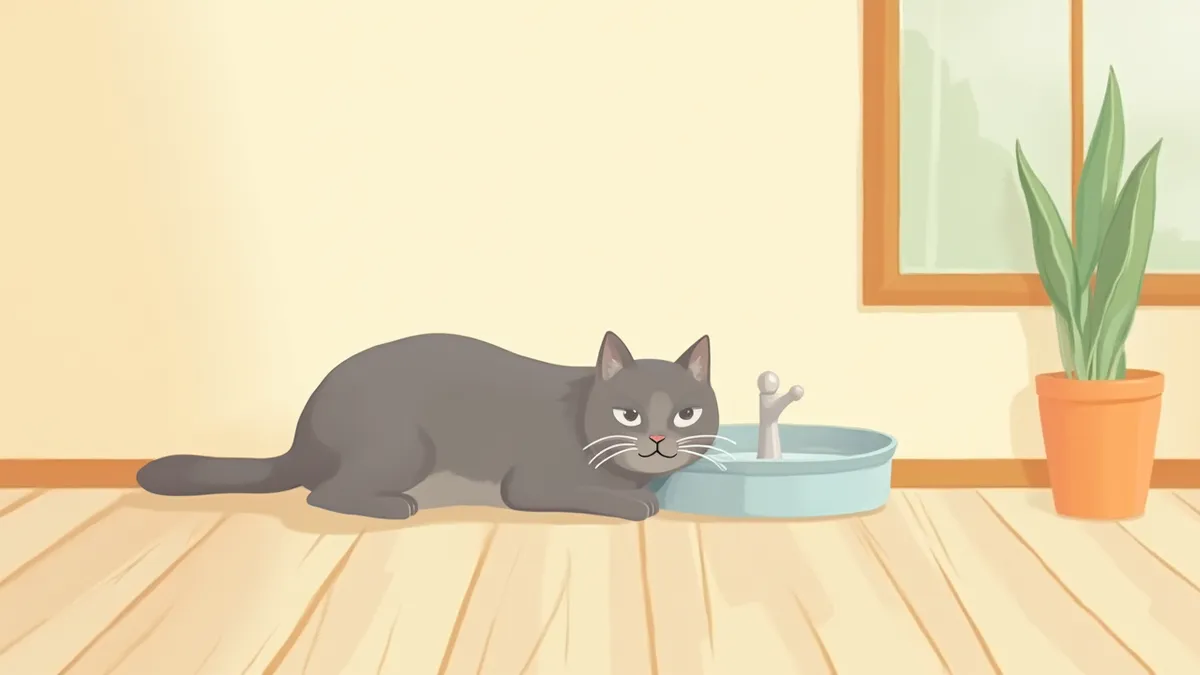
An elderly cat resting comfortably next to its water bowl
Feline chronic kidney disease is a progressive renal condition in which kidney function gradually declines over a period of three months or more. According to the International Renal Interest Society (IRIS), it is classified into stages 1 through 4, with symptoms, treatment approaches, and prognosis varying significantly at each stage. Early detection is truly critical. If caught in stages 1 or 2, disease progression can be delayed for years through prescription diet and fluid management alone. However, once the disease advances to stages 3 or 4, daily subcutaneous fluid therapy and medication become necessary.

What Causes It? Main Causes of Feline Kidney Disease

Feline chronic kidney disease (CKD) typically develops from the cumulative effect of multiple factors rather than a single cause. Common risk factors include advanced age (10 years or older), prior acute kidney injury, polycystic kidney disease (particularly in Persian breeds), chronic urinary tract infections, hypertension, and bacteremia originating from periodontal disease. Nephrons, the functional units of the kidneys, do not regenerate once damaged. As the remaining nephrons become overloaded, they deteriorate at an accelerating rate, creating a vicious cycle. Therefore, because the disease cannot be halted once it begins, the primary treatment goal is to slow its progression.

IRIS Stages 1–4 — Creatinine and SDMA Criteria at a Glance

ItemStage 1Stage 2Stage 3Stage 4
Creatinine (mg/dL)<1.61.6–2.82.9–5.0>5.0
SDMA (μg/dL)<1818–2526–38>38
Main symptomsAlmost noneOnset of polydipsia/polyuriaDecreased appetite, weight lossVomiting, uremia, lethargy
Treatment directionCorrect causative factorsPrescription diet + hydrationPrescription diet + phosphate binder + subcutaneous fluidsDaily fluids + anemia/antiemetic management
Recheck interval6–12 months3–6 months1–3 months2–4 weeks

Based on IRIS 2023. Proteinuria and blood pressure sub-stages are classified separately.

Stage-Specific Symptoms Pet Owners Can Check

As the disease progresses, symptoms become more pronounced. These are signs that pet owners can observe at home. - Polyuria and polydipsia: The water bowl empties quickly, and the litter clumps more than usual (early signs of stages 1–2) - Weight loss: The cat loses weight despite eating the same amount, and the spine and hip bones become palpable (stages 2–3) - Loss of appetite: The cat hesitates in front of food, sniffs it, and walks away (stage 3 and beyond) - Halitosis and stomatitis: Bad breath becomes strong and ammonia-like (a sign of uremia) - Lethargy: The cat moves less and spends more time hiding (stages 3–4)
An older cat hesitating in front of its food bowl — loss of appetite is a signal after stage 3

If You See These Symptoms, Go to a 24-Hour Veterinary Hospital Immediately

If your pet hasn’t drunk water for more than 24 hours, or is showing repeated vomiting, inability to stand, low body temperature (cold ears and paws), and severe lethargy, it may be in IRIS Stage 4 or experiencing an acute worsening. At this point, immediate intravenous fluids and emergency blood tests are essential. Since time determines the chances of kidney recovery, don’t wait until the next day—even if it’s nighttime, head straight to a 24-hour animal hospital.

How Is Diagnosis Made? 5 Key Tests

For an accurate diagnosis, blood and urine tests must be evaluated together. A single value alone is not sufficient to determine the disease stage. - Creatinine: The official primary indicator for IRIS stage classification. - SDMA (Symmetric Dimethylarginine): Tends to rise earlier than creatinine, aiding in early detection. It is also used as a reference when creatinine results are inconclusive. - Urine Specific Gravity (USG): Decreases when the kidney’s ability to concentrate urine is impaired. It serves as an indicator of reduced renal concentrating ability. - Proteinuria (UPC): In cats, a UPC ratio exceeding 0.4 is classified as proteinuria, signaling ongoing kidney damage. - Blood Pressure: Systolic blood pressure of 160 mmHg or higher is classified as hypertension, which can accelerate kidney damage. Starting at age 7, annual geriatric checkups are recommended. After a diagnosis of kidney failure, follow-up tests are necessary every 3 to 6 months.

Stage-Specific Treatment — How Does the Veterinarian Decide?
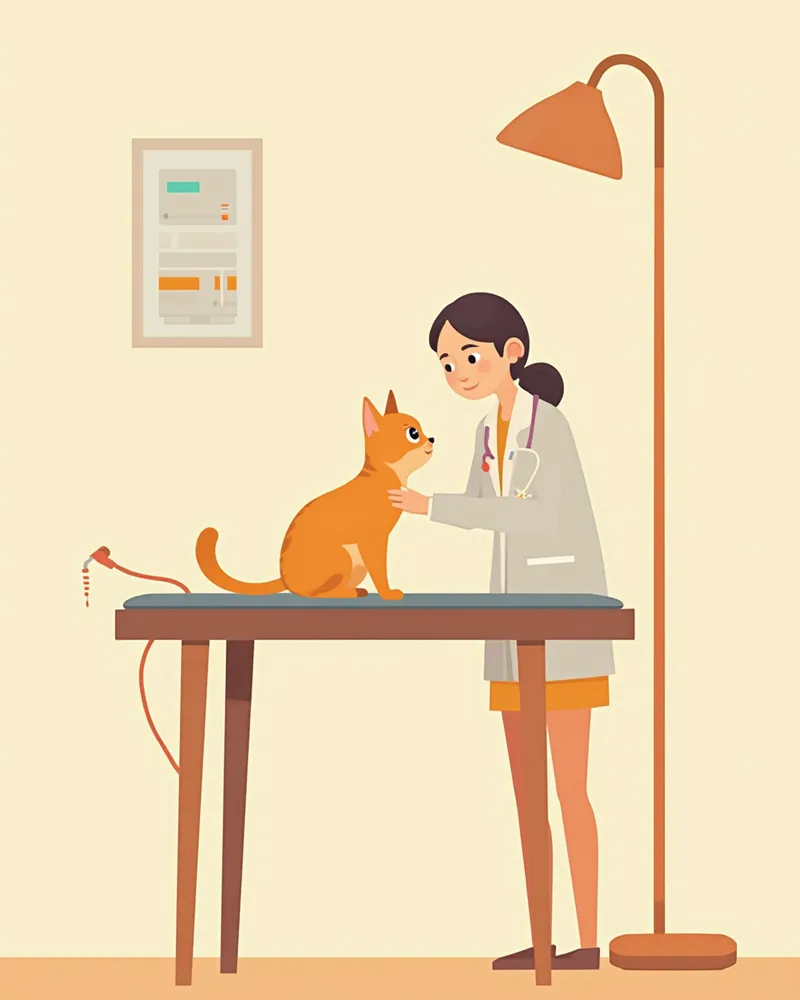
Treatment plans vary depending on the IRIS stage. Your veterinarian will determine the appropriate approach by evaluating your pet’s weight, underlying conditions, disease progression rate, proteinuria, and blood pressure. - Stages 1–2: Transition to a renal prescription diet, ensure adequate hydration, and manage proteinuria and hypertension with medication as needed. - Stage 3: Renal prescription diet combined with phosphate binders, potassium supplements, appetite stimulants, and subcutaneous fluid therapy (2–3 times per week). - Stage 4: Daily subcutaneous fluid therapy, treatment for anemia (using erythropoiesis-stimulating agents), antiemetics, and management of uremia. Prescription diets are specifically formulated with reduced protein and restricted phosphorus, making their composition entirely different from standard pet foods. Please do not change your pet’s diet on your own; always consult your veterinarian before making any changes.
A veterinarian administering subcutaneous fluids to a senior cat — key treatments for stages 3 to 4

Home Care Points to Manage at Home

For cats with kidney disease, daily care can make a big difference in how quickly the condition progresses. Here are the key points for pet owners to keep in mind: - Multiple water bowls: Place them around the house and use water fountains or filtered water dispensers to encourage drinking. - Gradual food transition: Over 1–2 weeks, slowly mix the new prescription diet with the current food. - Track weight and appetite: Weigh your cat once a week and jot down their appetite at each meal. - Minimize stress: Environmental changes, moving, or conflicts with other cats can put extra strain on the kidneys. - Oral care: Bacteria from periodontal disease can enter the bloodstream and accelerate kidney damage. If your cat loses more than 5% of their body weight in a week or stops eating for over 24 hours, seek veterinary care immediately.
An elderly cat drinking from a fountain-style water bowl — increasing water intake is key

Breed-Specific Precautions — Test Persians and Maine Coons Earlier

Persians, Himalayans, and British Shorthairs carry a genetic risk for polycystic kidney disease (PKD). We recommend annual kidney ultrasounds and SDMA tests for these breeds, even if they are under seven years old. Maine Coons often experience concurrent hypertrophic cardiomyopathy and kidney failure, so both their heart and kidneys should be monitored. Genetic testing is also available to detect the PKD1 mutation in advance.

Reviewed by a veterinarian

Dr. Tony — Punnawat Phongkittirak

Dr. Tony — Punnawat Phongkittirak

Veterinarian

A veterinarian who majored in veterinary medicine at Khon Kaen University, Thailand, and completed the IVSA program at North Carolina State University in the United States. Drawing on clinical experience at animal hospitals, he works in the pet healthcare field and is dedicated to building a digital care environment that connects pet parents with veterinarians.

Frequently Asked Questions

Can feline chronic kidney disease be cured?
Chronic kidney disease is a condition that requires ongoing management to slow its progression rather than a cure. If detected in stages 1 or 2 and consistently managed with prescription diet and proper hydration, many pets can maintain a stable condition for years.
Is feeding only prescription food sufficient?
In stages 1 and 2, a prescription diet and proper hydration management alone are often effective. However, in stage 3 and beyond, a prescription diet is not sufficient, so phosphate binders, subcutaneous fluids, and medications are also necessary.
Can I administer subcutaneous fluids at home?
If you’ve received proper training from your veterinarian, you can administer IV fluids at home. It’s essential to thoroughly understand the type of fluid, its temperature, infusion rate, and how to handle the catheter. For safety, it’s recommended that your vet supervises the first one or two sessions at the clinic.
Which is more accurate, SDMA or creatinine?
They complement each other. SDMA rises earlier, making it advantageous for detecting stage 1 kidney disease, while creatinine is the official standard for IRIS staging. Evaluating both values together is essential for an accurate assessment.
Can I give regular treats to a cat with kidney failure?
Avoid treats high in phosphorus and sodium, such as canned tuna, dried fish snacks, and salty treats. It’s safer to offer only small amounts of renal prescription treats or freeze-dried snacks with low phosphorus content.

Share

Related Guides

References

[1] International Renal Interest Society (IRIS), IRIS Staging of CKD (modified 2023)

[2] Ettinger SJ, Feldman EC, Cote E, Textbook of Veterinary Internal Medicine, 8th Ed, Chapter on Chronic Kidney Disease

[3] Chew DJ, DiBartola SP, Schenck PA, Canine and Feline Nephrology and Urology, 2nd Ed

[4] Sink CA, Weinstein NM, Urinalysis in the Dog and Cat

[5] Schaer M, Gaschen F, Clinical Medicine of the Dog and Cat, 4th Ed

This information is based on veterinary literature and does not replace diagnosis or treatment. Please consult a veterinarian for specific health concerns.

Metapet Co., Ltd. | CEO: Park Sung-yong | Business Reg. No. 417-88-02562 | Seoul, South Korea | Customer Center

Feline Chronic Kidney Disease — IRIS Stages & Treatment | Meongsiljang