Like
Share
멍실장
강아지 백내장 수술(초음파유화술) 증상과 원인, 진단·치료와 관리 포인트 총정리

Cataract Surgery (Phacoemulsification) in Dogs: Symptoms, Causes, Diagnosis, Treatment, and Management Essentials

Eye HealthDiseasesMeongsiljang Veterinary Advisory Board

Cataract surgery (phacoemulsification) for dogs is an ophthalmic procedure aimed at restoring vision, with age, genetics, and diabetes being the primary causes. Accurate diagnosis and proper management are essential.

What is Cataract Surgery (Phacoemulsification) in Dogs?
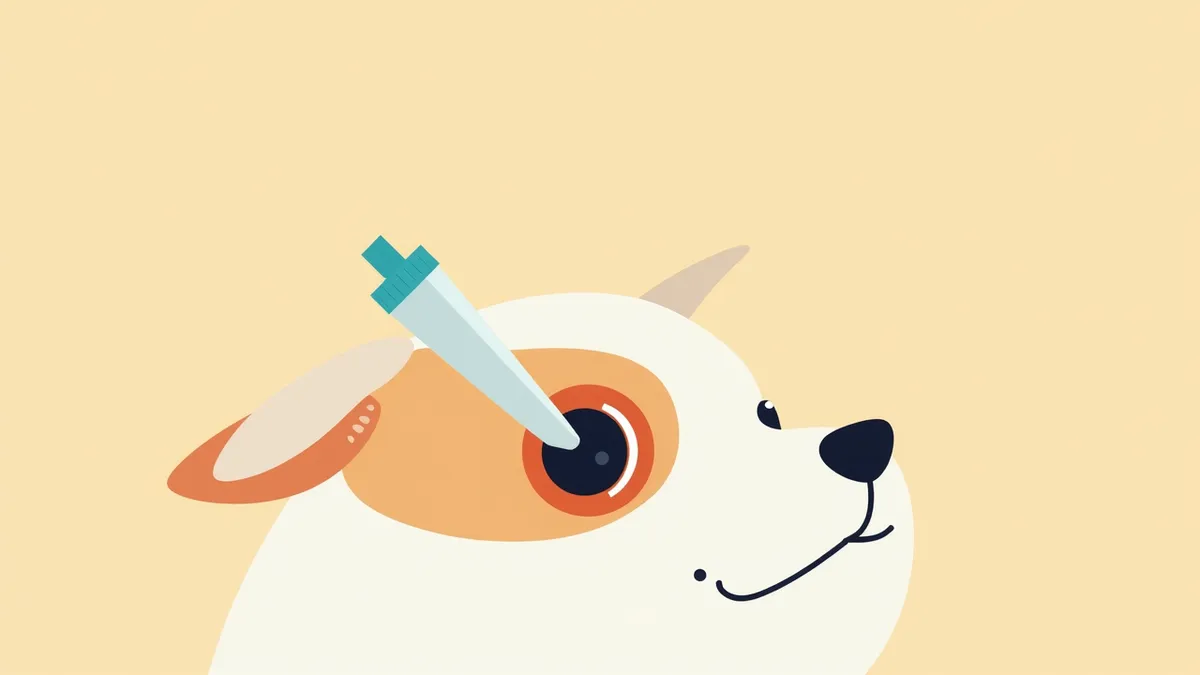
A veterinarian performing ultrasound-guided emulsification on a dog's eye
Cataract surgery in dogs, specifically phacoemulsification, is a procedure performed when the lens becomes cloudy and vision declines. The clouded lens is broken down using ultrasound waves, removed, and replaced with an artificial lens. This surgery is essential for restoring or maintaining vision. - Phacoemulsification: This precise technique uses a high-frequency ultrasonic handpiece to break the clouded lens into tiny particles, which are then suctioned and removed. - Intraocular Lens Implantation: An artificial lens is implanted in the space where the natural lens was removed to help restore vision. - Surgical Outcomes: The procedure is performed under anesthesia using specialized equipment, and vision can often be restored. However, success rates vary depending on the stage of cataract progression, and because there is a risk of postoperative complications, careful management is required. - Recovery and Follow-up Exams: After surgery, your dog needs a period of rest and recovery. Regular ophthalmic examinations are necessary to detect any complications early.

What are the Main Causes of Cataracts?
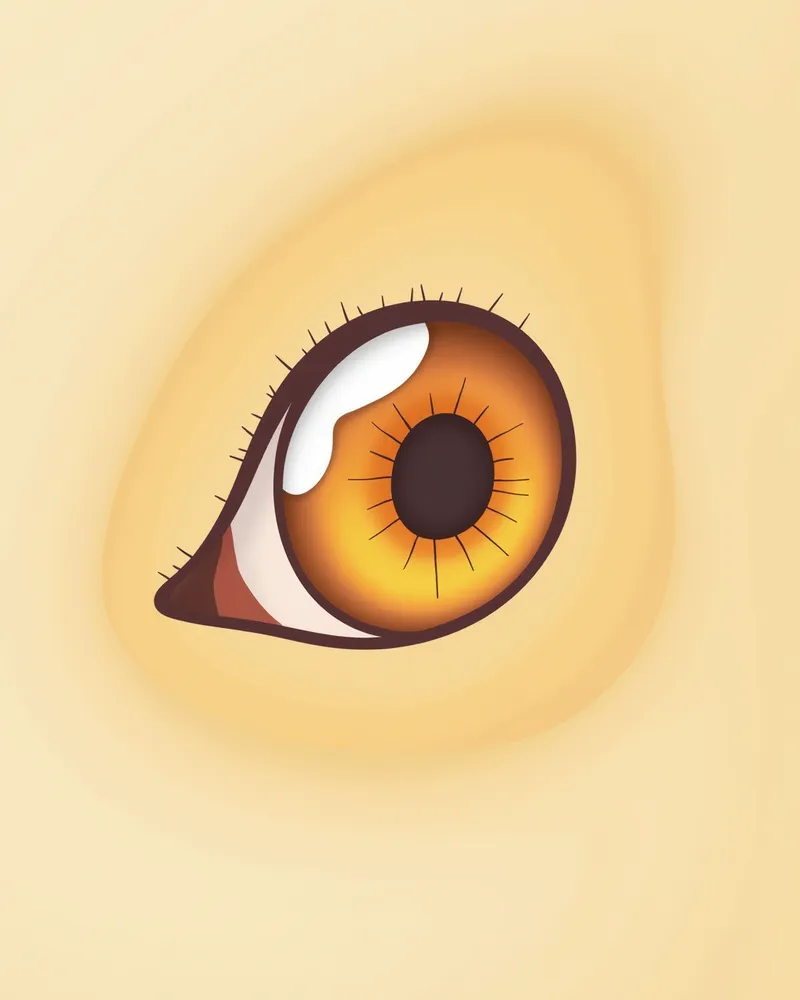
The main causes of cataracts in dogs include genetics, aging, diabetes, trauma, and eye inflammation. - Genetic factors: Cataracts most commonly occur due to genetic factors, with over 90 breeds at high risk for hereditary cataracts, including Schnauzers, Boston Terriers, Silky Terriers, Bichon Frises, and Labrador and Golden Retrievers. - Aging: As dogs age, the proteins in the lens can degenerate and become cloudy, which is another common cause. - Diabetes: Systemic diseases such as diabetes can cause the lens to become cloudy, and the condition may progress relatively quickly. - Trauma and inflammation: Eye injuries, inflammation, certain medications, and nutritional deficiencies can also lead to cataracts. Early detection and management are important.
An anatomical diagram of a dog’s eye explaining the causes of cataracts

What are the Main Symptoms of Cataracts?

The main symptoms of cataracts in dogs include vision loss, a cloudy or white appearance of the eye, unsteady gait in dim lighting, and bumping into objects. - Vision loss: Dogs may struggle to locate toys or other items, or bump into them, because they cannot see objects clearly. - Changes in the eye: The lens may appear cloudy with a white or grayish tint. - Reduced night vision: Dogs may have difficulty seeing in the dark, leading to an unsteady gait. - Behavioral changes: Dogs may become tense or anxious due to poor visibility of their surroundings. - Early detection: Cataracts themselves are typically painless and develop gradually, so careful observation is essential. However, if you notice eye rubbing, pain, or redness, these could indicate secondary complications such as inflammation, requiring veterinary attention.
A dog moving awkwardly in the dark due to cataracts

Signs Requiring Immediate Veterinary Visit

If your dog suddenly loses vision, or if their eyes become swollen, red, or produce excessive discharge, you should seek veterinary care immediately. These symptoms may indicate serious conditions such as uveitis, corneal injury, or glaucoma, in addition to cataracts. In particular, if your dog shows signs of pain or keeps their eyes closed, treat it as an emergency.

Diagnostic Methods for Accurate Diagnosis
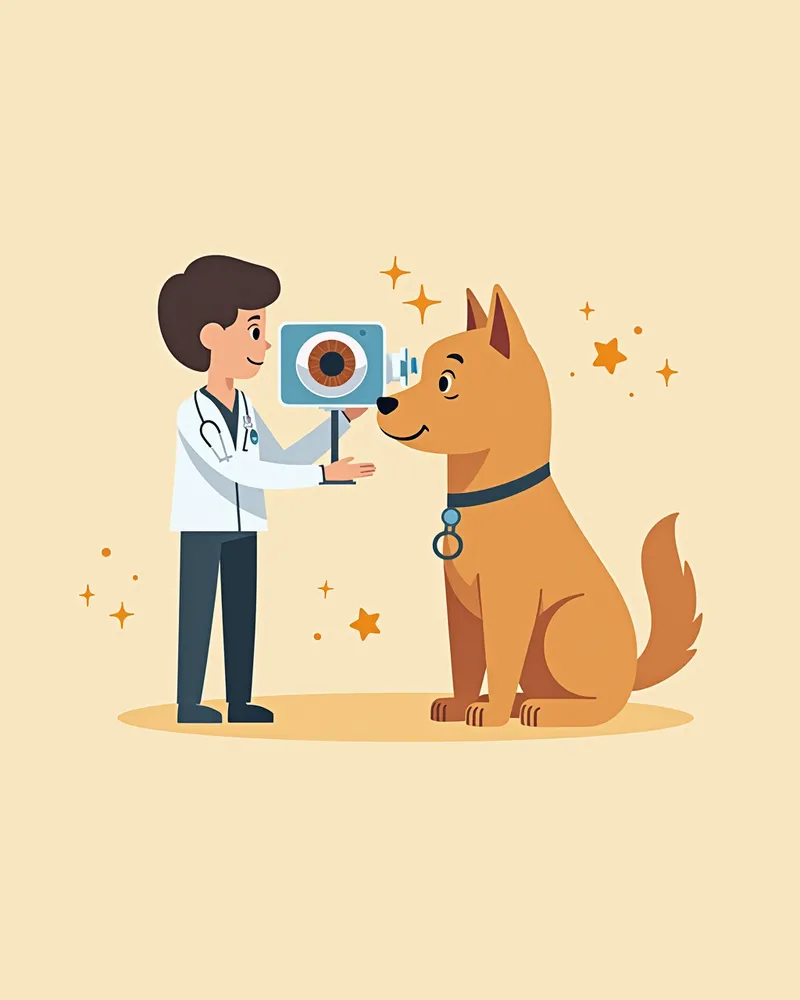
Diagnosing cataracts in dogs involves specialized ophthalmic tools, including a retinal examination device and ultrasound imaging. - Retinal examination: This allows direct visualization of the internal eye structures to assess the severity of the cataracts. - Ultrasound examination: When the lens is too opaque for clear visual inspection, ultrasound provides a precise evaluation of its condition. - Blood tests: These check for diabetes and evaluate the dog’s overall health prior to surgery. - Anesthesia assessment: A thorough review of general health ensures surgical safety. Accurate diagnosis is essential for maximizing the success rate of surgery.
A veterinarian examining a dog's eyes using a slit lamp.

Surgical Procedure and Treatment Methods
Cataract surgery involves removing the natural lens by breaking it down and aspirating it with an ultrasonic phacoemulsifier under anesthesia, followed by the insertion of an artificial intraocular lens. - Phacoemulsification: This is a precise technique that breaks the lens into tiny particles for aspiration and removal. - Intraocular lens implantation: An artificial lens is placed in the eye to restore vision. - Post-operative medications: Antibiotics and anti-inflammatory drugs (topical and systemic) are used to prevent infection and inflammation, and an Elizabethan collar is fitted to protect the eye. - Hospitalization and discharge: The duration of surgery and hospital stay may vary depending on the patient’s condition. - Success rate: The success rate is generally high, but it tends to decrease slightly (to approximately 85–90%) as the cataract progresses to mature or hypermature stages. Therefore, regular check-ups are essential.
A dog wearing an eye shield to protect its eyes after cataract surgery

Post-Operative Home Care Points

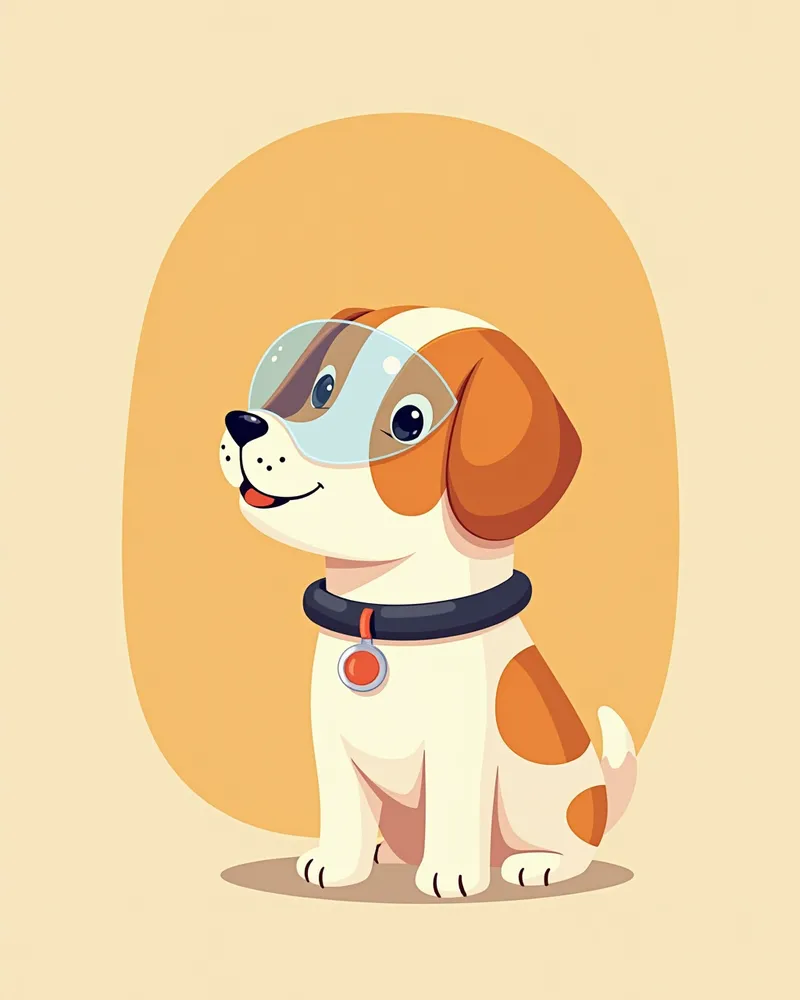
After surgery, it is essential to keep an e-collar or protective glasses on to protect the eyes. - Medication: Administer antibiotics and anti-inflammatory medications at the exact prescribed times. - Eye Drop Management: Use eye drops on a consistent schedule and receive any prescribed injections regularly. - Outdoor Restrictions: Keep walks cautious and minimize outdoor activities. - Eye Protection: Take care to prevent water or dust from getting into the eyes. - Behavioral Monitoring: If you notice repetitive scratching behaviors, consult your veterinarian immediately. - Recovery Period: Recovery typically takes about 2 to 4 weeks, during which careful management is crucial.
A puppy wearing a collar and muzzle for safety after surgery

Breed-Specific Precautions and Prevention of Recurrence

Certain breeds, such as Schnauzers, Boston Terriers, Silky Terriers, Bichon Frises, and Labrador and Golden Retrievers, are genetically more susceptible to cataracts. Dogs with systemic conditions like diabetes are also at higher risk. Even after surgery, regular ophthalmic exams are essential, and if your dog has diabetes, strict blood sugar control is crucial. Be vigilant for eye inflammation or trauma, and maintain consistent care to detect issues in the other eye or any complications early.

Reviewed by a veterinarian

Dr. Tony — Punnawat Phongkittirak

Dr. Tony — Punnawat Phongkittirak

Veterinarian

A veterinarian who majored in veterinary medicine at Khon Kaen University, Thailand, and completed the IVSA program at North Carolina State University in the United States. Drawing on clinical experience at animal hospitals, he works in the pet healthcare field and is dedicated to building a digital care environment that connects pet parents with veterinarians.

Frequently Asked Questions

How long does cataract surgery take?
The duration of surgery may vary depending on the patient’s condition. After anesthesia, a precise procedure is performed, and the length of hospitalization is determined based on the patient’s condition.
Will vision fully recover after surgery?
In most cases, vision improves significantly, though the extent of improvement can vary depending on the individual's condition and the stage of cataract progression. Stable vision typically develops over a certain period following surgery.
How much will the surgery cost?
Surgical costs vary depending on the clinic and location. Typically, they range from $400 to $1,000. Please contact the clinic directly to inquire about insurance coverage.
What should I do if my pet’s eye shows any abnormalities after surgery?
If your pet’s eyes become red, produce excessive discharge, or show signs of pain, contact your veterinarian immediately. These symptoms may indicate an infection or complications.
Is surgery an option for senior dogs?
Even senior dogs in stable overall condition can undergo surgery. We assess anesthesia risk through a thorough pre-anesthetic physical examination and discuss the findings with your veterinarian.

Share

Related Guides

References

[1] Fossum TW. Preoperative and intraoperative care of the surgical patient. In: Fossum TW, Duprey LP, O’Connor D, editors. Small animal surgery. 3rd ed. Boston, MA: Elsevier; 2007.

[2] Hosgood G, Scholl DT. Evaluation of age as a risk factor for perianesthetic morbidity and mortality in the dog. J Vet Emerg Crit Care. 1998;8(3):222-36.

[3] Small Animal Anesthesia and Pain Management A Color Handbook, 3rd Edition. Elsevier; 2021.

This information is based on veterinary literature and does not replace diagnosis or treatment. Please consult a veterinarian for specific health concerns.

Metapet Co., Ltd. | CEO: Park Sung-yong | Business Reg. No. 417-88-02562 | Seoul, South Korea | Customer Center

Canine Cataract Surgery (Phacoemulsification): Full Guide | Meongsiljang