Like
Share
멍실장
고양이 간 지지 식이 증상과 원인, 진단·치료와 관리 포인트 총정리

Complete Guide to Feline Liver Support Diets — What and How to Feed

Liver HealthDiseasesMeongsiljang Veterinary Advisory Board

Feline liver support diets are specially formulated to help manage impaired liver function. If you notice any symptoms, consult your veterinarian right away.

What Is a Feline Liver-Support Diet?
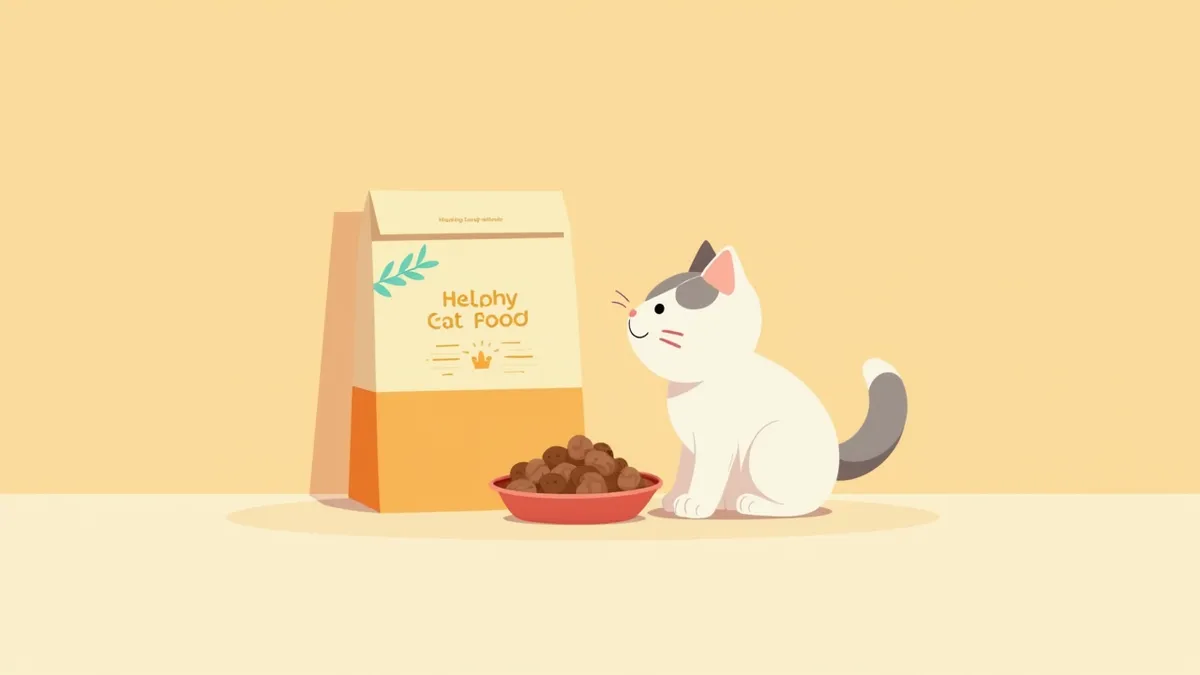
Packaging image of liver support prescription diet
Feline liver-support diets are nutritionally balanced to help compensate for reduced liver function, aiming to assist with metabolism and detoxification when the liver is compromised. Contrary to common belief, these diets do not strictly limit protein; instead, providing adequate high-quality protein is crucial. In cases of feline fatty liver disease, protein is a key nutrient for recovery. Supporting hepatocyte regeneration benefits from appropriate protein levels alongside sufficient carbohydrates and fats, as well as antioxidant support. These diets are often implemented under a veterinarian’s diagnosis and prescription, serving as a cornerstone of liver health management.

What Are the Main Causes for a Liver-Support Diet?
The most common reasons a cat may need a liver-support diet include various liver diseases such as hepatic lipidosis (fatty liver), cholangitis, and hepatitis. In particular, feline hepatic lipidosis often occurs not because the cat cannot break down fat effectively, but because loss of appetite leads to excessive mobilization of body fat to the liver, resulting in triglyceride accumulation. Even a few days of reduced appetite can significantly increase the risk, and the condition is especially common in overweight cats. Hepatic lipidosis also frequently develops secondary to other diseases such as gastrointestinal disorders, pancreatitis, or cholangitis, and when no underlying cause is identified, it is classified as idiopathic. Early intervention that addresses any underlying conditions is essential for effective management.
The condition of liver lesions in cats

Check for Key Symptoms and Signs

When a cat has liver disease, the main symptoms that may appear include the following. There are also signs that owners often miss, so it’s important to observe carefully.
Loss of appetite: This is the most common and sometimes the only early sign. Cats may suddenly eat less or refuse to eat altogether.
Vomiting: Cats may vomit after eating or on an empty stomach. However, vomiting and jaundice often appear only after the disease has progressed to some extent.
Jaundice: This is a condition where the whites of the eyes, gums, ears, and skin take on a yellowish tint. It becomes noticeable when bilirubin levels rise to 2–3 times the normal range due to bile stasis.
Lethargy: Cats may show little interest in play or remain inactive throughout the day.
Drooling: Excessive drooling is a common sign of hepatic encephalopathy.
Changes in bowel habits: Cats may experience changes in their bowel habits, such as diarrhea.
If these symptoms persist, immediate veterinary care is necessary.
Symptoms in cats caused by impaired liver function

Symptoms Requiring Immediate Veterinary Care

If jaundice appears, or if persistent vomiting and loss of appetite last for more than 24 hours, seek veterinary care immediately. Rapid deterioration of liver function can be life-threatening. In cats especially, the condition often progresses silently until symptoms worsen, so it’s crucial not to overlook even subtle changes.

Diagnostic Tests for Accurate Diagnosis
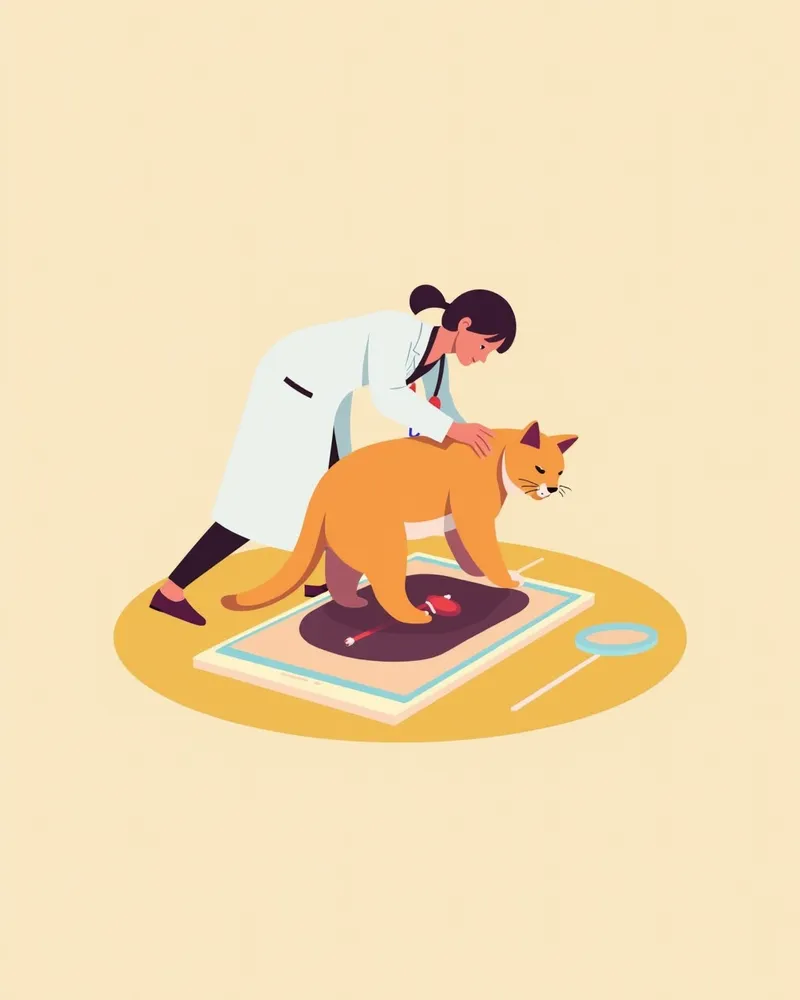
To determine whether your cat has liver disease and needs a liver-support diet, several tests are required. Blood tests check liver enzyme levels (ALT, AST, ALP, GGT) and bilirubin, and if necessary, a bile acid test evaluates liver function. An ultrasound examines the liver’s size, texture, blood flow, and any lesions. Fatty liver disease is diagnosed when, in addition to characteristic clinical signs and test results, a liver cell examination (fine-needle aspiration cytology) reveals fat vacuoles in more than 80% of liver cells. A tissue biopsy is selectively performed when other hepatobiliary diseases are suspected. This process allows for an accurate diagnosis of the extent and cause of liver damage.
An image showing a cat undergoing a liver ultrasound examination.

Treatment Methods and Step-by-Step Management
Treating feline liver diseases, including hepatic lipidosis, is a step-by-step process. First, it’s crucial to identify and address the underlying cause, stabilize the cat’s condition by correcting dehydration and electrolyte imbalances, and provide proper nutrition. In cases of hepatic lipidosis, nutrition isn’t just supportive—it’s the cornerstone of treatment. Contrary to common misconceptions, protein shouldn’t be restricted; instead, high-quality protein should be provided in adequate amounts to achieve a negative nitrogen balance and reduce fat accumulation in the liver. If your cat isn’t eating, we may consider nutritional support via a feeding tube, such as an esophageal tube, and use medications like antiemetics or antioxidants as needed. Fluid and nutritional support are also provided alongside these treatments. The duration and progress of treatment vary depending on the individual cat and their condition, so consistent care and regular check-ups are essential.
Your cat is on a liver-support diet.

Home Care and Daily Tips

Consistent home care is essential for supporting your cat’s liver health. Please adhere to the following guidelines:
Maintain a consistent feeding schedule: Provide the same amount of food at the same time every day. Treats are strictly prohibited.
Encourage hydration: Place water bowls in multiple locations and consider using a fountain-style water dispenser, as cats are often attracted to flowing water.
Minimize stress: Keep your cat’s environment stable and avoid sudden changes.
Regular check-ups: Ensure your cat undergoes blood tests and ultrasounds at the intervals recommended by your veterinarian.
Medication management: Administer prescribed medications at the exact times and dosages specified. Do not discontinue treatment midway.
Adhering to these habits plays a crucial role in maintaining your cat’s liver health over the long term.
Daily care environment for cats

Breed-Specific Precautions and Recurrence Prevention

Contrary to the common belief that certain breeds are more susceptible to liver disease based on coat color, the more clearly established risk factors are obesity and loss of appetite. Cats that are overweight or those who fail to eat well for even a few days are at high risk for fatty liver disease, making regular check-ups essential. Furthermore, even after liver function has recovered, consistent management of the underlying condition and ongoing nutritional care are necessary to prevent recurrence. Rather than changing your cat’s diet on your own, be sure to consult with your veterinarian if any dietary adjustments are needed.

Reviewed by a veterinarian

Dr. Tony — Punnawat Phongkittirak

Dr. Tony — Punnawat Phongkittirak

Veterinarian

A veterinarian who majored in veterinary medicine at Khon Kaen University, Thailand, and completed the IVSA program at North Carolina State University in the United States. Drawing on clinical experience at animal hospitals, he works in the pet healthcare field and is dedicated to building a digital care environment that connects pet parents with veterinarians.

Frequently Asked Questions

Will feeding a liver-support diet help the liver recover?
Dietary nutrition plays a crucial role in recovery, especially for cats with fatty liver disease. However, depending on the underlying condition, complete recovery may not always be possible. Consistent management under the guidance of a veterinarian is essential.
Can't I just switch to regular pet food?
Dietary changes should be made in consultation with your veterinarian rather than on your own, as providing nutrition tailored to your pet’s liver condition is crucial for effective treatment.
Should I reduce the amount of food?
Your veterinarian will determine the appropriate portion size based on your cat’s weight and overall condition. Cats with fatty liver disease, in particular, require adequate protein and calories to recover, so restricting their food or skipping meals can actually be harmful.
What should I do if my pet’s liver enzymes rise while they’re on a liver-support diet?
If enzyme levels rise, consult your veterinarian immediately. Your pet’s treatment plan may need to be adjusted, or additional tests may be required.
What should I do if my pet’s liver function worsens while they’re on a liver-support diet?
You should go to the vet immediately. Liver function deterioration can be life-threatening, so prompt action is crucial.

Share

Related Guides

References

[1] The Cat, Clinical Medicine and Management, 2nd Edition. 2023. Elsevier.

[2] Nutrient Requirements of Dogs and Cats. 2023. National Academies Press.

[3] Feline Hepatic Disease: Diagnosis and Management. Journal of Feline Medicine and Surgery, 2022. Vol. 24(5), 456-467.

This information is based on veterinary literature and does not replace diagnosis or treatment. Please consult a veterinarian for specific health concerns.

Metapet Co., Ltd. | CEO: Park Sung-yong | Business Reg. No. 417-88-02562 | Seoul, South Korea | Customer Center

Complete Guide to Feline Liver Support Diets: What to Feed | Meongsiljang