Like
Share
멍실장
강아지 담관염 — 황달·식욕저하 증상과 진단·치료 가이드

Canine Cholangitis: A Guide to Symptoms (Jaundice, Loss of Appetite), Diagnosis, and Treatment

Liver HealthDiseasesMeongsiljang Veterinary Advisory Board

We’ve compiled the essential information every pet owner should know about canine cholangitis, covering everything from its definition and key symptoms like jaundice and loss of appetite, to diagnosis, treatment, and home care.

What Is Canine Cholangitis?

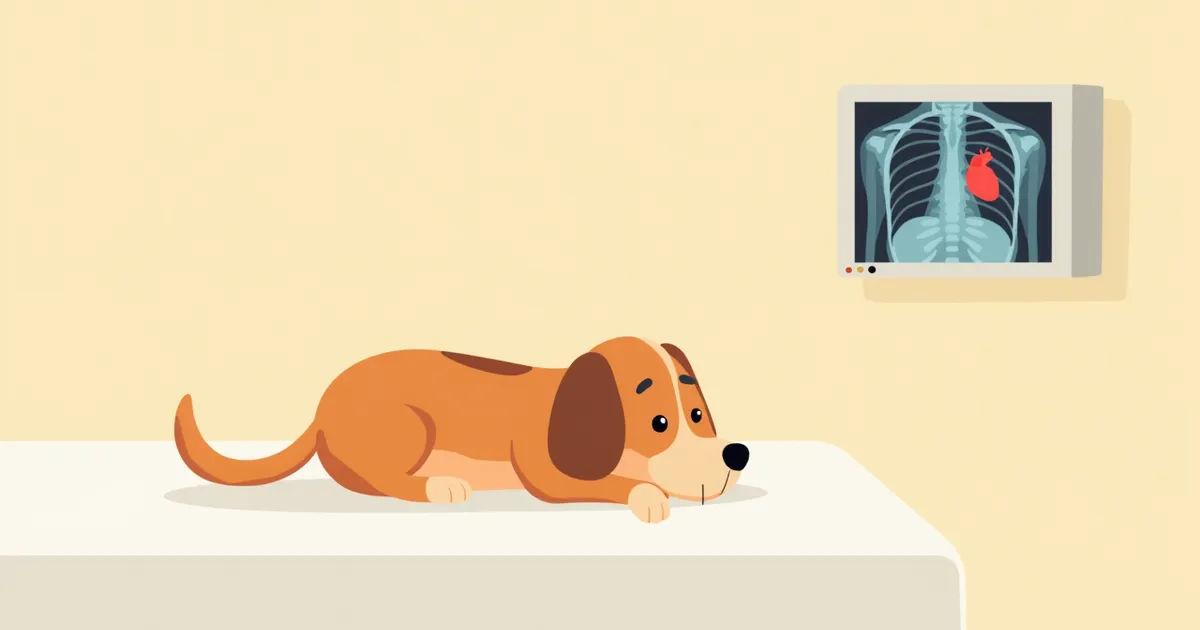
A puppy undergoing an abdominal examination by a veterinarian.
Canine cholangitis is a hepatobiliary disease in which inflammation develops in the bile ducts, the passages through which bile produced by the liver flows. Because the bile ducts are located within the portal tracts, inflammation can simultaneously impair bile flow and liver function. Early detection is crucial. If signs such as jaundice, decreased appetite, or vomiting persist for more than a day or worsen progressively, do not delay—visit a veterinary clinic promptly. Although cholangitis may initially appear to be a simple gastrointestinal issue, leaving it untreated can lead to hepatic fibrosis or recurrent infections, making the owner’s timely decision critical to recovery.

Causes and Pathogenesis

Cholangitis most commonly occurs when bacteria that normally reside in the intestines—such as Escherichia coli, Enterococcus, and Clostridium—travel backward up the bile ducts and cause inflammation. Bile flow can also be obstructed by gallstones, biliary sludge, bile duct tumors, or pancreatitis, leading to secondary infections. In some cases, an immune-mediated process causes the body’s own immune cells to attack the bile ducts, meaning that antibiotic therapy alone may not be sufficient.

Key Symptoms Checklist

Cholangitis often presents with vague early signs that pet owners can easily overlook. If you notice two or more of the following symptoms occurring simultaneously, suspect a hepatobiliary issue: - Jaundice: The gums, whites of the eyes, and inner ear skin turn yellow. - Loss of appetite: Refusal to eat usual favorite foods or treats. - Vomiting and nausea: Repeated vomiting containing yellow bile. - Lethargy: Reluctance to go for walks and lying down all day. - Abdominal pain: Avoiding touch or whining when the abdomen is palpated. - Dark urine: Urine appears dark brown or orange. - Pale stools: Stool color becomes pale due to bile duct obstruction.
A close-up photo of a dog’s face showing a subtle yellow tint in the whites of its eyes

Emergency Signs — Seek Veterinary Care Immediately

If any of the following signs appear, seek emergency veterinary care immediately, as there is a risk of progression to bile duct obstruction or systemic infection (sepsis): - Jaundice that noticeably worsens within a day - Fever accompanied by shivering - Complete refusal to eat or drink for more than a day - Clouded consciousness or stumbling (hepatic encephalopathy—uncommon in cholangitis, but a dangerous warning sign if it occurs) - Repeated vomiting and diarrhea with pale gums

How Is Diagnosis Performed?

Veterinarians typically proceed with testing in stages. In the first stage, blood tests are performed to check liver enzymes (ALT and AST), markers of cholestasis (ALP and GGT), and bilirubin levels. The second stage involves an abdominal ultrasound to examine for bile duct dilation, bile stones, sludge, and changes in liver parenchyma. If necessary, the third stage includes bile aspiration for bacterial culture and antibiotic susceptibility testing, as well as a liver biopsy, to determine whether the condition is immune-mediated and to identify the specific causative pathogen.

Canine Cholangitis Diagnostic Tests at a Glance

ItemBlood TestAbdominal UltrasoundBile Culture
Items CheckedLiver values / bilirubinBile duct dilation / gallstonesCausative bacteria / antibiotic response
Anesthesia RequiredNot requiredNot requiredShort-term sedation required
Turnaround TimeSame-day resultsAround 30 minutes3–5 days
Recommended TimingImmediately upon symptom onsetWhen blood test is abnormalWhen treatment response is slow

Test costs and turnaround times may vary by clinic

Treatment: Step-by-Step Approach
Treatment depends on the underlying cause. For bacterial cholangitis, the cornerstone of therapy is antibiotic treatment guided by bile culture and susceptibility testing. Antibiotics should be administered for a minimum of 4–6 weeks to ensure complete eradication of the bacteria (do not stop the medication prematurely, even if symptoms improve). Ursodeoxycholic acid (UDCA) to support bile flow, along with antioxidants and hepatoprotectants such as SAMe and silymarin, are also prescribed. If the gallbladder is suspected to be the source of recurrent infection or if there is a biliary obstruction, surgical intervention may be necessary to remove the gallbladder or establish bile drainage. If an immune-mediated (lymphocytic) etiology is confirmed, anti-inflammatory doses of steroids or immunosuppressive agents are added to the treatment plan.
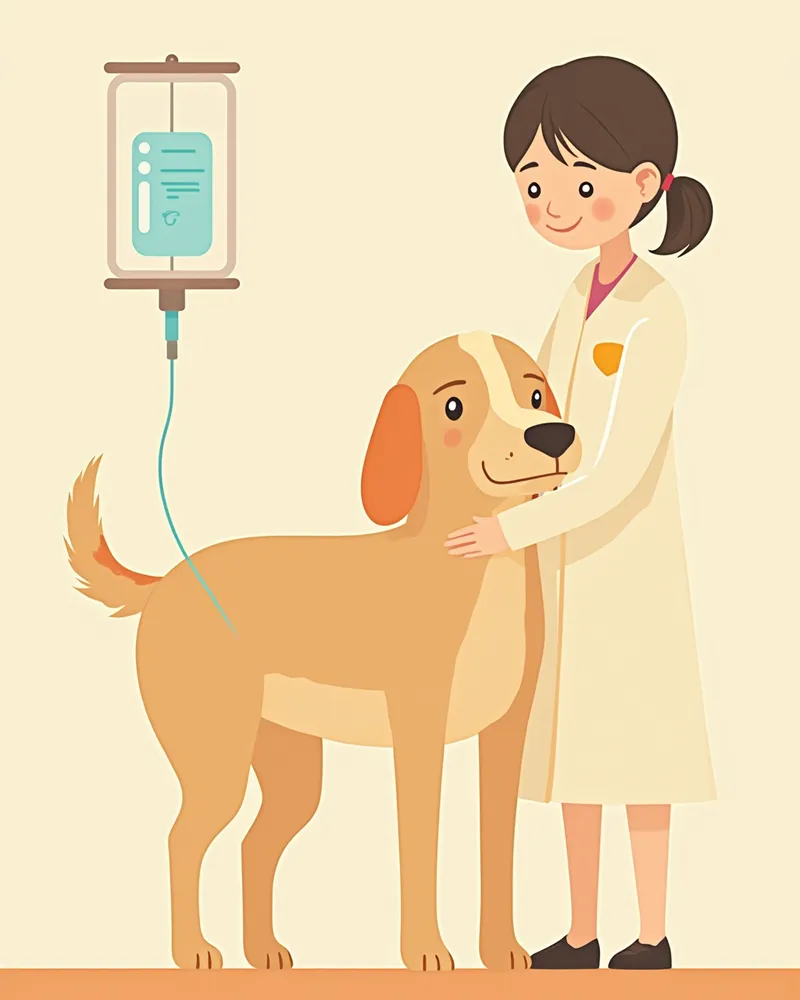
A veterinarian gently petting a puppy receiving intravenous fluid therapy at the animal hospital.

Home Care Guidelines

Proper care during the recovery phase is crucial in preventing relapse. Switch to a prescription liver diet that is low in fat and balanced in protein and carbohydrates. Instead of large meals, offer smaller portions three to four times a day to reduce strain on the liver. Do not stop prescribed medications on your own, even if symptoms improve; complete the full course as directed. Monitor liver enzyme trends through blood tests at 4, 8, and 12 weeks, and maintain gentle walks to support immune function without overexertion.

Breed-Specific Risks and Relapse Prevention

Certain breeds are known to be genetically more susceptible to chronic hepatobiliary diseases. The Cocker Spaniel is a prime example of a breed with a reported predisposition to these conditions, and genetic susceptibility has also been discussed in several other breeds. For dogs with such predispositions or those in middle age and older, we recommend regular liver function tests (blood work) once or twice a year. Additionally, never feed your dog artificial colors, high-fat treats, or human foods containing xylitol, and avoid making sudden changes to their diet.

Reviewed by a veterinarian

Dr. Tony — Punnawat Phongkittirak

Dr. Tony — Punnawat Phongkittirak

Veterinarian

A veterinarian who majored in veterinary medicine at Khon Kaen University, Thailand, and completed the IVSA program at North Carolina State University in the United States. Drawing on clinical experience at animal hospitals, he works in the pet healthcare field and is dedicated to building a digital care environment that connects pet parents with veterinarians.

Frequently Asked Questions

Can cholangitis be cured? Does my pet need to take medication for life?
The prognosis depends on the underlying cause. In bacterial cases, symptoms often improve with adequate antibiotic therapy tailored to bile culture results for at least four to six weeks, but due to the risk of antibiotic resistance and recurrence, the outcome is difficult to predict definitively, and consistent management is essential. For immune-mediated or chronic recurrent forms, long-term maintenance with anti-inflammatory drugs, immunosuppressants, and hepatoprotective agents may be necessary. Regular monitoring by a veterinarian is essential.
I notice jaundice; should I go to the emergency room?
Yes. Jaundice is a sign that bilirubin levels in the blood have abnormally increased. Testing is needed as soon as possible, and if fever or vomiting is present, emergency veterinary care should be sought immediately.
My pet’s liver enzyme levels are slightly elevated. Is it okay to just leave them as they are?
Persistently elevated liver enzymes (such as ALT and ALP) are unlikely to be merely transient. We recommend rechecking these values after a set period to monitor the trend, and if the levels remain elevated or continue to rise, an abdominal ultrasound is advised.
Can I mix regular food with my pet’s liver prescription diet?
During treatment, it’s essential to feed only the prescribed therapeutic diet. Mixing in regular kibble or treats can disrupt the carefully balanced fat and protein levels, slowing down recovery. Once your pet has recovered, consult your veterinarian before gradually transitioning back to their regular food.
How can we prevent the condition from recurring?
Regular blood tests (once or twice a year), a low-fat balanced diet, no self-discontinuation of prescribed medications, keeping human foods toxic to pets (xylitol, onions, grapes) out of reach, and maintaining an appropriate body weight are key.

Share

Related Guides

References

[1] Clinical Medicine of the Dog and Cat, 4th Edition — Hepatobiliary Disorders Chapter

[2] Small Animal Critical Care Medicine, 3rd Edition — Hepatic and Biliary Emergencies

[3] Notes on Canine Internal Medicine, 4th Edition — Jaundice and Cholestasis

This information is based on veterinary literature and does not replace diagnosis or treatment. Please consult a veterinarian for specific health concerns.

Metapet Co., Ltd. | CEO: Park Sung-yong | Business Reg. No. 417-88-02562 | Seoul, South Korea | Customer Center

Canine Cholangitis: Jaundice, Appetite Loss, Diagnosis & Treatment | Meongsiljang