

Feline Urethrostomy and Ureteral Transplant Surgery: Symptoms, Causes, Diagnosis, Treatment, and Key Management Points
Feline urethrostomy and ureteral transplant surgery are major procedures performed on cats at high risk for urinary tract obstruction. This guide provides comprehensive information on the causes, symptoms, diagnostic methods, treatment, and key management points for these surgeries.
What is Feline Urethrostomy and Ureteral Transplant Surgery?
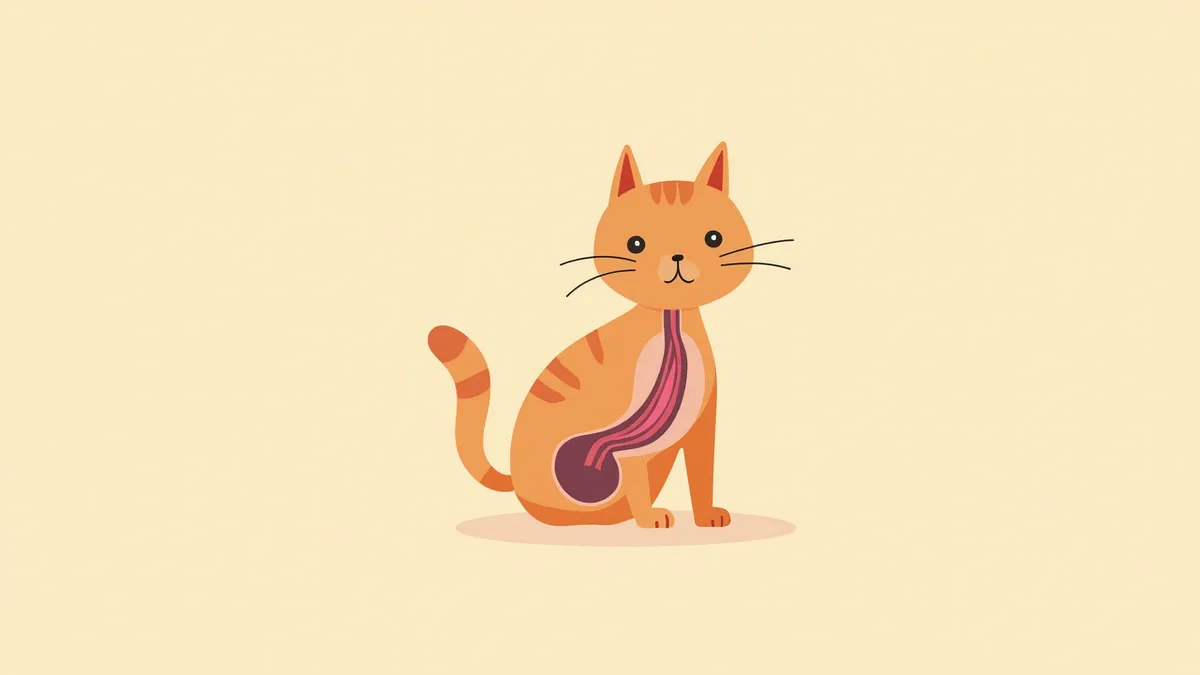
What are the Main Causes of the Surgery?

What are the Main Symptoms?

Emergency Situations Requiring Immediate Veterinary Visit
If your cat repeatedly tries to urinate but produces little or no urine, or if you notice a severely distended abdomen, vomiting, or lethargy, seek veterinary care immediately. Urinary tract obstruction is the most common cause of acute kidney injury in cats, and delayed treatment can lead to permanent kidney damage or life-threatening complications. Emergency management focuses on promptly relieving the blockage through catheterization and decompression, correcting fluid and electrolyte imbalances as well as acid-base disorders, and stabilizing critical risks such as hyperkalemia. Therefore, it is essential to seek professional veterinary assistance without delay.
What are the Accurate Diagnostic Methods?
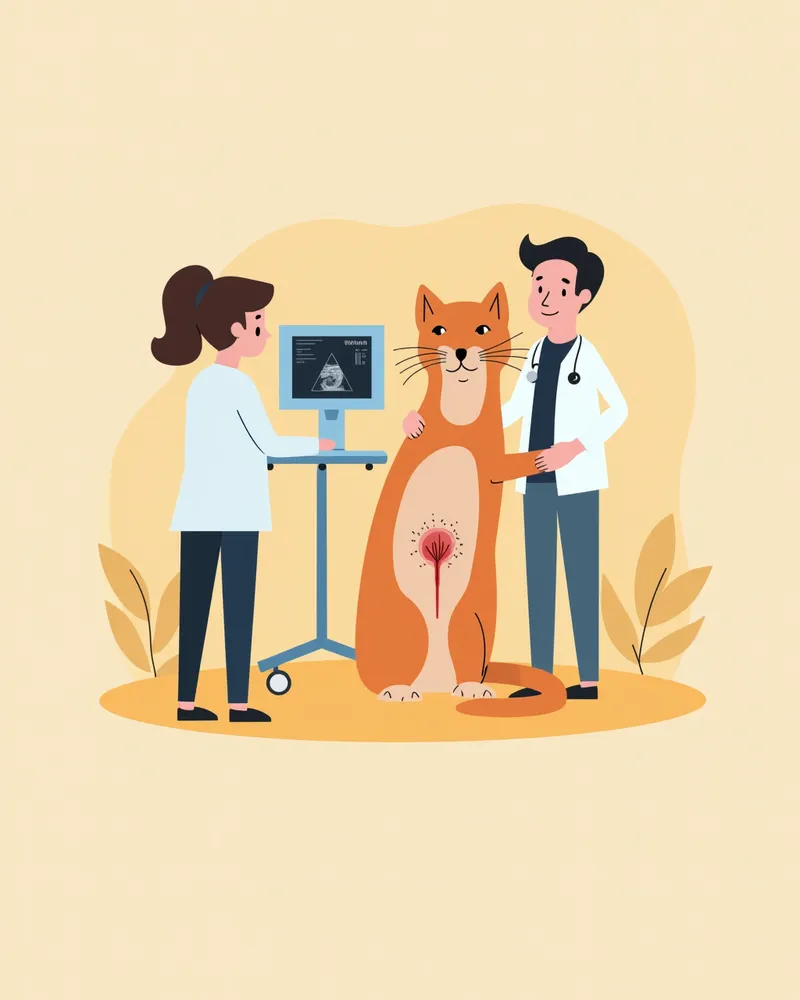
Post-Surgical Treatment and Recovery Stages

Key Management Points at Home

Prevention of Recurrence and Breed Considerations
Urinary obstruction can recur even after surgery, particularly if there are structural abnormalities of the ureter (such as strictures or anatomical malformations), recurrent inflammation, or a high risk of stone formation. Re-obstruction may also result from tissue debris, blood clots, urethritis, or urethral spasms. Therefore, it is essential to maintain regular veterinary check-ups, ensure adequate water intake, and follow appropriate dietary management. Establishing a long-term care plan helps prevent recurrence, and being able to respond quickly to early warning signs is crucial.
Reviewed by a veterinarian

Dr. Tony — Punnawat Phongkittirak
VeterinarianA veterinarian who majored in veterinary medicine at Khon Kaen University, Thailand, and completed the IVSA program at North Carolina State University in the United States. Drawing on clinical experience at animal hospitals, he works in the pet healthcare field and is dedicated to building a digital care environment that connects pet parents with veterinarians.
Reviewed 2026-06-29
Frequently Asked Questions
How long does it take to recover after a perineal urethrostomy?
How long does post-surgical pain last?
How should I choose food for my pet after surgery?
Can urinary obstruction recur after surgery?
Is it okay if my cat doesn’t eat after surgery?
Share
Related Guides

Top 5 Prescription Diets for Feline FLUTD — Comparison by Struvite and Calcium Oxalate Stones

Top 7 Prescription Diets for Feline Bladder and Urinary Tract Health Recommended by Veterinarians — Including Selection Criteria

Top 5 Cranberry Urinary Supplements for Dogs — Preventing Cystitis

Ibuprofen Poisoning Symptoms and Treatment

Comprehensive Guide to Cat Indoor Environmental Enrichment: Symptoms, Causes, Diagnosis, Treatment, and Management

Feline Odontoclastic Resorptive Lesions (FORLs): Symptoms, Causes, Diagnosis, Treatment, and Management Essentials

Feline Hypertrophic Cardiomyopathy (HCM): Symptoms, Causes, Diagnosis, Treatment, and Management Essentials

If Your Dog Drinks Excessive Water and Has a Distended Abdomen — Symptoms and Treatment of Cushing’s Syndrome

If Your Dog Keeps Licking Its Paws — Causes, Treatment, and Recurrence Management for Interdigital Dermatitis

Complete Guide to Giardia Infection in Dogs: Symptoms, Transmission Routes, Treatment, and Prevention
References
[1] Fossum TW. Preoperative and intraoperative care of the surgical patient. In: Fossum TW, Duprey LP, O’Connor D, editors. Small animal surgery. 3rd ed. Boston, MA: Elsevier; 2007.
[2] Hosgood G, Scholl DT. Evaluation of age as a risk factor for perianesthetic morbidity and mortality in the dog. J Vet Emerg Crit Care. 1998;8(3):222-36.
[3] Small Animal Anesthesia and Pain Management A Color Handbook, 3rd Edition. Elsevier; 2021.