
Like
Share
멍실장
강아지 이행세포암(방광암) 증상과 원인, 진단·치료와 관리 포인트 총정리

My Dog Keeps Having Accidents — Warning Signs of Bladder Cancer (Transitional Cell Carcinoma) and Treatment Timing

Oncology/CancerDiseasesMeongsiljang Veterinary Advisory Board

Canine transitional cell carcinoma is a malignant tumor that develops within the bladder, with urinary difficulties and hematuria being its primary symptoms. Early detection and appropriate treatment are crucial for improving survival rates.

What Is Canine Transitional Cell Carcinoma (Bladder Cancer)?

Anatomical location of transitional cell carcinoma in a dog's bladder
Canine transitional cell carcinoma is a cancer that develops when the transitional cells (urothelial cells) lining the bladder become malignant. It is most commonly seen in older dogs, and as the tumor gradually grows, it can cause lower urinary tract symptoms such as difficulty urinating, blood in the urine, and frequent urination. - Transitional cell carcinoma: A tumor that arises from the malignant transformation of transitional cells (urothelial cells) lining the bladder. It can also occur in other parts of the urinary tract, such as the kidneys, ureters, and urethra, and has the potential to metastasize. - Age of onset: Primarily affects older dogs, so vigilance increases with age. - Common site: It is known to frequently develop in the trigone of the bladder. Early detection is crucial, so consult your veterinarian immediately if you notice urinary abnormalities such as blood in the urine or frequent urination.

What Are the Main Causes of Transitional Cell Carcinoma?

The exact cause of transitional cell carcinoma in dogs remains unclear. However, recent studies have identified a specific gene mutation (BRAF) in approximately 95% of these tumors, highlighting the role of genetic and molecular changes in their development and leading to the commercialization of diagnostic tests for this mutation. Additionally, chronic inflammation such as cystitis or bladder stones are common conditions that irritate the lower urinary tract and can cause symptoms similar to those of tumors, including hematuria, frequent urination, and difficulty urinating, necessitating differential diagnosis. Since the cause is multifactorial, it is important to conduct thorough examinations to identify the underlying cause if urinary abnormalities persist.
Visualizing inflammation and abnormal cellular changes within the bladder

Check the Main Symptoms and Signs

In the early stages of canine transitional cell carcinoma, symptoms may be subtle, but they gradually become more pronounced. The main signs include:
Hematuria: Blood is often present in the urine, with color ranging from red to brown.
Pollakiuria: The dog frequently attempts to urinate but typically passes only small amounts each time.
Dysuria: The dog may show signs of pain or strain while urinating, such as prolonged squatting or straining (stranguria).
Abdominal discomfort: The dog may react sensitively when the lower abdomen is touched.
Systemic changes: Loss of appetite or a general decline in condition may also occur.
If these lower urinary tract symptoms persist, a veterinary visit is essential.
Difficulty urinating and blood in the urine in dogs

Emergency Signs Requiring Immediate Veterinary Visit

If your dog is completely unable to urinate or shows severe pain during urination, you should take them to the vet immediately. This could be acute urinary obstruction caused by a blocked bladder, which can be life-threatening. Additionally, if there is significant and persistent blood in the urine, along with a complete loss of appetite and weakness, early treatment is essential.

Diagnostic Tests for Accurate Diagnosis
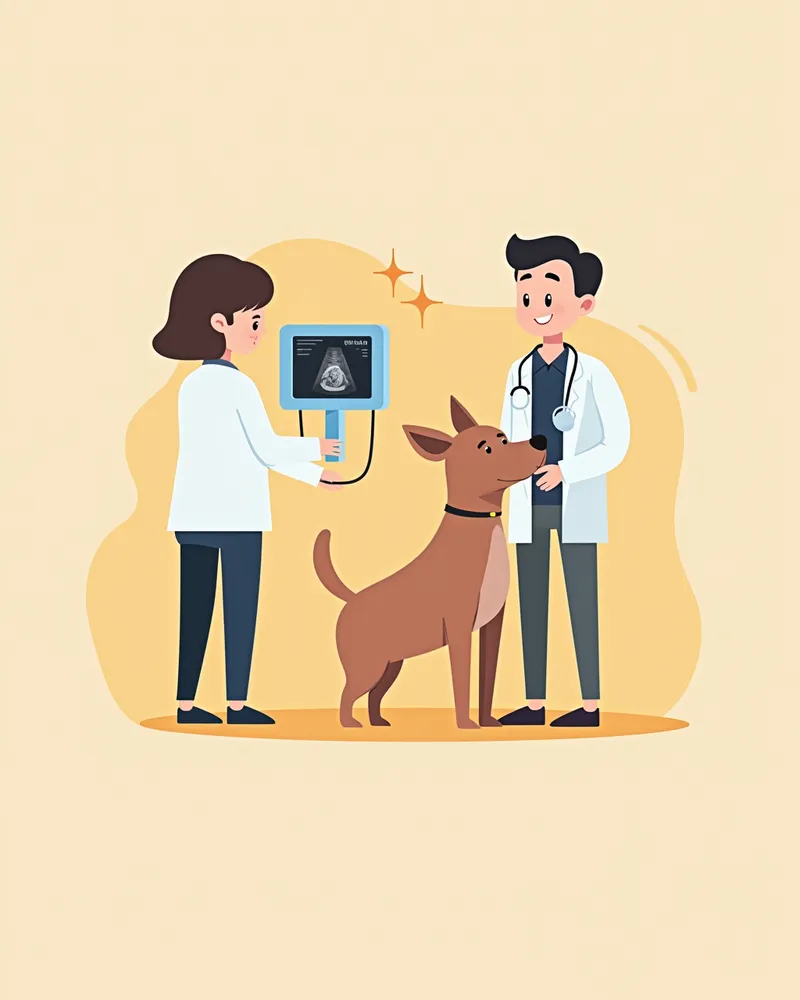
To diagnose transitional cell carcinoma, we perform a combination of tests. First, urinalysis checks for hematuria, inflammation, and the presence of tumor cells (transitional cells), while imaging studies such as ultrasound determine the size and location of the tumor within the bladder. Historically, diagnosis relied on combining imaging and urinalysis with aspiration biopsy via catheter. Recently, urine-based genetic tests, such as the BRAF test, have also been utilized to detect the genetic mutation present in approximately 95% of transitional cell carcinoma cases. If necessary, thoracic imaging is performed to check for metastasis. Since an accurate diagnosis is the foundation for developing a treatment plan, it is essential to conduct all tests thoroughly.
Ultrasound examination of a dog's bladder

Treatment Options and Step-by-Step Approach

Treatment for transitional cell carcinoma depends on the tumor’s size, location, and whether it has metastasized. The main treatment options are as follows:
Surgical removal: If the tumor is localized and has not metastasized, partial or complete cystectomy (bladder removal) may be considered. However, because transitional cell carcinoma often arises in the trigone of the bladder, complete surgical excision is frequently difficult, and reported survival times are limited. Therefore, surgery is usually combined with other treatments.
Chemotherapy: Drugs such as doxorubicin, mitoxantrone, cisplatin, carboplatin, and cyclophosphamide are used when metastasis is suspected or as adjuvant therapy after surgery.
Pharmacological (NSAID) therapy: Nonsteroidal anti-inflammatory drugs like piroxicam are used either alone or in combination with chemotherapy. Studies have shown higher response rates when NSAIDs are combined with chemotherapy.
Radiation therapy: When surgery is not feasible, radiation therapy can help control tumor growth.
As such, a multimodal approach is typically necessary for treatment.
A puppy recovering after bladder surgery

Home Care and Management Points

Proper care at home after treatment is crucial. Please be sure to follow these guidelines:
Post-surgical care: Keep the incision site clean and monitor it closely for any signs of infection.
Dietary management: Feed the special diet recommended by your veterinarian. Increase water intake to support bladder health.
Activity restriction: Avoid excessive exercise during the initial recovery period and allow your pet to rest in a quiet environment.
Regular check-ups: Monitor for recurrence with ultrasound or urinalysis every 3 to 6 months.
Pain management: If your pet experiences pain, administer the prescribed medication exactly as directed by your veterinarian.
Consistent care significantly contributes to extending your pet’s lifespan.
Post-surgical recovery environment for dogs

Breed-Specific Precautions and Recurrence Prevention

While certain breeds are known to have a higher risk of transitional cell carcinoma, it is most commonly reported in senior dogs. Therefore, it’s important to closely monitor the urinary habits of older dogs and consider regular urine tests and ultrasounds. Additionally, recurrent cystitis or bladder stones can cause lower urinary tract symptoms similar to those of tumors, such as hematuria, frequent urination, and difficulty urinating, making differential diagnosis and early management essential. Since there is a risk of recurrence even after treatment, the most important step is to detect any changes promptly through regular check-ups.

Reviewed by a veterinarian

Dr. Tony — Punnawat Phongkittirak

Dr. Tony — Punnawat Phongkittirak

Veterinarian

A veterinarian who majored in veterinary medicine at Khon Kaen University, Thailand, and completed the IVSA program at North Carolina State University in the United States. Drawing on clinical experience at animal hospitals, he works in the pet healthcare field and is dedicated to building a digital care environment that connects pet parents with veterinarians.

Frequently Asked Questions

Is canine transitional cell carcinoma curable?
Transitional cell carcinoma often arises in the trigone of the bladder, making complete surgical removal difficult in many cases. As a result, the goal shifts from cure to controlling the tumor while improving quality of life and extending survival. Treatment typically involves a combination of surgery, chemotherapy, anti-inflammatory medications, and radiation therapy, tailored to the individual case, with regular check-ups to monitor disease progression.
Can squamous cell carcinoma be transmitted to humans?
No, cancer is not a contagious disease. Transitional cell carcinoma arises from the malignant transformation of a dog’s own cells and cannot be transmitted to humans, so you can manage your pet’s condition with peace of mind.
Can it be prevented?
While complete prevention is difficult, early treatment of lower urinary tract diseases such as cystitis or urolithiasis, along with regular check-ups to promptly detect urinary abnormalities, can help reduce the risk.
How long does chemotherapy need to be continued?
The treatment duration is determined by the specific plan, and your veterinarian will adjust the schedule and medications based on the tumor’s response and any side effects. Ongoing monitoring is essential.
If transitional cell carcinoma is suspected, what tests should be performed?
An accurate diagnosis can be made through urine tests, imaging studies such as bladder ultrasound, aspiration biopsies using a catheter, genetic testing (BRAF), and chest imaging to check for metastasis.

Share

Related Guides

References

[1] Jubb, K. et al. (1993). The pancreas. In Pathology of Domestic Animals. Elsevier Saunders.

[2] Birchard, S.J. et al. (1986). Nonlymphoid intestinal neoplasia in 32 dogs and 14 cats. Journal of the American Veterinary Medical Association, 22:533–537.

[3] Moore, A.S. et al. (2002). Streptozocin for treatment of pancreatic islet cell tumors in dogs: 17 cases (1989–1999). Journal of the American Veterinary Medical Association, 221:811–818.

This information is based on veterinary literature and does not replace diagnosis or treatment. Please consult a veterinarian for specific health concerns.

Metapet Co., Ltd. | CEO: Park Sung-yong | Business Reg. No. 417-88-02562 | Seoul, South Korea | Customer Center

Dog Urinary Accidents? Bladder Cancer (TCC) Warning Signs | Meongsiljang