Like
Share
멍실장
고양이 FVRCP 고양이 복합백신 증상과 원인, 진단·치료와 관리 포인트 총정리

FVRCP Cat Combination Vaccine: Symptoms, Causes, Diagnosis, Treatment, and Care Points Summary

Lifestyle & Age CareDiseasesMeongsiljang Veterinary Advisory Board

The FVRCP vaccine for cats is an essential combination vaccine that protects against feline panleukopenia (distemper), respiratory infections, and calicivirus. Prevention is the most important strategy in managing your cat's health.

What is the FVRCP Combination Vaccine for Cats?
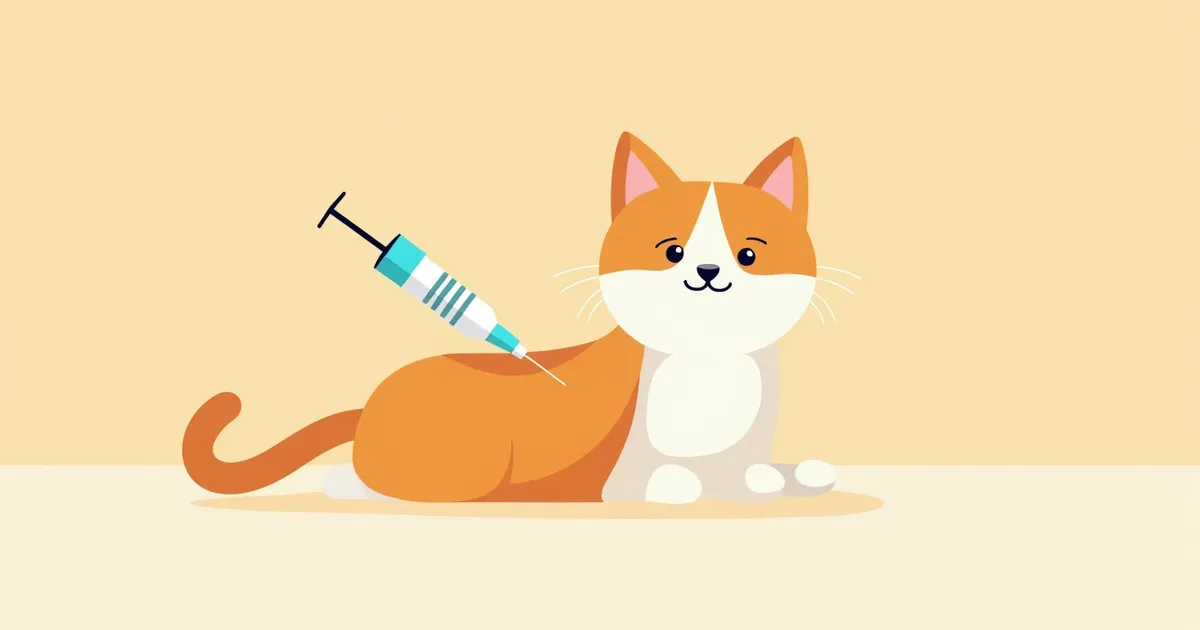
A cat receiving a vaccination
The FVRCP combination vaccine is essential for protecting cats against feline panleukopenia (caused by feline parvovirus), feline herpesvirus-1 (FHV-1), and feline calicivirus (FCV), which cause infectious rhinotracheitis. These three viruses can lead to life-threatening diseases in cats, with young kittens and immunocompromised individuals being particularly susceptible to severe complications. The vaccine uses modified live virus (MLV) components to stimulate the immune system, preparing it for potential real-world infections. Immunity against feline panleukopenia is especially critical due to the disease’s high prevalence and severity. Vaccination is a cornerstone of preventive care, safeguarding your cat’s health and life. Regular boosters are important, and you should consult your veterinarian to determine the appropriate vaccination schedule.

Key Causes and Mechanisms of the FVRCP Vaccine

The FVRCP vaccine is a preventive measure and does not cause disease itself. However, the immune response it triggers is the key mechanism for building resistance against viruses. The parvovirus that causes panleukopenia spreads via the fecal-oral route, reduces white blood cell counts, and can cause severe damage to the intestines (digestive system). Herpesvirus-1 causes inflammation in the upper respiratory tract (airways), while calicivirus causes lesions in the mouth and respiratory system. These viruses spread through the air, contact, or feces, and the risk of infection increases depending on a cat's living environment. The vaccine helps form immune memory against these three viruses, enabling a rapid response in the event of actual infection.
How feline viruses invade cells

Key Symptoms and Signs Related to the FVRCP Vaccine

The FVRCP vaccine itself is symptom-free, but temporary reactions may occur after vaccination. These reactions typically resolve within a week. Watch for the following signs:
Fever: A slight increase in body temperature may occur within 1–2 days after vaccination.
Decreased appetite: Your pet may eat less temporarily.
Lethargy: Reduced activity and increased sleepiness may be observed.
Swelling at the injection site: The area where the vaccine was administered may become swollen or firm.
Coughing or nasal discharge: These may indicate a mild respiratory irritation response.
These symptoms are usually temporary. If they persist or worsen, consult your veterinarian.
A sleepy cat after vaccination

Situations Requiring Immediate Veterinary Visit

If your pet develops a high fever, difficulty breathing, vomiting, diarrhea, seizures, or severe swelling at the injection site within 24 hours of vaccination, seek veterinary care immediately. Although rare, these signs may indicate a serious allergic reaction.

Diagnostic Methods and Procedures for the FVRCP Vaccine

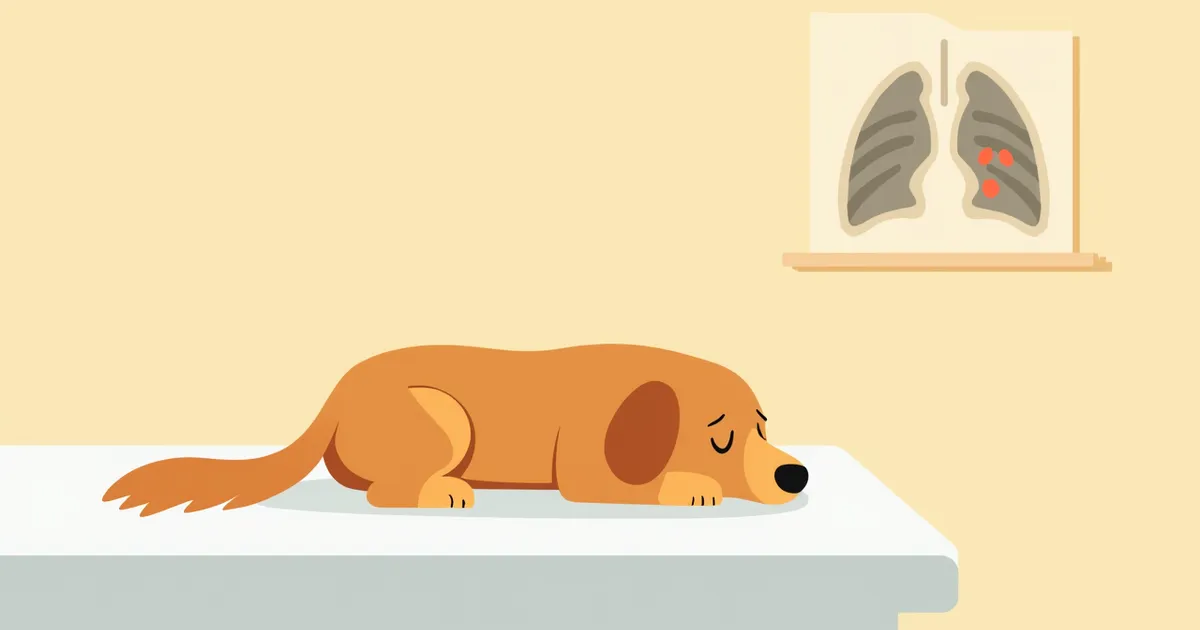
The FVRCP vaccine is a preventive measure rather than a diagnostic tool, so no special testing is required at the clinic after vaccination. However, it is important to assess your cat’s overall health before administering the vaccine. The veterinarian will check vital signs such as body temperature, respiratory rate, heart rate, and weight, and may perform blood or urine tests if needed to evaluate immune status. Cats with underlying conditions or compromised immunity are recommended to undergo additional pre-vaccination testing. If any adverse reactions occur after vaccination, seek veterinary care immediately, at which point a diagnosis can be made. Regular health check-ups and vaccinations should be considered together as part of comprehensive care.
A veterinarian examining a cat.

Treatment and Management Methods for the FVRCP Vaccine

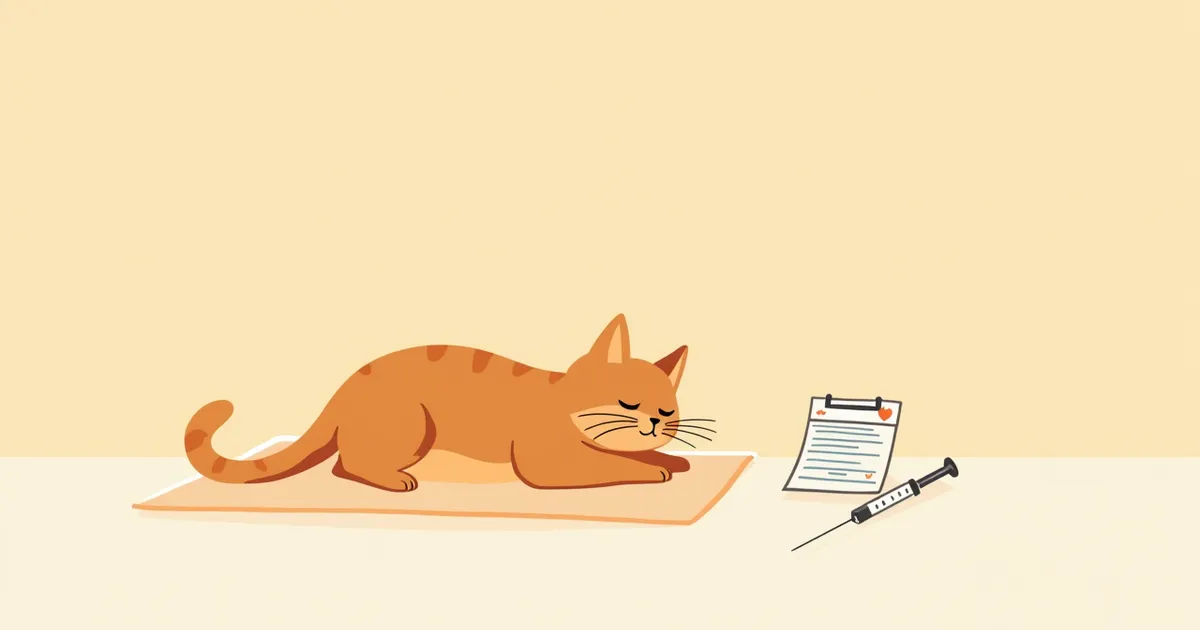
Since the FVRCP vaccine is a preventive measure rather than a treatment, keeping up with vaccinations is the most important aspect of care. After vaccination, allow your cat to rest in a comfortable environment. Keep them in a warm, quiet space and ensure they have plenty of water to drink. If their appetite decreases, you can offer appropriate cat-specific snacks or liquid food. If there is swelling or pain at the injection site, apply a cold compress, but avoid touching the area directly. Administer any medications prescribed by your veterinarian exactly as directed, and contact the clinic immediately if any adverse reactions occur.
A cat resting comfortably in a peaceful environment

FVRCP Vaccine Care Points at Home

For 24 to 48 hours after vaccination, it is important to protect your cat from external stressors. Minimize contact with other cats and maintain a quiet environment. Avoid touching the injection site, and you may apply a cold compress if swelling or pain occurs. Prepare a quiet space where your cat can rest comfortably, and offer food and water frequently. Strictly follow any medications prescribed by your veterinarian, and contact the clinic immediately if any adverse reactions appear. Regular health care and vaccinations should be considered together.
A cat resting quietly in a calm environment.

Breed-Specific Precautions and Prevention of Recurrence

While some reports suggest that certain breeds, such as Black Persians and British Shorthairs, may experience stronger vaccine reactions or more pronounced typical symptoms, there is currently insufficient evidence to confirm this. In particular, pregnant cats are not recommended to receive the FVRCP vaccine containing live attenuated virus (MLV) components, as MLV vaccination during pregnancy can lead to fetal abnormalities such as miscarriage or cerebellar hypoplasia. If vaccination is absolutely necessary, consider using inactivated vaccines, which are relatively safer. Vaccines should be administered regularly, and the appropriate timing should be adjusted in consultation with your veterinarian.

Reviewed by a veterinarian

Dr. Tony — Punnawat Phongkittirak

Dr. Tony — Punnawat Phongkittirak

Veterinarian

A veterinarian who majored in veterinary medicine at Khon Kaen University, Thailand, and completed the IVSA program at North Carolina State University in the United States. Drawing on clinical experience at animal hospitals, he works in the pet healthcare field and is dedicated to building a digital care environment that connects pet parents with veterinarians.

Frequently Asked Questions

When should the FVRCP vaccine be administered?
Vaccinations typically begin around 8 weeks of age, with two to three doses administered at three- to four-week intervals. Booster shots are then determined based on your veterinarian’s assessment. Since immunity against parvovirus can last for years even after a single dose, some vaccines are given annually or every three years. Therefore, it’s important to coordinate the vaccination schedule alongside regular health check-ups.
Can a cat die after receiving a vaccine?
Although extremely rare, severe allergic reactions (anaphylaxis) can be fatal. However, the preventive benefits far outweigh the risks, and the likelihood of minor side effects is much lower than the risk of contracting the disease. Therefore, the safest approach is to follow procedures designed to minimize risks in consultation with your veterinarian.
Can pregnant cats receive vaccinations?
As a general rule, pregnant cats should not receive the FVRCP vaccine containing live attenuated (MLV) components. This is because such vaccines can cause fetal abnormalities, including miscarriage and cerebellar hypoplasia. If vaccination is absolutely necessary during pregnancy, the relatively safer inactivated vaccine should be considered with careful discretion.
What should I do if my pet’s vaccine side effects last longer than expected?
If symptoms persist for more than two days or worsen, consult your veterinarian immediately. Persistent swelling, fever, or loss of appetite may require additional diagnostics, such as blood tests or X-rays.
Can the FVRCP vaccine be administered alongside other vaccines?
Generally, the FVRCP vaccine can be administered alongside other vaccines. However, it is important for your veterinarian to make this decision after taking into account your cat’s overall health, age, and pregnancy status. Live vaccines, in particular, require caution in cats with weakened immune systems.

Comparison of FVRCP Vaccine Types

ItemDuration of EfficacyRisk of Side EffectsVaccination Timing and Restrictions
Modified Live Vaccine (MLV)1 year or more (can last longer with booster shots)Low (contraindicated during pregnancy)After 8 weeks of age, contraindicated during pregnancy
Killed Vaccine (Killed)6 months–1 year (multiple doses required)Moderate (risk of side effects exists)Relatively safer than MLV during pregnancy, administer with caution
Combination Vaccine (MLV + Killed)1 year or more (including booster shots)Low (contains live vaccine components)After 8 weeks of age, not recommended during pregnancy

Modified live vaccines (MLV) produce a strong immune response but are contraindicated during pregnancy. Killed vaccines are relatively safer than MLV during pregnancy but have a shorter duration of efficacy, requiring regular booster shots. Combination vaccines are effective but contain live vaccine components, so vaccination during pregnancy is not recommended.

Share

Related Guides

References

[1] The Cat, Clinical Medicine and Management, 2nd Edition, 2022

[2] Clinical Medicine of the Dog and Cat, 4th Ed, 2021

[3] ABCD Guidelines for Feline Vaccination, 2015

This information is based on veterinary literature and does not replace diagnosis or treatment. Please consult a veterinarian for specific health concerns.

Metapet Co., Ltd. | CEO: Park Sung-yong | Business Reg. No. 417-88-02562 | Seoul, South Korea | Customer Center

Cat FVRCP Vaccine: Symptoms, Causes, and Treatment Explained | Meongsiljang