

Dog Testicular Tumors: Don't Wait — Symptoms, Causes, Neutering Treatment, and Prognosis
Testicular tumors are one of the most common malignant tumors in male dogs. Early detection and surgery are key to treatment.
What Are Dog Testicular Tumors?

What Are the Main Causes of Testicular Tumors?
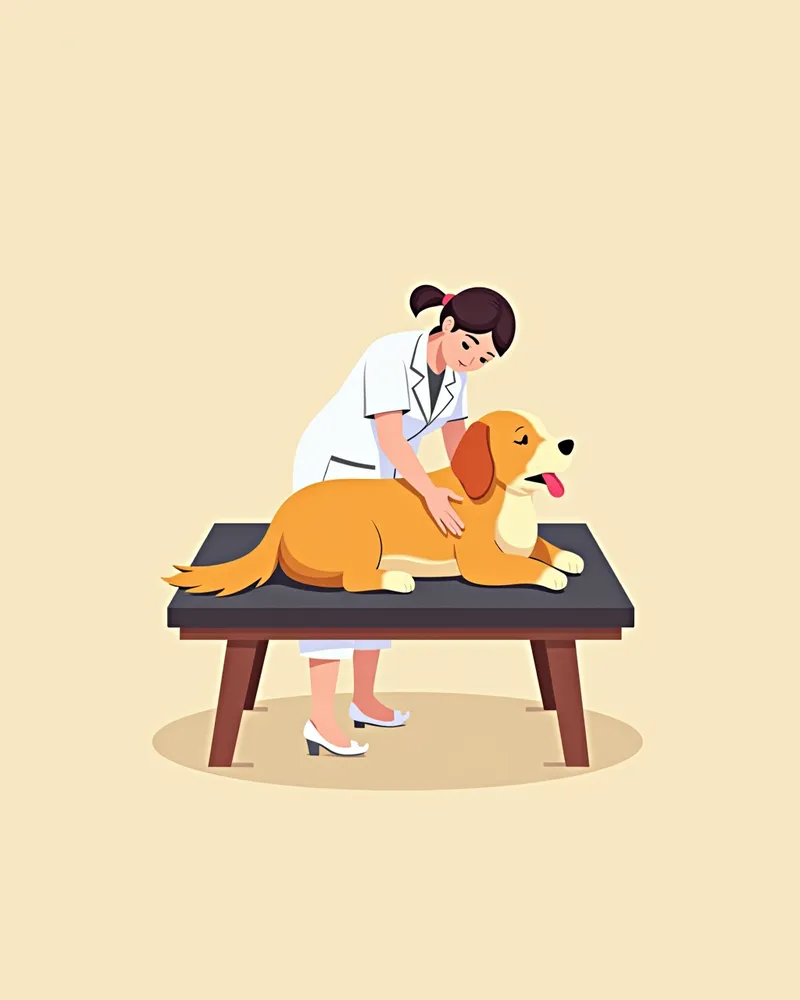
Check for Key Symptoms and Signs

When to Visit the Vet Immediately
If the testicular area swells rapidly, your dog shows severe pain, or is unable to defecate at all, it’s an emergency. In such cases, contact your veterinarian immediately for a consultation and examination.
Diagnostic Tests for Accurate Diagnosis
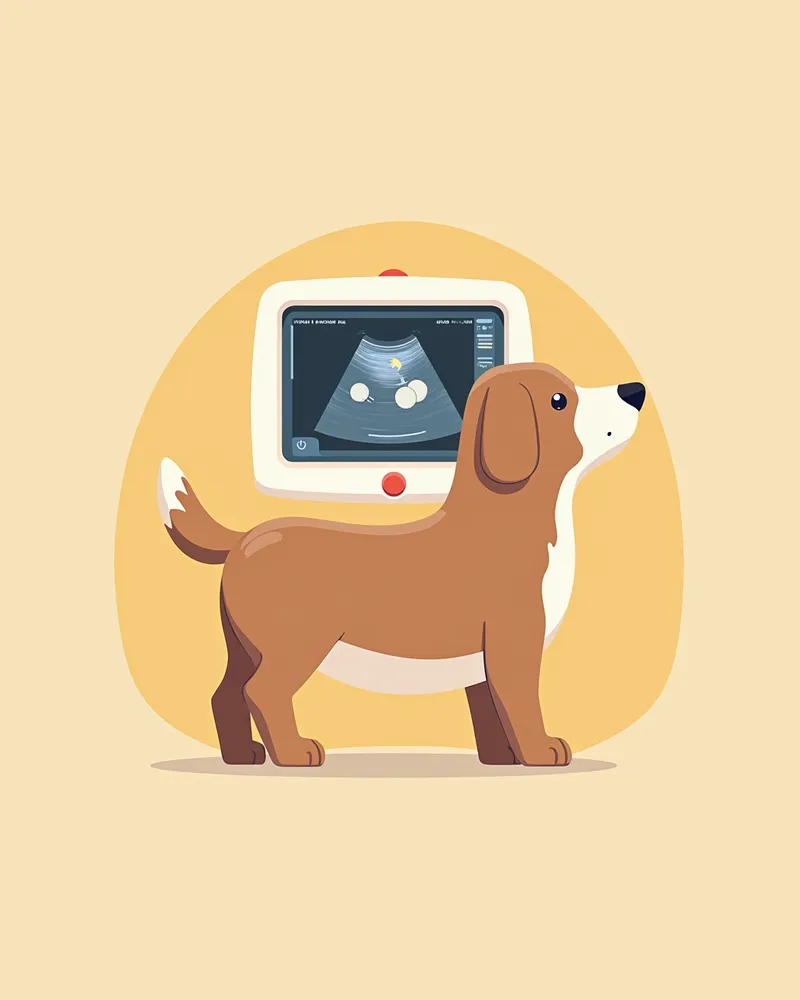
Treatment: Surgery Is the Most Effective Option

Home Care and Precautions

Breed-Specific Considerations and Preventing Recurrence
Testicular tumors are most common in dogs with cryptorchidism (undescended testicles). Therefore, neutering is recommended for all dogs with undescended testicles. While it's difficult to find definitive statistics in textbooks stating that these tumors are more common in terriers or small breeds, testicular tumors can be relatively easily prevented and cured through neutering. According to veterinary textbooks, neutering (castration) is an effective preventive measure.
Reviewed by a veterinarian

Dr. Tony — Punnawat Phongkittirak
VeterinarianA veterinarian who majored in veterinary medicine at Khon Kaen University, Thailand, and completed the IVSA program at North Carolina State University in the United States. Drawing on clinical experience at animal hospitals, he works in the pet healthcare field and is dedicated to building a digital care environment that connects pet parents with veterinarians.
Reviewed 2026-06-07
Frequently Asked Questions
Can testicular tumors metastasize?
Can my dog get sick again after surgery?
Can testicular tumors cause hair loss?
Do testicular tumors cause pain?
Is there anything special I need to prepare before the surgery?
Share
Related Guides

Comprehensive Guide to Recommended Hospice Care and Quality of Life Management for Cats with Tumors

7 Factors Determining Prognosis and Life Expectancy in Dogs with Tumors, According to Veterinarians

7 Key Management Points for Canine Transitional Cell Carcinoma (Bladder Cancer) Recommended by Veterinarians — From Symptoms to Care
Dog Bladder Polyps and Growths: Symptoms, Causes, Diagnosis, Treatment, and Management Essentials

Canine Bacterial Cystitis: Symptoms, Causes, Diagnosis, Treatment, and Management Essentials

Feline Urine Culture Test: Symptoms, Causes, Diagnosis, Treatment, and Management Essentials
Feline Ureteral Stones: A Complete Guide to Symptoms, Causes, Diagnosis, Treatment, and Management

Feline Ureteral Bypass Surgery (SUB): Symptoms, Causes, Diagnosis, Treatment, and Care Points Summary

Feline Pollakiuria and Stranguria: Symptoms, Causes, Diagnosis, Treatment, and Management Essentials

Feline Idiopathic Cystitis: Symptoms, Causes, Diagnosis, Treatment, and Management Essentials
References
[1] Heaton, C.M. et al. (2020). Clinical Evaluation of toceranib for treatment of apocrine gland anal sac adenocarcinoma in dogs. Journal of Veterinary Internal Medicine, 34(2), 873–881.
[2] BSAVA Manual of Canine and Feline Dermatology, 4th Ed. (2021). Anal sac neoplasia in dogs: diagnosis and management.
[3] Veterinary Surgical Oncology, 2nd Ed. (2020). Chapter on testicular tumors in dogs: incidence, pathology, and surgical outcomes.