Like
Share
멍실장
강아지 기관지경 검사 증상과 원인, 진단·치료와 관리 포인트 총정리

Dog Bronchoscopy: Symptoms, Causes, Diagnosis, Treatment, and Management Essentials

RespiratoryDiseasesMeongsiljang Veterinary Advisory Board

A bronchoscopy is a diagnostic procedure used to accurately identify the cause of chronic coughing or difficulty breathing in dogs. During this test, your veterinarian directly examines the trachea and airways to confirm any underlying conditions.

What is a Dog Bronchoscopy?
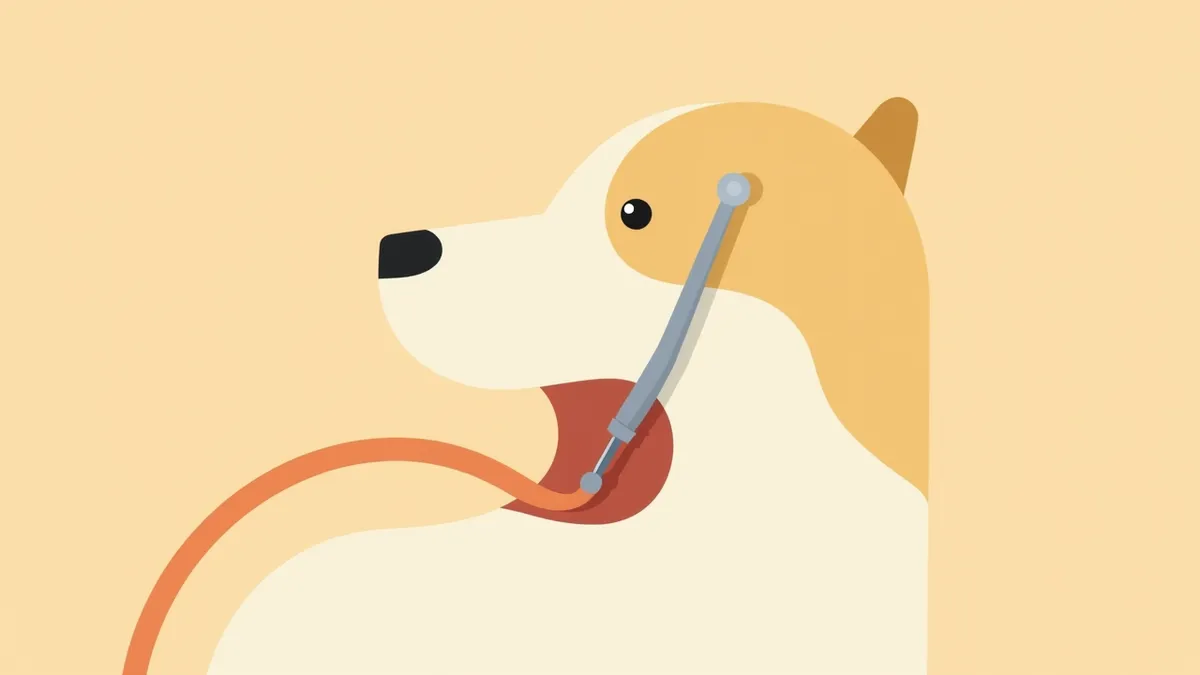
The endoscope entering the airway during a bronchoscopy in a dog
A bronchoscopy is a diagnostic procedure that allows direct visualization of the trachea and airways. - Bronchoscopy: This procedure uses an endoscope to closely examine the airways, detecting inflammation, narrowing, foreign bodies, tumors, and other abnormalities. It is especially important for dogs with chronic coughing or persistent difficulty breathing. - Diagnostic Purpose: It helps accurately identify the underlying causes of conditions such as bronchitis, bronchiectasis, and airway obstruction. - Procedure: Performed under anesthesia, the endoscope is inserted to enable real-time video observation and cell sampling. - Advantages: Direct visual assessment and biopsy capabilities enhance diagnostic accuracy, playing a crucial role in determining the treatment plan. This procedure is essential for safeguarding your dog’s respiratory health.

What are the Main Causes for Bronchoscopy?
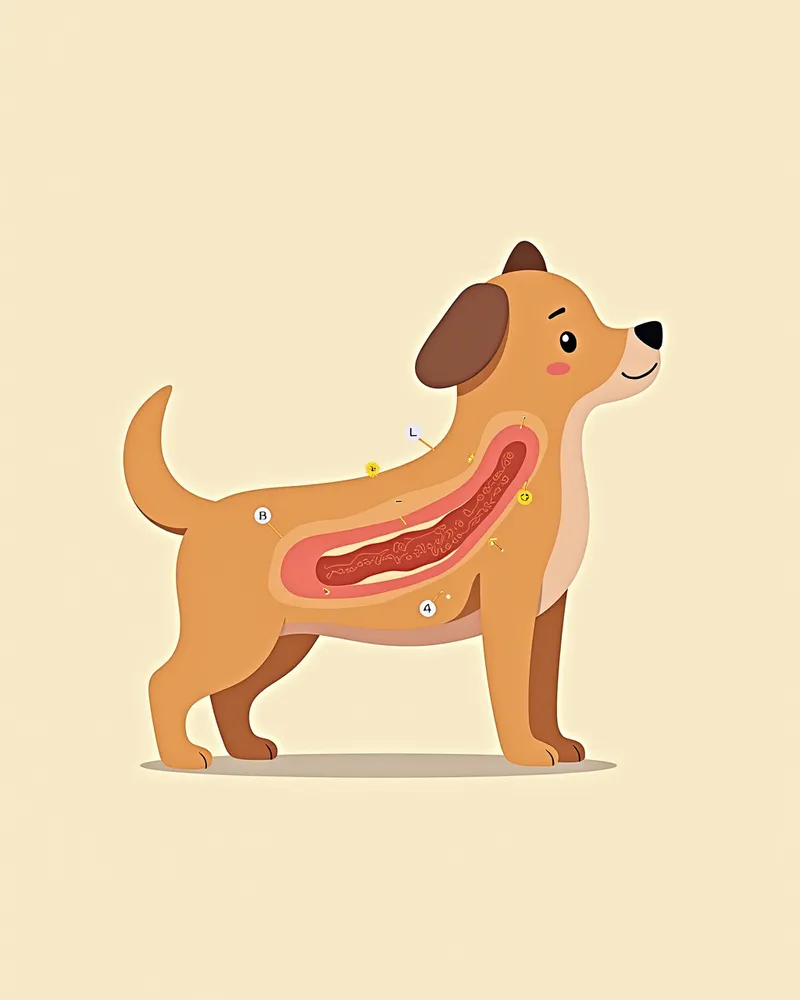
Bronchoscopy in dogs is performed when there are signs of chronic coughing, difficulty breathing, or abnormalities in the airways. - Bronchitis: This is typically caused by airway inflammation due to viral or bacterial infections. - Bronchiectasis: A condition where the bronchi become irreversibly dilated, leading to the accumulation of thick airway secretions and sometimes accompanying infections. It often occurs alongside chronic bronchitis. - Airway Stenosis: A narrowing of the airways, which can be congenital or acquired. - Foreign Body Aspiration: This can occur when an ingested object becomes lodged in the airway. - Bronchial Tumors: Although uncommon, these can be primary or metastatic. Bronchoscopy is necessary to accurately identify these underlying causes.
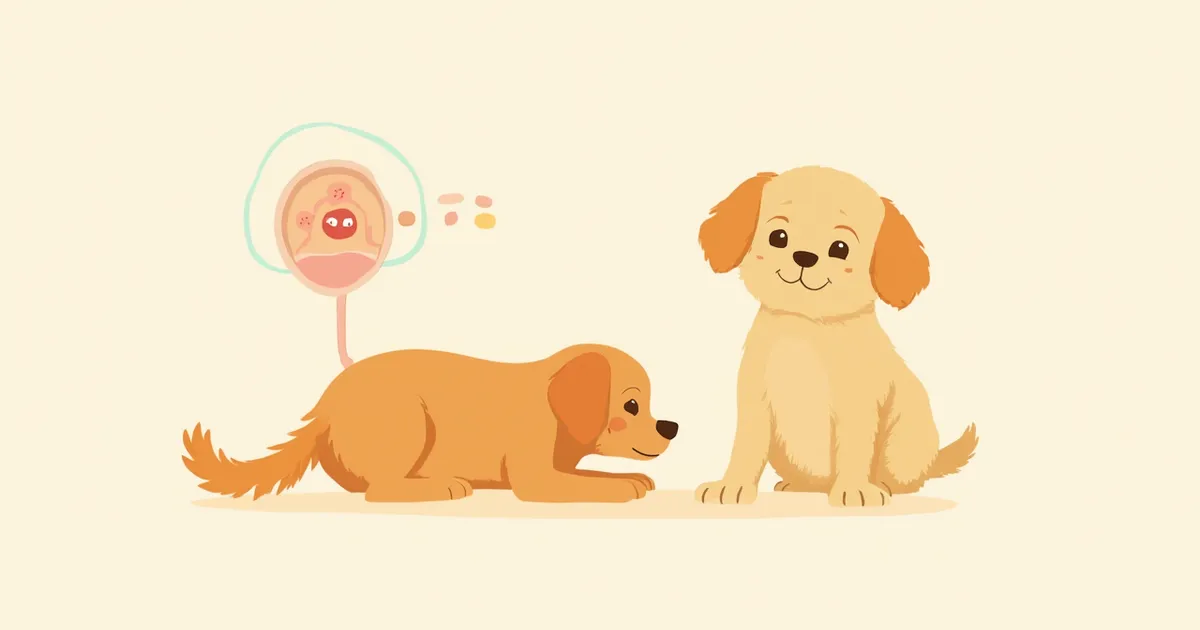
Inflammation and narrowing of the airway in a small dog

What are the Main Symptoms and Signs?
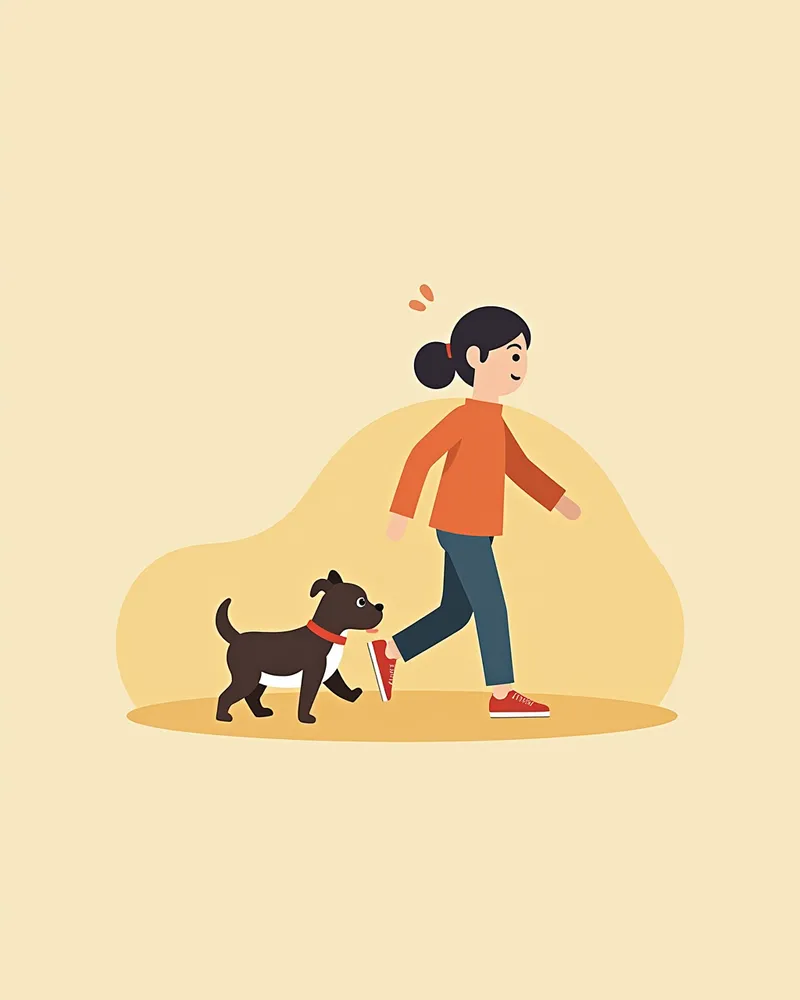
The main symptoms that indicate your dog needs a bronchoscopy include chronic coughing, weakness during breathing, abnormal sounds from the airways, vomiting after coughing, and decreased activity levels. - Chronic cough: Occurs multiple times a day and worsens at night or after exercise. - Difficulty breathing: Your dog appears to struggle for breath and may breathe with an open mouth. - Abnormal airway sounds: Whistling or harsh noises may be heard during coughing or breathing. - Vomiting after coughing: Severe coughing fits can sometimes lead to vomiting of stomach contents. - Decreased activity: Your dog may have trouble playing as usual and require more rest. If these symptoms persist for more than two weeks, a bronchoscopy is recommended.
A puppy coughing

Symptoms Requiring Immediate Veterinary Visit

If your pet is having difficulty breathing, if their mouth or lips turn blue, or if they faint or collapse due to coughing, you should visit the vet immediately. These are signs of airway obstruction or serious respiratory issues.

How is the Diagnostic Process and Examination Performed?
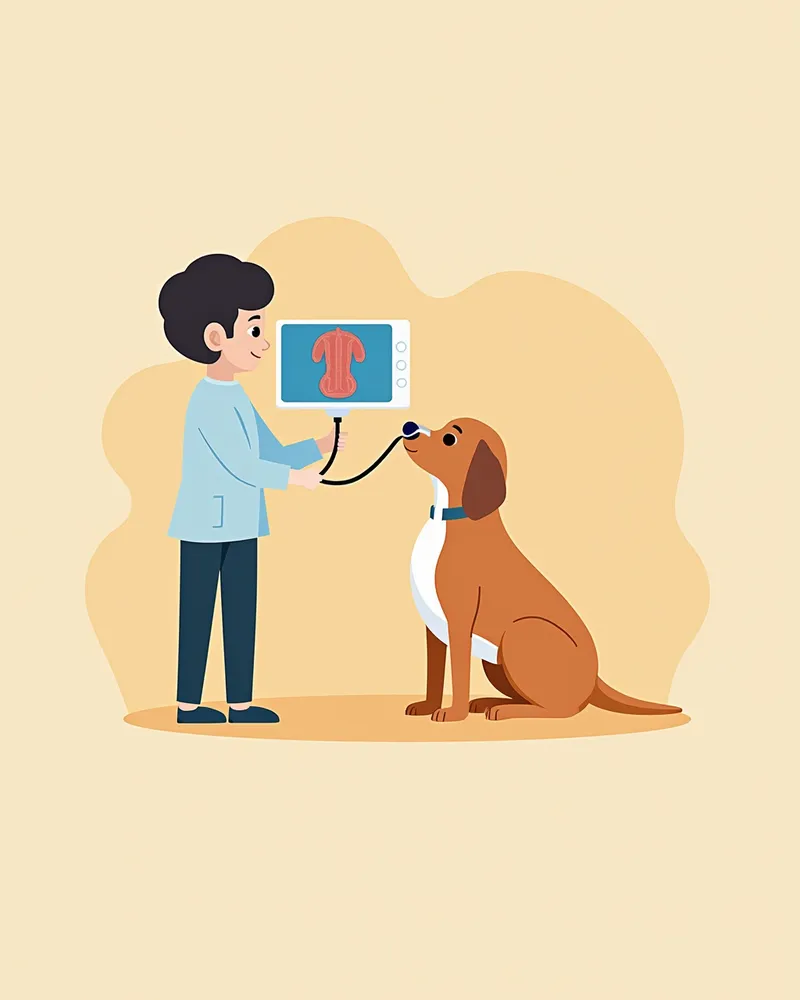
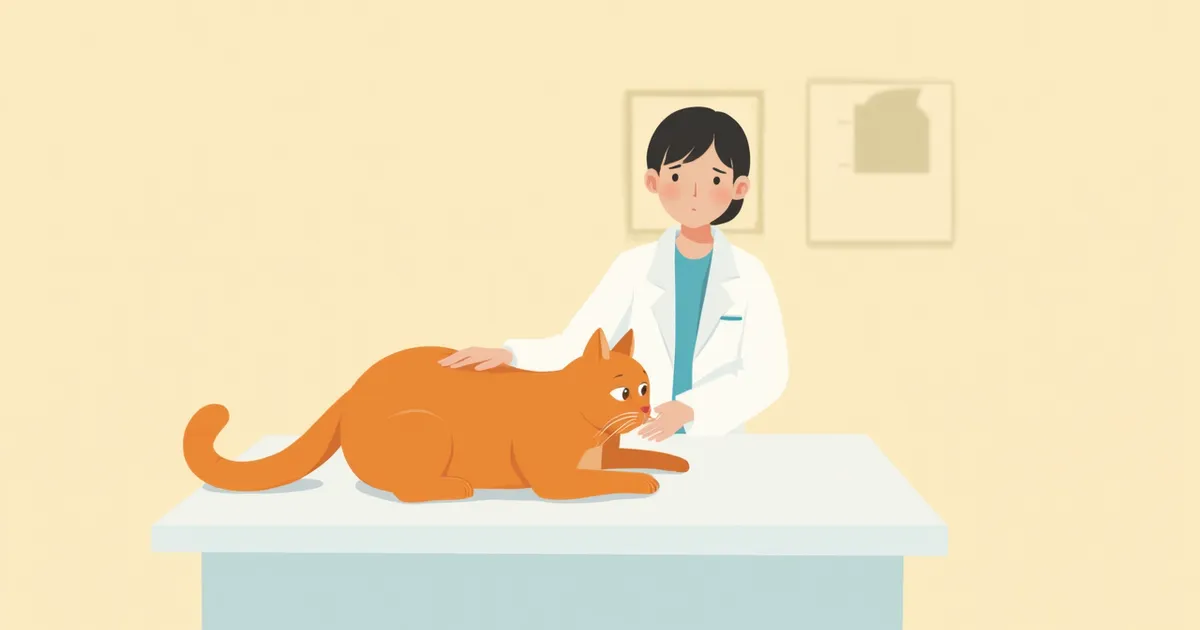
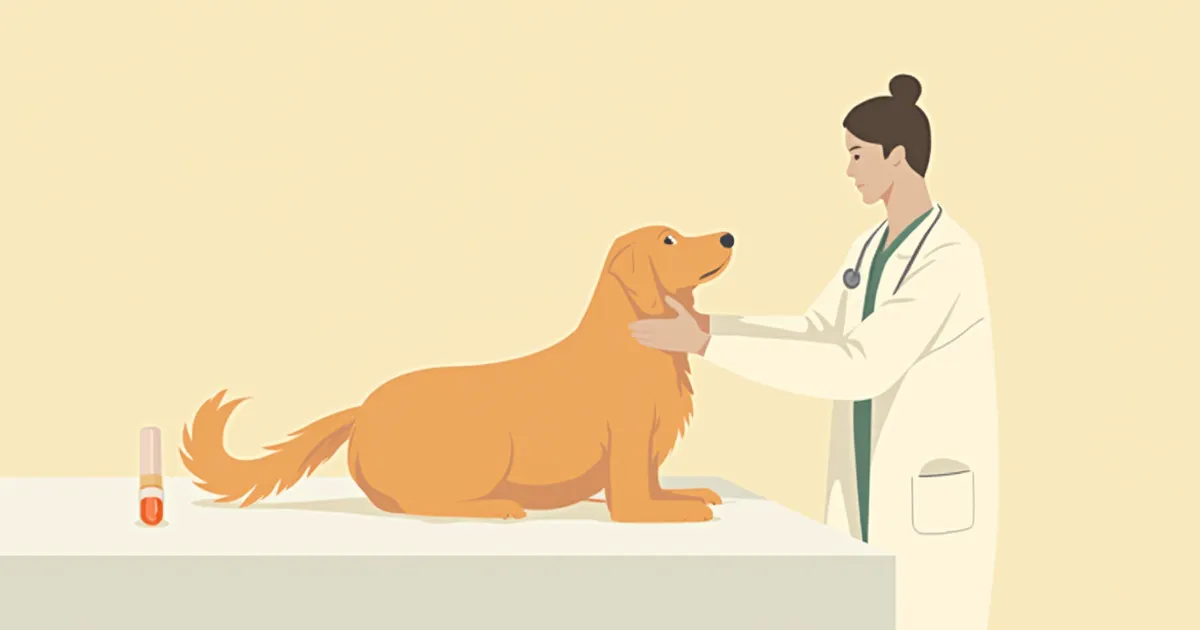
Bronchoscopy is performed under anesthesia. - Anesthesia preparation: We assess safety through blood tests and an electrocardiogram (ECG) before the procedure. - Laryngeal examination: As anesthesia is induced, we first carefully examine the larynx to determine if any laryngeal dysfunction is contributing to the cough. - Endoscope insertion: The veterinarian gently inserts the endoscope into the airway to view real-time images. - Bronchoalveolar lavage (BAL): If necessary, we perform a bronchoalveolar lavage to collect cells and microorganisms for cytology and culture. - Video recording: The entire procedure is recorded on video to aid in accurate diagnosis and for future comparison. - Procedure duration: The time required varies depending on the individual patient and circumstances. Your pet can resume normal activities once fully recovered from anesthesia.
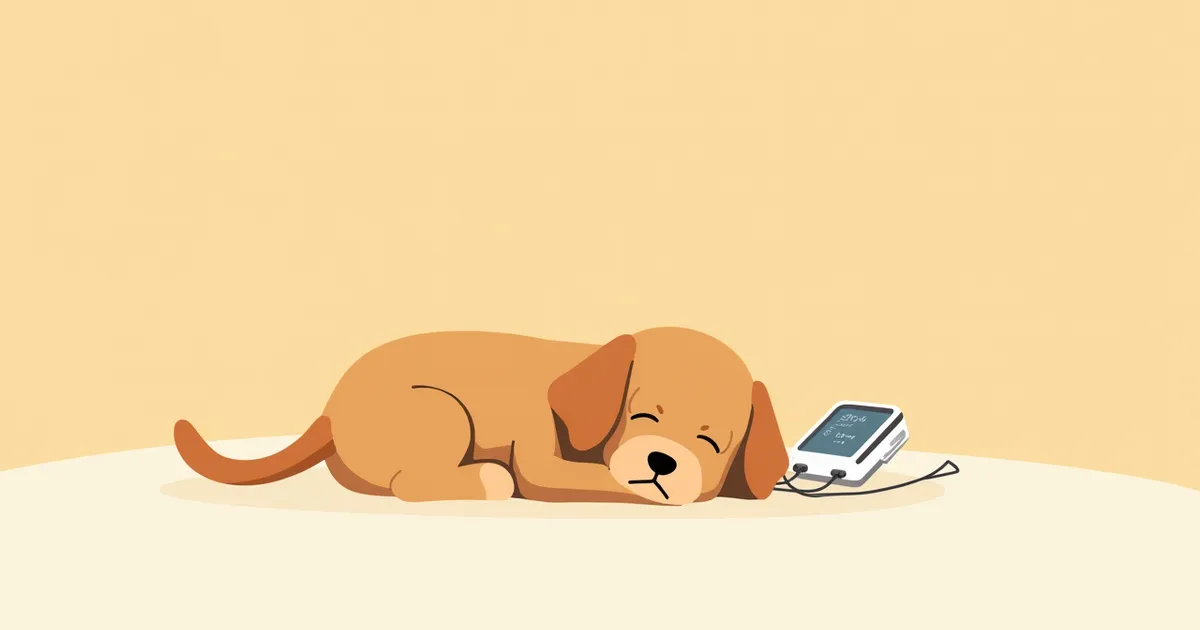
A veterinarian reviewing the monitor during a bronchoscopy procedure.

Treatment Methods and Step-by-Step Management Points
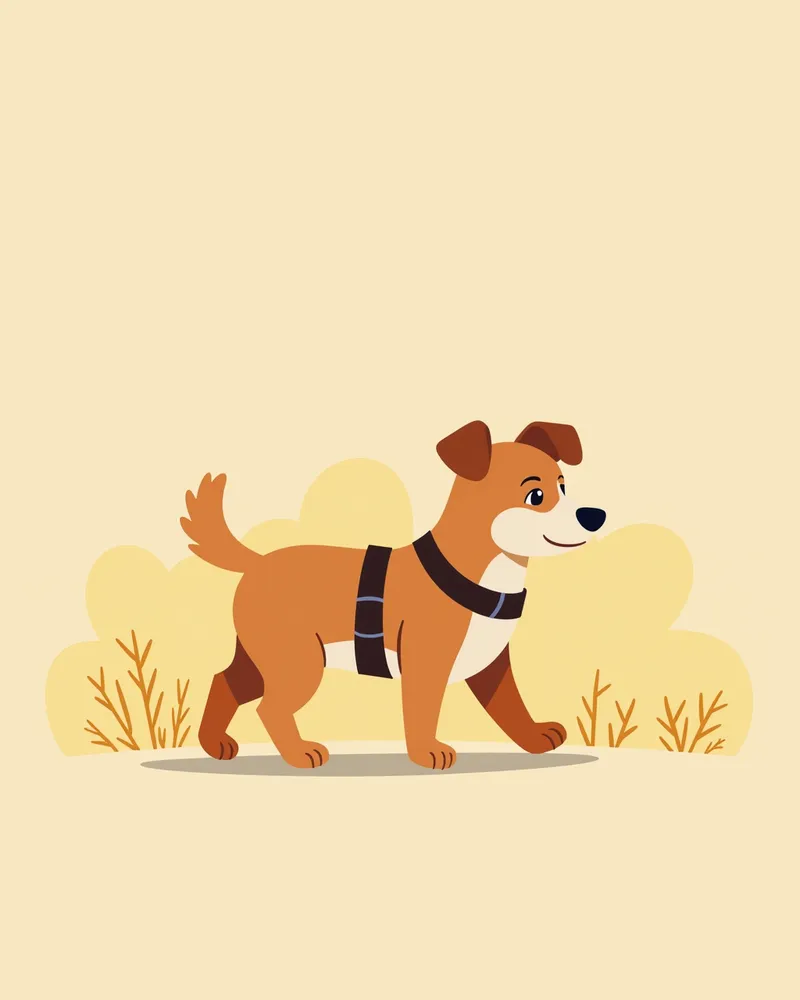
Treatment depends on the underlying cause. - Inflammation management: For bronchitis, antibiotics or anti-inflammatory medications are prescribed. - Bronchiectasis care: Bronchiectasis involves irreversible dilation of the airways, so medications cannot narrow or reverse the damage. Treatment focuses on managing accumulated secretions and bacterial infections, primarily through antibiotic therapy guided by culture results. - Surgical intervention: Surgery may be considered in cases of severe airway stenosis. - Foreign body removal: Endoscopy allows for direct removal of foreign objects. - Ongoing care: Regular check-ups and environmental adjustments remain necessary even after treatment. - Treatment goals: The primary aim is to improve quality of life by alleviating symptoms and preventing recurrence.
A puppy wearing a leash

Home Care and Prevention Points

After a bronchoscopy, it is important to manage air quality in your dog’s environment, remove potential respiratory irritants such as static electricity and cigarette smoke, and avoid excessive stress during exercise. - Air quality management: Regularly purify indoor air to reduce dust and allergens. - Exercise moderation: Avoid strenuous activity; short, leisurely walks are recommended. - Environmental stability: Maintain a quiet, calm environment to minimize stress. - Feeding management: Prevent exercise immediately after meals and encourage slow eating. - Cough monitoring: If coughing worsens, allow immediate rest and consult your veterinarian. - Regular check-ups: Schedule follow-up examinations every 1–3 months even after treatment.
A puppy resting in a calm, secure environment.

Small Breeds Require Caution with Bronchoscopy

Dogs with airway collapse are at particularly high risk of complications from anesthesia during bronchoscopy, and this risk increases further in overweight dogs. Therefore, a thorough evaluation by a veterinarian is essential. To ensure safety, it is recommended to perform blood tests and an electrocardiogram (ECG) before the procedure to assess the dog’s overall health status.

Reviewed by a veterinarian

Dr. Tony — Punnawat Phongkittirak

Dr. Tony — Punnawat Phongkittirak

Veterinarian

A veterinarian who majored in veterinary medicine at Khon Kaen University, Thailand, and completed the IVSA program at North Carolina State University in the United States. Drawing on clinical experience at animal hospitals, he works in the pet healthcare field and is dedicated to building a digital care environment that connects pet parents with veterinarians.

Frequently Asked Questions

Is a bronchoscopy painful?
Since the procedure is performed under anesthesia, your pet won’t feel any pain. After the exam, there may be temporary coughing or a sore throat.
What should I do when I get home after the examination?
Let your pet rest quietly until they have fully recovered from anesthesia, and offer food slowly starting two hours after the examination.
Why is a bronchoscopy necessary?
It is essential to accurately identify the cause of chronic coughing. This allows for direct examination of infections, foreign bodies, tumors, and other potential issues.
What should I do if the coughing continues after the examination?
Occasional coughing is normal. If it persists for more than 1–2 days, please consult your veterinarian.
Can anesthesia complications occur after a bronchoscopy?
Although rare, symptoms such as difficulty breathing and low blood pressure may occur. Your veterinarian will assess any risk factors before the procedure.

Share

Related Guides

References

[1] Lynelle R. Johnson, DVM, MS, PhD, Dipl ACVIM (SAIM). Small Animal Critical Care Medicine, 3rd Ed. Elsevier, 2023.

[2] Canine and Feline Respiratory Medicine, 3rd Edition. Elsevier, 2022.

[3] The Veterinary Workbook of Small Animal Clinical Cases. Wiley-Blackwell, 2021.

This information is based on veterinary literature and does not replace diagnosis or treatment. Please consult a veterinarian for specific health concerns.

Metapet Co., Ltd. | CEO: Park Sung-yong | Business Reg. No. 417-88-02562 | Seoul, South Korea | Customer Center

Dog Bronchoscopy: Symptoms, Causes, Diagnosis & Treatment Guide | Meongsiljang