Like
Share
멍실장
강아지 눈 세정·세안 방법 증상과 원인, 진단·치료와 관리 포인트 총정리

If Your Dog Has Frequent Eye Discharge or Tearing — Safe Eye Cleaning Methods and Precautions

Eye HealthDiseasesMeongsiljang Veterinary Advisory Board

Properly cleaning your dog’s eyes is a key part of maintaining their eye health. Since incorrect cleaning can cause damage, it’s important to know the right technique.

Eye Cleaning Is a Key Part of Maintaining Your Dog’s Eye Health
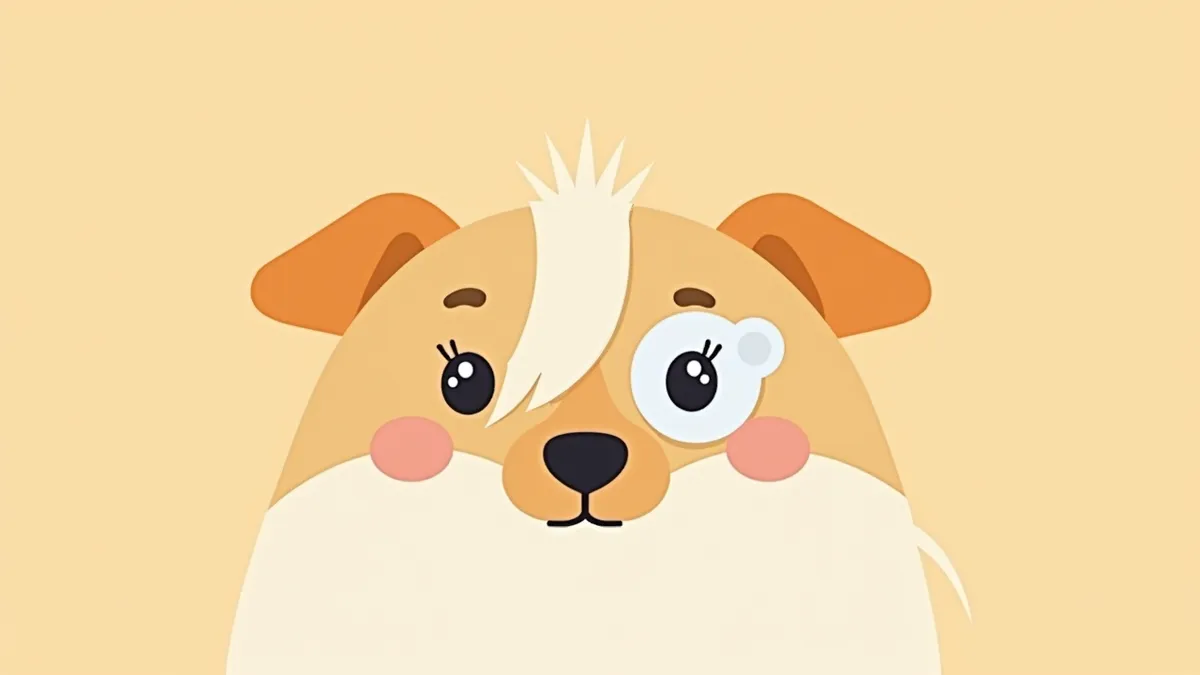
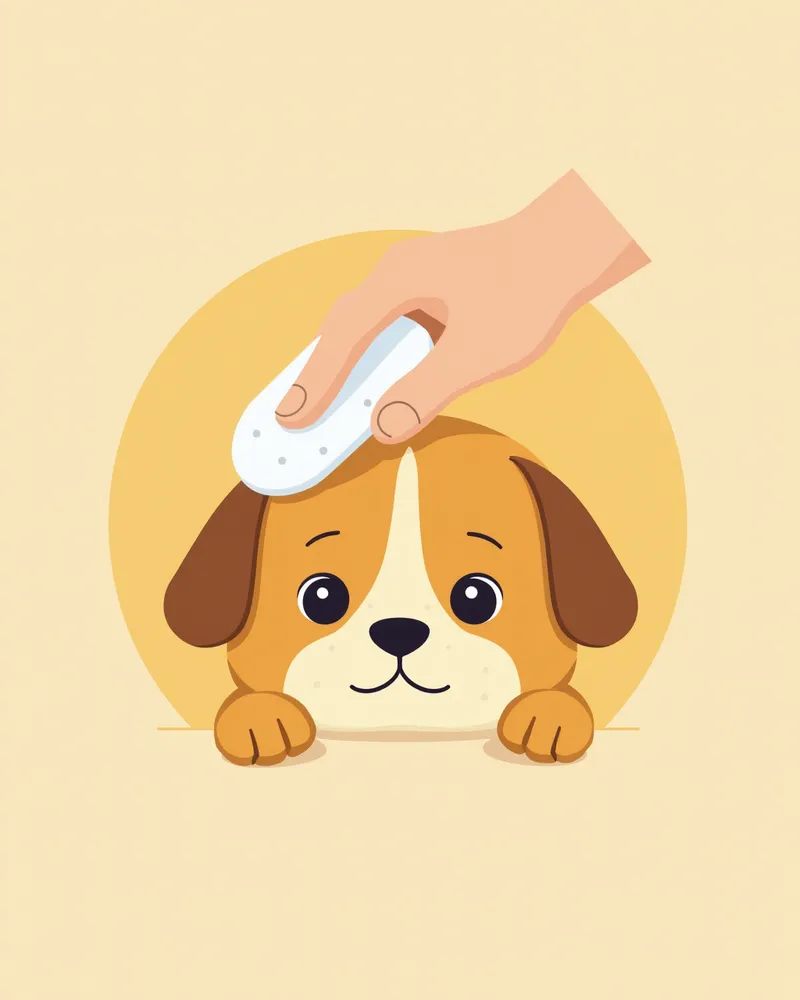
Gently wiping around the eyes of a long-haired dog with a cotton swab
Gently cleaning your dog’s eyes helps remove debris, discharge, and inflammation from the eye area, playing a vital role in preventing eye diseases as part of daily care. Using improper techniques can lead to corneal damage or infection, so it’s essential to follow the correct procedure. Dogs with long hair or protruding eyes are especially prone to tear overflow, which can leave the surrounding skin damp and susceptible to inflammation. - Eye cleanser: Use a dedicated eye cleanser or sterile saline solution to gently wipe the area around the eyes. - Cleaning direction: Wipe from the outer corner toward the inner corner, and discard each cotton swab immediately after use. - Cleaning frequency: For long-haired breeds, clean once or twice daily; increase frequency if the eyes become frequently moist. - Precautions: If your dog shows signs of pain, discomfort, or excessive scratching around the eyes, seek veterinary care immediately.

Main Reasons Eye Cleaning Is Needed

The main reasons your dog may need eye cleaning include foreign particles, buildup of discharge, allergic reactions, infections, and injuries. Dogs with long hair or prominent eyes are especially prone to tear overflow, which can leave the surrounding area damp and susceptible to inflammation. - Foreign particles: Wind, dust, or hair getting into the eyes can cause irritation, making cleaning necessary. - Discharge buildup: Sticky tear residue can increase the risk of bacterial growth. - Allergic reactions: Dogs sensitive to pollen, dust, or certain foods may experience itchy, red eyes. - Risk of infection: Bacterial or viral infections can cause tears to turn yellow or white. - Post-injury care: After scratching or bumping the eye, cleaning helps maintain hygiene and prevent complications.
Tear staining and surrounding skin inflammation in dogs with protruding eyes

Main Signs That Eye Cleaning Is Needed

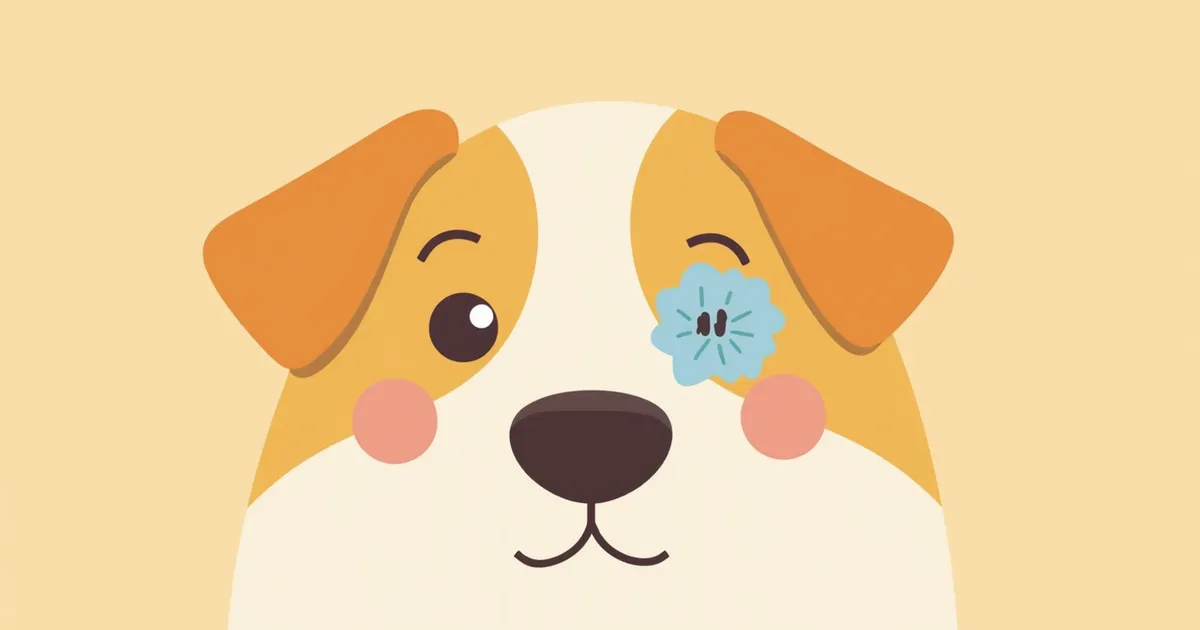
Key signs that your dog needs eye cleaning include excessive tearing, sticky discharge, redness or swelling around the eyes, frequent blinking or scratching, keeping the eyes closed, or being unable to open them. If these symptoms persist, they can lead to serious eye conditions such as keratitis, conjunctivitis, or dry eye disease. - Increased tearing: Tears may flow continuously, or the eyes may remain wet throughout the day. - Changes in discharge: Discharge may turn white, yellow, or green, or become sticky. - Changes around the eyes: The area around the eyes may become red or swollen, and the fur may appear wet. - Behavioral changes: Your dog may frequently scratch at the eyes or keep them closed for extended periods. - Vision abnormalities: If the eyes appear cloudy or your dog avoids light, immediate veterinary attention is required.
A close-up of a dog's face with swollen, red eyes

Symptoms Requiring Immediate Veterinary Care

If your pet’s eyes become red and swollen, remain closed for more than 12 hours, produce white or yellow discharge, appear cloudy, or show severe pain when touched, immediate veterinary care is necessary. These symptoms may indicate corneal damage or a serious infection.

Diagnostic Tests for Accurate Diagnosis
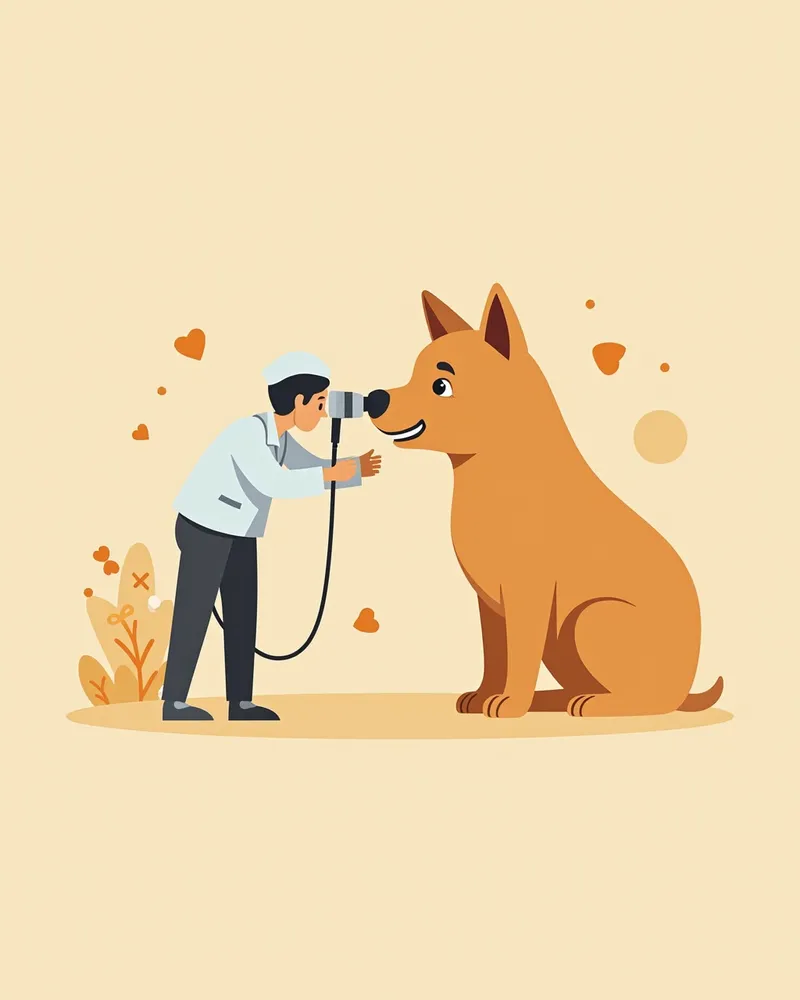
To determine whether your dog’s eyes need cleaning and to identify the underlying cause, your veterinarian will directly examine the front structures of the eye using a focused light source and perform tests such as fluorescein staining, the Schirmer tear test, and tonometry (intraocular pressure measurement). If necessary, bacterial culture or cytology of the discharge will also be conducted to accurately pinpoint the cause. - Direct Examination: The veterinarian uses a focused light source to inspect the anterior structures of the eye, including the eyelids, conjunctiva, third eyelid, and cornea. - Fluorescein Staining: Fluorescein dye is applied to the cornea to check for surface scratches or epithelial defects. This test also evaluates whether the tear ducts are patent (Jones test). - Schirmer Tear Test: This measures tear production to assess for dry eye (keratoconjunctivitis sicca). Normal values are approximately 15–20 mm per minute. - Tonometry (Intraocular Pressure Test): Intraocular pressure is measured to evaluate for glaucoma. Normal intraocular pressure ranges from approximately 15–25 mmHg. - Additional Tests: If needed, bacterial culture and sensitivity testing or cytology and histopathology may be performed. Accurate diagnosis is essential to identify the cause and develop an appropriate treatment plan.
A veterinarian examining a dog's eyes with a slit lamp

Treatment Methods: Step-by-Step Approach
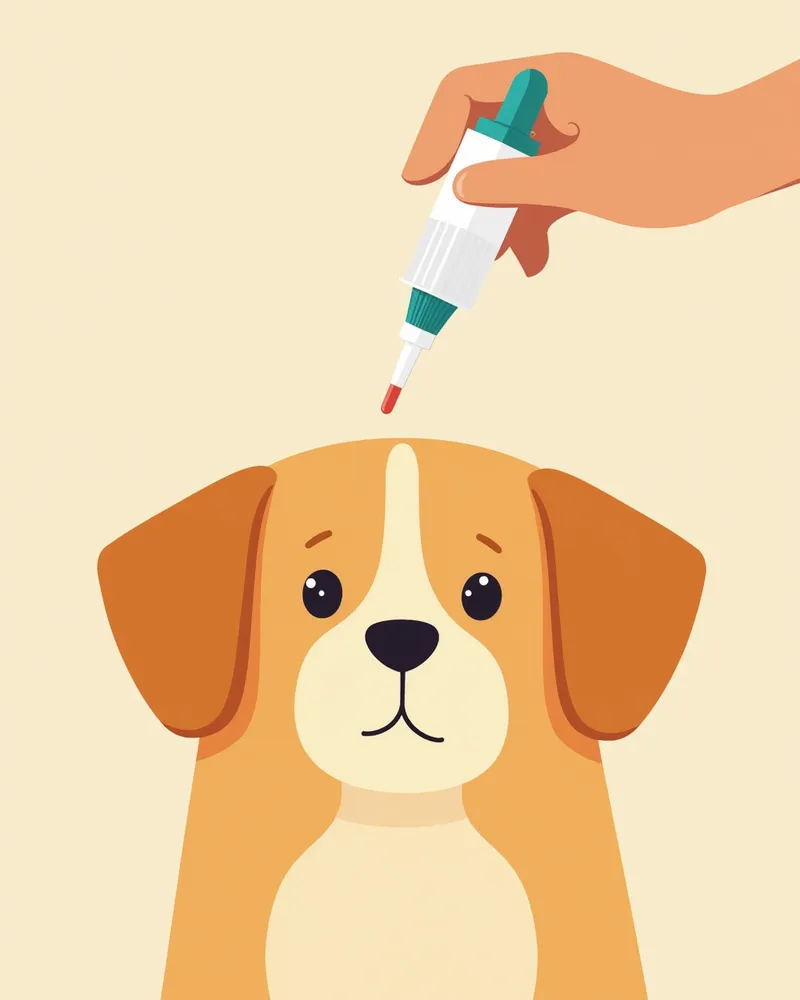
Treatment for eye problems in dogs depends on the underlying cause. If a bacterial infection is suspected, topical antibiotics are used; if a viral infection such as herpesvirus is suspected, antiviral eye drops are administered. For allergic conjunctivitis, topical anti-inflammatory agents (cyclosporine, steroids) are primarily used rather than antihistamines. For dry eye (keratoconjunctivitis sicca) caused by insufficient tear production, cyclosporine or artificial tear eye drops are used. In severe cases, surgery may be necessary. - Initial treatment: Clean secretions and alleviate symptoms with eye drops appropriate for the cause. - Intermediate management: Consistently administer eye drops as directed by your veterinarian and repeat cleaning. - Caution with steroids: If corneal ulcers are present or herpes is suspected, steroids should be used with caution, as they can delay wound healing and worsen lesions. - Severe cases: Surgery may be required, and treatment should be received at a specialized veterinary hospital. - Preventing recurrence: Prevent recurrence through regular cleaning and hair management, and continue administering eye drops for the duration specified by your veterinarian even after symptoms have resolved.
A veterinarian administering eye drops to a puppy

Home Care and Cleaning Methods

When cleaning your pet’s eyes at home, always use sterile saline solution or a dedicated eye cleanser. If you use cotton swabs or cloths, discard them after a single use and gently wipe the area around the eyes. After cleaning, ensure the area is completely dry; for pets with long hair, trimming the fur around the eyes can also help. - Choosing a cleanser: Use a dedicated product that is gentle on the eyes or sterile saline solution. - Cleaning frequency: Clean once or twice daily, or more often if the eyes are wet or have excessive discharge. - Cleaning direction: Wipe gently in one direction to minimize irritation to the eyes. - Cleaning tools: Discard cotton swabs after one use, and always wash cloths before reuse. - Finishing up: Allow the area around the eyes to dry completely after cleaning. For pets with long hair, trimming the fur around the eyes can make cleaning easier.
The clean appearance around your dog's eyes after cleansing

Breed-Specific Precautions and Prevention of Recurrence

Brachycephalic breeds with prominent eyes, such as Bulldogs, Shih Tzus, Pugs, and Pekingese, are prone to dry tear film and corneal dryness, so they require more frequent eye cleaning and care. Additionally, breeds with long hair around the eyes are susceptible to ocular irritation from their fur, making regular grooming essential. After cleaning, monitor for any recurrence of redness or discharge, and consult your veterinarian if symptoms persist or recur.

Reviewed by a veterinarian

Dr. Tony — Punnawat Phongkittirak

Dr. Tony — Punnawat Phongkittirak

Veterinarian

A veterinarian who majored in veterinary medicine at Khon Kaen University, Thailand, and completed the IVSA program at North Carolina State University in the United States. Drawing on clinical experience at animal hospitals, he works in the pet healthcare field and is dedicated to building a digital care environment that connects pet parents with veterinarians.

Frequently Asked Questions

How many times a day should I flush my pet’s eyes?
If the area around the eyes is clean and shows no abnormalities, once daily is sufficient. If there is excessive tearing or inflammation, you may increase the frequency to two or three times a day, as directed by your veterinarian.
Can I use tear stain removers at home?
Safe, pet-specific eye cleansers are fine to use. However, never use plain water, tissues, or cloths, as they can irritate your pet’s eyes.
Should I take my pet to the vet right away if its eyes become red?
If your pet’s eyes become red, swollen, or painful, or if symptoms persist for more than 12 hours, please visit a veterinary clinic immediately. Early treatment leads to faster recovery.
What should I do if my pet’s eyes get worse after cleaning them?
If the swelling or redness in the eyes worsens, or if there is an increase in tear production, consult your veterinarian immediately. This often indicates that the infection has progressed.
Does trimming the hair around the eyes help?
Yes, long hair around the eyes can irritate them and cause tears to accumulate. It’s best to regularly trim the hair or keep the area around the eyes clean and well-groomed.

Share

Related Guides

References

[1] Gelatt KN et al. (2014) Essentials of Veterinary Ophthalmology. John Wiley & Sons.

[2] Côté E. (2015) Clinical Veterinary Advisor: Dogs and Cats. Elsevier Mosby.

[3] Evans HE, Miller ME. (1993) Miller’s Anatomy of the Dog. W. B. Saunders.

This information is based on veterinary literature and does not replace diagnosis or treatment. Please consult a veterinarian for specific health concerns.

Metapet Co., Ltd. | CEO: Park Sung-yong | Business Reg. No. 417-88-02562 | Seoul, South Korea | Customer Center

Dog Eye Discharge & Tears: Safe Cleaning Methods & Precautions | Meongsiljang