Like
Share
멍실장
고양이 렌즈 탈구 증상과 원인, 진단·치료와 관리 포인트 총정리

If Your Cat’s Eye Suddenly Becomes Cloudy — Symptoms of Lens Luxation and When to Seek Emergency Treatment

Eye HealthDiseasesMeongsiljang Veterinary Advisory Board

A dislocated lens in cats occurs when the lens shifts out of its normal position within the eye, potentially causing pain and vision loss. Early detection and appropriate treatment are crucial.

Lens Luxation in Cats Is a Condition Where the Lens Shifts from Its Normal Position into the Anterior Chamber
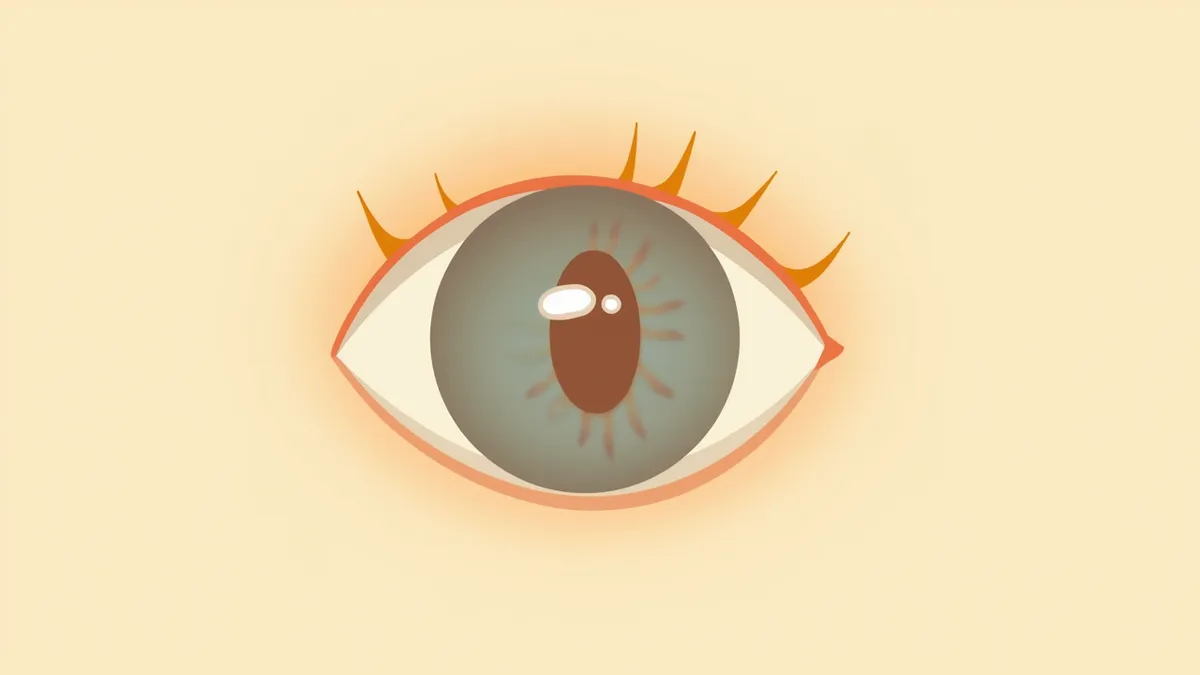
A comparison diagram showing the normal lens position in a cat’s eye versus a dislocated lens.
Lens luxation in cats occurs when the lens, normally positioned behind the iris, shifts forward into the anterior chamber of the eye, potentially causing pain and vision loss. - Lens Luxation: This condition arises when the zonules (suspensory ligaments) that hold the lens in place weaken or break, causing the lens to lose its proper position. - Pain Response: Cats may rub or scratch at their eyes, or keep them closed. - Vision Loss: Cats may fail to see objects or recognize movement, which can significantly impact their daily activities. - Changes in Intraocular Pressure: As the lens moves forward, intraocular pressure may decrease or increase, sometimes accompanied by corneal edema or uveitis. However, because cats have deeper anterior chambers than dogs, glaucoma (elevated intraocular pressure) resulting from lens luxation is relatively less common in cats. Early detection and appropriate treatment are key to preserving vision.

The Main Causes of Lens Luxation Include Age, Genetic Factors, and Ocular Diseases

Lens luxation in cats occurs when the zonular fibers (suspensory ligaments) that hold the lens in place weaken. In felines, secondary luxation—resulting from other ocular diseases—is more common than primary (hereditary) luxation. - Secondary causes: Chronic uveitis (inflammation within the eye), chronic glaucoma, and trauma are the most frequent causes, as they weaken the zonular fibers and lead to lens luxation. - Age-related factors: While degeneration of the zonular fibers (senile zonular degeneration) can cause luxation as cats age, primary lens luxation itself is relatively rare in cats. - Genetic predisposition: Unlike in dogs, no specific feline breeds have been clearly identified with a hereditary predisposition to lens luxation, making it difficult to diagnose based on breed alone. - Trauma: External impact to the eye can also be a cause. Identifying and treating the underlying disease responsible for the luxation is of utmost importance.
A cat's eye showing early signs of lens luxation

Main Symptoms Include Eye Pain, Vision Loss, and Excessive Tearing

The most common signs of lens luxation in cats include rubbing or scratching at the eyes, excessive tearing, and prolonged eye closure due to eyelid spasms. - Excessive tearing: When the eye becomes irritated and painful, it produces excessive tears and may remain partially or fully closed. - Corneal changes: The cornea may become swollen and cloudy, or fine blood vessels may appear on its surface. - Redness: The conjunctiva and sclera become bloodshot, giving the eye a red appearance. - Vision loss: The cat may fail to recognize objects, walk unsteadily, or show difficulty with daily activities. - Reduced activity: Fear or pain may cause the cat to avoid play or hide more often. If the condition becomes chronic, increased intraocular pressure can cause the eye to appear enlarged. If you notice any of these symptoms, seek veterinary care immediately.
A cat experiencing pain due to lens dislocation

Emergency Signs Requiring Immediate Veterinary Visit

Seek immediate veterinary care if your pet’s eye suddenly swells or becomes cloudy, if they are unable to keep it open for more than an hour, if there is persistent tearing, or if they are excessively rubbing or scratching at the eye. If the lens shifts forward, it can lead to corneal edema, uveitis, and changes in intraocular pressure. In cases where vision remains in the affected eye, referral to a veterinary ophthalmologist may be necessary. Delayed treatment can result in irreversible vision loss.

Diagnosis Is Performed Through Ophthalmic Examination, Intraocular Pressure Measurement, and Ultrasound Imaging
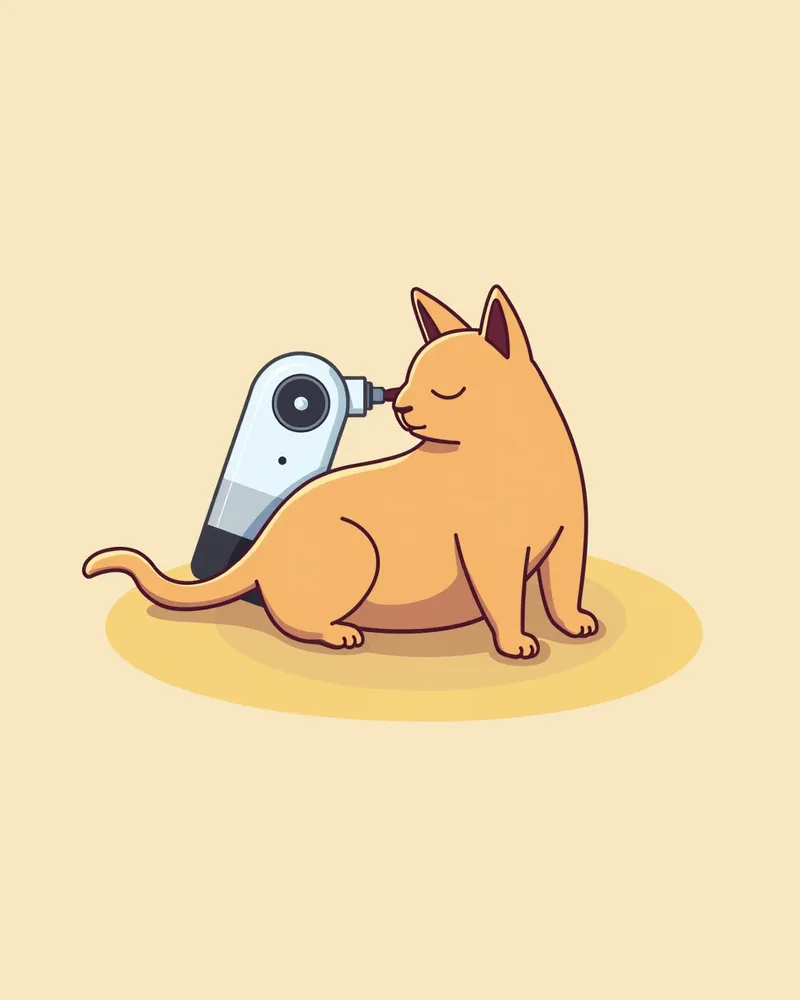
Veterinarians primarily diagnose lens dislocation through clinical examinations that involve direct observation of the eye to check the lens position. If necessary, sedation, anesthesia, or ultrasound imaging may be used in conjunction. - Ophthalmic Examination: This is the key procedure to directly confirm whether the lens has moved into the anterior chamber of the eye. In cases of partial dislocation (subluxation), the lens may shift to one side, revealing an "aphakic crescent." - Intraocular Pressure Measurement: Lens dislocation can cause intraocular pressure to either decrease or increase, making pressure readings a useful reference for assessing the eye's condition. - Ultrasound Examination: When the cornea is swollen or the lens is cloudy, making direct observation difficult, B-mode ultrasound is used to determine the lens position and evaluate the internal state of the eye. - Comprehensive Assessment: By integrating findings from multiple tests, veterinarians determine whether lens dislocation has occurred and assess its severity. Early diagnosis significantly aids in effective treatment.
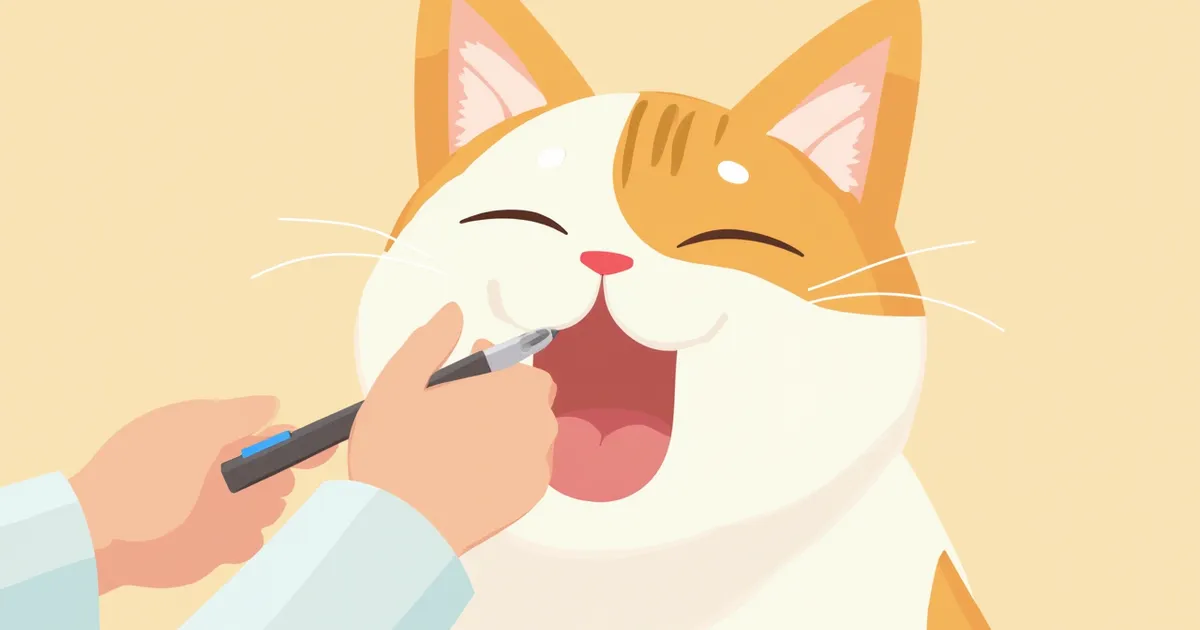
A scene of measuring intraocular pressure in a cat's eye

Treatment Methods Are Divided into Medical and Surgical Approaches
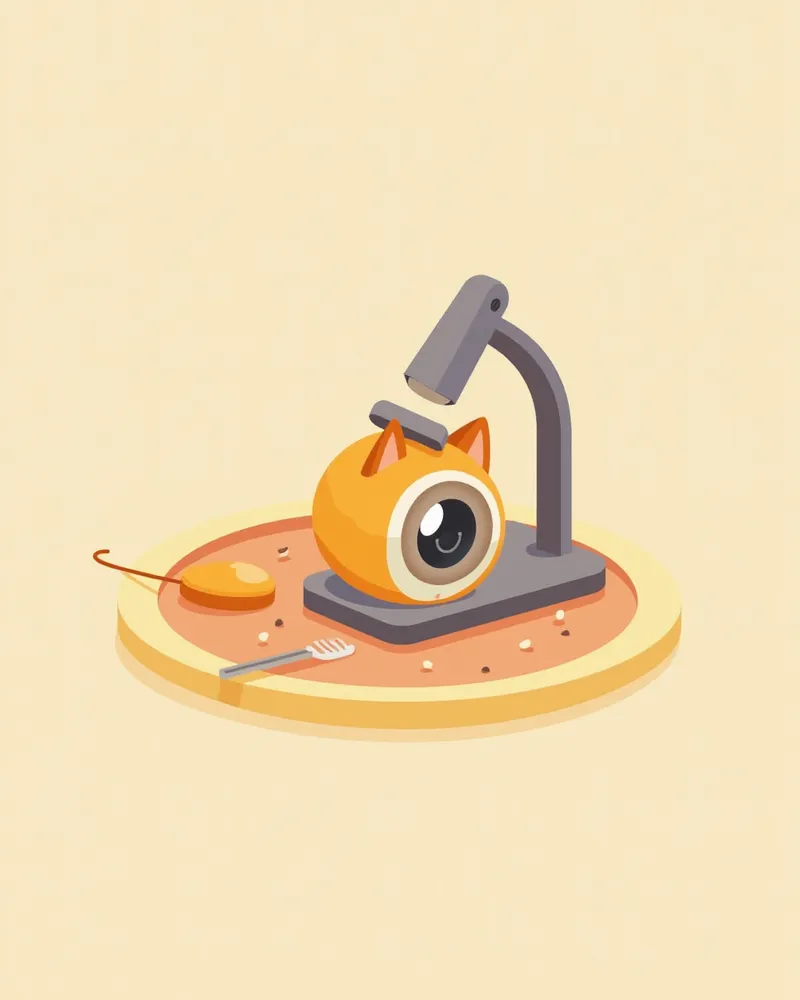
Treatment for lens luxation in cats is divided into medical and surgical approaches, depending on the condition of the eye and the underlying cause. It is crucial to address any concurrent ocular diseases contributing to the problem. - Medical treatment: Anti-inflammatory medications (steroids and non-steroidal anti-inflammatory drugs) are used to alleviate pain and inflammation, along with medications to lower intraocular pressure when necessary. Partial luxations may be managed medically. - Surgical indications: Lens removal surgery is considered if the lens is completely dislocated into the anterior chamber or if the condition cannot be controlled with medication. However, surgery is not always recommended for secondary lens luxation in cats. - Specialist referral: If vision remains, referral to a veterinary ophthalmologist is advisable. - Management of the contralateral eye: Long-term use of miotics (such as demecarium bromide or latanoprost) may be employed to prevent luxation in the other eye. - Prognosis and management: Vision recovery may be incomplete even after treatment, making long-term management essential.
A scene of a cat undergoing lens removal surgery.

Home Care Centers on Medication Administration and Environmental Management
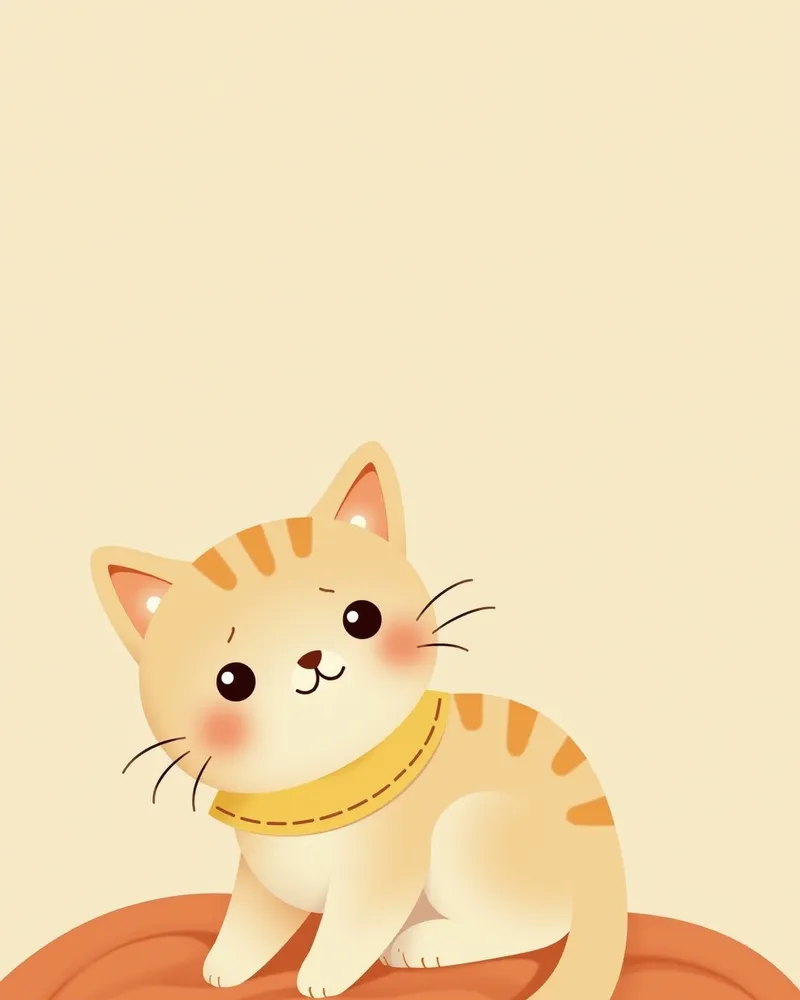
After treatment (whether medication or surgery), the most important thing is to administer or apply eye drops exactly as your veterinarian instructs. - Medication Administration: Eye drops and oral medications must be given at consistent intervals. - Preventive Collar: It is important to keep an Elizabethan collar (protective cone) on your pet to prevent them from touching or scratching their eyes. - Environmental Adjustments: Provide a quiet, dimly lit space for your pet to rest comfortably. - Activity Restriction: Limit play, jumping, and outdoor activities during the recovery period. - Regular Check-ups: Visit the clinic regularly—for example, at one week, one month, and three months post-surgery—to monitor intraocular pressure and eye condition. Meticulous care is essential for a stable recovery.
A recovering cat wearing a collar and resting.

Senior Cats and Certain Breeds Are at Higher Risk for Lens Luxation

In older cats, weakening of the zonular fibers (suspensory ligaments) can lead to lens luxation, but primary (hereditary) luxation is actually quite rare in felines. Secondary luxation, which follows chronic uveitis, chronic glaucoma, or trauma, is far more common. Therefore, regular ophthalmic examinations are especially important for cats with these eye conditions.

Reviewed by a veterinarian

Dr. Tony — Punnawat Phongkittirak

Dr. Tony — Punnawat Phongkittirak

Veterinarian

A veterinarian who majored in veterinary medicine at Khon Kaen University, Thailand, and completed the IVSA program at North Carolina State University in the United States. Drawing on clinical experience at animal hospitals, he works in the pet healthcare field and is dedicated to building a digital care environment that connects pet parents with veterinarians.

Frequently Asked Questions

Is lens dislocation common in cats?
Lens luxation is relatively uncommon in cats. In particular, hereditary (primary) luxation is rare, while secondary luxation following chronic uveitis, glaucoma, or trauma is comparatively more common.
Is lens dislocation curable?
In cases of severe dislocation or when pain and intraocular pressure are difficult to manage, lens removal surgery can help reduce discomfort. However, surgery is not always recommended for secondary dislocations in cats, and managing the underlying condition is also essential. Recovery varies from individual to individual.
Can lens dislocation recur after surgery?
If the condition affects one eye, the other eye may develop a similar issue, so we sometimes apply atropine drops to the unaffected eye as a preventive measure. Even after treatment, regular check-ups are essential for early detection.
Can lens dislocation be prevented?
Proper management of underlying eye conditions (chronic uveitis and glaucoma) and prevention of trauma are helpful. In the unaffected eye, miotic agents may be used to prevent prolapse, and regular ophthalmic examinations enable early detection.
How much does treatment for a dislocated lens cost?
Surgical costs vary depending on the region and the veterinary clinic. Typically, the surgery itself can cost over $700, and when you include medications and diagnostic tests, the total expense may be even higher.

Comparison of Lens Luxation Treatment Methods

ItemTiming of ApplicationEffectPrecautions
Medical TreatmentPartial luxation, early inflammation/intraocular pressureRelieves pain/inflammation, controls intraocular pressureConcurrent treatment of underlying disease needed, temporary effect
Lens Removal SurgeryComplete anterior luxation, when uncontrollable with medicationPain relief, some vision preservation possibleNot always recommended in feline secondary cases, watch for infection
Prevention of Fellow Eye (Miotics)When preventing the fellow eye after luxation of one eyeReduces risk of luxation in the fellow eyeDemecarium, latanoprost, etc.; veterinarian's prescription required

The treatment method is determined by the cat's condition, underlying disease, and the veterinarian's judgment.

Share

Related Guides
References

[1] Curtis R. Lens luxation in the dog and cat. Vet Clin North Am Small Anim Pract. 1990;20(3):755–773.

[2] Binder DR, Herring IP, Gerhard T. Outcomes of nonsurgical management and efficacy of demecarium bromide treatment for primary lens instability in dogs: 34 cases (1990–2004). J Am Vet Med Assoc. 2007;231(1):89–93.

[3] Feline Emergency and Critical Care Medicine, 2nd Ed. Elsevier; 2020.

This information is based on veterinary literature and does not replace diagnosis or treatment. Please consult a veterinarian for specific health concerns.

Metapet Co., Ltd. | CEO: Park Sung-yong | Business Reg. No. 417-88-02562 | Seoul, South Korea | Customer Center

Cat's Eye Suddenly Cloudy? Lens Luxation Signs & Emergency Care | Meongsiljang