

Acute Kidney Injury in Cats: Symptoms, Causes, and When to Go to the Vet You Must Not Miss
Acute kidney injury (AKI) in cats is an emergency condition where kidney function suddenly declines within hours to days. We've compiled everything pet owners need to know, from causes and symptoms to diagnosis, treatment, and home care.
What Is Acute Kidney Injury in Cats?
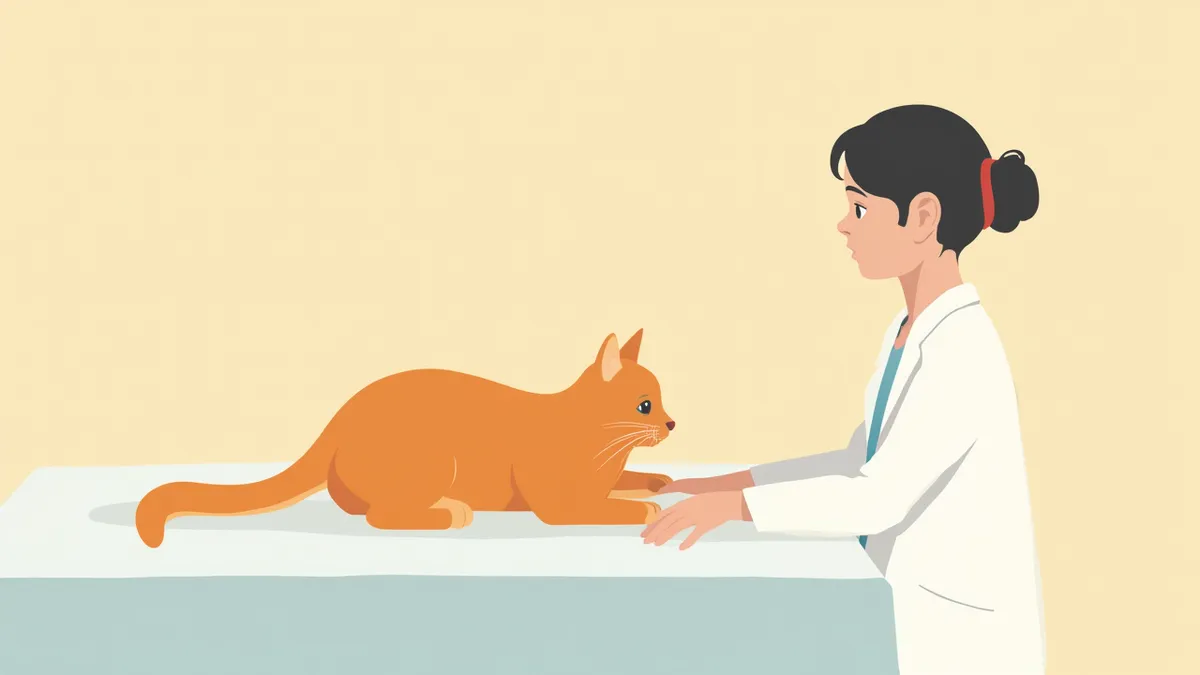
Main Causes of Acute Kidney Injury
Checklist of Symptoms You Must Not Miss

If You See These Symptoms, Go to the Emergency Room Immediately
If your pet hasn’t urinated for more than 12 hours, is experiencing seizures or convulsions, or is extremely lethargic and unresponsive, you should take them to a 24-hour emergency animal hospital immediately. Acute kidney injury is an emergency condition where the prognosis can change significantly within just a few hours.
Diagnostic Methods Performed at the Veterinary Hospital
Step-by-Step Explanation of Acute Kidney Injury Treatment
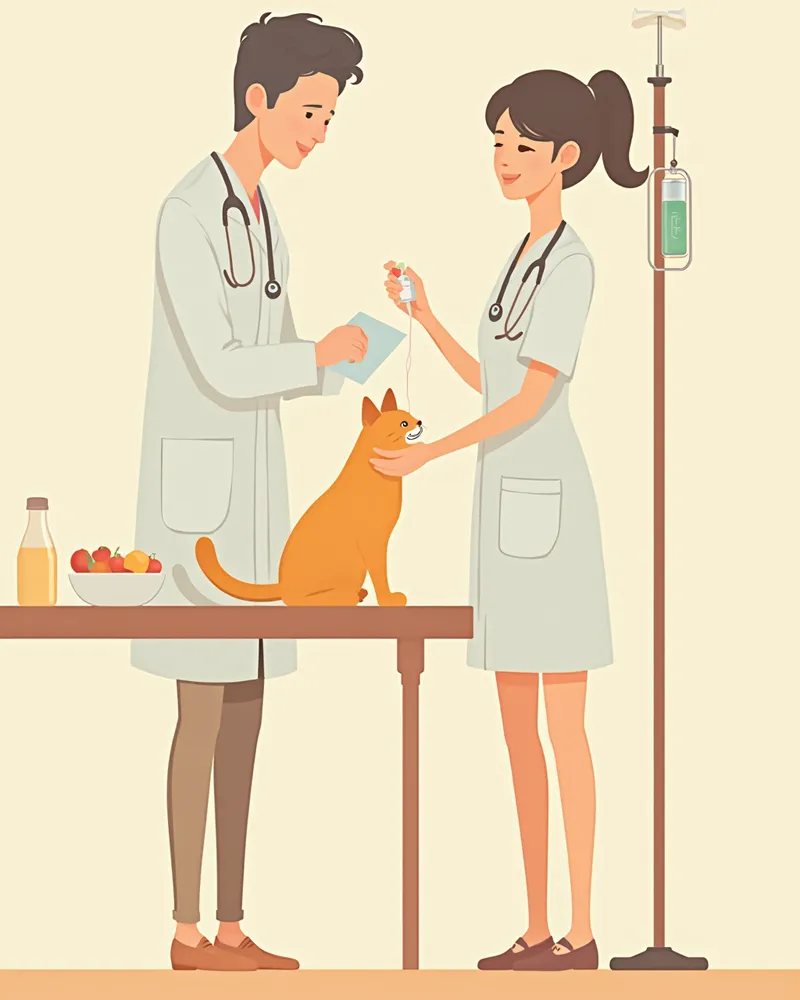
Home Care Points After Discharge

Be Sure to Know This to Prevent Recurrence
While some cats fully recover from acute kidney injury, others may progress to chronic kidney disease. Keep your cat strictly away from toxins such as lilies and ethylene glycol (antifreeze), and never administer human medications without veterinary guidance. Since urinary tract obstruction is a common cause of acute kidney injury in cats, closely monitor their urination habits and schedule regular health check-ups (once or twice a year) to detect early changes in kidney function.
Reviewed by a veterinarian

Dr. Tony — Punnawat Phongkittirak
VeterinarianA veterinarian who majored in veterinary medicine at Khon Kaen University, Thailand, and completed the IVSA program at North Carolina State University in the United States. Drawing on clinical experience at animal hospitals, he works in the pet healthcare field and is dedicated to building a digital care environment that connects pet parents with veterinarians.
Reviewed 2026-05-29
Frequently Asked Questions
Can acute kidney injury in cats be completely cured?
How is acute kidney injury different from chronic kidney disease?
Is it really dangerous to have lilies at home?
How long does fluid therapy take?
Should I continue feeding the prescribed diet after discharge?
Share
Related Guides

Top 5 Prescription Diets for Cats with Chronic Kidney Disease — Stage-Specific Protein Adjustment

7 Emergency Signs and Causes of Acute Kidney Failure in Dogs You Must Not Miss

Top 5 Cat Kidney Supplements Recommended for 2026

Babesiosis: Tick-Mediated Anemia

Tick Paralysis (True Tick Neurotoxin)

Dog Cryptosporidium Infection: A Complete Guide to Symptoms and Treatment

Deep Dive into Feline Toxoplasmosis

If Your Puppy Has Watery or Bloody Stool — Coccidia Infection Symptoms and Treatment Timing

Dog and Cat Tapeworm (Dipylidium) Infection

Dog Whipworm (Trichuris) Infection
References
[1] Langston CE, Eatroff AE. Chronic Kidney Disease. In: Silverstein DC, Hopper K (eds). Small Animal Critical Care Medicine, 3rd Edition. Elsevier.
[2] Little SE (ed). Urinary Tract Disease — Chronic Kidney Disease. In: The Cat: Clinical Medicine and Management, 2nd Edition. Elsevier Saunders.
[3] Caney S. Case 28: Feline Chronic Kidney Disease. In: The Veterinary Workbook of Small Animal Clinical Cases. 5M Publishing.