Like
Share
멍실장
강아지 부신 종양 증상과 원인, 진단·치료와 관리 포인트 총정리

If Your Dog Is Constantly Drinking Water and Panting — Causes, Diagnosis, and Treatment Timing for Adrenal Tumors

Oncology/CancerDiseasesMeongsiljang Veterinary Advisory Board

Canine adrenal tumors are malignant growths that disrupt hormone secretion, leading to symptoms such as weight changes, increased urination and appetite, and muscle weakness. Early diagnosis and treatment are essential.

What Are Adrenal Tumors in Dogs?

An anatomical illustration showing the location of the adrenal glands in dogs
Adrenal tumors in dogs originate in the adrenal cortex and secrete excessive amounts of hormones such as cortisol, leading to systemic symptoms due to hormone overproduction. Adrenal tumors account for approximately 15% of naturally occurring hyperadrenocorticism (Cushing’s disease), while the remaining 85% stem from the pituitary gland. These tumors primarily affect middle-aged to senior dogs, and because symptoms develop gradually, owners often overlook them in the early stages. The tumor may be benign (adenoma) or malignant (carcinoma), making early detection crucial in either case. If you notice symptoms such as abdominal distension, increased urination and appetite, or muscle weakness, seek veterinary evaluation immediately. Because adrenal tumors impact the endocrine system, assessing your dog’s overall health is the first step toward treatment. With early diagnosis and appropriate management, you can help maintain your pet’s quality of life.

What Are the Main Causes of Adrenal Tumors?

While the exact cause of adrenal tumors remains unclear, aging and breed predisposition play significant roles. Certain breeds, such as Dachshunds, Boxers, Boston Terriers, Miniature Poodles, and Beagles, are at higher risk. Generally, pituitary-dependent tumors are more common in small breeds, while adrenal-dependent tumors are relatively more frequent in large breeds. Abnormal proliferation of adrenal cortex cells can lead to tumor formation. Since adrenal tumors primarily affect middle-aged to senior dogs, vigilance increases with age. Regular health check-ups are essential for early detection.
A puppy sitting beside its worried owner

Check for Key Symptoms and Signs

Adrenal tumors in dogs can present with a variety of symptoms, so it’s important to stay vigilant. Be sure to check for the following signs:
Polyuria and polydipsia: Your dog may drink water frequently, with a sudden increase in urine volume and urination frequency.
Abdominal distension: The belly may appear noticeably swollen or protruding.
Muscle weakness: Your dog might struggle to walk or have difficulty standing up.
Increased lethargy: You may notice your dog sleeping most of the day or showing a significant drop in activity levels.
Enlarged abdomen: The belly may grow larger due to liver enlargement, abdominal fat accumulation, and muscle weakness.
Skin changes: Hair loss may occur symmetrically on both sides of the body, along with thinning skin and darkening pigmentation.
A dog that looks tired is lying on the floor.

Symptoms Requiring Immediate Veterinary Visit

If your dog suddenly shows severe muscle weakness, pale gums, abdominal distension, or collapse, seek veterinary care immediately. Adrenal tumors can occasionally invade nearby blood vessels, causing acute internal bleeding in the abdomen, so consult your veterinarian without delay.

Diagnostic Tests for Accurate Diagnosis
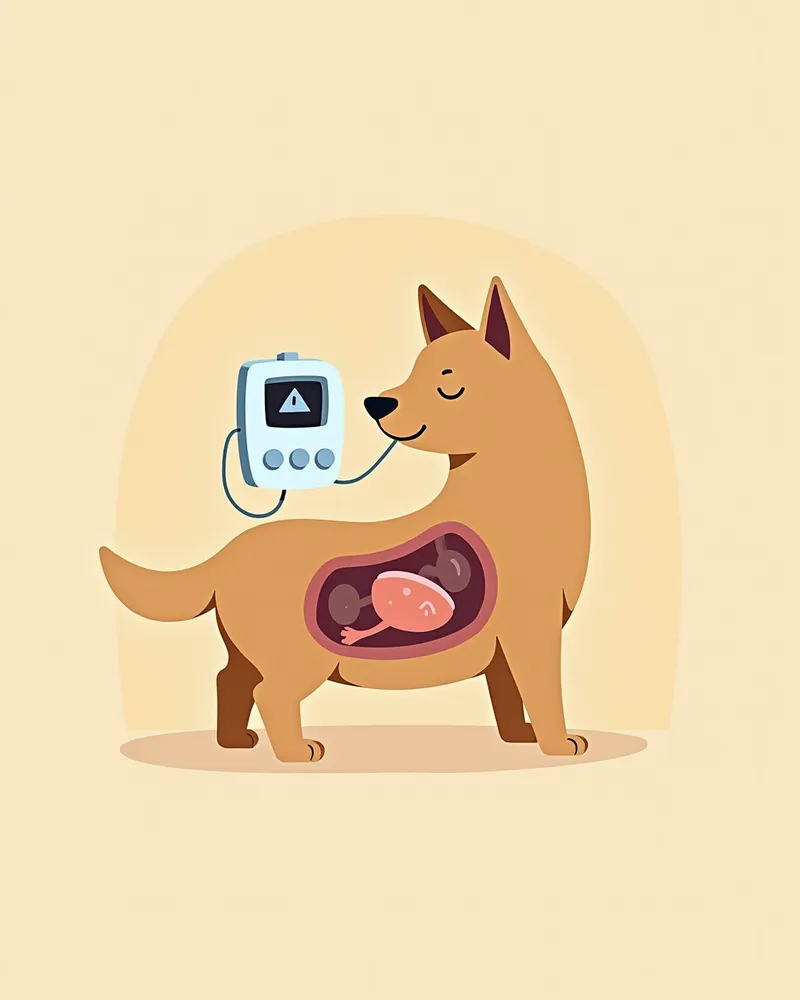
Accurate diagnosis of adrenal tumors requires a combination of tests. First, blood and urine tests are performed to check hormone levels and identify any overall abnormalities. In particular, the low-dose dexamethasone suppression test (LDDST) and the ACTH stimulation test are essential for evaluating adrenal cortex function. Abdominal ultrasound is useful for assessing the size and shape of the adrenal glands, while CT or MRI scans help precisely determine the tumor’s location, size, and whether it has metastasized. Additional tests may be needed to distinguish between adrenal and pituitary causes. A professional evaluation by a veterinarian is essential for an accurate diagnosis.
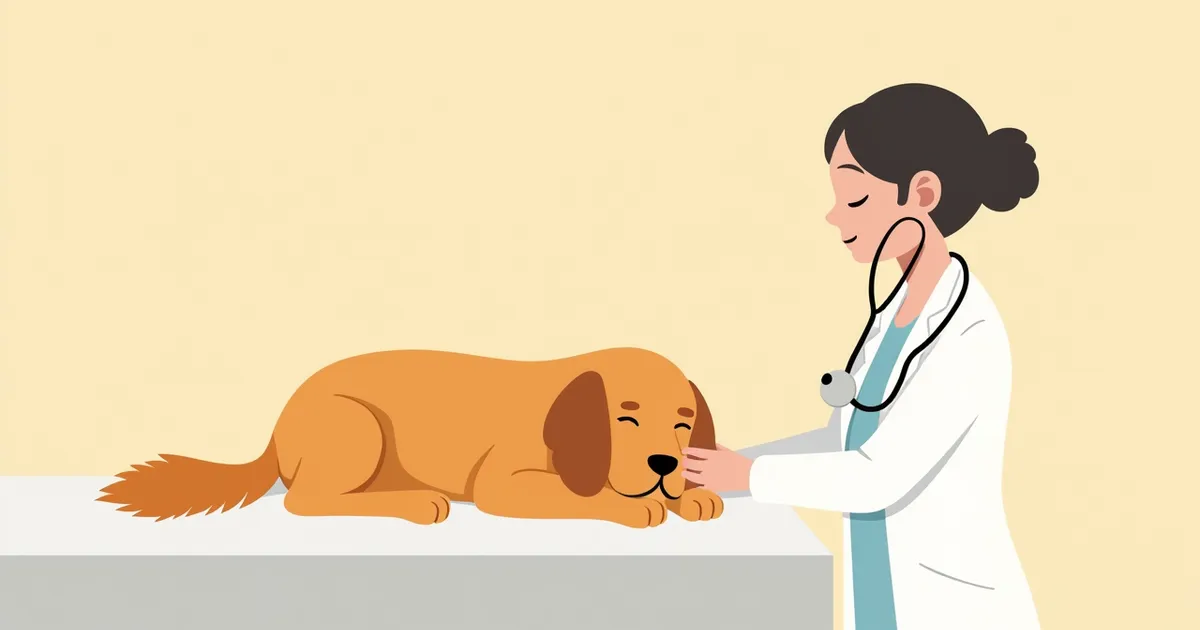
A veterinarian using an ultrasound device on a puppy's abdomen.

Treatment Methods and Step-by-Step Approach

Treatment for adrenal tumors depends on the tumor’s characteristics and whether it has metastasized. If surgery is feasible, complete surgical removal of the tumor is the first consideration. When surgery is not possible or if hormone overproduction persists, medical management with drugs such as mitotane (o,p'-DDD) or trilostane is used to regulate cortisol production. In cases of pituitary-dependent disease accompanied by neurological symptoms, radiation therapy may be considered. During treatment, consistently monitor and record changes in weight, appetite, and activity level, and maintain regular consultations with your veterinarian through tests like the ACTH stimulation test. The treatment plan should be flexibly adjusted according to your dog’s condition. Early treatment significantly improves prognosis.
A puppy receiving chemotherapy at a veterinary clinic

Management Points at Home

It’s important to keep a close eye on your dog’s condition throughout treatment. Adjust their food intake appropriately and avoid excessive exercise. Make sure to administer medication at the correct times and check for any adverse reactions afterward. Keep daily records of changes in weight, appetite, and activity levels, and share them with your veterinarian. To reduce stress, maintain a quiet environment and a consistent daily routine. Regular vet visits and consultations will help monitor the effectiveness of the treatment.
A dog sleeping peacefully in a quiet environment

Caution Is Needed for Senior Dogs and Certain Breeds

Certain breeds, such as Dachshunds, Boxers, Boston Terriers, Miniature Poodles, and Beagles, are at a higher risk for hyperadrenocorticism and adrenal tumors. Early detection is possible through regular health checkups, especially for middle-aged and senior dogs. Owners should periodically monitor changes in their pet’s weight, appetite, and activity levels.

Reviewed by a veterinarian

Dr. Tony — Punnawat Phongkittirak

Dr. Tony — Punnawat Phongkittirak

Veterinarian

A veterinarian who majored in veterinary medicine at Khon Kaen University, Thailand, and completed the IVSA program at North Carolina State University in the United States. Drawing on clinical experience at animal hospitals, he works in the pet healthcare field and is dedicated to building a digital care environment that connects pet parents with veterinarians.

Frequently Asked Questions

Can a dog’s adrenal tumor be cured?
It depends on the nature of the tumor and whether it was detected early. If the tumor can be completely removed through surgery, the chances of a full recovery are high. However, if there has been metastasis, long-term management will be necessary.
Is there a genetic component to adrenal tumors?
Certain breeds are more prone to developing this condition, suggesting a breed predisposition. Particular attention should be paid to Dachshunds, Boxers, Boston Terriers, Miniature Poodles, and Beagles.
My dog won’t take his medication during treatment. What should I do?
You can try hiding the medication in food, or your veterinarian may recommend an alternative formulation. Never stop giving the medication without consulting your veterinarian.
Are adrenal tumors contagious to other dogs?
No, adrenal tumors are not contagious. They are influenced by genetic predisposition and environmental factors.
Can regular checkups help detect adrenal tumors early?
Yes, especially for middle-aged and senior dogs, regular blood tests and abdominal ultrasounds are recommended. Early detection significantly improves treatment success rates.

Share

Related Guides

References

[1] BSAVA Manual of Canine and Feline Dermatology, 4th Ed, 2020

[2] Notes on Canine Internal Medicine, 4th Ed, 2018

[3] Veterinary Surgical Oncology, 2nd Ed, 2015

This information is based on veterinary literature and does not replace diagnosis or treatment. Please consult a veterinarian for specific health concerns.

Metapet Co., Ltd. | CEO: Park Sung-yong | Business Reg. No. 417-88-02562 | Seoul, South Korea | Customer Center

Dog Drinking Water & Panting? Adrenal Tumor Causes & Treatment | Meongsiljang