
Like
Share
멍실장
강아지 만성 기침 감별 진단 증상과 원인, 진단·치료와 관리 포인트 총정리

Comprehensive Guide to Differential Diagnosis, Symptoms, Causes, Diagnosis, Treatment, and Management of Chronic Coughing in Dogs

RespiratoryDiseasesMeongsiljang Veterinary Advisory Board

Chronic coughing in dogs can be a sign of various underlying conditions, making accurate differential diagnosis essential. It’s important to identify the cause of the cough and begin appropriate treatment.

Chronic Coughing in Dogs Is a Sign of Various Conditions

A puppy visiting the clinic
A chronic cough in dogs is defined as a cough lasting more than two weeks. Because this may indicate an issue beyond a simple cold, it requires careful attention. - Bronchiectasis: This condition involves the abnormal widening of the bronchi, leading to recurrent coughing. The altered airway structure makes it difficult to clear secretions and can cause breathing difficulties. - Heart Disease: An enlarged left atrium can compress the airways, or pulmonary edema may develop, both of which can trigger coughing. This symptom often worsens after exercise or when the dog is lying down. - Kennel Cough (Canine Infectious Respiratory Disease): This contagious respiratory illness is caused by various viruses and bacteria, resulting in a harsh, dry cough that intensens with activity. It spreads easily through contact between dogs or in public environments. - Tracheal Collapse: This progressive structural abnormality occurs when weakened tracheal cartilage causes the airway to flatten, leading to a repetitive, goose-like honking cough. It is a common structural issue in small and toy breeds.

Identify the Main Causes of Chronic Coughing
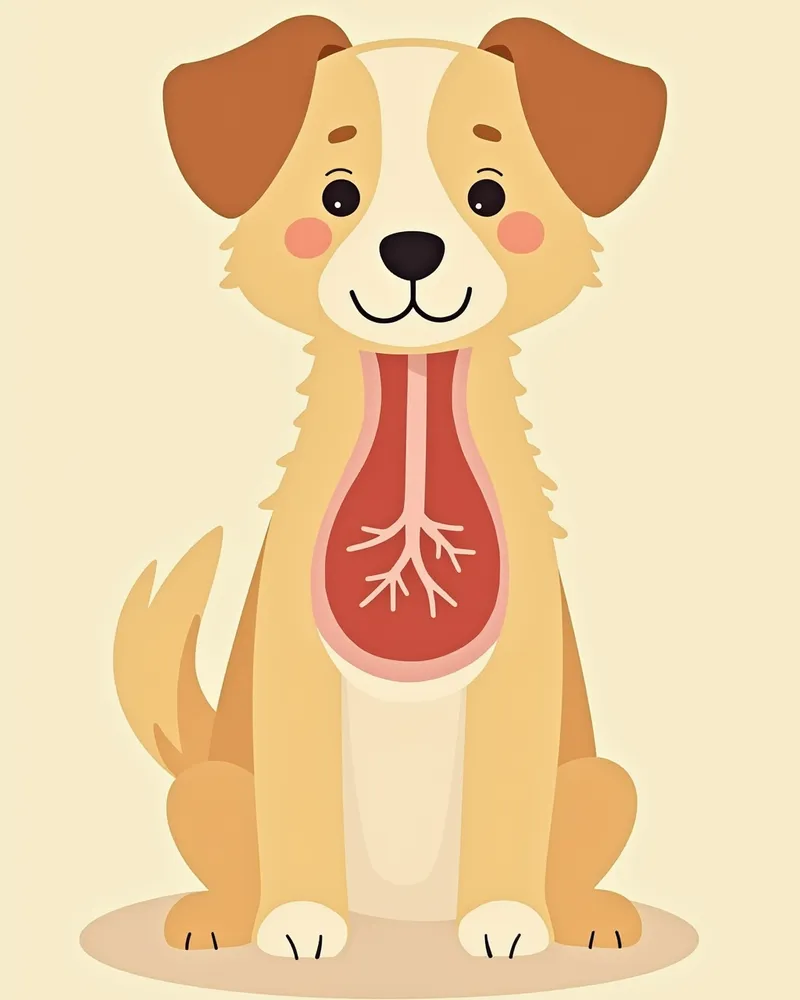
The causes of coughing range from infectious diseases to structural abnormalities. A sign that pet owners often overlook is that the coughing worsens in specific situations. Accurately identifying the cause is essential for effective treatment.
Kennel Cough: An infectious respiratory disease caused by various viruses and bacteria (e.g., Bordetella, Mycoplasma), which spreads easily in public places.
Tracheal Collapse: A progressive structural abnormality common in small dogs and toy breeds. Weakening of the tracheal cartilage causes the airway to flatten, leading to worsened coughing during exercise, excitement, stress, or heat.
Cardiac Cough: Enlargement of the left atrium due to decreased heart function compresses the airway, causing coughing, and may be accompanied by pulmonary edema.
Bronchiectasis: Abnormal dilation of the bronchi leads to recurrent coughing. Damage to the airway mucosa results in repeated inflammation.
Asthma-Like Syndrome: An allergic response that increases airway reactivity and causes airway narrowing. Specific environments or irritants may be the cause.
An explanation of structural abnormalities in a dog's trachea and larynx

Check for Key Symptoms and Signs

Coughing may be accompanied by other signs. Taking all of these into account can help with diagnosis.
Increased coughing frequency: Coughing that repeats dozens of times or more per day.
Changes in cough intensity: When the sound becomes louder or the coughing doesn't stop after each episode.
Difficulty breathing: When the chest moves excessively during breathing or the pet breathes with its mouth open.
Decreased activity level: When the pet is less active than usual or refuses to go for walks.
Vomiting after coughing: When the pet vomits water or food after coughing.
Timing patterns of coughing: When coughing worsens at night or after exercise.
A puppy coughing and appearing to be in distress

When to Seek Immediate Veterinary Care

If your pet’s coughing worsens and is accompanied by difficulty breathing, a bluish tint to the mouth, or collapsing after coughing, seek immediate veterinary care. These are life-threatening emergency symptoms.

Diagnostic Tests for Accurate Diagnosis
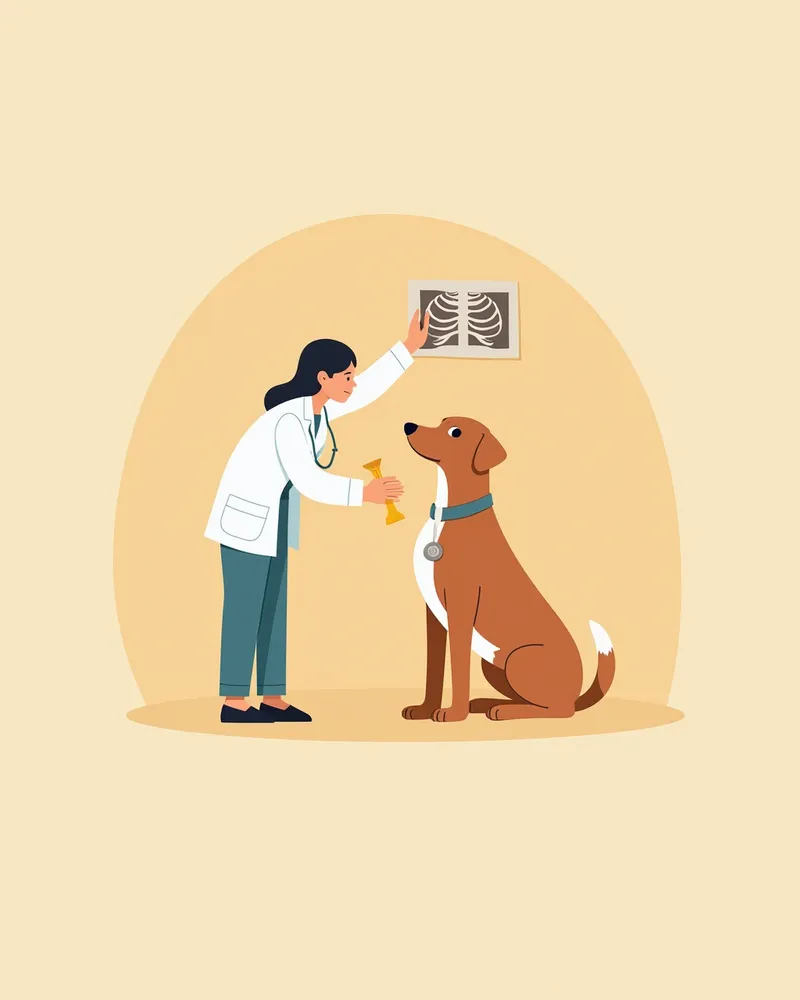
To pinpoint the cause of coughing, several tests may be necessary, which your veterinarian will select based on the specific situation.
Thoracic X-rays: These help identify structural abnormalities in the trachea or lungs.
Post-cough tracheal bacterial culture: This helps identify the specific infectious agent.
Cardiac ultrasound: This evaluates heart function and structure.
Blood tests: These assess overall health status and check for signs of inflammation.
Tracheobronchoscopy: This allows direct visualization of the interior of the trachea.
A veterinarian taking a chest X-ray of a puppy

Treatment Methods Vary Depending on the Cause
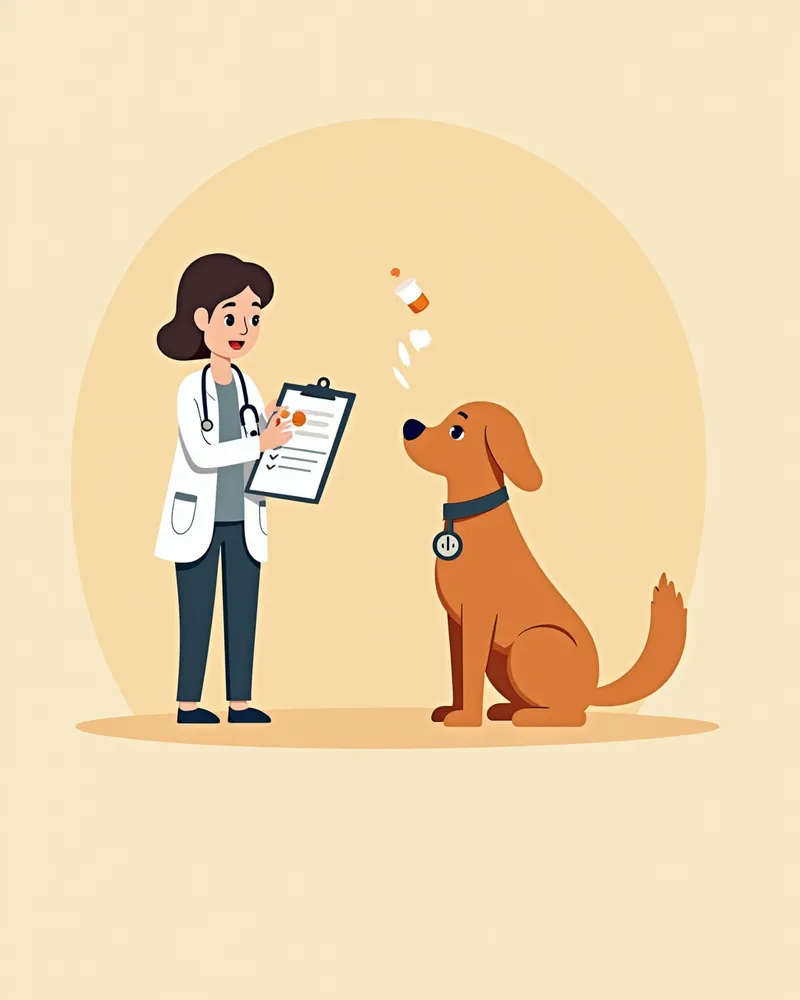
The treatment plan depends on the underlying cause of the cough. Since this is not something you can determine on your own, please consult with your veterinarian.
Infectious cough: These are usually mild and resolve on their own. Supportive care is the mainstay of treatment, and antibiotics may be prescribed if necessary.
Tracheal collapse: Initial management focuses on medical care, including cough suppressants, exercise restriction, and steroids to reduce mucosal irritation. In severe cases, tracheal stenting or surgery may be considered.
Cardiac cough: Heart medications are used to manage cardiac workload and pulmonary edema.
Bronchiectasis: Cough suppressants and bronchodilators are used for treatment.
Allergic reactions: Symptoms are alleviated with antihistamines or steroids.
A veterinarian prescribing medication

Home Care and Management Points

In addition to veterinary treatment, proper care at home is essential. Adjusting your pet’s environment and improving daily habits can make a significant difference.
Use an air purifier: This helps reduce dust and allergens in the air.
Use a harness instead of a collar: This prevents pressure on the neck.
Moderate exercise: Excessive activity can worsen coughing.
Maintain humidity: Dry air can irritate the airways.
Dietary management: Avoid foods that may trigger allergic reactions.
Regular check-ups: Routine veterinary visits help prevent the recurrence of underlying conditions.
A puppy resting comfortably in a pleasant environment.

Certain Breeds Are at Higher Risk for Tracheal Rupture

Small breeds, especially toy and small dogs such as Yorkshire Terriers, Poodles, Pomeranians, and Chihuahuas, are at higher risk for tracheal collapse. Tracheal collapse is a progressive condition commonly seen in older toy and small dogs, so please consult your veterinarian if your dog has persistent coughing.

Reviewed by a veterinarian

Dr. Tony — Punnawat Phongkittirak

Dr. Tony — Punnawat Phongkittirak

Veterinarian

A veterinarian who majored in veterinary medicine at Khon Kaen University, Thailand, and completed the IVSA program at North Carolina State University in the United States. Drawing on clinical experience at animal hospitals, he works in the pet healthcare field and is dedicated to building a digital care environment that connects pet parents with veterinarians.

Frequently Asked Questions

Should I take my dog to the vet if its cough lasts for a week?
If a cough persists for more than two weeks, it is considered chronic and requires a veterinary visit. Even if severe symptoms last for just one week, we recommend early examination.
Is the cough caused by an infection like a cold?
While infection can be a cause, tracheal collapse, heart disease, and allergies are also possible culprits. We shouldn’t assume it’s solely due to an infection.
Can I give my pet cough medicine at home?
Cough medications should be used differently depending on the underlying cause. Giving the wrong medication can worsen symptoms, so please do not administer any cough medicine without a veterinarian’s prescription.
What should I do if the coughing gets worse?
If your pet is having difficulty breathing, has a bluish tint to its mouth, or collapses after coughing, you should go to the vet immediately. These symptoms can be life-threatening.
What kind of lifestyle should I maintain until the coughing subsides?
Moderate exercise, use an air purifier, maintain proper humidity, and switch from a collar to a leash to help manage symptoms. Avoid foods that may trigger allergies. It’s also important to steer clear of specific environments and minimize stress.

Share

Related Guides

References

[1] Smith, P. (2023). The dog with kennel cough. In 100 Top Consultations in Small Animal General Practice, 3rd ed.

[2] The Veterinary Workbook of Small Animal Clinical Cases (2022). Case 42: Common cases in adult and geriatric canine.

[3] Canine and Feline Respiratory Medicine, 3rd Edition (2021). Chapter on tracheal collapse and chronic coughing.

This information is based on veterinary literature and does not replace diagnosis or treatment. Please consult a veterinarian for specific health concerns.

Metapet Co., Ltd. | CEO: Park Sung-yong | Business Reg. No. 417-88-02562 | Seoul, South Korea | Customer Center

Chronic Cough in Dogs: Differential Diagnosis Guide | Meongsiljang