Like
Share
멍실장
강아지 사구체신염 증상과 원인, 진단·치료와 관리 포인트 총정리

If Your Dog Shows Proteinuria or Edema — Causes and Treatment Timing for Glomerulonephritis

KidneyDiseasesMeongsiljang Veterinary Advisory Board

Canine glomerulonephritis is a chronic kidney disease in which inflammation of the glomeruli (the kidney’s filtering units) causes protein to leak into the urine. Because early symptoms are often absent, the condition is easily detected late; therefore, early detection through regular urinalysis is key.

What Is Canine Glomerulonephritis?
A medical illustration showing the glomerular structures and inflamed areas within a dog’s kidneys.
Canine glomerulonephritis is a kidney disease in which inflammation of the glomeruli—the tiny filtering units within the kidneys—causes protein to leak into the urine. The real challenge is that there are no obvious symptoms in the early stages. If protein continues to leak, kidney function gradually deteriorates, potentially leading to chronic kidney failure. The most important step in protecting your dog’s kidneys is detecting proteinuria early through regular urine tests.

Causes of Glomerulonephritis

The most common cause of glomerulonephritis is an immune-mediated reaction triggered by the accumulation of immune complexes in the glomeruli. Here’s a breakdown by cause:
Immune-mediated: Autoimmune diseases such as lupus and rheumatoid arthritis can attack the glomeruli.
Infectious: Heartworm disease, ehrlichiosis, Lyme disease, and leptospirosis can all be underlying causes.
Neoplastic: Malignant tumors, such as lymphoma, may trigger an immune response.
Genetic predisposition: The condition is frequently seen in Bernese Mountain Dogs, Doberman Pinschers, and Soft Coated Wheaten Terriers.
Idiopathic: In many cases, the exact cause remains unknown despite thorough testing.

Checklist of Main Symptoms

In the early stages, there are usually no noticeable symptoms. However, if proteinuria persists for a long time, the following signs may gradually appear:
Foamy urine: A sign of proteinuria, where the urine appears foamy and cloudy.
Edema: Swelling in the legs, abdomen, or face due to hypoalbuminemia.
Weight loss: Decreased appetite and noticeable muscle wasting.
Lethargy: More sleep than usual and reduced energy levels.
Polydipsia and polyuria: Increased water intake and larger urine volume.
Vomiting and nausea: Occurs when kidney function declines and toxins build up in the body.
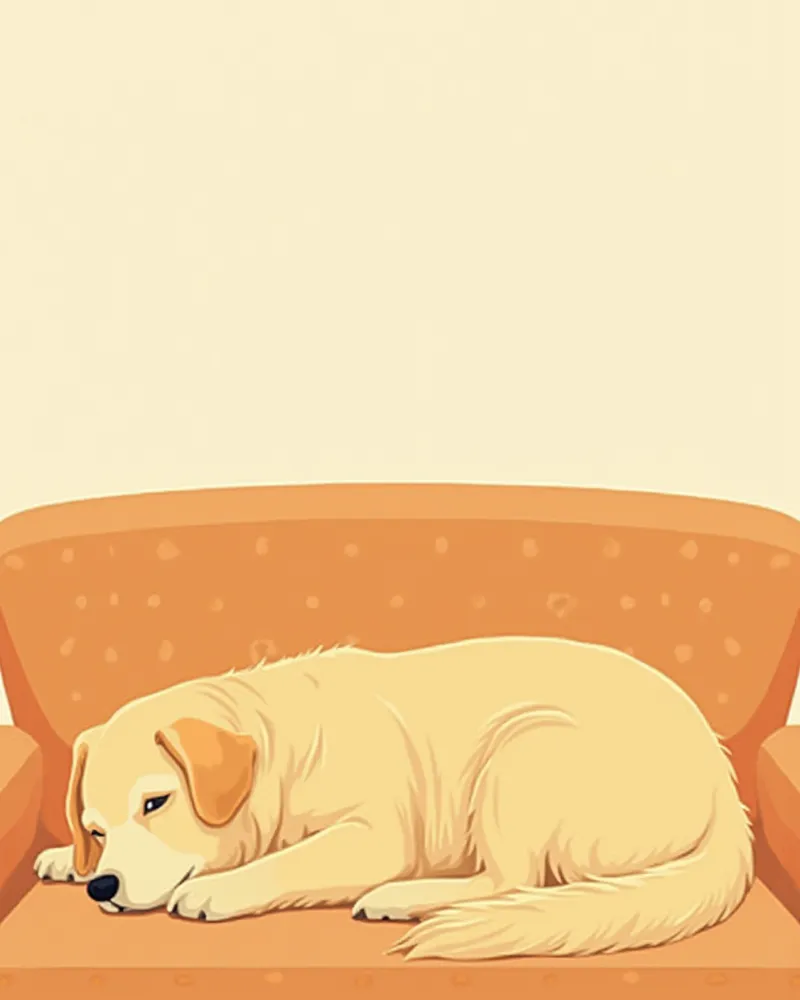
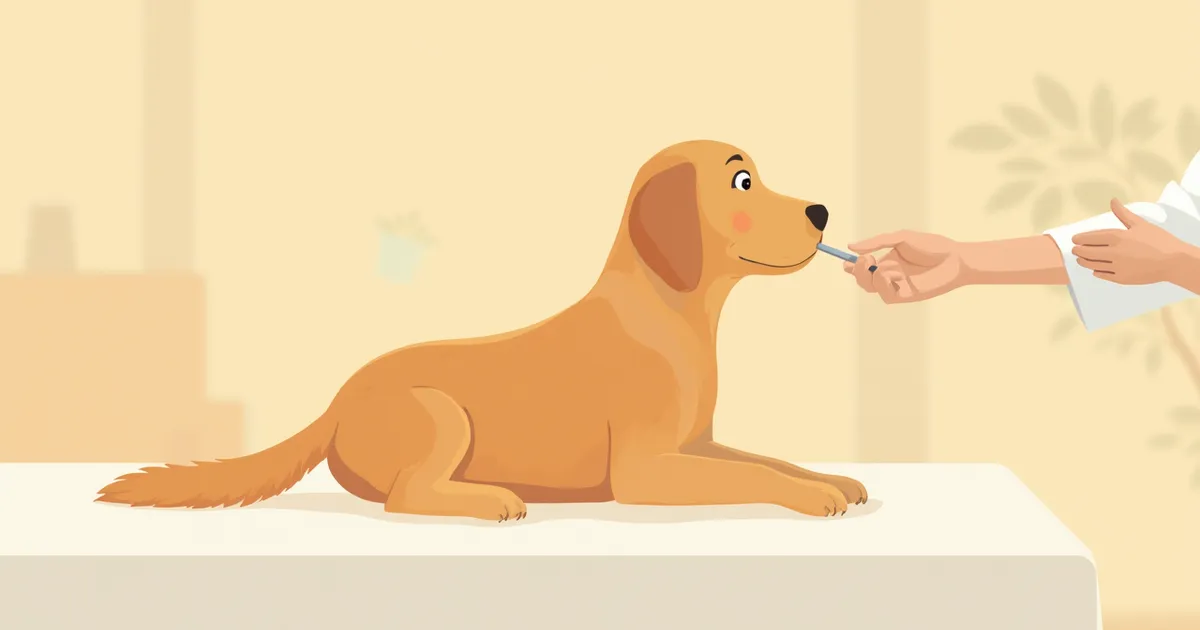
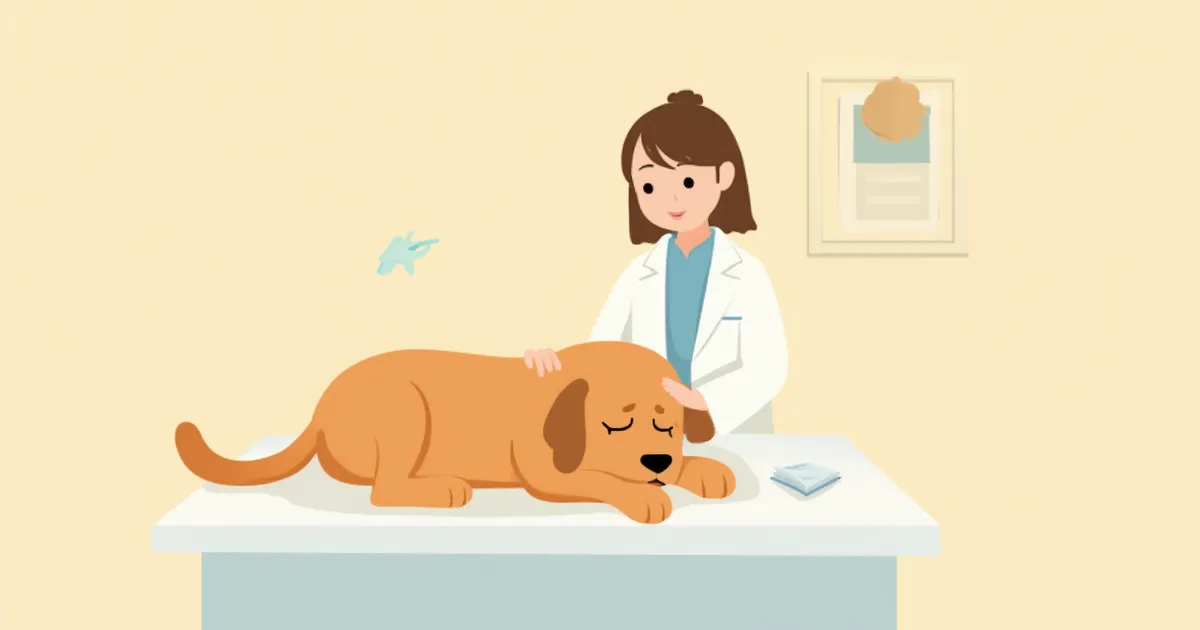
A dog lying weakly with swollen legs due to edema

Seek Veterinary Care Within 24 Hours If These Symptoms Appear

If your pet shows any of the following symptoms, seek veterinary care the same day, as their kidney function may be declining rapidly: • A complete and sudden loss of appetite • Noticeable swelling in the legs or abdomen • Repeated vomiting or unsteadiness • Little to no urination, or urine that is unusually dark

Diagnostic Methods — What Tests Are Performed?
Diagnosing glomerulonephritis begins with a urinalysis.
Urine Protein-to-Creatinine Ratio (UPC): This quantifies the degree of proteinuria. If significant protein is leaking into the urine while red and white blood cell counts remain low, glomerular disease is strongly suspected.
Blood Tests: Blood urea nitrogen (BUN) and creatinine levels assess kidney function (glomerular filtration rate), while albumin levels help determine the extent of protein loss.
Blood Pressure Measurement: Since glomerulonephritis can be accompanied by hypertension, blood pressure is checked concurrently.
Ultrasound Examination: This evaluates kidney size and identifies any structural abnormalities.
Kidney Biopsy: A biopsy may be recommended to identify the underlying cause and achieve an accurate classification if proteinuria progressively worsens. However, the diagnostic value of a biopsy may be limited in cases where hereditary kidney disease is suspected based on age and breed, or when amyloidosis is strongly suspected.
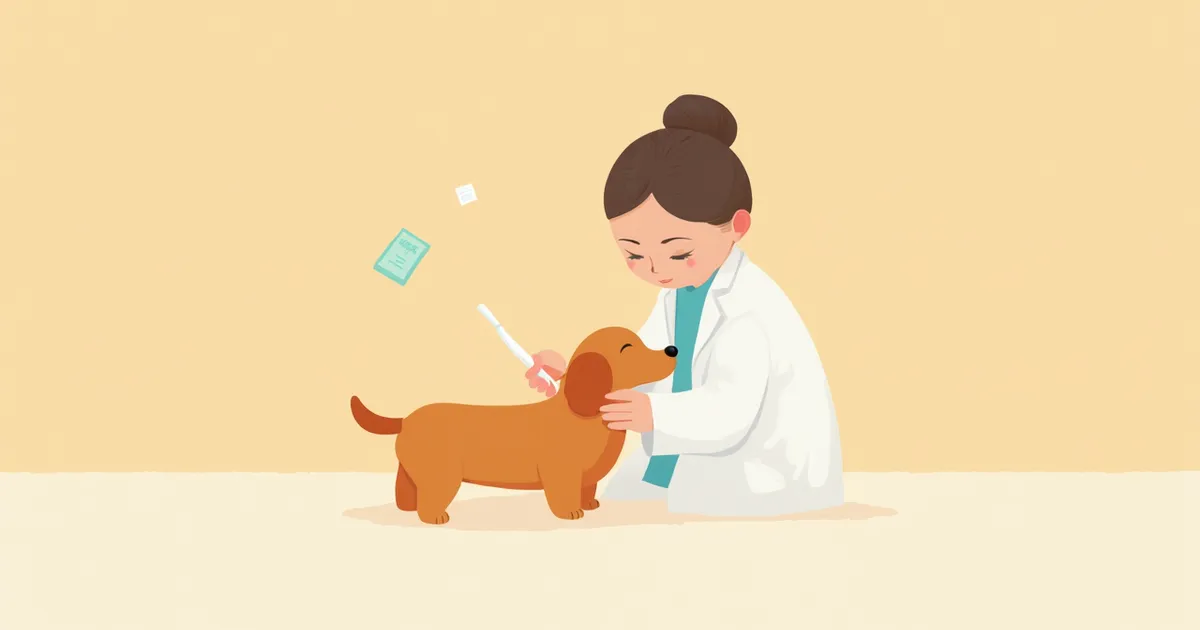
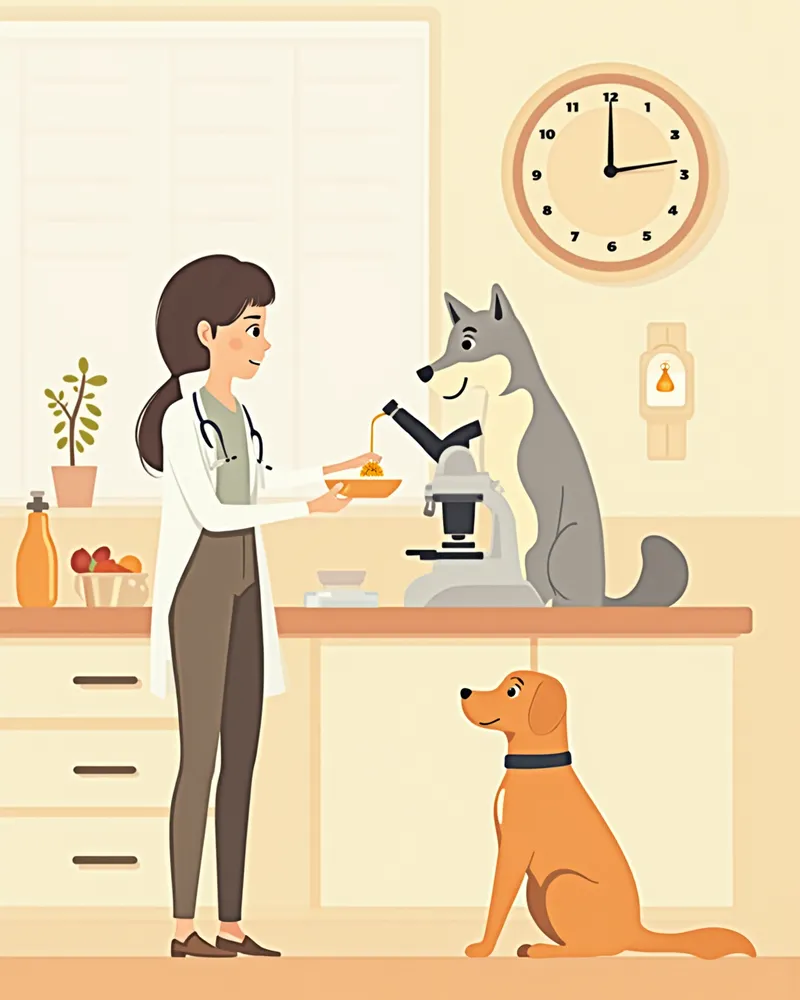
A veterinarian examining a puppy’s urine sample under a microscope

Treatment Methods — Step-by-Step Overview

Treatment proceeds along two parallel tracks: removing the underlying cause and protecting the kidneys.
Treating the underlying cause: If there is an underlying condition such as heartworm disease, infection, or tumors, that is addressed first. In particular, for Lyme disease (Lyme nephritis), antibiotic therapy with doxycycline and immunosuppressive therapy must be administered simultaneously to ensure survival.
ACE inhibitors: These lower pressure within the glomeruli to reduce proteinuria. Your veterinarian will prescribe the appropriate dose based on your pet’s body weight and kidney function.
Immunosuppressants: If the cause is immune complex-mediated (ICGN), immunosuppressants such as mycophenolate, steroids like prednisolone, or chlorambucil may be used.
Antihypertensives: If high blood pressure is present, antihypertensive medication is also prescribed.
Dietary change: Switch to a veterinary-prescribed renal diet that is low in protein and phosphorus.
A veterinarian explaining prescription medication and renal prescription diet to a pet owner.

Home Care Points You Can Do at Home

When combined with treatment, consistent home care can help slow the progression of kidney damage.
Stick to the prescription diet: Do not switch to regular food or treats without veterinary approval.
Ensure adequate hydration: Increase water intake by incorporating wet food or providing additional water bowls.
Regular follow-up tests: Monitor progress with UPC and blood tests every 1 to 3 months after treatment begins.
Avoid strenuous exercise: Manage energy levels with short, gentle walks.
Administer medication as prescribed: Do not stop ACE inhibitors on your own, even if symptoms appear to improve.

Breeds with High Genetic Predisposition — Exercise Extra Caution

The following breeds have a higher genetic risk for glomerulonephritis or related kidney diseases. Even if your pet shows no symptoms, be sure to have a urinalysis performed at least once a year. • Bernese Mountain Dog — Familial glomerulonephritis has been reported • Soft Coated Wheaten Terrier — Predisposition to protein-losing nephropathy • Doberman Pinscher — Hereditary glomerulopathy • Labrador Retriever, Shar-Pei — Increased risk of amyloidosis

Reviewed by a veterinarian

Dr. Tony — Punnawat Phongkittirak

Dr. Tony — Punnawat Phongkittirak

Veterinarian

A veterinarian who majored in veterinary medicine at Khon Kaen University, Thailand, and completed the IVSA program at North Carolina State University in the United States. Drawing on clinical experience at animal hospitals, he works in the pet healthcare field and is dedicated to building a digital care environment that connects pet parents with veterinarians.

Frequently Asked Questions

Is glomerulonephritis curable?
Identifying and eliminating the underlying cause can lead to improvement. However, slowing disease progression is a more realistic goal than achieving a complete recovery. Early detection, consistent treatment, and proper dietary management can significantly improve the prognosis.
Does a lot of foam in the urine indicate glomerulonephritis?
Foamy urine can be a sign of proteinuria. If the foam persists for several days, have your pet’s urine tested. Proteinuria can stem from various causes beyond kidney disease, so a test is needed to pinpoint the exact underlying issue.
What kind of food should I feed my pet after the diagnosis?
Continue feeding the veterinarian-prescribed renal diet, which is low in protein and phosphorus. Do not give regular food or treats without approval, as this can worsen proteinuria. Only renal-specific prescription treats are allowed.
Can heartworm preventatives help prevent glomerulonephritis?
Heartworm infection is one of the causes of glomerulonephritis. Consistently administering preventive medication can block this specific cause. However, since other causes such as immune-mediated factors and genetics are difficult to prevent with heartworm preventives, it is also important to regularly monitor urine test results.
How often should my pet have tests during treatment?
For the first three months after starting treatment, have UPC, blood, and blood pressure tests done every one to two months. Once the values stabilize, you can extend the interval to every three to six months. Following your veterinarian’s guidance is the most important thing.

Share

Related Guides

References

[1] Ettinger SJ, Feldman EC, Côté E. Textbook of Veterinary Internal Medicine, 8th Ed. Chapter 44: Glomerular Disease. Elsevier, 2017.

[2] Lees GE et al. Assessment and management of proteinuria in dogs and cats: 2004 ACVIM Forum Consensus Statement (small animal). Journal of Veterinary Internal Medicine, 2005.

[3] Littman MP et al. ACVIM consensus update on Lyme borreliosis in dogs and cats. Journal of Veterinary Internal Medicine, 2018.

[4] Nelson RW, Couto CG. Small Animal Internal Medicine, 6th Ed. Chapter 47: Glomerulonephritis. Elsevier, 2019.

This information is based on veterinary literature and does not replace diagnosis or treatment. Please consult a veterinarian for specific health concerns.

Metapet Co., Ltd. | CEO: Park Sung-yong | Business Reg. No. 417-88-02562 | Seoul, South Korea | Customer Center

Dog Proteinuria or Edema? Glomerulonephritis Causes & Care | Meongsiljang