
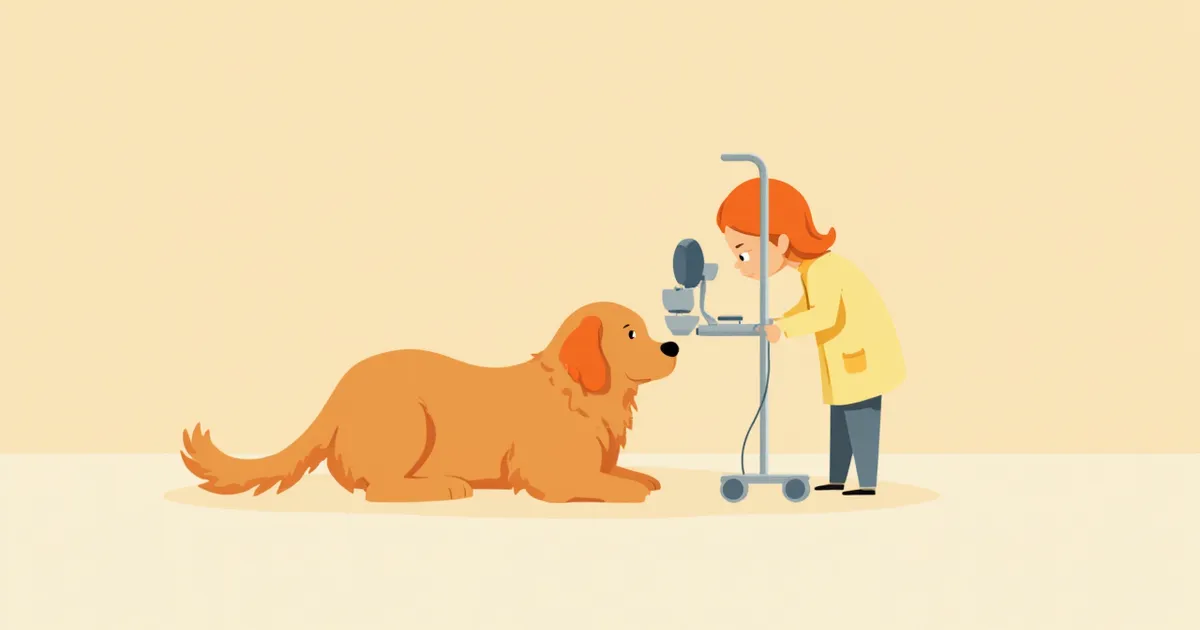
Guide to Canine Cataract Surgery Costs and Postoperative Recovery Management
This guide, prepared by a veterinary ophthalmologist, covers the cost range for cataract surgery in dogs at different clinics, the ophthalmic examinations used to determine surgical eligibility, and key management points for each stage of the 4-week postoperative recovery period.
What Are Canine Cataracts? Why Surgery Is Essential
Three Causes of Cataracts
Five Early Signs of Cataracts to Check at Home

These Signs Require Veterinary Ophthalmologic Care Within 24 Hours
If one eye suddenly becomes cloudy over just a few days, or if your pet frequently squints and shows increased redness and tearing, seek immediate veterinary ophthalmologic care. Leakage of lens proteins can lead to lens-induced uveitis or secondary (post-uveitic) glaucoma, causing a rapid rise in intraocular pressure that may result in vision loss within a short period. Secondary glaucoma can progress acutely, requiring prompt emergency intervention; sudden vision changes in diabetic dogs are particularly urgent.
Four Ophthalmic Examinations to Determine Surgical Eligibility
Comparison of Cataract Surgery Costs by Clinic Type
| Item | General Animal Hospital Ophthalmology | Specialized Ophthalmology Hospital | University Animal Hospital |
|---|---|---|---|
| Pre-operative comprehensive exam | KRW 200,000–400,000 | KRW 400,000–600,000 | KRW 300,000–500,000 |
| Single-eye surgery (incl. anesthesia & hospitalization) | KRW 1.5–2.5 million | KRW 2.5–4 million | KRW 2–3.5 million |
| Simultaneous bilateral surgery | KRW 2.8–4.5 million | KRW 4.5–7 million | KRW 3.8–6 million |
| Premium intraocular lens add-on | Limited options | +KRW 300,000–600,000 | +KRW 300,000–500,000 |
| Post-operative regular checkup (per visit) | KRW 80,000–120,000 | KRW 120,000–180,000 | KRW 100,000–150,000 |
These are typical ranges as of May 2026. Actual costs may rise further depending on the presence of complications, surgical equipment (whether phacoemulsification is used), and the type of intraocular lens. For an accurate estimate, receive one directly from the hospital after reviewing the ERG test results.
Step-by-Step Guide to 4-Week Postoperative Recovery Management

Home Care Points to Prevent Recurrence and Complications
Additional Precautions by Breed and Underlying Conditions
Breed predisposed to hereditary cataracts, such as Poodles, Cocker Spaniels, and Bichon Frises, often develop the condition in both eyes. Therefore, after surgery on one eye, the other eye should be closely monitored, and additional surgery may be considered. In some breeds, there is a risk of secondary glaucoma after cataract surgery, making intraocular pressure monitoring particularly important. For diabetic dogs, it is advisable to schedule surgery only after blood sugar levels have been stably controlled, and insulin dosage adjustments may be necessary before and after the procedure. If underlying health conditions are present, a thorough assessment of the dog’s overall health is essential before anesthesia and surgery.
Reviewed by a veterinarian

Dr. Tony — Punnawat Phongkittirak
VeterinarianA veterinarian who majored in veterinary medicine at Khon Kaen University, Thailand, and completed the IVSA program at North Carolina State University in the United States. Drawing on clinical experience at animal hospitals, he works in the pet healthcare field and is dedicated to building a digital care environment that connects pet parents with veterinarians.
Frequently Asked Questions About Canine Cataract Surgery
What is the success rate of cataract surgery in dogs?
If only one eye has cataracts, is it okay to operate on just that eye?
Is surgery possible for senior dogs (12 years and older)?
Is it absolutely necessary to implant an artificial lens?
Will my pet’s vision remain stable for life after surgery?
Share
Related Guides

Top 5 Dog Tear Supplements Recommended for 2026

The Ultimate Guide to Managing Excessive Tearing and Tear Stains in Dogs: Top Recommendations and Selection Criteria

What is Lutein? Effects on Dog Eye Health
If Your Cat’s Vision Is Blurring — A Complete Guide to Retinal Degeneration, Age-Related Retinal Changes, and Management

If Your Cat’s Pupils Are Different Sizes — Causes of Anisocoria and Emergency Diagnosis Points

Feline Ocular Ultrasound — Key Points for Diagnosing Cataracts, Tumors, and Retinal Detachment

How to Clean Your Cat’s Eye Discharge — Safe Eye Cleaning and Flushing Methods and Warning Signs

If Your Cat Suddenly Can’t Open Its Eye — Emergency First Aid for Foreign Bodies and When to See a Vet

If Your Cat’s Tears Won’t Stop — Causes of Nasolacrimal Duct Obstruction and When to Seek Treatment

If Your Cat’s Eye Suddenly Becomes Cloudy — Symptoms of Lens Luxation and When to Seek Emergency Treatment
References
[1] Maggs DJ, Miller PE, Ofri R, Slatter's Fundamentals of Veterinary Ophthalmology, 6th Edition, 2018
[2] Gelatt KN, Ben-Shlomo G, Gilger BC, Veterinary Ophthalmology, 6th Edition, 2021 — Chapter on Canine Cataract
[3] Davidson MG, Nelms SR, Diseases of the Lens and Cataract Formation, in Veterinary Ophthalmology textbook
[4] Bras D et al., Phacoemulsification Outcomes in 244 Diabetic Dogs, Vet Ophthalmol, 2006