Like
Share
멍실장
고양이 눈 세정·세안 방법 증상과 원인, 진단·치료와 관리 포인트 총정리

How to Clean Your Cat’s Eye Discharge — Safe Eye Cleaning and Flushing Methods and Warning Signs

Eye HealthDiseasesMeongsiljang Veterinary Advisory Board

Proper eye cleaning is essential for maintaining your cat’s eye health. Since incorrect cleaning can irritate the eyes, it’s important to know the right way to do it.

Eye Cleaning and Flushing Methods Are Key to Maintaining Eye Health
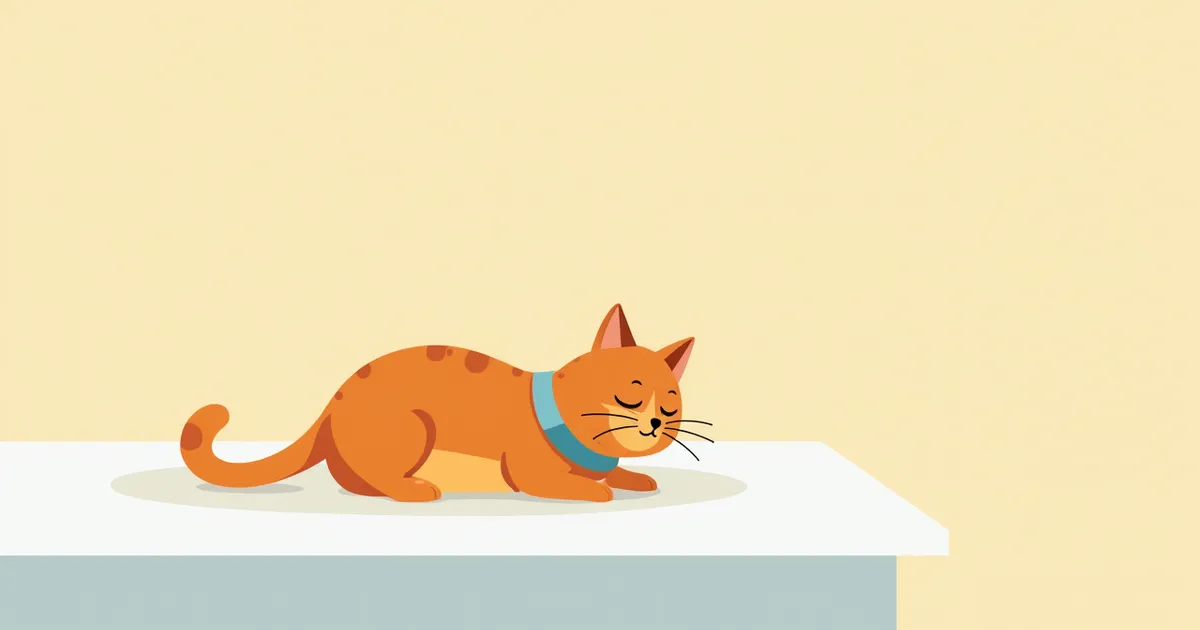
A cat calmly receiving eye cleaning.
Cleaning your cat’s eyes is essential for preventing eye diseases by removing discharge, dust, and foreign particles from around the eyes. Using improper methods can irritate the eyes, so it’s important to use specialized products and follow the correct procedures. - Eye cleanser: Use sterile saline solution or a cat-specific eye cleanser. These are gentle on the eyes and safe to use. - Cleaning tools: Use cotton pads that are discarded after a single use, and use a separate pad for each eye. - Cleaning procedure: Gently wipe from the inner corner of the eye outward. - Cleaning frequency: For tear-prone breeds or long-haired cats, cleaning once or twice daily is recommended. - Precautions: If your cat shows signs of pain or reacts negatively when you touch its eyes, consult a veterinarian immediately.

The Main Causes of Improper Eye Cleaning Are Infection, Mechanical Irritation, and Underlying Diseases
Improper eye cleaning or flushing in cats can cause inflammation around the eyes and lead to bacterial or viral infections. This risk is especially high in cats with long fur around the eyes or excessive tearing, as the resulting damp environment promotes bacterial growth. - Mechanical irritation: Rubbing the eyes with rough cloths or fingers can damage the cornea. - Impact of underlying conditions: In cats with pre-existing conditions such as rhinitis, dry eye, or keratitis, inadequate cleaning can worsen symptoms. - Preventive care: Regular cleaning and maintaining hygiene are essential. - Veterinary consultation: If symptoms persist, seek veterinary care immediately.
A cat’s eyes with tear discharge and redness

Checklist of Main Symptoms Requiring Eye Cleaning

When considering how to clean your cat’s eyes, be aware that the following symptoms may indicate an underlying eye health issue: - Sticky or stringy tears: If the discharge is mucous-like or clumps together, it could be a sign of infection. - Red, bloodshot eyes: Visible redness from dilated blood vessels suggests inflammation. - White spots around the eyes: These may be inflammatory deposits left behind as tears dry, or they could indicate a problem with the tear ducts. - Frequent eye rubbing: This behavior often signals the presence of a foreign object or irritation in the eye. - Keeping the eyes closed: If your cat keeps its eyes shut due to pain or discomfort, immediate veterinary attention is required.
A cat with its eyes closed

Emergency Signs Requiring Immediate Veterinary Visit

If your cat’s eyes are severely red, if they’re keeping their eyes completely shut, if there’s pus discharge, if the eyes appear swollen or the pupils look cloudy, or if your cat shows signs of pain when you touch their eyes, these symptoms could indicate serious conditions such as keratitis, ophthalmitis, or internal eye bleeding. Please consult a veterinarian immediately.

Diagnostic Tests Performed by Veterinarians for Accurate Diagnosis
To determine the most appropriate method for cleaning your cat’s eyes, veterinarians perform a series of diagnostic tests. - Ophthalmic Examination (Slit-Lamp Biomicroscopy): Using a focused light source or slit lamp, the veterinarian directly examines the eyelids, conjunctiva, third eyelid, cornea, and anterior chamber to identify any abnormalities. - Corneal Staining (Fluorescein Stain Test): A fluorescent dye is applied to the cornea to precisely evaluate surface damage, such as epithelial defects or ulcers. This test is also used to check for patency of the nasolacrimal duct. - Tear Production Test (Schirmer Tear Test): This measures tear volume to diagnose conditions such as dry eye (keratoconjunctivitis sicca). - Intraocular Pressure Measurement (Tonometry): Intraocular pressure is measured to detect abnormalities such as glaucoma. Normal intraocular pressure typically ranges from 15 to 25 mmHg. - Diagnosis-Based Treatment: A customized treatment plan is developed based on the results of these examinations.
A veterinarian examining a cat's eye using a slit lamp

Treatment Methods Proceed Step by Step Depending on the Cause
Cleaning your cat’s eyes is only part of the treatment. If an infection is the cause, topical (eye drop) or systemic antibiotics are used. If a bacterial ulcer is suspected, culture and sensitivity testing are performed to select the appropriate medication. Steroids (corticosteroids) to reduce inflammation can trigger herpesvirus recurrence or worsen ulcers, so a veterinarian must carefully evaluate before prescribing them. If there is corneal damage, lubricants and protective agents are used to shield the corneal surface and aid healing. If herpesvirus is suspected, antiviral medication is administered concurrently. - Treatment duration: Follow your veterinarian’s instructions carefully for management, and always confirm with them before stopping any medication. - Preventing recurrence: Improve cleaning methods and care routines to prevent the condition from returning. - Regular check-ups: Continue to consult with your veterinarian for regular check-ups even after symptoms have resolved.
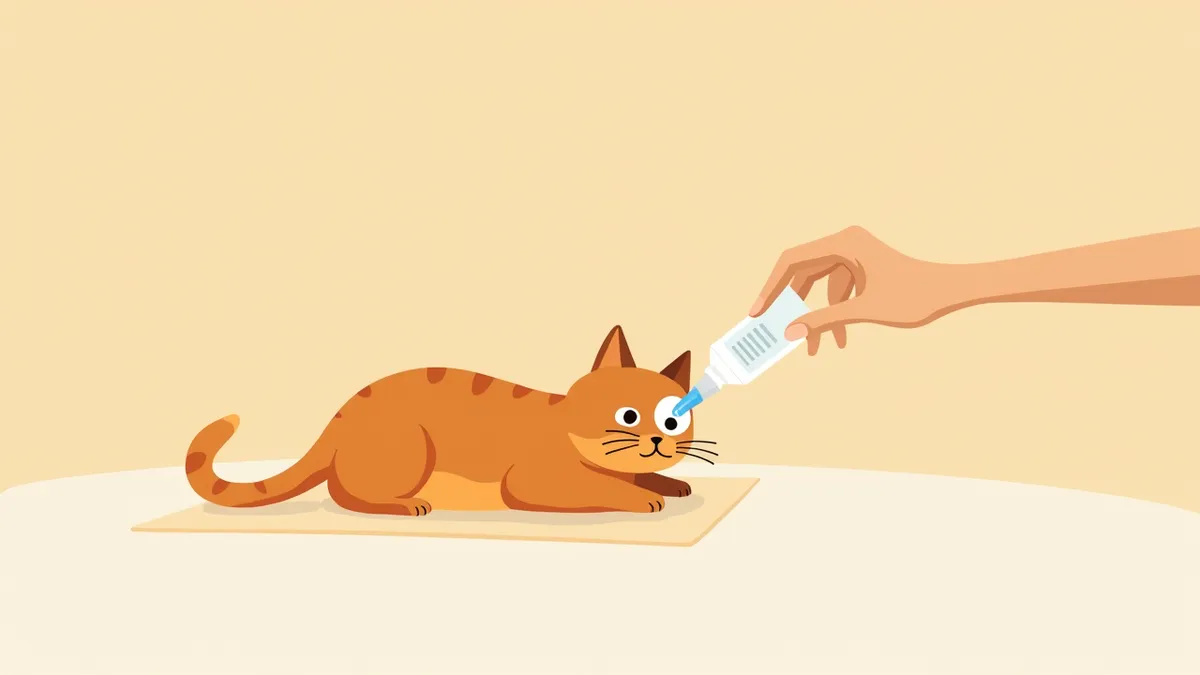
A veterinarian administering eye drops to a cat.

Key Points for Home Care Are Cleanliness and Consistency

Clean your cat’s eyes daily or as needed. Before cleaning, wash your hands thoroughly and use a dedicated eye cleanser or sterile saline solution. Use a fresh cotton pad for each eye and discard it after a single use. After cleaning, allow the area around the eyes to air dry and avoid repeated irritation. - Cleaning direction: Gently wipe from the inner corner of the eye outward. - Environmental care: Keep your cat’s living space clean by regularly removing dust and hair. - Warning signs: If you notice swelling or a diminished response in the eyes, consult your veterinarian immediately.
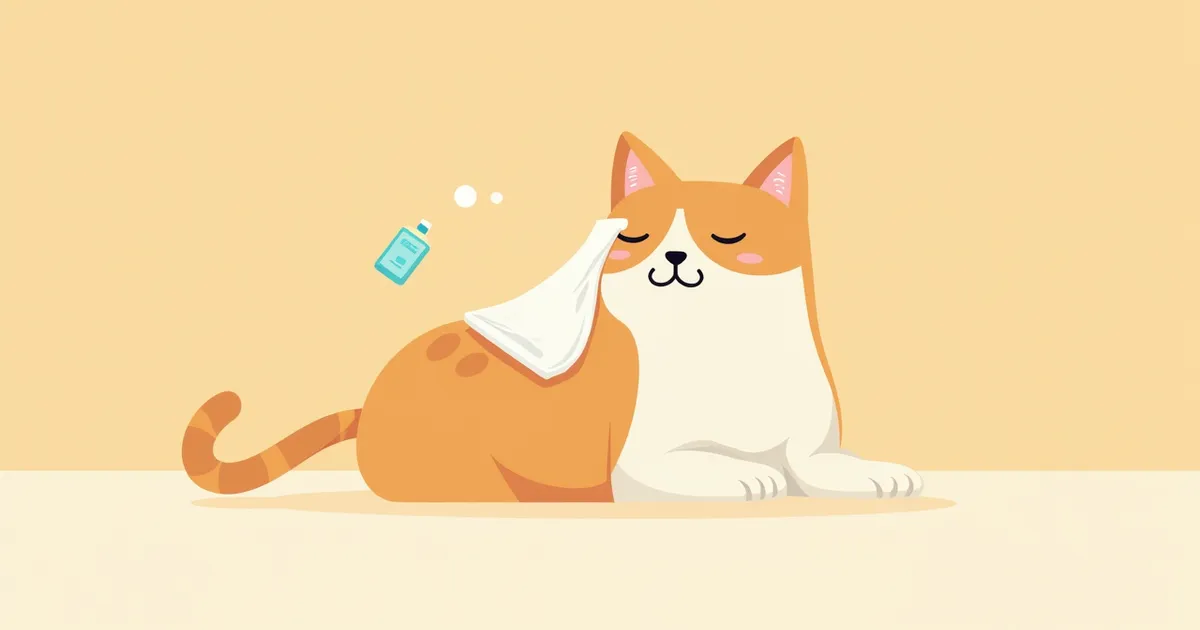
Cat Eye Cleanser and Cotton Pad Set

Certain Breeds Are More Vulnerable to Eye Problems, So Caution Is Needed

Brachycephalic breeds like Persians and Himalayans, characterized by their short noses and prominent eyes, are more prone to a feline-specific condition called corneal sequestrum (corneal melanosis), requiring extra attention to eye care. In breeds with protruding eyes, the tear film doesn't spread evenly, making them more susceptible to irritation and dryness, which necessitates more frequent cleaning and observation. Additionally, long hair around the eyes can directly irritate the cornea. For these breeds, regular eye care and veterinary check-ups are essential.

Reviewed by a veterinarian

Dr. Tony — Punnawat Phongkittirak

Dr. Tony — Punnawat Phongkittirak

Veterinarian

A veterinarian who majored in veterinary medicine at Khon Kaen University, Thailand, and completed the IVSA program at North Carolina State University in the United States. Drawing on clinical experience at animal hospitals, he works in the pet healthcare field and is dedicated to building a digital care environment that connects pet parents with veterinarians.

Frequently Asked Questions

How many times a day should you clean your cat’s eyes?
If there is excessive discharge or sticky tears in the eyes, applying it once or twice a day is sufficient. Overuse can irritate the eyes.
What are some eye cleansers I can use at home?
Use sterile saline solution or a cat-specific eye cleanser. Never use regular cosmetics or plain water, as they can irritate your cat's eyes.
What should I do if my cat squirms while I’m cleaning its eyes?
Approach your pet slowly and gently in a quiet environment. Start by lightly petting them with your hands to help them get used to it, then gradually begin the cleaning process.
Is it normal for my pet’s tears to be sticky?
While occasional discharge can be normal, persistent or pus-filled discharge may indicate inflammation or infection in the eye. It’s best to consult with a veterinarian.
What should I do if my pet’s eyes become more red after cleaning them?
There may be an issue with the cleaning tool or solution. Stop cleaning immediately and consult your veterinarian. Prolonged irritation should be avoided.

Share

Related Guides

References

[1] Cullen CL, Njaa BL, Grahn BH. Ulcerative keratitis associated with qualitative tear film abnormalities. Vet Ophthalmol. 1999;2:197–204.

[2] Featherstone, J.G. and Heinrich, C.L. (2013). Ophthalmic Care. In: Veterinary Ophthalmology, 5e (ed. K.N. Gelatt, B.C. Gilger and T.J. Kern), 533–613. Wiley Blackwell.

[3] Smith L. The dos and don'ts of treating ocular disease in cats (Proceedings). DVM. 360 [Internet]; 2011. Available from: http://www.dvm360.com

This information is based on veterinary literature and does not replace diagnosis or treatment. Please consult a veterinarian for specific health concerns.

Metapet Co., Ltd. | CEO: Park Sung-yong | Business Reg. No. 417-88-02562 | Seoul, South Korea | Customer Center

How to Clean Cat Eye Discharge: Safe Methods & Warning Signs | Meongsiljang