Like
Share
멍실장
강아지 광견병 예방접종 증상과 원인, 진단·치료와 관리 포인트 총정리

Dog Rabies Vaccination: Symptoms, Causes, Diagnosis, Treatment, and Management Essentials

Lifestyle & Age CareDiseasesMeongsiljang Veterinary Advisory Board

Rabies in dogs is a fatal viral infection, making vaccination essential. Regular vaccinations and proper care can help reduce the risk of infection.

Dog Rabies Vaccination is an Essential Preventive Measure

A puppy waiting to receive its rabies vaccination from the veterinarian.
Rabies vaccination for dogs is a crucial preventive measure against a fatal viral infection. While rabies vaccines are recommended as core vaccines in many countries, some regions, such as the UK, do not routinely administer them due to long periods without rabies cases. This vaccine plays a vital role in safeguarding both pets and humans. Vaccination typically begins at 12 weeks of age, and the schedule may vary depending on legal requirements or local guidelines. After vaccination, reduce your dog’s activity for 1–2 days and carefully monitor for any adverse reactions. Always keep detailed vaccination records. Skipping vaccinations increases the risk of infection, making regular care essential.

Causes and Transmission Routes of Rabies

Rabies is an acute, fatal disease caused by the rabies virus, leading to severe encephalitis that affects the brain and nervous system. - Virus transmission: The virus enters the body through bite wounds from infected animals and travels backward along peripheral nerves to reach the brain (central nervous system). - Primary sources: Wild animals such as raccoons, foxes, coyotes, and skunks are the main carriers. In areas with good pet vaccination coverage, wild animals are the primary reservoirs, whereas in areas with poor coverage, domestic animals become the main carriers. - Transmission routes: The virus is mostly transmitted through bite wounds, but it can also spread through scratches or mucous membrane exposure, although these cases are rare. It can infect all warm-blooded animals, including humans. - Incubation period: There is a period after infection during which no visible symptoms appear. - Key prevention: Reduce contact with other animals and lower the risk of infection through regular vaccinations.
A puppy being bitten by an infected animal, allowing the rabies virus to enter its body.

Main Symptoms and Behavioral Changes

The early signs of rabies in dogs include restlessness, decreased appetite, and isolation. As the disease progresses, neurological symptoms such as increased aggression, difficulty swallowing, muscle spasms, paralysis, and confusion gradually worsen. These symptoms occur as the virus damages the brain. Once clinical signs appear, treatment is rarely effective, and the disease is almost always fatal. If you suspect any behavioral changes, seek veterinary care immediately. Because early detection is difficult, vaccination remains the most critical preventive measure.
Behavioral changes in puppies showing symptoms of rabies

Emergency Situations Requiring Immediate Veterinary Visit

If your dog is bitten by another animal or exhibits unusual behavior, seek veterinary care immediately. Since rabies can be transmitted to humans, you must report any suspected cases to your local health authority right away. Because there is no cure for rabies, prevention is the top priority.

Diagnostic Methods and Confirmation Procedures
Rabies is difficult to confirm based on symptoms alone. - Accurate Diagnosis: Confirmation requires examining brain (nerve) tissue to detect the virus, a test that is typically performed post-mortem (during necropsy). - Timing of Testing: Because the disease is almost always fatal once symptoms appear, early diagnosis in living animals is challenging. - Diagnostic Limitations: Diagnostic testing in living animals is not recommended, and a negative RT-PCR result from saliva cannot rule out rabies. - Emergency Measures: If infection is suspected, the animal must be immediately isolated and reported to public health authorities. - Prevention First: Prevention is far more important than diagnosis.
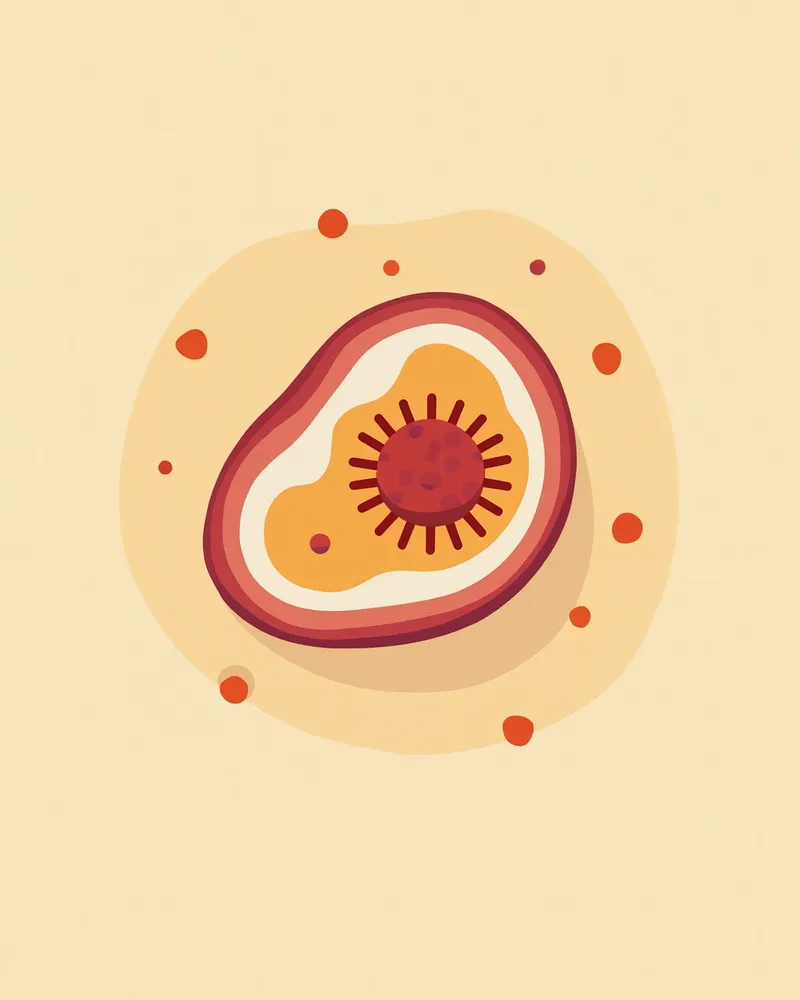
The appearance of the rabies virus in brain tissue

Treatment Methods and Prognosis

Once symptoms of rabies appear in dogs, the disease is untreatable. - No cure available: There are no diagnostic tests or effective treatments that can be administered while the animal is alive, and once clinical signs develop, death is almost inevitable. - Prognosis: Vaccination before exposure is essentially the only way to protect your dog. - Preventive efficacy: Completing regular vaccinations significantly reduces the risk of infection. - If infection is suspected: Immediately isolate the animal and report the case to local health authorities. If bitten by an unvaccinated animal, seek immediate vaccination and follow isolation or management guidelines as advised. - Vaccination schedule: Vaccination typically begins at 12 weeks of age, though the booster schedule may vary depending on local regulations. - Prevention is key: Vaccination is the most reliable way to safeguard your dog’s life.
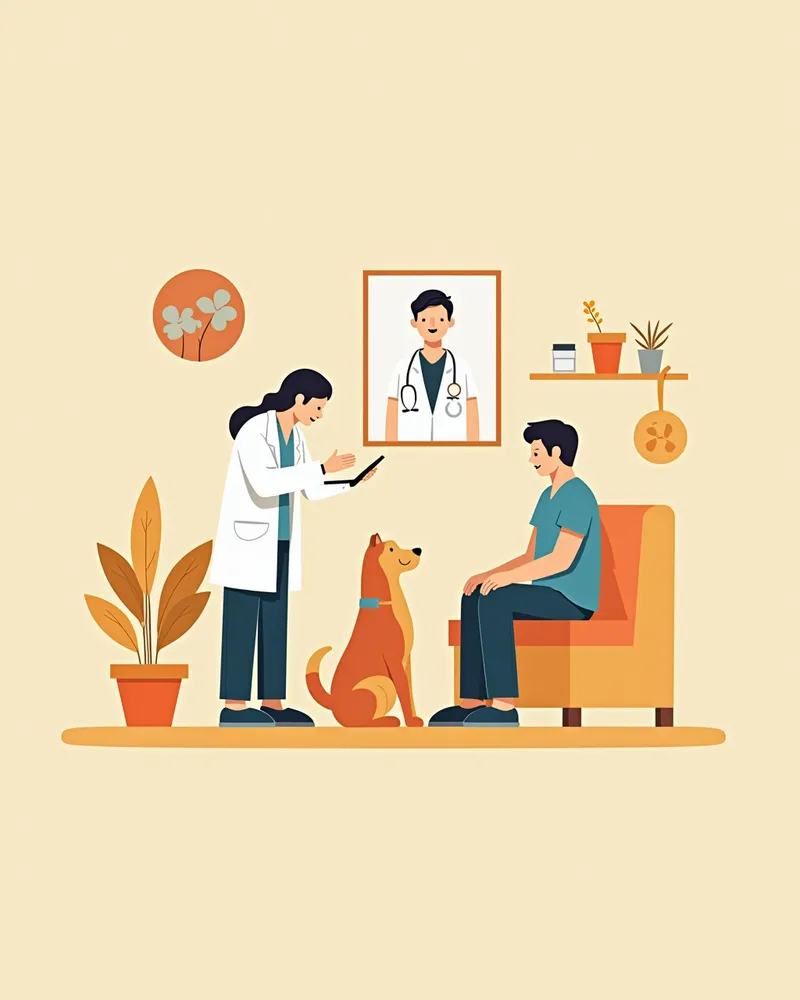
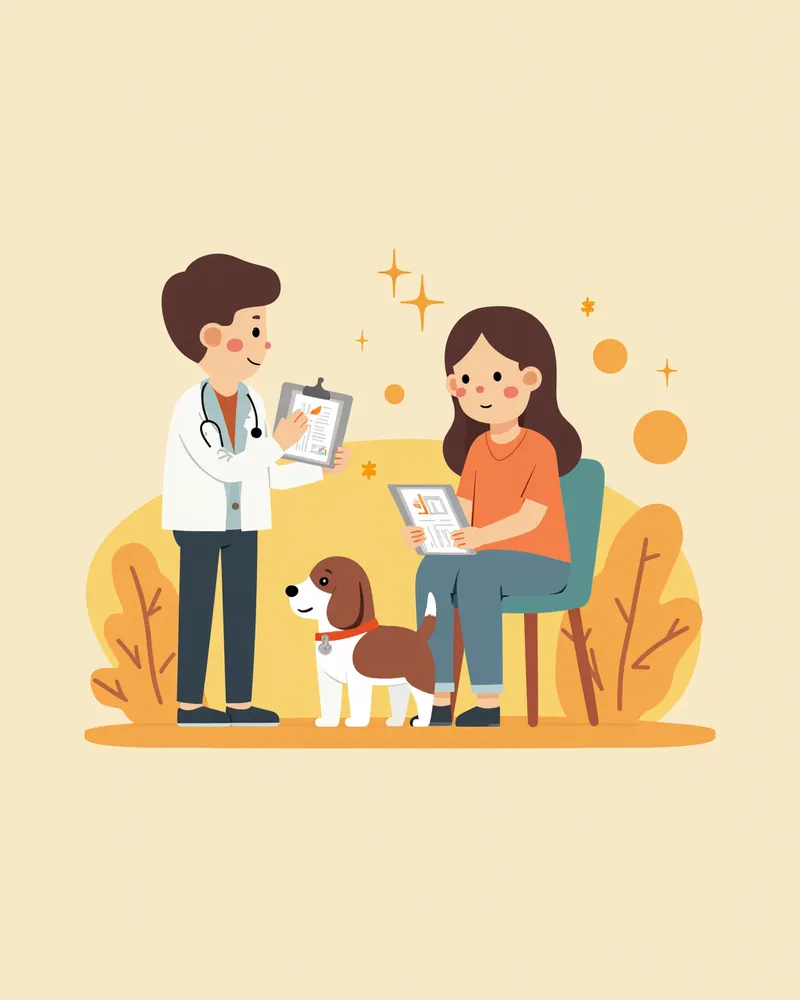
A veterinarian explaining rabies prevention to a pet owner.

Home Management and Prevention Points
Rabies vaccinations for dogs should be administered on a regular schedule. - Vaccination Schedule: The initial vaccination is typically given at 12 weeks of age, followed by booster shots as recommended by your veterinarian to maintain immunity. - Post-Vaccination Care: For 1–2 days after vaccination, reduce your dog’s physical activity and carefully monitor for any adverse reactions. - Record Keeping: Be sure to keep all vaccination records safely stored. - Environmental Management: Minimize contact with wild animals such as raccoons and foxes, and maintain a safe environment. - Prevention-Focused Approach: In addition to vaccinations, ongoing vigilance and proper care are essential for effective prevention.
A pet owner reviewing their dog’s vaccination records.

Breed-Specific Precautions and Prevention of Recurrence

After vaccination, some pets may show mild reactions. Common signs include slight swelling at the injection site or temporary lethargy, though rare cases may involve more serious allergic reactions that require close attention. If you notice any unusual symptoms after vaccination, it’s safest to contact your veterinarian right away for guidance. Keeping up with regular vaccinations and registering your pet with local health authorities are important parts of responsible care. If you’re planning to travel abroad, be sure to check the rabies vaccination requirements for entry and exit in advance.

Reviewed by a veterinarian

Dr. Tony — Punnawat Phongkittirak

Dr. Tony — Punnawat Phongkittirak

Veterinarian

A veterinarian who majored in veterinary medicine at Khon Kaen University, Thailand, and completed the IVSA program at North Carolina State University in the United States. Drawing on clinical experience at animal hospitals, he works in the pet healthcare field and is dedicated to building a digital care environment that connects pet parents with veterinarians.

Frequently Asked Questions

When should rabies vaccination begin?
Rabies vaccinations for puppies can typically begin at 12 weeks of age, and the subsequent vaccination schedule may vary depending on local guidelines or legal requirements.
What are the possible side effects after vaccination?
Mild reactions such as swelling at the injection site or temporary lethargy may occur. Although rare, more serious allergic-like reactions requiring close attention can happen, so it is safest to contact your veterinarian immediately for advice if you notice any unusual symptoms.
What should I do if my pet missed a vaccination?
You should consult with a veterinarian promptly to adjust the vaccination schedule. If there are records registered with the local health office, the process can proceed without any additional steps.
Can rabies be transmitted to humans?
Yes, rabies can also be transmitted to humans. If the saliva of an infected animal enters a wound, there is a risk of infection. If exposure is suspected, immediate veterinary care and reporting to public health authorities are necessary.
Where should I keep my pet’s vaccination records?
Be sure to keep your pet’s health certificate and veterinary medical records in a safe place. Since replacement can be difficult if they are lost, it’s also a good idea to store digital copies.

Share

Related Guides

References

This information is based on veterinary literature and does not replace diagnosis or treatment. Please consult a veterinarian for specific health concerns.

Metapet Co., Ltd. | CEO: Park Sung-yong | Business Reg. No. 417-88-02562 | Seoul, South Korea | Customer Center

Puppy Rabies Vaccination: Causes, Symptoms, and Management Strategies | Meongsiljang