Like
Share
멍실장
강아지 결막염 증상과 원인, 진단·치료와 관리 포인트 총정리

If Your Dog’s Eyes Are Red and Bloodshot — Conjunctivitis Symptoms, Causes, and When to Treat

Eye HealthDiseasesMeongsiljang Veterinary Advisory Board

Canine conjunctivitis is a condition in which the conjunctiva—the tissue surrounding the eye—becomes inflamed, often due to infection, allergies, or mechanical irritation. Early detection and appropriate treatment are essential.

Canine Conjunctivitis Is an Inflammation of the Conjunctiva

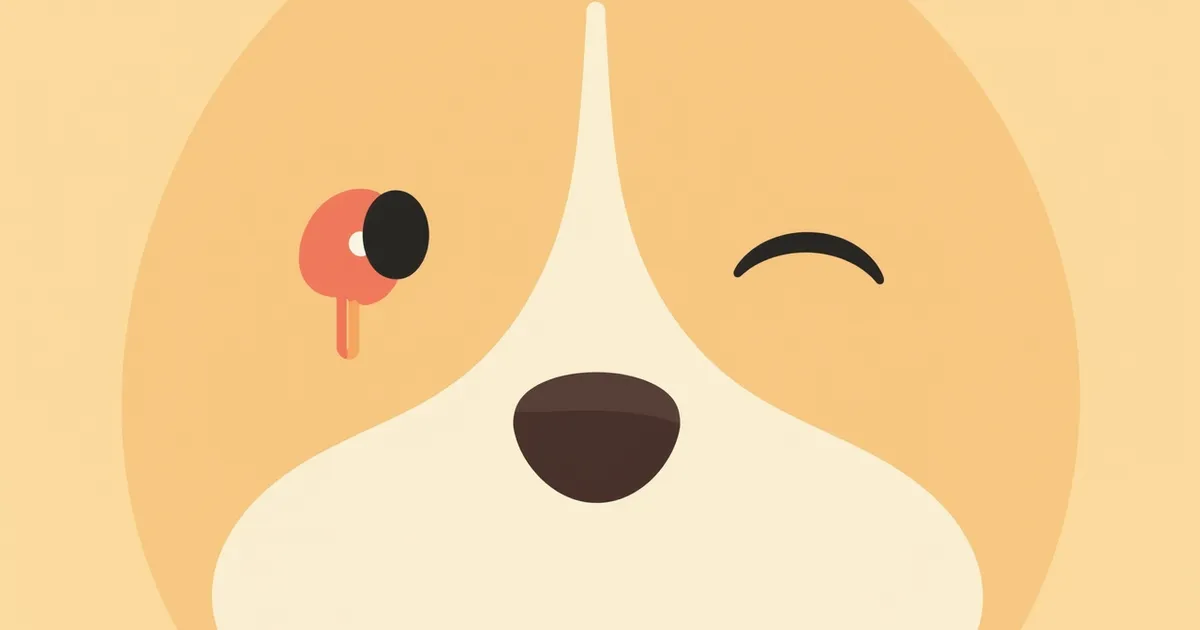
A dog’s eye that is red and swollen due to conjunctivitis
Canine conjunctivitis is an inflammation of the conjunctiva, commonly presenting with redness, excessive tearing, and ocular discharge. It can be caused by various factors, including infections, allergies, trauma, or irritation from foreign bodies. Viral and bacterial infections, in particular, are highly contagious, so caution is advised when your dog interacts with other dogs. Early detection and accurate identification of the underlying cause are key to effective treatment. If you notice any symptoms, consult your veterinarian promptly. Early intervention can help prevent complications.

The Main Causes Are Viral and Bacterial Infections and Allergies

- Viral infections: Viruses such as canine herpesvirus (CHV-1) and adenovirus can be associated with conjunctivitis and may spread between animals through contact, including exposure to particles expelled during sneezing. - Bacterial infections: Bacteria such as Chlamydophila can be the cause. Secondary bacterial infections often accompany viral infections, leading to swelling around the eyes and increased discharge. - Allergic reactions: Allergens such as pollen and dust can trigger reactions, which frequently affect both eyes simultaneously. - Trauma and mechanical irritation: Foreign bodies, irritants, eyelid abnormalities (e.g., entropion), or eyelashes and hairs that rub against the eye can irritate the conjunctiva. - Underlying diseases and immune disorders: Underlying factors, such as immune-mediated diseases, can predispose dogs to conjunctival inflammation. Accurately identifying the cause is the first step toward effective treatment.
A puppy with a foreign object stuck in its eye

Check for Key Symptoms and Signs

- Redness of the eyes: The conjunctiva becomes congested and turns red, with dilated blood vessels giving the eyes a bloodshot appearance. - Increased discharge: Discharge can vary from clear tears to white or yellow mucous secretions. - Rubbing or squinting: Due to itching or pain, pets may frequently rub their eyes or keep them closed for longer periods. - Swelling and redness around the eyes (conjunctival edema): The eyelids may swell, the conjunctiva may become puffy, and the surrounding skin may also show signs of swelling. - Possible co-occurrence with other eye diseases: Conjunctivitis needs to be distinguished from conditions such as corneal disease, uveitis, and glaucoma. If you notice difficulty seeing objects or signs of decreased vision, it could indicate a more serious eye condition. In such cases, prompt veterinary care is essential.
A puppy with its eyes closed due to conjunctivitis

When to Seek Immediate Veterinary Care

If your pet’s eyes are severely swollen, producing persistent white or yellow discharge, staying closed for extended periods, or if they appear to have vision loss, seek veterinary care immediately. These symptoms may indicate corneal damage or a serious infection.

Diagnosis Is Performed Through Eye Examination and Clinical Tests
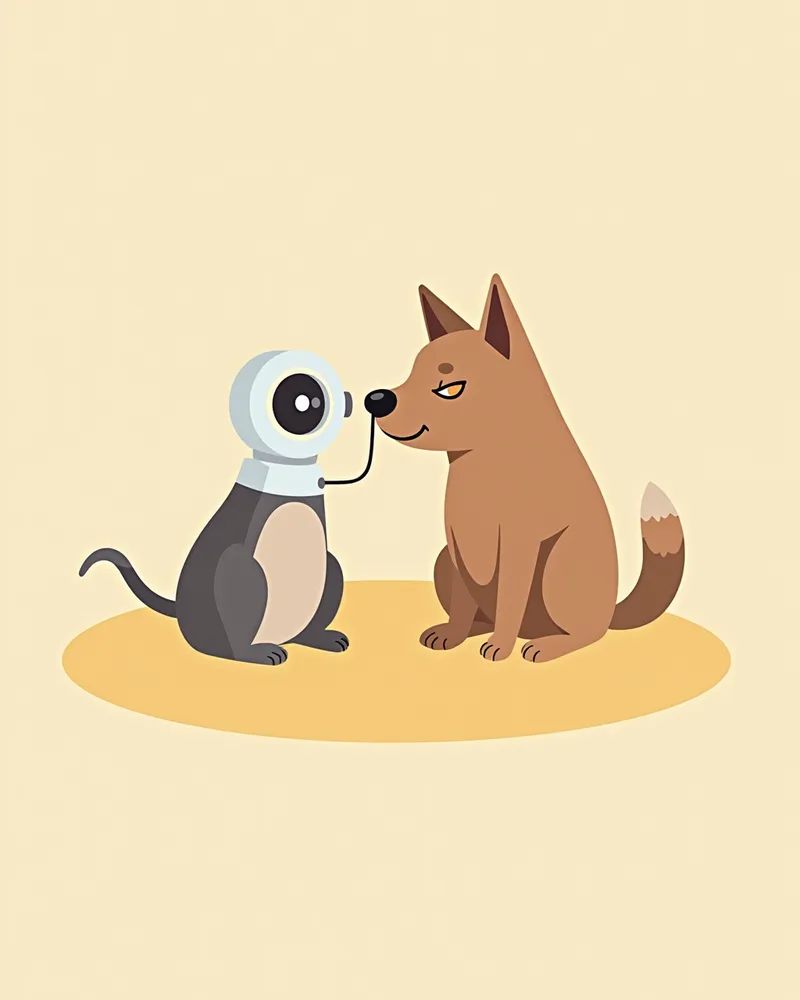
- Initial Examination: The veterinarian will review your pet’s medical history (such as recent vaccinations), directly examine the eyes, and perform a clinical assessment. - Cytology: Cells are collected by gently scraping the conjunctiva and then examined under a microscope to identify inflammatory cells or pathogens. - Infectious Agent Testing: Tests are conducted to detect suspected viruses, bacteria, or other infectious agents to pinpoint the underlying cause. - Blood Tests: A complete blood count (CBC) and blood chemistry panel are used to evaluate for underlying conditions and assess overall systemic health. - Differential Diagnosis: Since conjunctivitis can present with symptoms similar to corneal diseases, uveitis, or glaucoma, a conjunctival biopsy may be performed if necessary to ensure an accurate diagnosis, which is essential for effective treatment.
A veterinarian examining a dog's eye with a slit lamp.

Treatment Varies Depending on the Cause
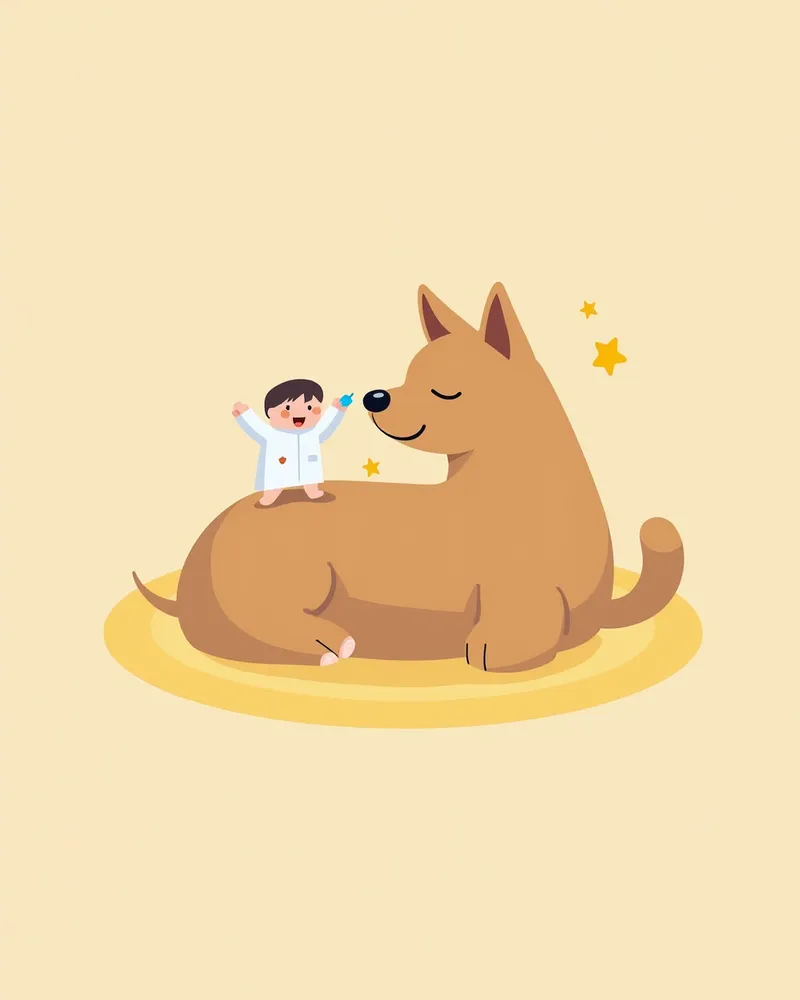
- Viral conjunctivitis: Antiviral medications are used to suppress viral replication. - Bacterial infection: Antibiotic eye drops or ointments are prescribed to eliminate the infection. - Allergic reactions: Antihistamines or steroid medications help reduce inflammation and itching. - Supportive care: Regularly clean the eyes with an eye cleanser, and always follow your veterinarian’s instructions when administering medication. - Treatment duration management: Even if symptoms disappear, complete the full course of treatment as directed by your veterinarian to prevent recurrence.
A veterinarian administering eye drops to a puppy.

Follow These Key Home Care Guidelines
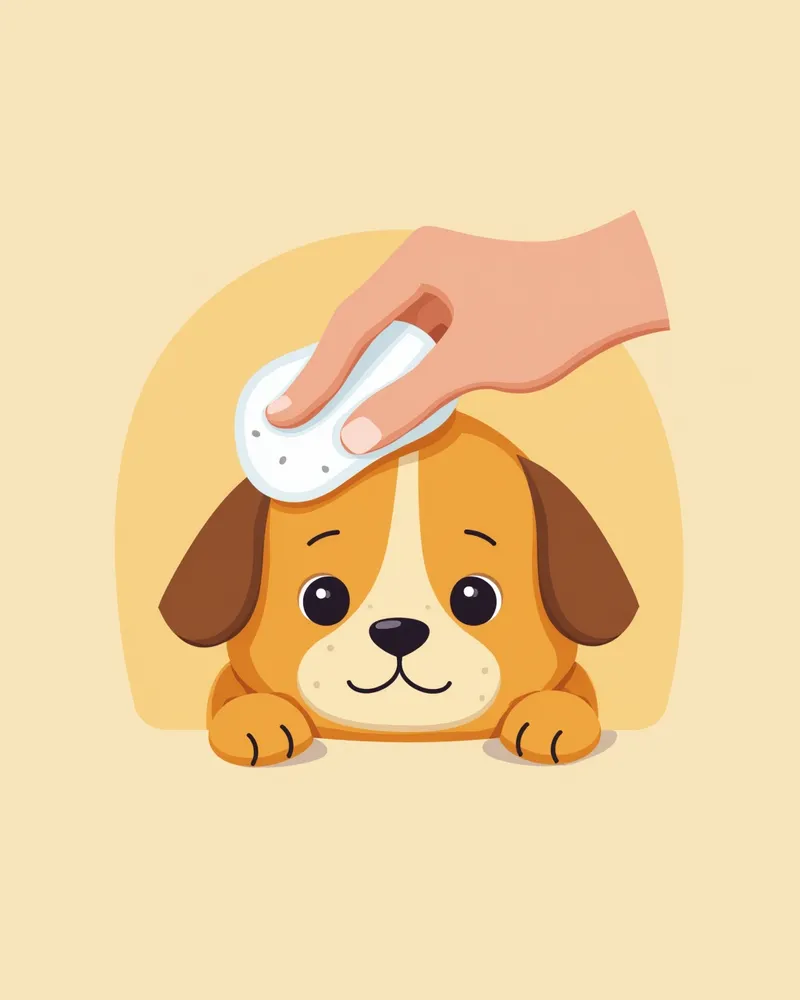
- How to clean the eyes: Gently wipe around the eyes with gauze moistened with warm water. - Precautions when using medication: After applying the medication, be careful not to touch or rub the eyes. - Environmental management: Keep the home clean and minimize dust and chemical exposure. - Limit contact with other dogs: Minimize contact with other dogs during treatment. - Regular monitoring: Closely monitor for any changes in symptoms throughout the treatment. - Communication with your veterinarian: Consult your vet immediately if you notice any adverse reactions or unusual symptoms.
Gently cleaning your dog's eyes

Preventing Recurrence and Breed-Specific Considerations

Abnormalities in the eyelid structure (such as entropion) or excessive hair around the eyes can cause the hair to irritate the conjunctiva, making the eye more susceptible to conjunctivitis. In such cases, regular grooming and cleaning of the area around the eyes are important, and any eyelashes or hairs causing irritation should be managed under the guidance of a veterinarian. Additionally, if symptoms do not completely resolve after treatment or if there is no response to initial treatment within 5–7 days, a follow-up examination is necessary.

Reviewed by a veterinarian

Dr. Tony — Punnawat Phongkittirak

Dr. Tony — Punnawat Phongkittirak

Veterinarian

A veterinarian who majored in veterinary medicine at Khon Kaen University, Thailand, and completed the IVSA program at North Carolina State University in the United States. Drawing on clinical experience at animal hospitals, he works in the pet healthcare field and is dedicated to building a digital care environment that connects pet parents with veterinarians.

Frequently Asked Questions

Can a dog’s conjunctivitis be transmitted to humans?
Canine conjunctivitis is generally not considered contagious to humans. However, since the causes can vary and some cases may involve infectious agents, it's important to wash your hands thoroughly after handling your dog's eyes and maintain good hygiene.
Can I apply eye drops at home?
Eye drops should not be used without a veterinarian’s prescription. Using the wrong medication can cause further damage to the eyes.
My pet keeps getting conjunctivitis over and over again. Why is that happening?
Underlying conditions (such as immune suppression or allergies), environmental factors (like dust or perfumes), and hair irritation can all be contributing factors. It’s important to identify and eliminate the root cause.
I’m worried because my pet has excessive tearing. When should I take them to the vet?
If your pet has persistent tearing, red eyes, or discharge, we recommend visiting the clinic within 2–3 days. Early treatment speeds up recovery.
My pet’s eyes are still a bit red after treatment for conjunctivitis. Is that normal?
Some redness may still be normal after treatment, but if it persists or worsens, a follow-up examination is necessary. Please consult your veterinarian.

Share

Related Guides

References

[1] Clinical Medicine of the Dog and Cat, 4th Ed, 2021

[2] Clinical Atlas of Canine and Feline Ophthalmic Disease, 2nd Ed, 2022

[3] The Veterinary Workbook of Small Animal Clinical Cases, 2020

This information is based on veterinary literature and does not replace diagnosis or treatment. Please consult a veterinarian for specific health concerns.

Metapet Co., Ltd. | CEO: Park Sung-yong | Business Reg. No. 417-88-02562 | Seoul, South Korea | Customer Center

Red Eyes in Dogs: Conjunctivitis Symptoms, Causes, and When to Treat | Meongsiljang