Like
Share
멍실장
강아지 간 지지 식이 증상과 원인, 진단·치료와 관리 포인트 총정리

What Should I Feed My Dog with Liver Issues? — Principles and Precautions for Liver Support Diets

Liver HealthDiseasesMeongsiljang Veterinary Advisory Board

Liver support diets for dogs are specially formulated to help compensate for reduced liver function. With proper management, you can help maintain your dog’s liver health.

What Is a Canine Liver Support Diet?

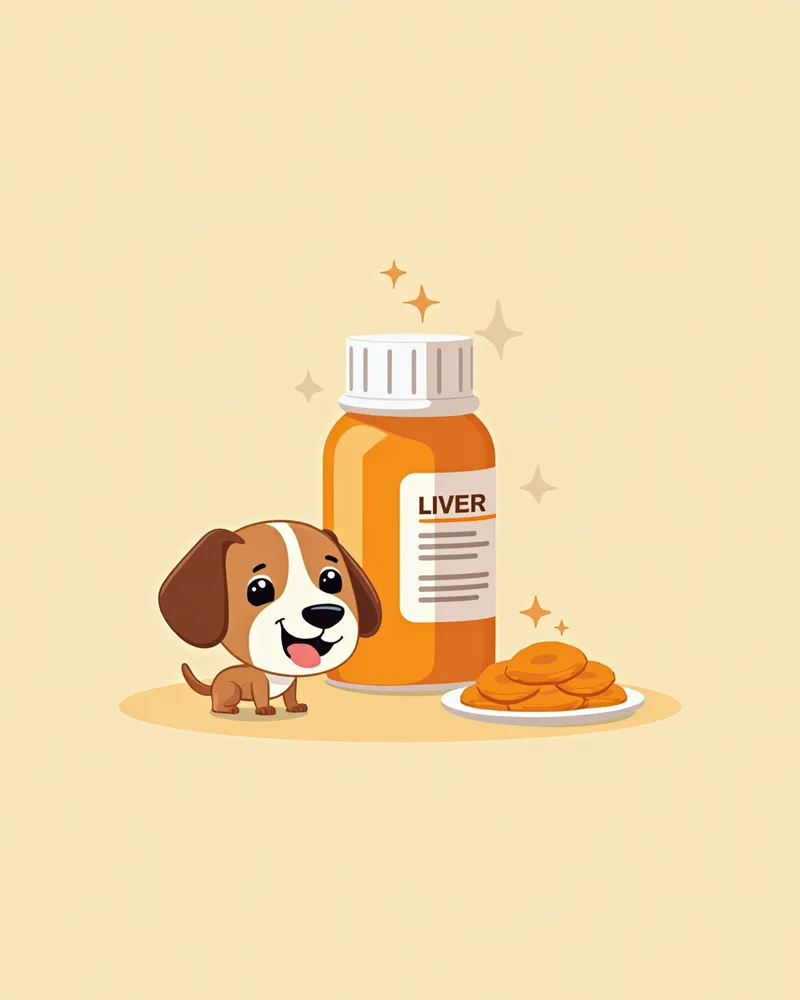
Appearance of a liver-supportive therapeutic diet
Canine liver support diets are specially formulated to aid liver recovery and reduce metabolic strain when liver function is compromised. While nutritional therapy generally plays a supportive role in most liver diseases, it can serve as a cornerstone of treatment for certain conditions, such as idiopathic hepatic lipidosis or hepatic encephalopathy. - Liver Function Protection: When the liver is damaged, its metabolic and detoxification capabilities decline, making appropriate, condition-specific nutrition essential. - Protein Management: Adequate protein levels are maintained to ensure protein is utilized for energy rather than breaking down into ammonia. - Balanced Energy Sources: To prevent the body from catabolizing protein for fuel, sufficient carbohydrates and fats must be provided alongside protein. - Antioxidant Support: Veterinarians prescribe components that protect liver cells, such as those that enhance glutathione-mediated antioxidant activity, tailored to each patient’s individual condition.

What Are the Main Causes for a Liver Support Diet?
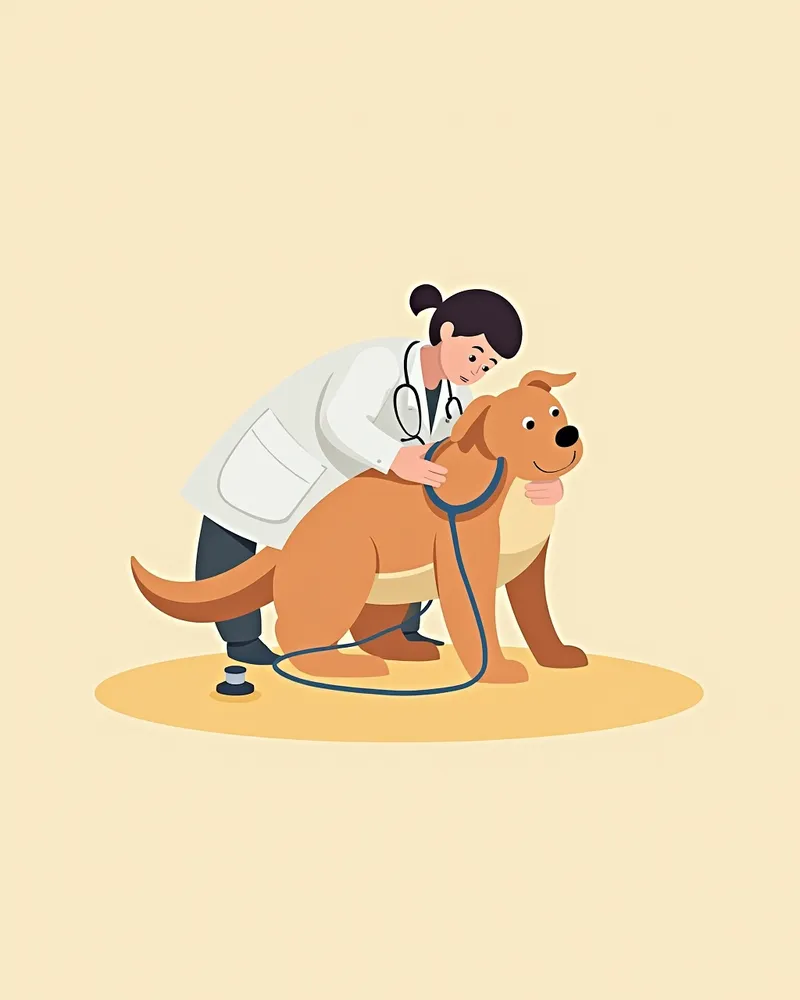
The main reasons a dog may need a liver-support diet include chronic hepatitis, drug or toxin exposure, copper accumulation, genetic predisposition, and liver damage secondary to other diseases. - Hepatitis and liver damage: Accumulated chronic inflammation can progress to end-stage liver disease, such as cirrhosis. - Copper accumulation: In certain breeds, copper can build up in the liver, causing hepatotoxicity. - Drug toxicity: Certain medications, such as steroids (leading to steroid hepatopathy) or phenobarbital, can place stress on the liver. - Genetic predisposition: Some breeds, including Cocker Spaniels, Dobermans, and Bedlington Terriers, are more susceptible to liver disease. - Secondary causes: Other conditions such as gastrointestinal disease or pancreatitis, as well as energy imbalances due to loss of appetite, can also affect the liver. Early detection and management are essential.
A veterinarian examining a puppy's liver condition.

Check for Key Symptoms and Signs

If your dog needs liver-supportive nutrition, you may notice the following key symptoms. Please consult your veterinarian if you observe any of these signs.
Changes in appetite: Appetite may fluctuate or significantly decrease, leading to anorexia.
Weight loss: Gradual weight loss occurs due to inadequate food intake.
Jaundice: When bilirubin levels rise to 2–3 times the normal range due to bile stasis, the eyes and gums may appear yellow.
Reduced energy: Your dog may show decreased vitality and be less active than usual.
Abdominal distension: The abdomen may swell if ascites (fluid accumulation) develops.
Paw pad changes: Hepatocutaneous syndrome can cause the paw pads to crack and develop thick, flaky skin.
A puppy showing abdominal distension due to decreased liver function

Signs Requiring Immediate Veterinary Visit

If jaundice appears, or if your pet loses its appetite for more than 24 hours and experiences repeated vomiting, immediate veterinary care is necessary. A rapid decline in liver function can be life-threatening, so early diagnosis and treatment are essential.

Diagnostic Tests for Accurate Diagnosis

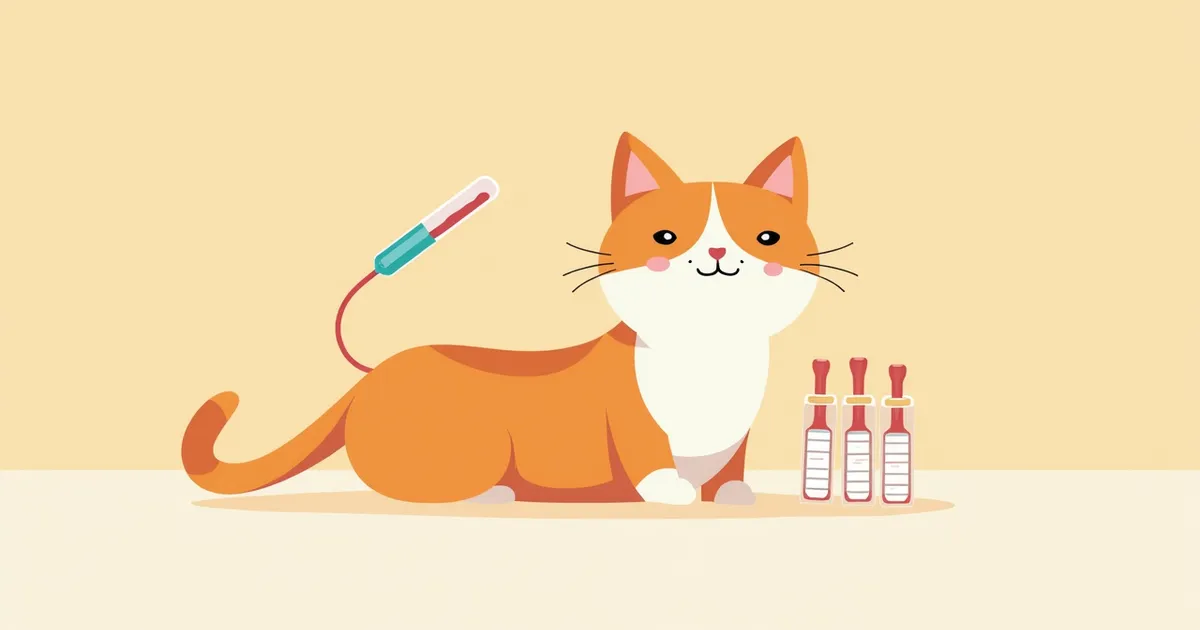
To determine whether your dog requires a liver-support diet, several diagnostic tests are necessary. - Blood tests: We evaluate liver function by checking AST, ALT, ALP, and total bile acid levels. - Liver function tests: These assess the liver’s metabolic capacity and its ability to eliminate toxins. - Ultrasound imaging: This provides a visual assessment of the liver’s structure, size, and any potential lesions. - Tissue biopsy: While highly accurate, this procedure requires surgery and is performed only when appropriate conditions are met. - Additional tests: We also evaluate blood clotting ability and protein levels. A comprehensive combination of tests is essential for an accurate diagnosis.
A veterinarian drawing blood from a puppy.

Step-by-Step Treatment Approach

Supportive dietary therapy for canine liver disease is implemented in stages. - Remove the cause: Discontinue triggering medications such as steroids and first manage any underlying conditions causing liver damage. - Begin dietary therapy: Consistently provide a veterinarian-prescribed liver-support diet. - Medication: If necessary, reduce inflammation with immunosuppressants and protect hepatocytes with ursodeoxycholic acid. - Antioxidant support: Ursodeoxycholic acid protects hepatocytes through antioxidant, anti-inflammatory, and antifibrotic actions mediated by glutathione. - Regular monitoring: Continuously assess the patient’s condition through blood tests, ultrasound, and changes in liver size. Consistency is key to successful treatment.
A veterinarian presenting a liver-supportive prescription diet.

Management Points at Home

To properly manage your dog’s liver-support diet, be sure to follow these key guidelines:
Regular feeding: Offer meals at consistent times to help ensure adequate nutrient intake.
Hydration: Keep fresh water available at all times to prevent dehydration and maintain proper hydration.
Medication management: Administer medications exactly as prescribed by your veterinarian, at the correct times.
Activity moderation: Avoid strenuous exercise and ensure your dog gets plenty of rest.
Regular check-ups: Have your dog’s condition monitored through blood tests at intervals recommended by your veterinarian.
Comfortable environment: Provide a quiet, stable space where your dog can relax comfortably.
A puppy resting in a calm and secure environment.

Breed-Specific Precautions and Prevention of Recurrence

Certain breeds, such as Cocker Spaniels, Bedlington Terriers, Doberman Pinschers, Labrador Retrievers, West Highland White Terriers, and Standard Poodles, are predisposed to hereditary copper-associated liver disease. For these breeds, it is advisable to monitor liver health regularly and consult with your veterinarian about introducing a liver-supportive diet early on. To prevent recurrence, consistent adherence to the prescribed diet and careful management of any underlying conditions are essential.

Reviewed by a veterinarian

Dr. Tony — Punnawat Phongkittirak

Dr. Tony — Punnawat Phongkittirak

Veterinarian

A veterinarian who majored in veterinary medicine at Khon Kaen University, Thailand, and completed the IVSA program at North Carolina State University in the United States. Drawing on clinical experience at animal hospitals, he works in the pet healthcare field and is dedicated to building a digital care environment that connects pet parents with veterinarians.

Frequently Asked Questions

When should I start a liver-support diet?
Treatment begins once a veterinarian diagnoses impaired liver function. In certain liver diseases, nutritional therapy is a cornerstone of treatment, so early intervention can aid recovery.
Won't regular pet food work?
While nutritional therapy plays a supportive role in most liver diseases, liver-support diets are specifically formulated with balanced levels of adequate protein, carbohydrates, and fats to reduce the burden on the liver.
Can I stop the dietary regimen?
Even if your pet’s symptoms improve, gradually transition under your veterinarian’s guidance. Switching abruptly before the underlying condition is fully managed could worsen their health.
What ingredients are included in liver-support diets?
It may include carbohydrates and fats to provide adequate protein and energy, as well as antioxidants that work through glutathione. For the specific composition, please follow your veterinarian's prescription.
Are there other helpful approaches besides dietary management?
It is important to maintain adequate hydration, manage any underlying conditions, and have regular check-ups to consistently monitor liver health.

Share

Related Guides

References

[1] Applied Veterinary Clinical Nutrition, 2nd Ed. (2020). Chapter 12: Nutritional Management of Hepatic Disease in Dogs.

[2] Plumb's Veterinary Drug Handbook, 9th Ed. (2021). Liver disease and dietary considerations in canine patients.

[3] AAFCO (2023). Nutrient Profiles for Canine Diets: Guidelines for Hepatic Support Formulas.

This information is based on veterinary literature and does not replace diagnosis or treatment. Please consult a veterinarian for specific health concerns.

Metapet Co., Ltd. | CEO: Park Sung-yong | Business Reg. No. 417-88-02562 | Seoul, South Korea | Customer Center

What to Feed a Dog with Liver Issues: Liver-Support Diet Guide | Meongsiljang