Like
Share
멍실장
고양이 간 초음파 검사 증상과 원인, 진단·치료와 관리 포인트 총정리

Complete Guide to Feline Liver Ultrasound — From Abnormal Findings to Diagnosis and Management Points

Liver HealthDiseasesMeongsiljang Veterinary Advisory Board

Ultrasound examinations of the liver are an important tool for the early detection and accurate diagnosis of liver disease in cats. This non-invasive test, performed at veterinary clinics, allows for real-time assessment of the liver’s size, shape, and structural abnormalities.

What Is a Feline Liver Ultrasound?
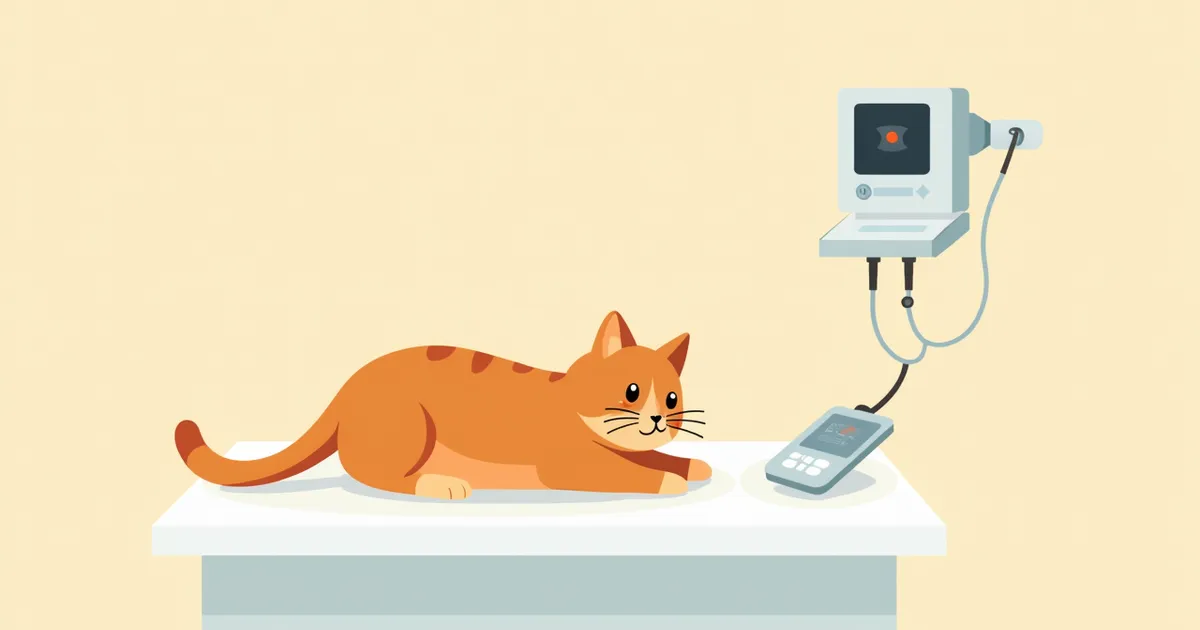
A cat undergoing an ultrasound examination of the liver.
Feline liver ultrasound is a non-invasive imaging technique used to assess the structural condition of the liver. By scanning the abdomen, ultrasound allows for real-time evaluation of the liver’s size, shape, surface, and internal architecture to detect any abnormalities. However, even if lesions are visible on ultrasound, a liver biopsy (histopathological examination) is often required to establish a definitive diagnosis. This procedure is typically performed without anesthesia and can be repeated as needed, making it well-suited for monitoring treatment progress. It serves as an important adjunct diagnostic tool, particularly when blood tests indicate elevated liver enzymes or other signs suggestive of hepatic dysfunction, providing crucial structural insights alongside biochemical results.

Primary Reasons for a Liver Ultrasound
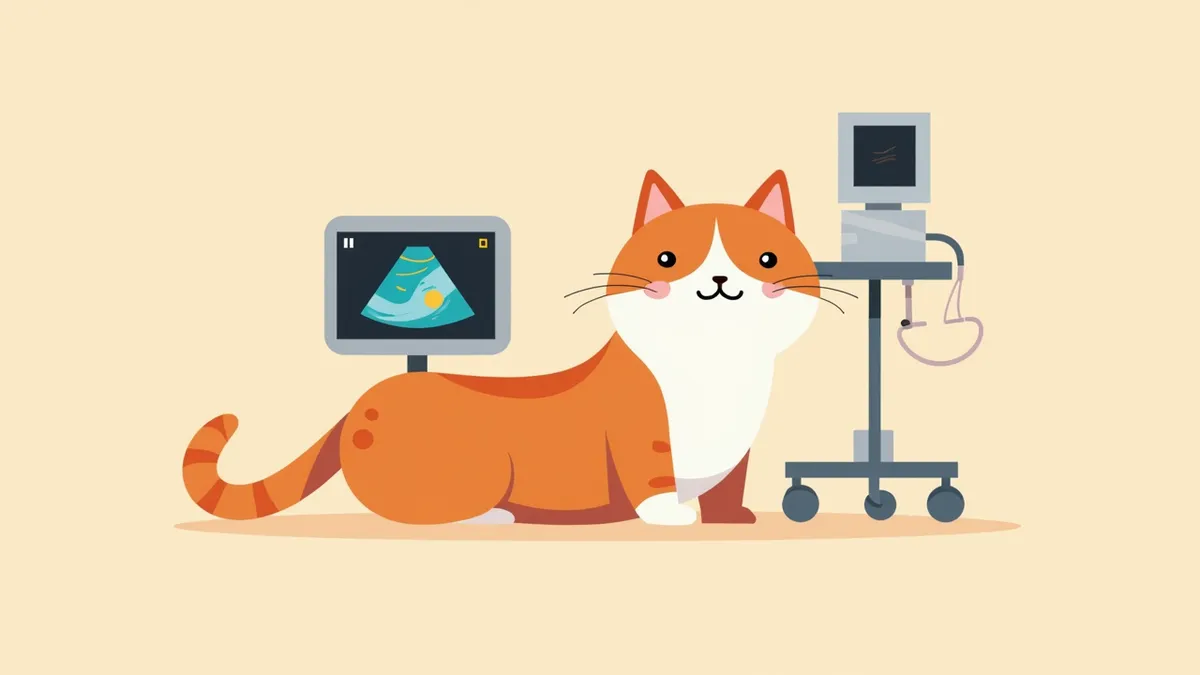
The primary reason for performing an ultrasound of a cat’s liver is to detect structural abnormalities or functional decline at an early stage. - Hepatomegaly: If the liver is enlarged beyond normal size, it is important to evaluate for potential fatty liver disease (hepatic lipidosis), inflammation, or tumors. - Structural abnormalities: Irregular spots or hardened areas within the liver may indicate fibrosis, tumors, or end-stage cirrhosis. - Abnormal blood flow: Abnormal portal blood flow within the liver can be a sign of vascular anomalies, such as a portosystemic shunt. - Abnormal functional test results: When blood tests show elevated liver enzyme levels, an ultrasound is used to identify underlying structural causes. However, since a definitive diagnosis can be difficult based on ultrasound findings alone, a liver biopsy may also be performed. Early detection of these conditions significantly improves treatment outcomes.
Ultrasound image of a cat's liver

Key Symptoms and Warning Signs

The main symptoms that indicate a need for an ultrasound of your cat’s liver are listed below. We’ve summarized the warning signs owners should watch for when liver dysfunction is suspected.
Loss of appetite: This is the most common sign of impaired liver function. Even a few days of reduced appetite warrants attention.
Recurrent vomiting: As liver disease progresses, vomiting may become more frequent.
Jaundice: The whites of the eyes (sclera), gums, or skin may turn yellow.
Lethargy: Your cat may appear weak, remain inactive all day, or seem unusually sleepy.
Abdominal distension: The abdomen may swell due to an enlarged liver (hepatomegaly) or fluid accumulation.
If these symptoms persist, a veterinary visit is essential.
A cat with symptoms of jaundice and fatigue

When Immediate Veterinary Attention Is Necessary

If jaundice worsens, vomiting becomes recurrent, and appetite is completely lost, immediate veterinary attention is necessary. A rapid decline in liver function can be life-threatening, so consult your veterinarian right away if symptoms deteriorate.

Diagnostic Methods and Procedures
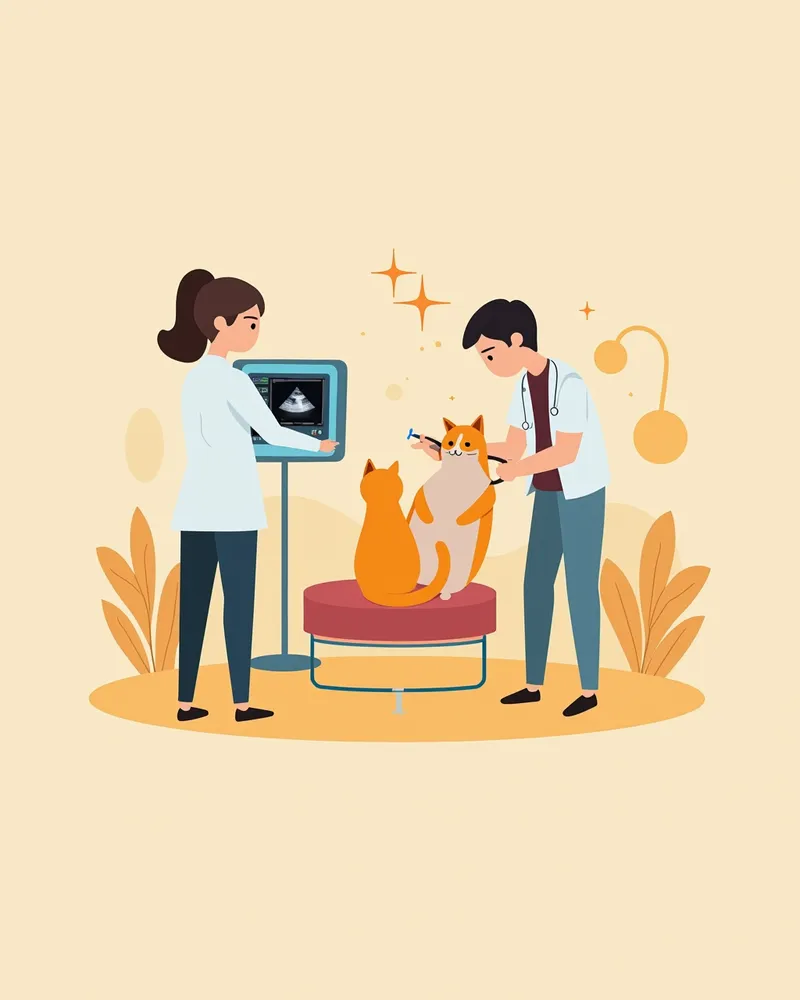
A feline liver ultrasound is performed by scanning the abdomen. The cat’s fur is gently parted, gel is applied, and the ultrasound probe is placed against the abdomen. The procedure typically takes 10 to 20 minutes and can be done without anesthesia. If the cat becomes stressed during the exam, a mild sedative may be used to help keep them calm. Results are available immediately, as the veterinarian analyzes the liver’s size, shape, internal structure, and blood flow to make a diagnosis.
Veterinarian performing an ultrasound examination on a cat's liver

Treatment Methods and Step-by-Step Management

A personalized treatment plan is developed based on the results of your cat’s liver ultrasound. - Medication: Antibiotics are used for bacterial cholangitis, while glucocorticoids (steroids) or immunosuppressants are prescribed for immune-mediated or chronic liver disease. In cats, prednisolone is recommended over prednisone. - Dietary Management: It is important to provide sufficient calories and protein to correct negative energy balance. Unless hepatic encephalopathy is present, protein should not be excessively restricted. - Regular Monitoring: Ultrasound and blood tests are repeated at regular intervals during treatment to assess efficacy. - Environmental Care: Create a low-stress environment that supports regular feeding and adequate hydration. - Weight Monitoring: Carefully tracking weight changes allows for accurate assessment of treatment response. This step-by-step management is essential for liver recovery.
Administering medication to a cat

Home Care Points

After your cat’s liver ultrasound, there are several key care points to keep in mind at home. Here’s a summary of the essential steps to maintain liver health:
Dietary Management: Switch to a low-fat, high-protein diet to reduce stress on the liver.
Hydration: Ensure your cat has frequent access to water to prevent dehydration.
Medication Compliance: Administer medications exactly as prescribed by your veterinarian, following the correct timing and dosage.
Activity Management: Avoid excessive exercise and provide a calm, comfortable environment.
Regular Check-ups: Schedule routine ultrasounds and blood tests to monitor your cat’s condition.
Following these care guidelines can significantly enhance the effectiveness of treatment.
A cat drinking water

Preventing Recurrence and Breed-Specific Precautions

Even a few days of reduced appetite can increase a cat’s risk of hepatic lipidosis (fatty liver disease), and this risk is even higher in overweight cats. Therefore, if your cat’s appetite remains poor, seek veterinary care promptly and monitor their condition with regular liver function tests and ultrasound examinations. Additionally, since excessive obesity places significant strain on the liver, maintaining a healthy weight is essential.

Reviewed by a veterinarian

Dr. Tony — Punnawat Phongkittirak

Dr. Tony — Punnawat Phongkittirak

Veterinarian

A veterinarian who majored in veterinary medicine at Khon Kaen University, Thailand, and completed the IVSA program at North Carolina State University in the United States. Drawing on clinical experience at animal hospitals, he works in the pet healthcare field and is dedicated to building a digital care environment that connects pet parents with veterinarians.

Frequently Asked Questions

Does a cat’s liver ultrasound require anesthesia?
In most cases, the procedure can be performed without anesthesia. However, if your cat becomes anxious or restless, it may be difficult to conduct the examination, so a mild sedative may be used.
What should I do if my cat seems unwell after the examination?
It’s normal to feel a bit tired or uncomfortable after the exam. However, if your pet experiences persistent pain or loss of appetite, please contact your veterinarian right away.
If the liver ultrasound results are normal, can I rest assured?
Even if the test results are normal, early signs of liver dysfunction may not be apparent. If symptoms persist, further testing is necessary.
How often should liver ultrasounds be performed?
The frequency depends on the severity of the condition and the stage of treatment. Generally, we recommend having your pet checked every one to three months during treatment.
Can liver disease be completely cured through dietary management alone?
Mild cases may improve with dietary management, but severe cases require medication in addition to diet. Please consult your veterinarian.

Share

Related Guides

References

[1] Textbook of Cardiovascular Medicine in Dogs and Cats, 2020, Chapter 11: Echocardiography and Cardiac Imaging

[2] Small Animal Critical Care Medicine, 3rd Ed, 2021, Section 43.1: Indications for Echocardiography

[3] Feline Emergency and Critical Care Medicine, 2nd Ed, 2022, Chapter 14: Dyspneic Feline Patient Management

This information is based on veterinary literature and does not replace diagnosis or treatment. Please consult a veterinarian for specific health concerns.

Metapet Co., Ltd. | CEO: Park Sung-yong | Business Reg. No. 417-88-02562 | Seoul, South Korea | Customer Center

Complete Guide to Feline Liver Ultrasound: Findings & Care | Meongsiljang