
If Your Dog Ate Moldy Food — Symptoms and Emergency Response for Mycotoxin Poisoning
Mold toxin poisoning in dogs is a serious condition where toxins from spoiled pet food, nuts, or moldy foods damage the liver and nervous system. We’ve compiled essential information on symptoms by toxin type, emergency response steps, dangerous ingestion amounts, and key prevention tips.
What Is Mycotoxin Poisoning in Dogs?
Which Foods Contain Toxins? — Summary by Major Causes
Symptom Checklist — Signs Vary by Toxin Type
Go to an Emergency Vet Immediately If You See These Symptoms
If you notice any of the following symptoms, take your pet to a 24-hour emergency veterinary clinic immediately. Waiting at home can lead to brain damage or liver failure. • Generalized seizures or convulsions • No response when called (decreased level of consciousness) • Severe tremors lasting more than 10 minutes • Yellowing of the eyes, gums, or skin (jaundice) • Difficulty breathing, bloody stool, or vomiting blood Inducing vomiting at home while your pet is seizing or has a decreased level of consciousness can be more dangerous. Do not attempt this without a veterinarian’s guidance.
How Is It Diagnosed at the Veterinary Clinic?
Treatment — Step-by-Step Process
Dangerous Ingestion Amounts — How Much Is Too Much?
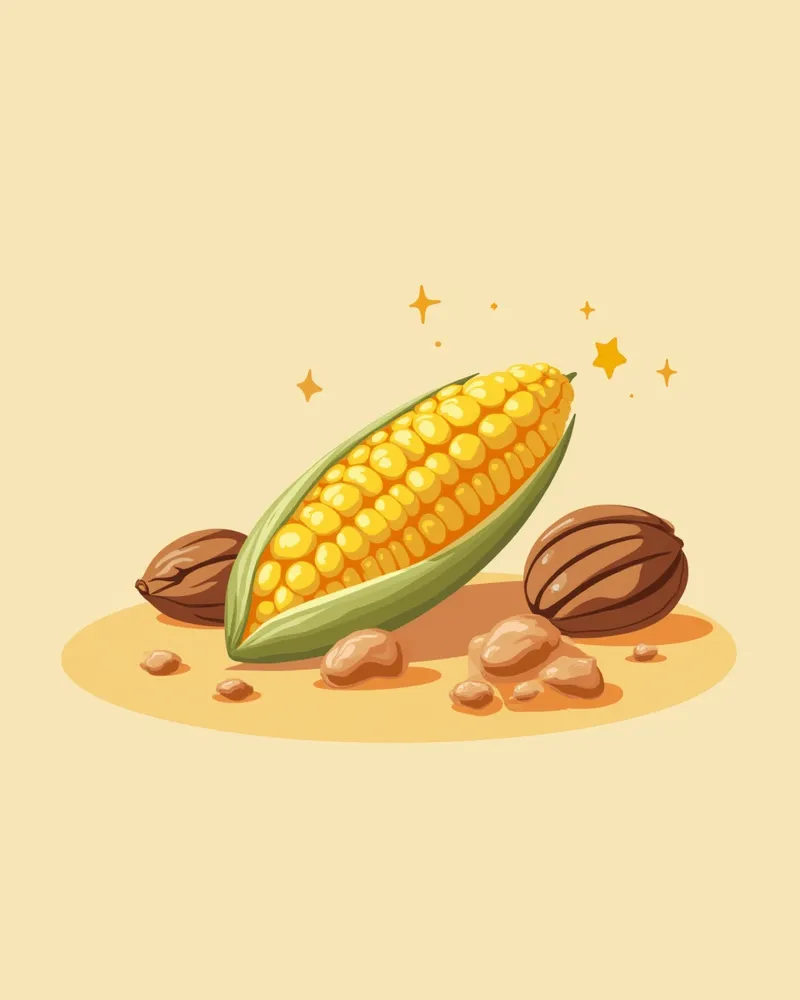
5 Prevention Tips You Can Do at Home
Exercise Extra Caution for Small-Breed, Senior, and Dogs with Underlying Conditions
Smaller dogs tend to react more severely to the same amount of toxin. If your dog falls into any of the following categories, seek veterinary care immediately—even if symptoms are mild: • Small-breed dogs weighing less than 5 kg • Senior dogs (10 years or older) • Dogs with pre-existing liver or kidney disease • Dogs undergoing chemotherapy or taking immunosuppressive medications These groups have lower tolerance to toxins and a shorter window for effective treatment.
Reviewed by a veterinarian

Dr. Tony — Punnawat Phongkittirak
VeterinarianA veterinarian who majored in veterinary medicine at Khon Kaen University, Thailand, and completed the IVSA program at North Carolina State University in the United States. Drawing on clinical experience at animal hospitals, he works in the pet healthcare field and is dedicated to building a digital care environment that connects pet parents with veterinarians.
Reviewed 2026-06-01
Frequently Asked Questions
My dog ate moldy bread. Is it okay if he seems fine right now?
Is it safe to induce vomiting at home?
Can commercially available pet food also be contaminated with mycotoxins?
Can my pet make a full recovery after treatment?
Should I leave uneaten pet food out?
Share
Related Guides
Top 5 Emergency Poisoning Kits for Dogs Recommended by Veterinarians
7 Emergency Checklist Items for Cat Poisoning — Signs to Check Immediately After Exposure
Complete Guide to Giardia Infection in Dogs: Symptoms, Transmission Routes, Treatment, and Prevention
Acute Kidney Injury in Cats: Symptoms, Causes, and When to Go to the Vet You Must Not Miss
Complete Guide to Canine Sarcoptic Mange: Symptoms, Transmission Routes, Treatment, and Prevention
My Cat Keeps Vomiting and Won’t Eat — Symptoms, Causes, and Emergency Response for Intestinal Intussusception
Complete Guide to Increasing Your Cat’s Water Intake: Symptoms, Causes, Diagnosis, Treatment, and Management
Cat Anal Gland Care: Symptoms, Causes, Diagnosis, Treatment, and Management Tips
Feline Heartworm Disease: Symptoms, Causes, Diagnosis, Treatment, and Management Essentials
Puppy Drinking Excessive Water and Losing Weight — Causes and Treatment Timing for Chronic Kidney Disease (CKD)
References
[1] Gupta RC (ed.), Veterinary Toxicology: Basic and Clinical Principles, 3rd Ed., Chapter 55 Mycotoxins. Academic Press, 2018.
[2] Peterson ME & Talcott PA (eds.), Small Animal Toxicology, 3rd Ed., Chapter: Mycotoxins. Saunders Elsevier, 2013.
[3] Osweiler GD, Chapter: Mycotoxicosis. In: Ettinger SJ & Feldman EC (eds.), Textbook of Veterinary Internal Medicine, 7th Ed. Saunders, 2010.
[4] Plumb DC, Plumb's Veterinary Drug Handbook, 9th Ed. Wiley-Blackwell, 2018.