

What Can I Do for My Cat in the Late Stages of Cancer? — A Guide to Hospice and Quality of Life Care
Feline tumor hospice care is an approach to managing cancer that prioritizes quality of life. Its core components include pain relief, nutritional support, and environmental adjustments.
Feline Tumor Hospice Care Prioritizes Quality of Life
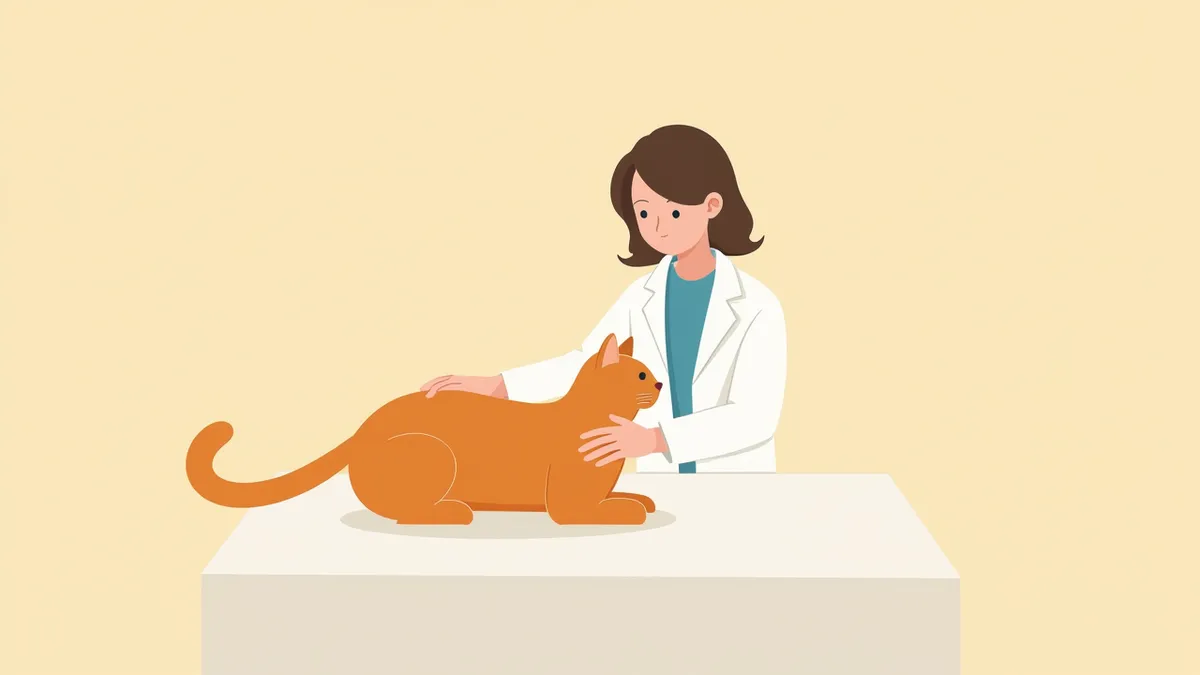
The Core Drivers of Hospice Care Are Cancer Progression and Declining Physical Function

Check for Key Symptoms and Signs

Signs That Require an Immediate Vet Visit
If your cat is showing signs of severe pain or hasn’t eaten for more than 24 hours, you should take them to the vet immediately. This could lead to dehydration or malnutrition. A veterinarian will need to adjust their pain management medication.
Diagnosis Is Conducted Comprehensively Using Symptoms and Imaging Tests

Treatment Centers on Pain Management and Nutritional Support

Home Care Centers on Environment and Daily Routine

Special Attention Is Needed for Senior Cats and Specific Breeds
Senior cats and certain breeds may have a relatively higher risk of developing specific types of cancer. For example, small intestinal tumors, such as gastrointestinal lymphoma, are reported to occur more frequently in Siamese cats. Because changes like decreased appetite or weight loss can appear rapidly, early diagnosis and management are essential. It is recommended to closely monitor your cat’s condition and schedule regular health check-ups.
Reviewed by a veterinarian

Dr. Tony — Punnawat Phongkittirak
VeterinarianA veterinarian who majored in veterinary medicine at Khon Kaen University, Thailand, and completed the IVSA program at North Carolina State University in the United States. Drawing on clinical experience at animal hospitals, he works in the pet healthcare field and is dedicated to building a digital care environment that connects pet parents with veterinarians.
Reviewed 2026-06-07
Frequently Asked Questions
Is hospice care a treatment for cancer?
Is it okay if my cat doesn’t eat?
How long should I administer pain medication?
What should I do if my pet eliminates outside the litter box?
What are the criteria for deciding on hospice care?
Share
Related Guides

Comprehensive Guide to Recommended Hospice Care and Quality of Life Management for Cats with Tumors

7 Factors Determining Prognosis and Life Expectancy in Dogs with Tumors, According to Veterinarians

7 Key Management Points for Canine Transitional Cell Carcinoma (Bladder Cancer) Recommended by Veterinarians — From Symptoms to Care

Lumps on Your Cat’s Skin — Early Signs, Diagnosis, Treatment, and Prognosis Management of Mast Cell Tumors

If Your Dog Keeps Rubbing Its Eyes — Causes of Conjunctivitis and a Guide to Using Eye Drops

Chronic Kidney Disease in Dogs: Symptoms by IRIS Stage and Lifelong Management Guide

Fungal Dermatitis (Ringworm) in Humans and Pets (Zoonotic)

If Your Dog or Cat Is Exposed to Pesticides — Warning Signs of Drooling and Seizures, and Emergency Response

Symptoms and Response to Rodenticide (Rat Poison) Poisoning in Dogs and Cats

Antifreeze (Ethylene Glycol) Poisoning Emergency
References
[1] Villalobos A, Kaplan L. Caring for geriatric cancer patients: the concept of 'pawspice' and what is needed aside from medical care. In: Canine and feline geriatric oncology: honoring the human-animal bond. 2nd ed. 2007.
[2] Nathanson O, McGonigle K, Michel K, et al. Esophagostomy tube complications in dogs and cats: Retrospective review of 225 cases. J Vet Intern Med. 2019;33:2014–2019.
[3] Poirier et al. Radiation-induced adverse effects in cats with oral squamous cell carcinoma: a retrospective study. Vet Surg. 2013;42(5):548–555.