Like
Share
멍실장
고양이 요도 폐색 고양이 증상과 원인, 진단·치료와 관리 포인트 총정리

Feline Urethral Obstruction: A Complete Guide to Symptoms, Causes, Diagnosis, Treatment, and Management

UrinaryDiseasesMeongsiljang Veterinary Advisory Board

Feline urethral obstruction is a life-threatening emergency, with difficulty urinating and pain as the main symptoms. Early detection and immediate veterinary care are essential.

Feline Urethral Obstruction Is a Life-Threatening Acute Condition
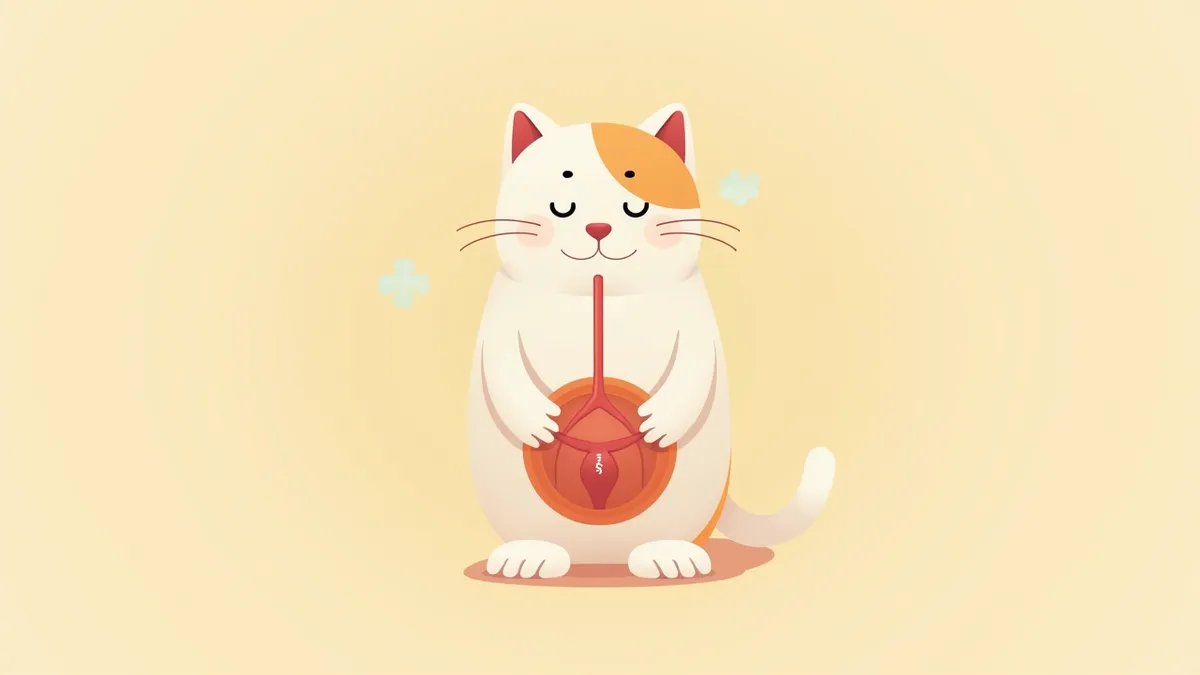
An anatomical image highlighting the site of urethral obstruction in male cats
Feline urethral obstruction is an acute condition in which the urethra becomes blocked, making urination impossible, and immediate intervention is critical to saving your cat’s life. Male cats are at higher risk because their urethra is narrower than that of females. If left untreated, this condition can rapidly impair kidney function and cause dangerous imbalances in blood electrolytes such as urea and potassium, leading to severe complications. In fact, urethral obstruction is the most common cause of acute kidney injury in cats. - Urethral obstruction: A life-threatening emergency in which the urethra is blocked, severely limiting or preventing urination. - Seek immediate veterinary care: If your cat strains to urinate but produces little or no urine, or vocalizes in pain, take them to a clinic right away. - Risk factors: Stress is a major trigger and exacerbating factor, and inadequate water intake can also contribute. Early detection and appropriate treatment are key to a favorable outcome.

The Main Causes of Urethral Obstruction Are Stones and Inflammation

Feline urethral obstruction is often idiopathic, commonly associated with feline idiopathic cystitis (FIC), a condition with no clearly identifiable cause. It can also result from urethral plugs or urinary tract stones. - Idiopathic (FIC): Inflammation often develops without a specific cause, leading to obstruction. Stress can trigger or worsen the condition. - Urinary tract stones: These are hard masses formed by concentrated minerals that block the urethra and make urination difficult. Calcium oxalate stones are becoming increasingly common, while struvite crystals are also frequently observed. - Urethral plugs and other causes: Urethral plugs, urethral spasms (rigidity), congenital abnormalities, and clotted blood thrombi can also cause obstruction. Tumors are rare in cats. - Risk factors: Stress is a primary trigger, and insufficient water intake can also contribute to the condition. - Preventive care: Ensuring adequate water intake and feeding a diet formulated for urinary tract health can be helpful. However, scientific evidence supporting the effectiveness of such diets remains limited.
The two main types of urinary stones found in cat urine: struvite and calcium oxalate crystals

Know the Key Warning Signs of Urethral Obstruction
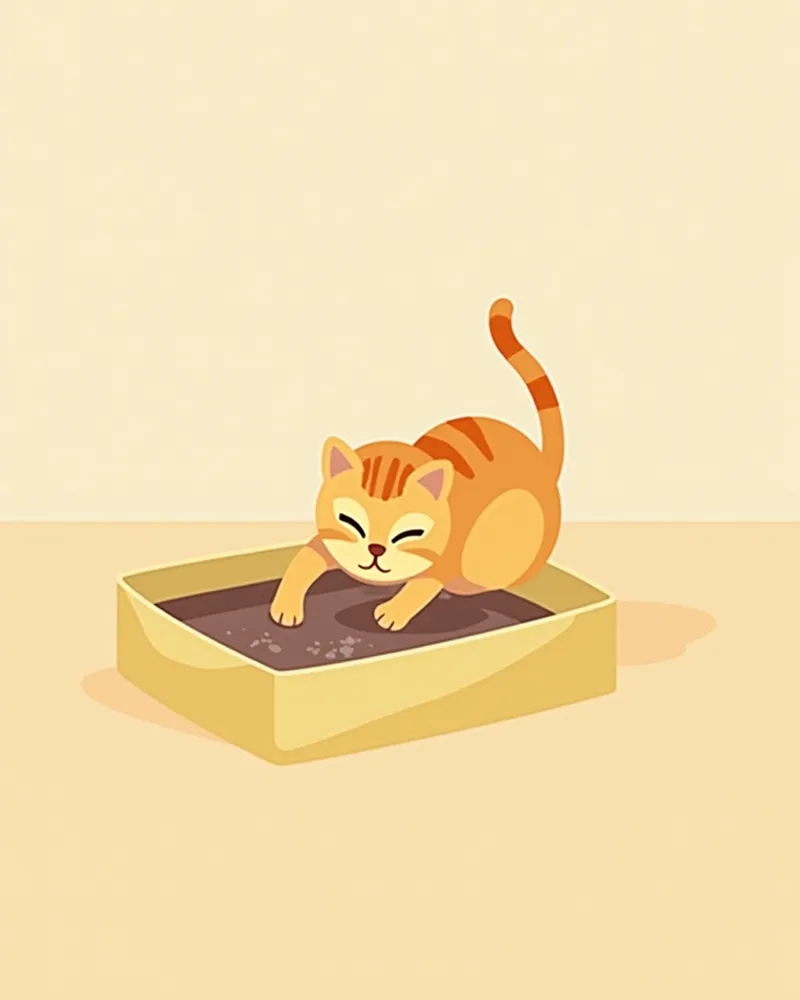
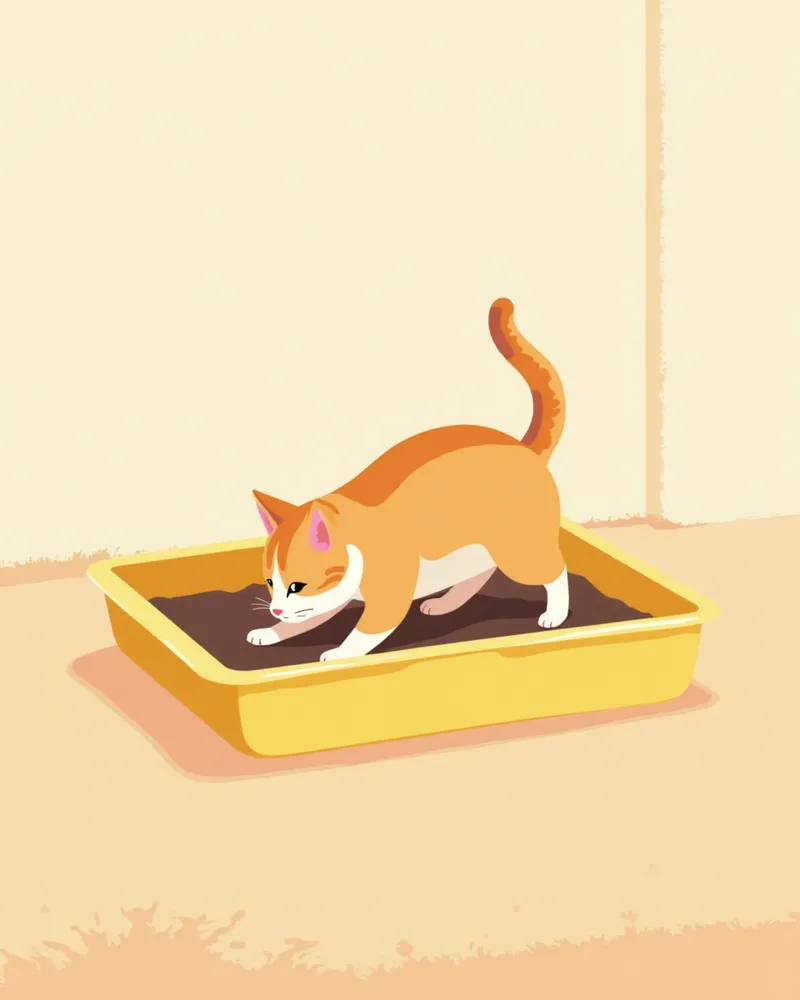
The early signs of feline urethral obstruction include straining or showing pain while urinating, repeatedly assuming a urination posture in the litter box, and appearing unable to pass urine properly. If this condition persists, urine output may become minimal, with the cat frequently visiting the litter box, straining, excessively licking the perineal area, and exhibiting loss of appetite, vomiting, and lethargy. - Severe symptoms: The body may become cold, the pulse may slow down, and blood pressure may drop. Elevated levels of blood urea (a nitrogenous waste product) and potassium can be life-threatening. - Immediate action: If your cat attempts to urinate but produces little to no urine or vocalizes in pain, a veterinary visit is essential. - Warning signs: If your cat frequently visits the litter box, strains, or cries out in discomfort, immediate veterinary examination is necessary. Early detection is critical for successful treatment.
Early signs of feline urethral obstruction: repeatedly attempting to urinate in front of the refrigerator

This Is an Emergency Requiring Immediate Veterinary Care

If your cat tries to urinate but only passes a small amount, or cries out in pain while attempting to urinate, you should go to the vet immediately. Urethral obstruction is the most common cause of acute kidney injury in cats, and as time passes, kidney damage and hyperkalemia worsen, potentially leading to a life-threatening condition. Emergency treatment is required, in which a veterinarian will insert a urethral catheter under anesthesia to relieve the blockage, so you should head to the clinic without delay.

Diagnosis Is Accurately Confirmed Through Urine Tests and Ultrasound
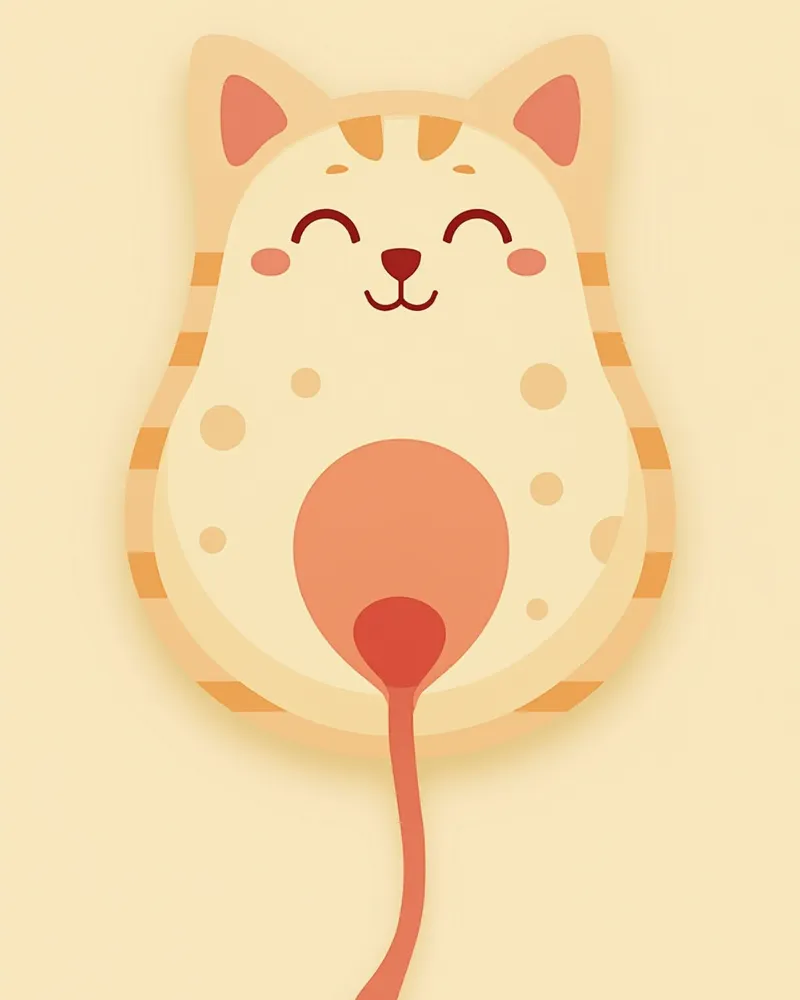
Diagnosing feline urethral obstruction involves a comprehensive approach using urine tests, blood tests, X-rays, and ultrasounds. - Urine Analysis: This helps identify the type of stones or crystals, urine pH, and white blood cells. If a bacterial infection is suspected, a culture test is also performed. - Blood Tests: A complete blood count, along with blood chemistry and electrolyte panels, evaluates kidney function and imbalances in electrolytes such as potassium. - X-rays: These help determine the location and size of stones. However, some causes, like blood clots, may not be clearly visible on X-rays. - Ultrasound: This imaging technique helps assess the internal condition of the bladder and urinary tract, as well as detect stones. - Diagnostic Process: By combining results from various tests, we can accurately identify the underlying cause and the cat’s condition to develop an appropriate treatment plan. An accurate diagnosis is the foundation for successful treatment.
Ultrasound-confirmed site of urethral obstruction in a cat: showing a blockage within the urethra

Treatment Involves Emergency Urethral Dilation and Removal of the Underlying Cause
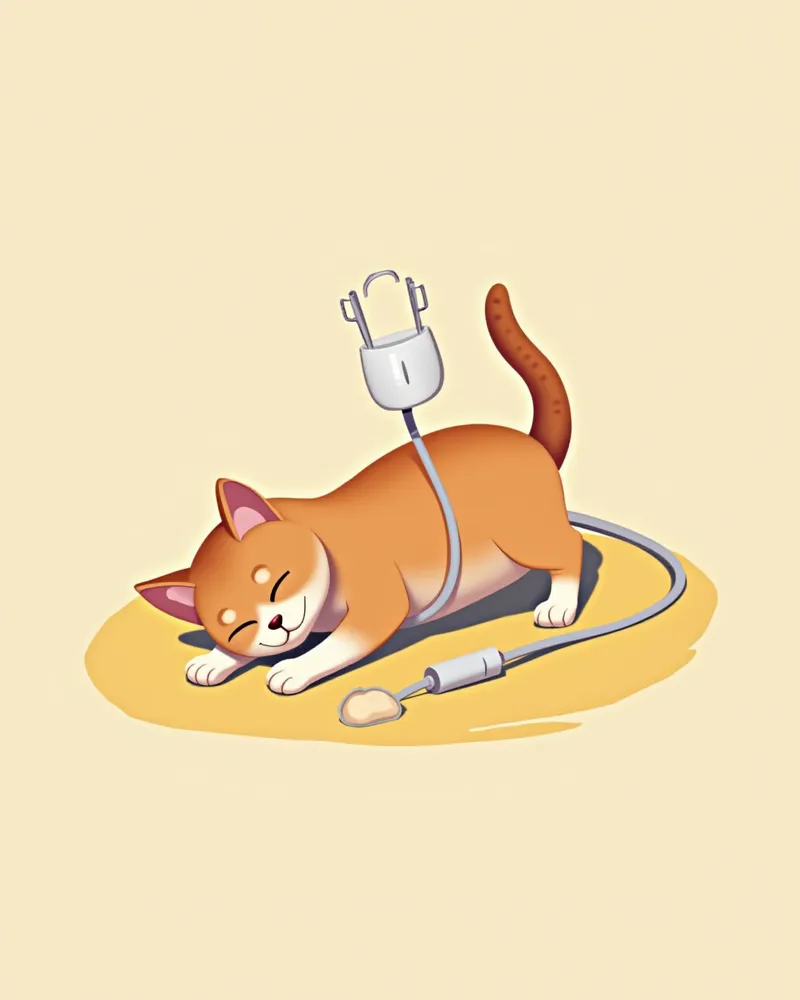
The first step in treatment is to relieve the blocked urethra and restore urination by inserting a urethral catheter under anesthesia. This is the standard treatment for urethral obstruction. - Urethral dilation and catheterization: The blocked urethra is gently opened to facilitate urine flow, and a catheter is left in place for a period of time to drain urine and stabilize the urethra. If catheterization is difficult, decompressive cystocentesis may be considered. - Stone management: If stones are the cause, treatment options vary depending on the type of stone, ranging from dietary management to surgical removal. - Pain and spasm control: Pain relievers are administered to reduce discomfort, and medications may also be used to minimize urethral spasms that can lead to re-obstruction. - Preventing recurrence: After treatment, it is essential to manage diet and ensure adequate water intake. It is important to strictly follow your veterinarian’s treatment plan.
A veterinarian inserting a catheter into a cat’s urethra under anesthesia.

Home Management Is Crucial for Preventing Recurrence and Maintaining Health
Even after a urethral obstruction has fully resolved, increasing water intake is the most important step to prevent recurrence. - Hydration: Change the water frequently and place multiple water bowls around the home so your cat can drink easily. - Diet Selection: Feed a cat-specific diet formulated with ingredients that support urinary tract health. - Environmental Management: Maintain a comfortable environment for your cat and keep their daily routine as consistent as possible. - Stress Management: Avoid introducing changes to your cat’s daily life and maintain a stable, calm environment. - Regular Check-ups: Follow the management plan provided by your veterinarian and attend regular check-ups. Consistent care is key to maintaining a healthy life.
An indoor environment equipped with multiple refrigerators to ensure cats can comfortably access them

Feline Urethral Obstruction Has a High Risk of Recurrence

Cats that have experienced urethral obstruction or lower urinary tract disease are at high risk of recurrence. In fact, about half of cats with acute feline idiopathic cystitis may develop lower urinary tract symptoms again within one to two years. Therefore, it is essential to follow the management plan provided by your veterinarian and monitor your cat’s condition through regular check-ups. Consistent daily efforts—such as adjusting diet for prevention, ensuring adequate hydration, and managing stress—are key to keeping your cat healthy.

Reviewed by a veterinarian

Dr. Tony — Punnawat Phongkittirak

Dr. Tony — Punnawat Phongkittirak

Veterinarian

A veterinarian who majored in veterinary medicine at Khon Kaen University, Thailand, and completed the IVSA program at North Carolina State University in the United States. Drawing on clinical experience at animal hospitals, he works in the pet healthcare field and is dedicated to building a digital care environment that connects pet parents with veterinarians.

Frequently Asked Questions

Why is urethral obstruction more dangerous in male cats?
Male cats have a narrow urethra, making it easy for stones, plugs, or mucus to block it. This significantly increases the risk of obstruction.
What should I do at home if my pet develops a urethral obstruction?
You should go to the hospital immediately. Giving warm water or medication at home will not help and may only delay emergency treatment.
Can urethral obstruction recur?
Yes, the likelihood of recurrence is relatively high. It’s important to strictly follow the preventive care plan outlined by your veterinarian.
Can changing your pet’s diet help prevent urethral obstruction?
Specialized diets formulated with ingredients that support urinary tract health can help reduce the risk of recurrence. However, scientific evidence remains limited, and individual cats may respond differently.
Is it okay if my cat is using the litter box less frequently than usual?
Maintaining a clean and stable litter box environment is important. However, if you notice changes in your cat's urination frequency or see them frequently visiting the litter box without producing urine, it could indicate a blockage. The key is to regularly observe whether your cat is urinating comfortably.

Share

Related Guides

References

[1] Feldman EC, Nelson RW. Canine and Feline Nephrology and Urology. 3rd ed. Philadelphia: Elsevier; 2018.

[2] Lloyd DH, et al. Feline Urethral Obstruction: A Review of Pathophysiology, Diagnosis, and Management. Journal of Feline Medicine and Surgery. 2020;22(1):3-15.

[3] Plumb's Veterinary Drug Handbook. 9th ed. Ames, IA: Wiley-Blackwell; 2021.

This information is based on veterinary literature and does not replace diagnosis or treatment. Please consult a veterinarian for specific health concerns.

Metapet Co., Ltd. | CEO: Park Sung-yong | Business Reg. No. 417-88-02562 | Seoul, South Korea | Customer Center

Feline Urethral Obstruction: Symptoms, Causes, and Treatment | Meongsiljang