
Like
Share
멍실장
고양이 신장 종양 증상과 원인, 진단·치료와 관리 포인트 총정리

Hematuria and Loss of Appetite — Signs to Suspect Kidney Tumors in Cats, and Diagnosis and Treatment

KidneyDiseasesMeongsiljang Veterinary Advisory Board

Kidney tumors in cats often show no symptoms in the early stages, making early detection difficult. We’ve compiled key signs owners should watch for, along with diagnostic and treatment options.

What Are Kidney Tumors in Cats?
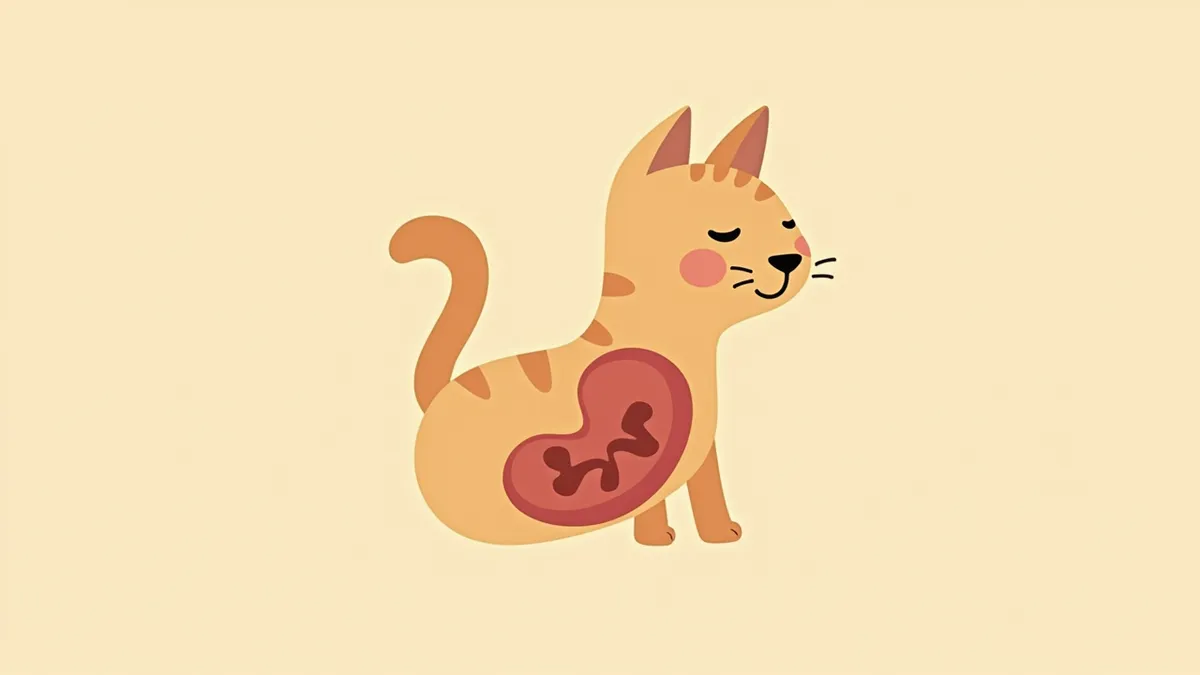
An anatomical illustration showing the structure of a tumor that has developed inside a cat’s kidney
Feline renal tumors are abnormal masses of cells that develop within the kidneys and can be either benign or malignant. Most kidney tumors in cats are malignant, and many cases already involve metastasis at the time of diagnosis. Early-stage tumors often show few or no symptoms, making them difficult to detect. These tumors are most commonly reported in older cats, so extra attention to health monitoring is important as your cat ages. As the tumor grows and displaces normal kidney tissue, it can lead to decreased kidney function, resulting in symptoms such as loss of appetite, weight loss, and lethargy. Because these signs are non-specific, regular health check-ups and abdominal ultrasound exams are essential for early detection. Renal tumor: An abnormal growth of cells within the kidney; identifying a mass through imaging is the first step in diagnosis.

What Are the Main Causes of Kidney Tumors?

The exact cause of kidney tumors in cats remains unclear, and it is rare for the underlying cause of kidney disease to be definitively identified in veterinary textbooks. However, neoplastic conditions are primarily reported in older animals, and primary kidney tumors in cats often present as solitary lesions confined to one kidney. While hereditary kidney tumors have been reported in certain dog breeds (such as German Shepherds), there is insufficient evidence to suggest a predisposition to kidney tumors in specific cat breeds. Internal physiological changes and aging are considered more relevant factors than external environmental influences. - Impact of aging: The frequency of reported neoplastic changes increases with age, so regular check-ups are recommended for senior cats. - Tendency for solitary lesions: Primary kidney tumors in cats often appear as solitary lesions confined to one kidney, which can be confirmed through abdominal ultrasound.
Appearance of the abdominal area in an elderly cat where a kidney tumor is suspected.

What Are the Main Symptoms and Signs?

Kidney tumors in cats are often asymptomatic in the early stages. However, as the tumor grows, the following signs may appear. Because these symptoms can overlap with other conditions, careful observation is essential.
Weight loss: Sudden weight loss occurs, making bones more prominent.
Decreased appetite: Food intake decreases, or the cat may eat quickly and stop sooner than usual.
Frequent and increased urination: The cat drinks more water and visits the litter box more often.
Fatigue and lethargy: The cat remains in one place for long periods, with a sharp decline in activity levels.
Abdominal distension: Enlargement of one kidney can cause the abdomen to appear swollen.
Hematuria: Blood may be present in the urine.
A photo showing a cat's urine mixed with blood

Signs Requiring Immediate Veterinary Visit

If your cat loses its appetite, stops drinking water, vomits repeatedly, or develops severe abdominal distension, consult a veterinarian immediately. These symptoms may indicate significantly impaired kidney function, leading to the accumulation of waste products (azotemia), or progression of a mass. Although kidney tumors are often diagnosed with concurrent metastasis, prompt evaluation and fluid and supportive therapy can help alleviate symptoms and stabilize the condition, making swift action essential.

How Is Diagnosis Performed?

Detecting kidney tumors in cats early requires a comprehensive diagnostic approach. First, blood and urine tests are used to assess kidney function, while an abdominal ultrasound precisely determines the tumor’s size, location, and shape. If necessary, a tissue biopsy is performed to distinguish between benign and malignant tumors, and chest X-rays or CT scans are used to check for metastasis. Abdominal ultrasound is a key tool in initial diagnosis due to its non-invasive nature and high reliability. - Abdominal ultrasound: This is the most reliable test for accurately determining the tumor’s location and size. - Tissue biopsy: This essential test clarifies the nature of the tumor and plays a crucial role in determining the treatment plan.
An ultrasound image of a cat’s abdomen showing a tumor in the kidney.

Treatment Methods and Step-by-Step Approach

The treatment approach depends on the tumor’s size, whether it is malignant, if it has metastasized, and the cat’s overall health. If the tumor is localized to one kidney and there is no evidence of metastasis, surgical removal may be an option. Post-surgery, pain management, nutritional support, and hydration are essential. Depending on the type of tumor (e.g., renal lymphoma), chemotherapy may also be administered. Since kidney tumors are often already metastatic at the time of diagnosis, cases where surgery is not feasible or metastasis is present are typically managed with conservative treatments focused on fluid therapy and supportive care to alleviate symptoms and maintain quality of life. - Surgical Treatment: Surgical removal may be considered if the tumor is confined to one kidney. - Conservative Treatment: If metastasis is present or surgery is not feasible, the goal is to alleviate symptoms and improve quality of life.
A cat undergoing surgery to remove a kidney tumor

Home Care Points

Proper care at home after treatment plays a crucial role in recovery and maintaining quality of life. Provide a quiet, stable environment where your cat can feel comfortable. Strictly follow the diet prescribed by your veterinarian, and always ensure fresh, clean water is available. Make it a daily habit to monitor changes in urine volume, color, and odor. Administer medications at the exact times and doses specified, and contact your veterinarian immediately if side effects such as vomiting, diarrhea, or loss of appetite occur. Do not miss any scheduled veterinary check-ups. - Dietary Management: Strictly adhere to the special diet to reduce the burden on your cat’s kidneys. - Medication Administration: Administer medications at the correct times and doses to minimize side effects and maximize therapeutic benefits.
Setting up a home environment for managing feline kidney tumors

Senior Cats and Breed-Specific Precautions

Senior cats are more prone to kidney disease and tumor-related changes, so extra care is needed in their health management. While certain breeds, such as Persians, are known to have a genetic predisposition to kidney conditions like polycystic kidney disease, there is insufficient evidence to suggest that specific breeds have a higher risk of developing kidney tumors. Therefore, regardless of breed, it is important to monitor kidney health and detect any masses early through regular health check-ups and abdominal ultrasounds as cats enter their senior years.

Reviewed by a veterinarian

Dr. Tony — Punnawat Phongkittirak

Dr. Tony — Punnawat Phongkittirak

Veterinarian

A veterinarian who majored in veterinary medicine at Khon Kaen University, Thailand, and completed the IVSA program at North Carolina State University in the United States. Drawing on clinical experience at animal hospitals, he works in the pet healthcare field and is dedicated to building a digital care environment that connects pet parents with veterinarians.

Frequently Asked Questions

Can kidney tumors in cats be cured?
Malignant tumors are difficult to cure and often have a poor prognosis because they are frequently accompanied by metastasis at the time of diagnosis. However, if the tumor is localized to one kidney, surgery may be an option. In other cases, conservative treatment focused on fluid therapy and supportive care can help alleviate symptoms and maintain quality of life.
Does a tumor always require surgical removal?
If the tumor is localized, surgery may be an option, but depending on whether it has metastasized and your cat’s overall health, conservative treatment might take priority. Please discuss the best course of action with your veterinarian.
My cat has a tumor but still eats normally like usual. Is that okay?
In the early stages, there may be no visible symptoms. However, if you notice changes such as weight loss, decreased appetite, increased urination, or blood in the urine, early screening is essential. Ignoring these signs can easily lead to missing the progression of the condition.
How should I adjust my pet’s diet?
Use a veterinarian-recommended kidney-friendly prescription diet. Typically, limiting phosphorus and appropriately managing protein intake are advised, as therapeutic diets that reduce the burden on the kidneys can be helpful. Since your pet may experience increased urination and thirst, always provide fresh, clean water, and wet food can help boost fluid intake.
How often does recurrence happen?
Malignant tumors carry a risk of progression and recurrence. Regular veterinary visits and abdominal ultrasound examinations are essential to monitor for any changes. Consistent management is crucial for alleviating symptoms and maintaining quality of life.

Stage-Specific Symptoms and Management of Kidney Tumors in Cats

ItemMain SymptomsRecommended ActionPrognosis
Early (Asymptomatic)No symptomsRegular health checkups, abdominal ultrasoundObservation and follow-up management
Middle (Mild Symptoms)Decreased appetite, weight lossBlood/urine tests, ultrasound confirmationConsider starting treatment
Late (Severe Symptoms)Polyuria, vomiting, lethargyTissue biopsy, metastasis screeningSurgery or conservative treatment

Stage-based management may vary depending on the cat's overall health condition and tumor characteristics. Decide after consulting a veterinarian.

Share

Related Guides

References

[1] The Cat, Clinical Medicine and Management, 2nd Edition, 2022

[2] Small Animal Critical Care Medicine, 3rd Ed, Langston & Eatroff, 2021

[3] Veterinary Workbook of Small Animal Clinical Cases, Case 28, 2020

This information is based on veterinary literature and does not replace diagnosis or treatment. Please consult a veterinarian for specific health concerns.

Metapet Co., Ltd. | CEO: Park Sung-yong | Business Reg. No. 417-88-02562 | Seoul, South Korea | Customer Center

Kidney Tumors in Cats: Warning Signs, Diagnosis and Treatment | Meongsiljang