
Like
Share
멍실장
강아지 마취 치과 처치 안전성 증상과 원인, 진단·치료와 관리 포인트 총정리

Comprehensive Guide to Safety, Symptoms, Causes, Diagnosis, Treatment, and Management of Anesthesia-Assisted Dental Care for Dogs

Oral HealthDiseasesMeongsiljang Veterinary Advisory Board

Anesthesia-assisted dental care for dogs is an important procedure for maintaining oral health, but concerns about safety are common. Here’s a summary of key warning signs and preventive measures.

The Safety of Anesthesia-Assisted Dental Care for Dogs Is an Important Process Managed Together by Pet Owners and Veterinarians
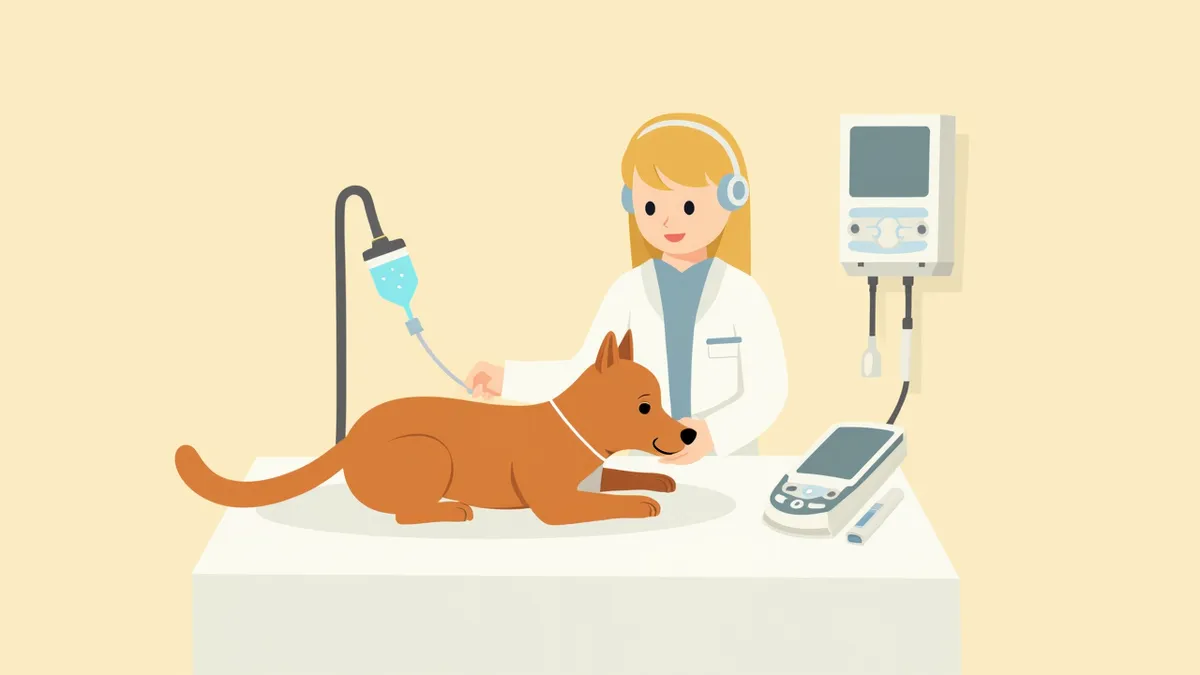
A veterinarian preparing a puppy for anesthesia
The safety of anesthesia for your dog’s dental treatment depends on thorough management throughout the entire process, from pre-anesthetic assessment to recovery. - Pre-anesthetic assessment: Carefully evaluate age, weight, and the presence of any underlying conditions. - Anesthetic drug selection: Personalize the choice of medication based on the patient’s health status. - Vital sign monitoring: Continuously monitor respiration, heart rate, and oxygen saturation in real time. - Emergency preparedness: Have equipment and protocols ready to respond immediately to cardiac or respiratory arrest. - Recovery management: Assist your dog in recovering slowly in a quiet environment after anesthesia, and report any abnormal symptoms immediately. Safe anesthesia is not just a routine procedure; it requires expertise and responsibility.

The Main Risk Factors of Anesthesia-Assisted Dental Care Depend on the Patient’s Condition and Anesthesia Management
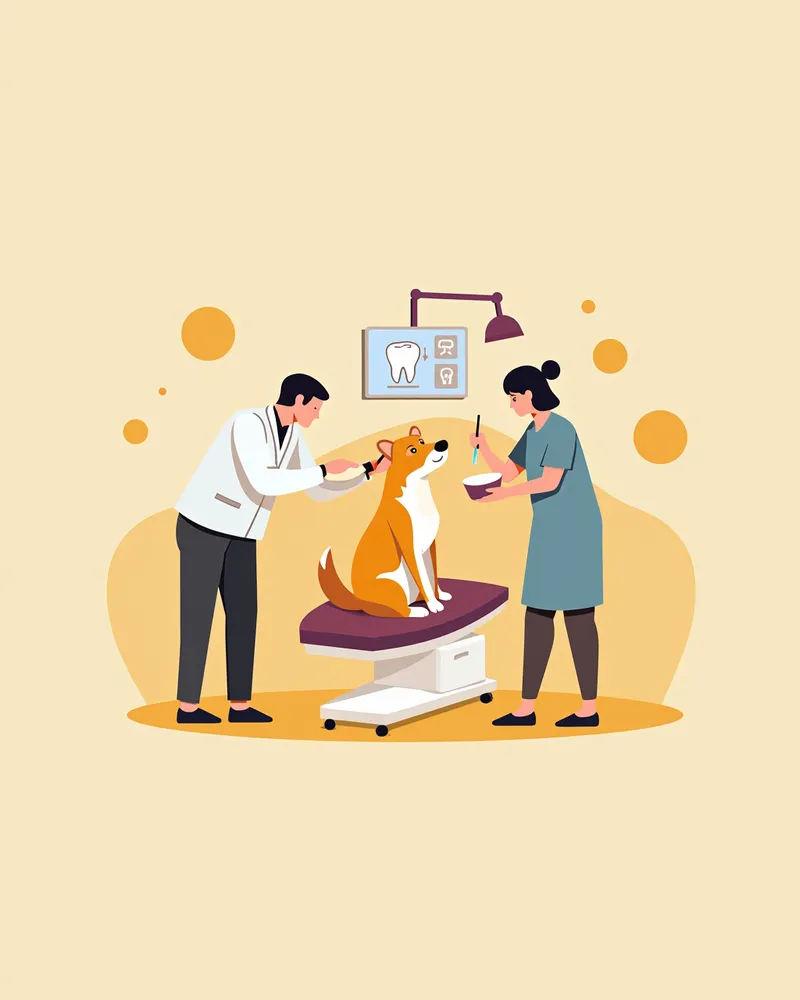
The risks of anesthesia for your dog’s dental procedure depend largely on their overall health and the quality of anesthesia management. - Impact of underlying conditions: Dogs with heart, lung, or kidney disease may have unpredictable responses to anesthesia. - Inadequate pre-anesthetic preparation: Skipping essential steps like fasting guidelines and reviewing test results can increase risks. - Insufficient monitoring: Missing changes in vital signs can delay early intervention. - Overmedication: Dosages not adjusted for weight or health status can lead to serious complications. - Lack of veterinary experience: Insufficient expertise in anesthesia management can raise the risk of accidents. Therefore, all factors must be carefully considered.
Monitoring your dog’s vital signs during anesthesia

Know the Key Warning Signs That May Occur During Anesthesia
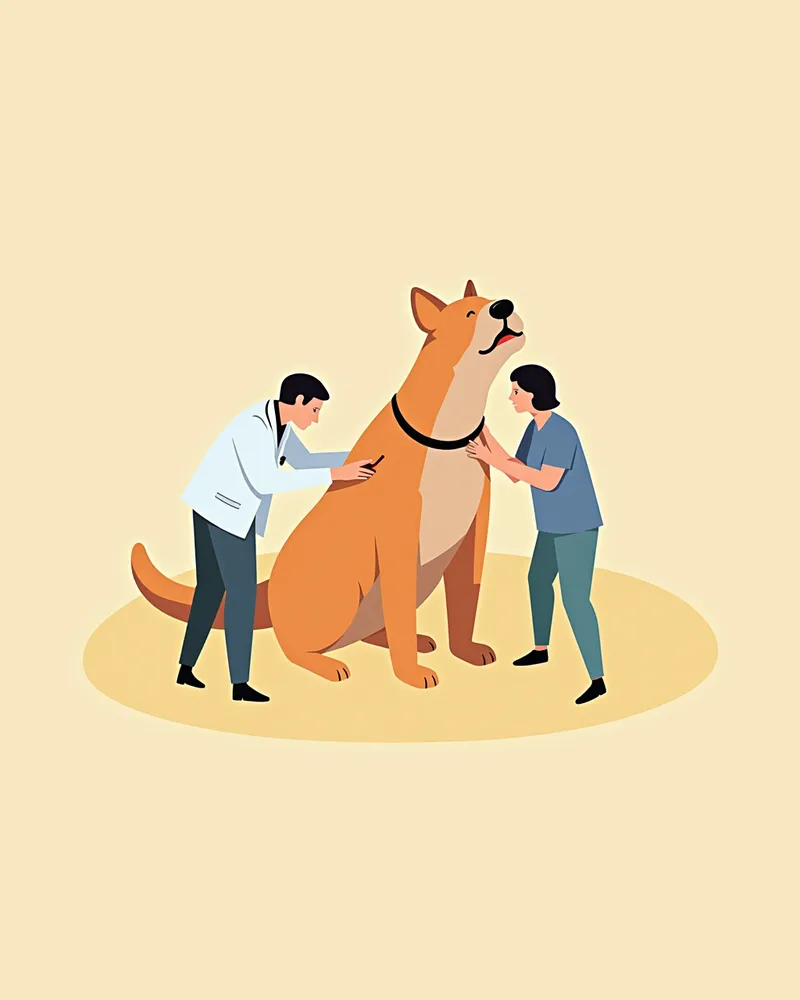
Here are some warning signs that may indicate your dog is at risk during anesthesia. These signs require immediate action. As a pet owner, you should also stay vigilant during the recovery period after anesthesia.
Airway obstruction: This occurs when your dog’s breathing sounds harsh or wheezy.
Low blood pressure: Signs include pale skin or cold extremities.
Abnormal heart rate: This happens when the heart rate becomes too fast or irregular.
Hypoxemia: Look for bluish lips or gums, or signs of labored breathing.
Coughing or gagging: After anesthesia, there may be foreign material left in the airway.
If you notice any of these signs, inform your veterinarian immediately.
A puppy showing signs of hypoxemia after anesthesia

If Respiratory or Cardiac Arrest Occurs During Anesthesia, Transport to the Clinic Immediately

If respiratory or cardiac arrest occurs during anesthesia, artificial respiration and cardiopulmonary resuscitation (CPR) must be initiated immediately. Failure of the veterinarian to respond promptly can be life-threatening. It is important for pet owners to verify the clinic’s emergency response protocols in advance.

Pre-Anesthetic Physical Examination and Blood Tests Are Essential for Accurate Diagnosis

A pre-anesthetic physical exam is essential for accurately assessing your dog’s internal health. - Blood tests: We check packed cell volume (PCV), total protein (TP), blood glucose, liver and kidney values, and a complete blood count (CBC). - Cardiac evaluation: An echocardiogram or electrocardiogram (ECG) is used to assess heart function and rhythm. - Thoracic radiographs: Chest X-rays evaluate lung condition and heart size. - Detection of underlying conditions: We screen for hidden diseases such as diabetes, liver disease, and kidney disease. - Anesthetic drug adjustment: Based on the test results, we tailor the type and dosage of anesthetic drugs to your dog’s specific condition. Because proceeding with anesthesia without proper evaluation increases risk, this step is mandatory.
A veterinarian reviewing a dog’s pre-anesthesia blood test results

Anesthesia-Assisted Dental Care Is Performed Step by Step, With Safety Ensured at Each Stage

To ensure safety, anesthesia-assisted dental procedures must follow a systematic, step-by-step protocol. - Pre-anesthetic preparation: Fasting, patient health assessment, and equipment checks are completed. - Anesthetic induction: Gentle and stable induction minimizes stress. - Anesthetic maintenance: Respiratory, cardiovascular, and body temperature parameters are continuously monitored. - Anesthetic recovery: After regaining consciousness, the patient’s stability is confirmed, and movement is carefully managed. - Observation and evaluation: Any abnormal symptoms during recovery are addressed immediately. At every stage, the veterinarian’s expertise and sense of responsibility safeguard your pet’s life.
A veterinary team performing dental procedures on a dog under anesthesia

Home Care Is Key to Supporting Recovery After Anesthesia

Proper care at home after anesthesia is crucial for your dog's recovery speed and safety. - Provide a quiet environment: Minimize noise and external stimuli to reduce stress. - Offer food and water: After the time recommended by your veterinarian, gradually provide water and a small amount of food. Feeding too soon can lead to vomiting or aspiration. - Maintain body temperature: Allow your dog to rest in a warm place, avoiding drafts or overheating. - Limit activity: Excessive movement can hinder recovery, so be cautious. - Monitor for symptoms: Contact your veterinarian immediately if you notice any abnormal signs such as coughing, vomiting, lethargy, or difficulty breathing. Proper care reduces the risk of complications and promotes faster recovery.
A puppy recovering from anesthesia

Senior Dogs and Dogs With Underlying Conditions Are at Higher Risk During Anesthesia, So Pre-Anesthetic Examinations Are Essential

Anesthesia can lead to serious complications in senior dogs or those with heart, lung, or kidney disease. It is essential to have a thorough physical examination and cardiac evaluation beforehand, and to discuss the risks with your veterinarian before deciding on anesthesia. Pre-anesthetic testing is absolutely necessary to ensure your pet's safety.

Reviewed by a veterinarian

Dr. Tony — Punnawat Phongkittirak

Dr. Tony — Punnawat Phongkittirak

Veterinarian

A veterinarian who majored in veterinary medicine at Khon Kaen University, Thailand, and completed the IVSA program at North Carolina State University in the United States. Drawing on clinical experience at animal hospitals, he works in the pet healthcare field and is dedicated to building a digital care environment that connects pet parents with veterinarians.

Frequently Asked Questions

How risky is anesthesia for a dog’s dental procedure?
According to veterinary textbooks, the overall mortality rate associated with general anesthesia in dogs is estimated at approximately 0.11% to 0.43%. Anesthetic dental procedures fall within this range, and the risk can be significantly reduced through pre-anesthetic physical examinations, blood tests, and thorough monitoring.
What should I do if my pet continues to cough after anesthesia?
Coughing after anesthesia may be related to airway irritation or aspiration of foreign material. If the cough persists or worsens, contact your veterinarian. Do not ignore it, as there is a risk of aspiration pneumonia.
Is it okay to feed my pet before anesthesia?
Fasting for the duration specified by your veterinarian is essential before anesthesia. Eating can lead to vomiting, aspiration pneumonia, or reflux during the procedure. Please strictly follow your vet's fasting instructions.
Is it a problem if lethargy persists after anesthesia?
If your pet’s recovery from anesthesia is delayed, they refuse to eat, or they appear unresponsive, seek veterinary care immediately. These signs could indicate low blood pressure or a prolonged recovery.
What should I do if my pet vomits after anesthesia?
Vomiting after anesthesia can lead to aspiration pneumonia, so please inform your veterinarian immediately. If you notice any unusual color in the vomit, it may indicate another underlying issue. Prompt action is essential.

Comparison of Pre-Anesthetic Tests by Type

ItemNecessityCost (estimated)Test Duration
Blood TestEssential$101 hour
Cardiac UltrasoundNeeded for senior dogs or those with heart disease$4030 minutes
Chest X-rayWhen an underlying condition is suspected$2010 minutes
General Anesthesia EvaluationRecommended for all dogs$1020 minutes

Pre-anesthetic testing is an essential procedure for safe anesthesia. Additional tests may be needed based on the owner's decision.

Share

Related Guides

References

[1] Brodbelt, D. C. et al. (2009). Perioperative mortality in small animal anaesthesia. Veterinary Journal, 182(2), 152–161.

[2] Pypendop, B. H., & Ilkiw, J. E. (2010). Feline and canine anesthesia and analgesia. In The Cat, Clinical Medicine and Management (2nd ed.). Elsevier.

[3] Ovbey, D. H. et al. (2014). Prevalence and risk factors for canine post-anesthetic aspiration pneumonia. Veterinary Anaesthesia and Analgesia, 41(2), 127–136.

This information is based on veterinary literature and does not replace diagnosis or treatment. Please consult a veterinarian for specific health concerns.

Metapet Co., Ltd. | CEO: Park Sung-yong | Business Reg. No. 417-88-02562 | Seoul, South Korea | Customer Center

Anesthesia Dental Care for Dogs: Safety Signs & Management | Meongsiljang