

Antifreeze (Ethylene Glycol) Poisoning Emergency
Antifreeze (ethylene glycol) is a toxic substance that can cause fatal kidney damage in dogs and cats even when ingested in small amounts. We’ve compiled a comprehensive guide covering symptom-stage checklists, the critical time window for treatment, therapy options, and prevention tips.
What is Antifreeze Poisoning?

Causes and Poisoning Process
Key Symptom Checklist

When to Go to the Vet Immediately
If you suspect your pet has licked or ingested even a small amount of antifreeze, take them to an emergency veterinary clinic immediately, even if no symptoms are present. In cats, starting detoxification treatment within three hours of ingestion significantly increases the chances of survival. For dogs, it’s also crucial to begin treatment at a veterinary clinic as soon as possible, regardless of whether symptoms appear—the sooner treatment starts, the better the prognosis. Don’t assume that “they probably only licked a little”; it’s always best to visit the vet first.
Diagnostic Methods
Treatment Methods
Prevention at Home
Special Note for Cat Owners
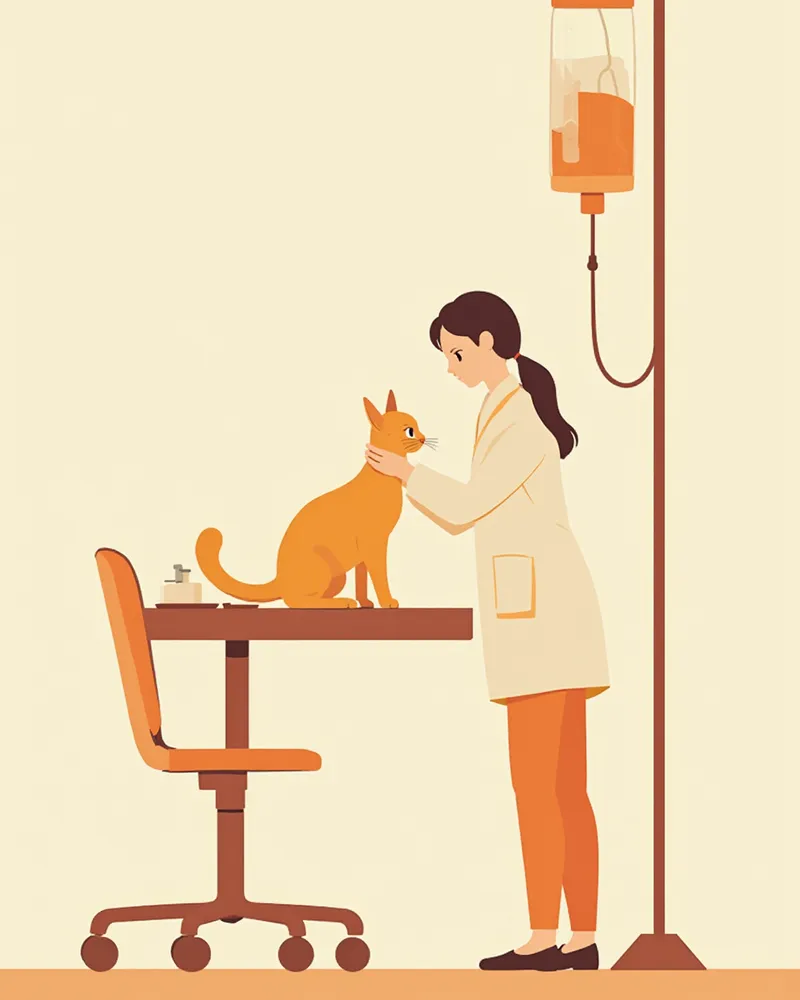
Cats are far more susceptible to antifreeze poisoning than dogs. The real danger lies not in ethylene glycol itself, but in the toxic metabolites it produces in the body. Even a tiny ingestion can lead to severe acute kidney failure and death in cats. Moreover, the window for effective treatment with the antidote (4-methylpyrazole) is extremely narrow—within 3 hours of ingestion. If treatment begins after 4 hours, survival becomes highly unlikely. Even indoor cats can be at risk if they access garages or lick antifreeze residue on their owners’ shoes or clothing. During winter, always check your shoes and pant legs after coming indoors.
Reviewed by a veterinarian

Dr. Tony — Punnawat Phongkittirak
VeterinarianA veterinarian who majored in veterinary medicine at Khon Kaen University, Thailand, and completed the IVSA program at North Carolina State University in the United States. Drawing on clinical experience at animal hospitals, he works in the pet healthcare field and is dedicated to building a digital care environment that connects pet parents with veterinarians.
Reviewed 2026-04-19
Frequently Asked Questions
My pet seems to have licked antifreeze, but there are no symptoms. Can I skip the vet visit?
How much does treatment for antifreeze poisoning cost?
Is it safe to induce vomiting at home?
Is propylene glycol antifreeze completely safe?
Will there be any lingering effects after recovering from antifreeze poisoning?
Share
Related Guides

Top 7 Short-Legged Dog Breeds

Primary vs. Secondary Veterinary Hospitals: A Comparison

5 Easy-to-Raise Cat Breeds for First-Time Owners — Grooming Difficulty Comparison

The Complete Guide to Cat Scratch Disease (Bartonella)

Risk of Human Infection from Mange

Can My Pet’s Diarrhea Be Transmitted to Humans? — Salmonella Infection Symptoms and Prevention Points

Cat Polycystic Kidney Disease (PKD) Guide

The Ultimate Guide to Kidney Stones in Dogs by Type (Struvite & Calcium Oxalate)

Feline Injection-Site Sarcoma (FISS): Causes, Symptoms, and Treatment Overview

Comprehensive Guide to Canine Anal Sac Cancer (Apocrine Gland Adenocarcinoma): Causes, Symptoms, and Treatment
References
[1] Blackwell's Five-Minute Veterinary Consult Clinical Companion, Small Animal Toxicology, 3rd Edition
[2] Schaer M., Clinical Medicine of the Dog and Cat, 4th Edition
[3] Plumb D.C., Plumb's Veterinary Drug Handbook, 10th Edition
[4] Norsworthy G.D. et al., Feline Emergency and Critical Care Medicine, 2nd Edition