Like
Share
멍실장
강아지 신우신염 증상과 원인, 진단·치료와 관리 포인트 총정리

Pyelonephritis in Dogs: Symptoms, Causes, Diagnosis, Treatment, and Management Essentials

UrinaryDiseasesMeongsiljang Veterinary Advisory Board

Pyelonephritis in dogs is a serious infection caused by bacterial invasion of the kidneys, making early detection and appropriate treatment essential. Common symptoms include fever, difficulty urinating, and frequent urination.

What is Pyelonephritis in Dogs?
A dog and its owner receiving a veterinary consultation in front of a veterinarian
Pyelonephritis in dogs is an inflammatory condition caused by bacterial invasion of the renal pelvis, and early detection along with appropriate treatment are key to successful outcomes. In most cases, it develops when a urinary tract infection ascends from the lower urinary tract to the kidneys, which can lead to impaired kidney function, making prompt diagnosis and treatment essential. - Pyelonephritis: A condition in which bacteria cause inflammation in the renal pelvis of the kidney, often accompanied by pain and systemic symptoms. - Ascending infection: The most common cause of pyelonephritis, this occurs when bacteria from the urinary tract or bladder travel up the ureters to the kidneys. Bacteria can ascend more easily when local defense mechanisms, such as normal urination, are compromised. - Early diagnosis: Even if initial symptoms are mild, visiting a veterinary clinic is crucial for preventing recurrence and complications, so it is important to seek testing as soon as symptoms appear.

What are the Main Causes of Pyelonephritis?

The primary cause of pyelonephritis in dogs is bacterial infection, with Escherichia coli being a commonly reported pathogen in ascending infections. - E. coli infection: This is the most common bacterium to ascend from the urinary tract to the kidneys and represents the leading cause of pyelonephritis, accounting for the highest proportion of pathogens in canine urinary tract infections. - Underlying conditions: Diabetes mellitus, chronic kidney disease, and immunosuppression can increase the risk of infection. - Urinary tract abnormalities: Structural anomalies in the urinary tract can create an environment where bacteria can persist. - Post-catheterization and post-surgery: The risk of infection may increase following urinary catheterization or surgery, making preventive measures and monitoring essential.
A microscopic image showing bacteria found in a urine test.

Check for Key Symptoms and Signs

The main symptoms of pyelonephritis in dogs include fever, frequent urination, difficulty urinating, blood in the urine or a strong odor, loss of appetite, lethargy, and abdominal pain. If you notice any of these signs, it is essential to visit a veterinarian immediately.
Fever: Body temperature may rise, and excessive heat can indicate a systemic inflammatory response.
Frequent urination: The dog urinates often but in small amounts.
Difficulty urinating: The dog shows signs of straining or discomfort while trying to urinate.
Blood in the urine: The urine may appear reddish.
Loss of appetite: The dog may refuse treats or eat significantly less than usual.
Lethargy: The dog may remain inactive and lie down throughout the day.
A puppy straining to urinate

When Immediate Veterinary Attention is Necessary

If your dog shows signs of severe abdominal pain, is unable to urinate at all, or has a persistent high fever accompanied by lethargy and progressive weakness, immediate veterinary attention is necessary. This is because severe pyelonephritis can progress to urosepsis, a life-threatening condition where bacteria spread into the bloodstream. Dogs with underlying health conditions or compromised immune systems require even more urgent care.

Diagnostic Tests for Accurate Diagnosis
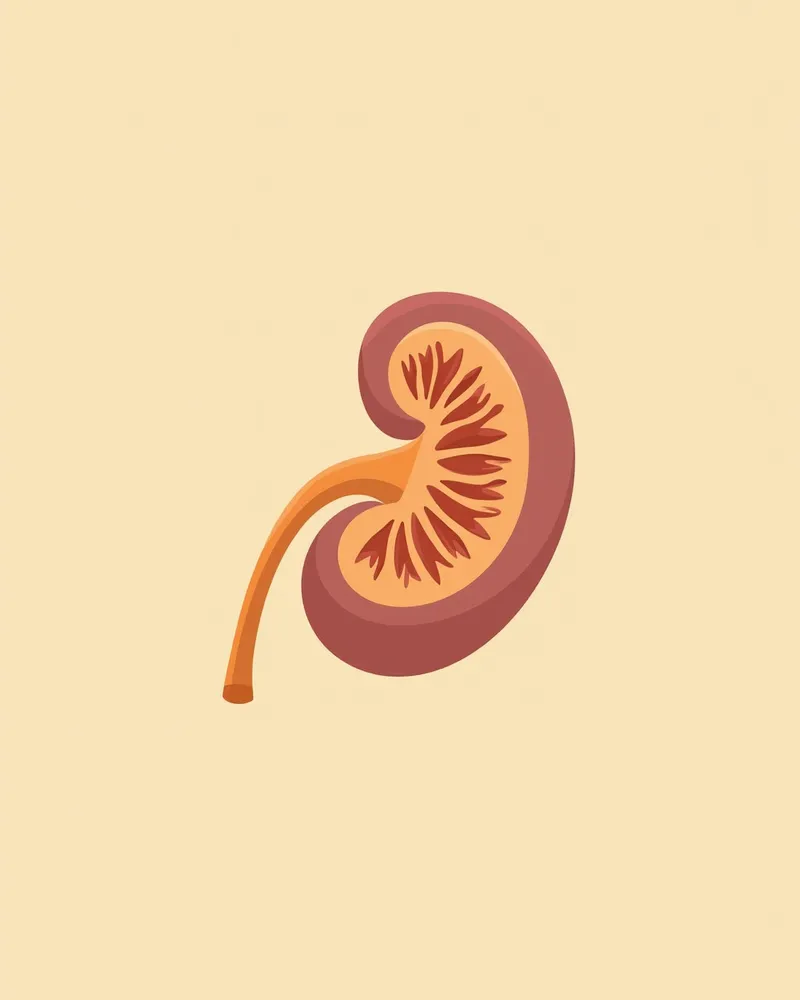
Accurate diagnosis of pyelonephritis in dogs requires a combination of several tests. - Urinalysis: Checks for the presence of white blood cells, red blood cells, and bacteria to determine whether an infection is present. - Blood tests: Help assess overall inflammatory response and kidney function. - Ultrasound examination: Allows visual confirmation of changes in kidney size, areas of inflammation, and structural abnormalities. - Urine culture: Essential for precisely identifying the causative bacteria and predicting antibiotic susceptibility. A comprehensive analysis of these test results is necessary to establish an accurate diagnosis and treatment plan.
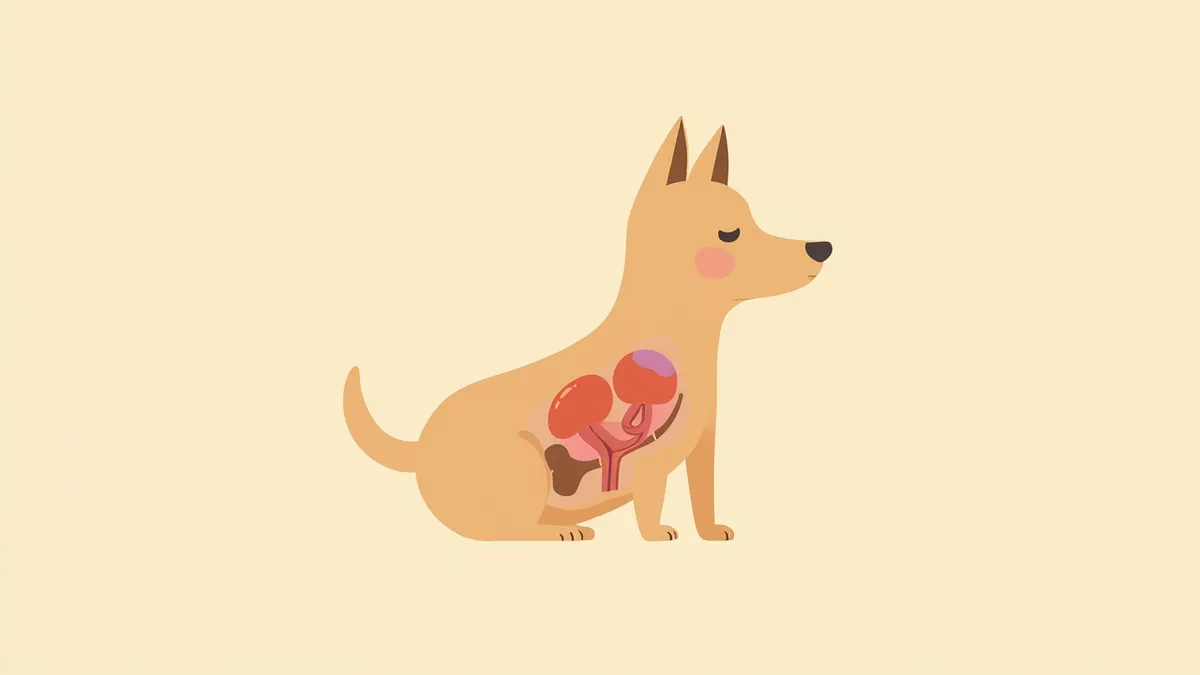
Ultrasound image showing an inflamed kidney in a dog

Treatment Methods and Step-by-Step Management
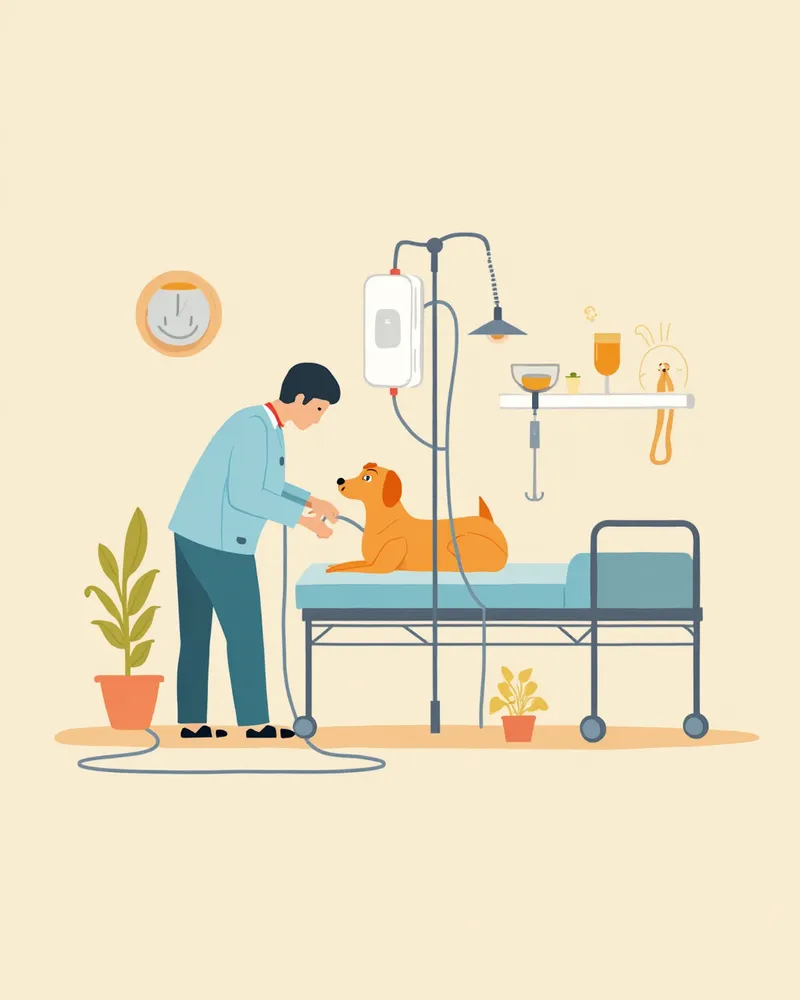
Treating pyelonephritis in dogs centers on antibiotic therapy. The appropriate antibiotic is selected based on the causative bacteria, and it must be taken for the full prescribed duration to prevent recurrence. Regular check-ups at the clinic are essential to monitor the medication’s effectiveness.
Antibiotic therapy: An effective antibiotic should be prescribed based on urine culture results, and the treatment duration may vary depending on the underlying cause.
Fluid supplementation: Intravenous fluids may be necessary to prevent dehydration.
Pain relief: Pain medication may be prescribed if abdominal pain is severe.
Management of underlying conditions: Any pre-existing conditions, such as diabetes or kidney disease, must be managed concurrently.
A veterinarian administering antibiotics to a puppy

Management Points at Home

During your dog’s recovery from pyelonephritis, it’s important to maintain regular meals, ensure adequate hydration, and provide plenty of rest. Make sure to administer medications at consistent times to avoid missing any doses. Additionally, encouraging frequent urination helps keep the urinary tract clean.
Regular Meals: Provide a balanced diet to ensure consistent nutrition, and consult with your veterinarian to adjust the diet if there are underlying conditions.
Hydration: Change the water frequently and place water bowls in multiple locations.
Medication Management: Set reminders to ensure no doses are missed.
Urination Monitoring: Check the color, volume, and odor of your dog’s urine daily.
Rest: Limit activity and create a comfortable environment for your dog.
A dog resting comfortably in a cozy environment with a water bowl nearby.

Precautions to Prevent Recurrence

Pyelonephritis is a condition prone to recurrence, so managing underlying health issues and focusing on prevention are essential. Dogs with diabetes, kidney disease, or urinary tract abnormalities, in particular, require regular check-ups. Additionally, because recurrent urinary tract infections can lead to chronic kidney disease, early intervention is crucial.

Reviewed by a veterinarian

Dr. Tony — Punnawat Phongkittirak

Dr. Tony — Punnawat Phongkittirak

Veterinarian

A veterinarian who majored in veterinary medicine at Khon Kaen University, Thailand, and completed the IVSA program at North Carolina State University in the United States. Drawing on clinical experience at animal hospitals, he works in the pet healthcare field and is dedicated to building a digital care environment that connects pet parents with veterinarians.

Frequently Asked Questions

Can pyelonephritis in dogs be treated?
Yes, most cases can be fully cured with appropriate antibiotic treatment and care. However, if the full course of treatment is not completed, bacteria may remain and cause a recurrence, so it’s essential to follow your veterinarian’s instructions and continue the medication until the infection is completely resolved.
What tests should be performed if pyelonephritis develops?
Urinalysis, blood tests, and ultrasound are commonly performed. In particular, a urine culture test helps identify the causative bacteria of the infection, providing a basis for selecting the appropriate antibiotic.
Can the illness return if I stop the antibiotics?
Yes, stopping medication too early can allow bacteria to remain and cause a relapse. It’s important to complete the treatment as directed by your vet and based on the test results.
What should I do at home if my pet develops pyelonephritis?
Change the water frequently, and administer medication at the exact prescribed times. Monitor your pet’s urine daily and limit their physical activity. It’s important to accurately report any changes in symptoms during veterinary visits.
Can pyelonephritis be prevented?
Yes, pyelonephritis can be prevented by treating urinary tract infections early, managing underlying conditions, and monitoring risk factors through regular check-ups.

Share

Related Guides

References

[1] Notes on Canine Internal Medicine, 4th Ed, 2020

[2] Urinalysis in the Dog and Cat, 2019

[3] Clinical Medicine of the Dog and Cat, 4th Ed, 2021

This information is based on veterinary literature and does not replace diagnosis or treatment. Please consult a veterinarian for specific health concerns.

Metapet Co., Ltd. | CEO: Park Sung-yong | Business Reg. No. 417-88-02562 | Seoul, South Korea | Customer Center

Dog Pyelonephritis: Symptoms, Causes, and Treatments Explained | Meongsiljang