

If Your Dog’s Eyes Turn Blue — Symptoms and Treatment Timing for Canine Infectious Hepatitis
Canine viral hepatitis is a contagious disease caused by adenovirus type 1, leading to liver damage and various symptoms. Early diagnosis and proper management are essential.
Canine Viral Hepatitis Is a Contagious Disease Caused by Adenovirus Type 1

The Cause of Infection Is Adenovirus Type 1 and Contaminated Environments

Main Symptoms Include Fever, Vomiting, Diarrhea, and Abdominal Pain

Emergency Symptoms Requiring Immediate Veterinary Visit
If your dog suddenly collapses, experiences severe vomiting, or passes bloody stool, you should go to the vet immediately. If a fever persists above 40 degrees Celsius, or if their eyes and lips become pale and their breathing becomes rapid, this is life-threatening and requires immediate emergency care. If there is suspicion of a blood clotting disorder due to liver dysfunction, blood transfusions or specialized treatment may be necessary.
Diagnosis Is Confirmed Through Blood Tests and Viral Antibody Testing

Treatment Focuses on Symptom Management and Supportive Care
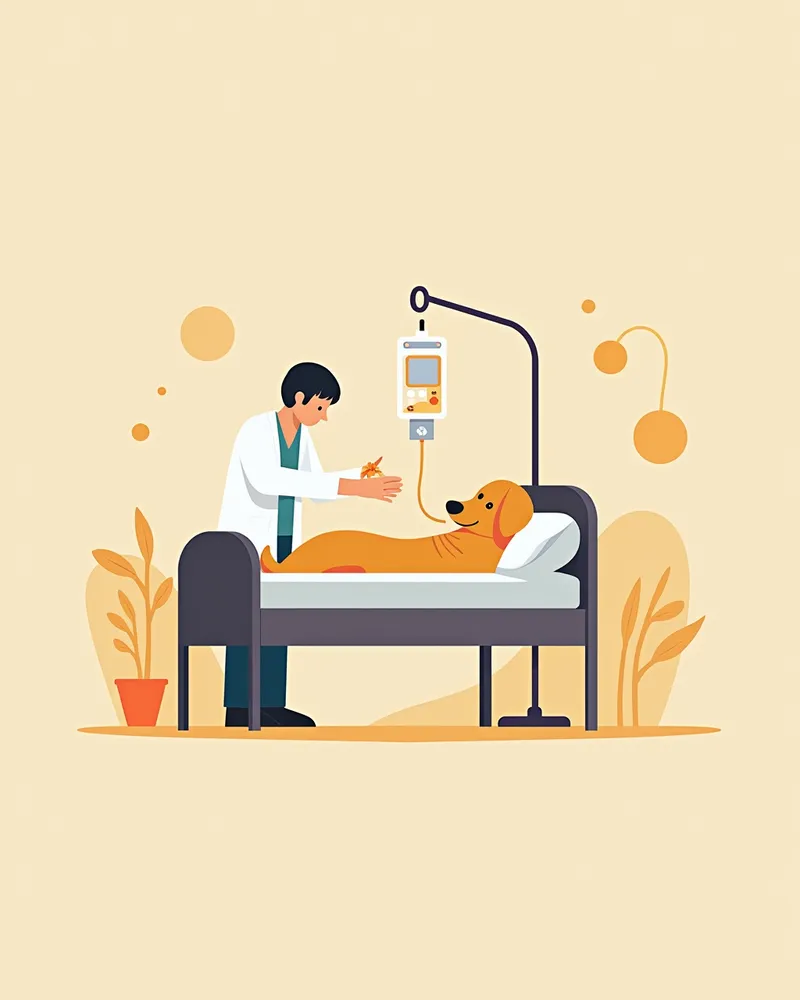
Home Care: Fluid Supplementation and Rest Are Most Important

Breed-Specific Precautions: Poodles, Terriers, and Others Have Higher Risk
It is not definitively established in veterinary textbooks that specific breeds are more susceptible to viral hepatitis. However, unvaccinated puppies are more prone to developing severe acute symptoms, so extra caution is warranted. Therefore, timely vaccination is the most effective preventive measure. Even after recovery from infection, liver dysfunction may persist, so regular monitoring of liver enzymes (ALT and AST) and bilirubin levels is recommended to check for long-term damage. Combining this with good hygiene practices and preventing exposure to contaminated environments can further reduce the risk of infection.
Reviewed by a veterinarian

Dr. Tony — Punnawat Phongkittirak
VeterinarianA veterinarian who majored in veterinary medicine at Khon Kaen University, Thailand, and completed the IVSA program at North Carolina State University in the United States. Drawing on clinical experience at animal hospitals, he works in the pet healthcare field and is dedicated to building a digital care environment that connects pet parents with veterinarians.
Reviewed 2026-06-07
Frequently Asked Questions
Can canine viral hepatitis be transmitted to humans?
When should I start getting my pet vaccinated?
Is testing still necessary after recovery?
Can I live with an infected dog?
What side effects can occur after vaccination?
Comparison Table of Vaccines for Canine Viral Hepatitis
| Item | Vaccination Type | Timing | Duration of Efficacy | Precautions |
|---|---|---|---|---|
| First vaccination | Modified live CAV-2 vaccine (prevents infectious canine hepatitis via CAV-1 cross-protection) | From 6 weeks of age | 1 year | In high-infection-risk environments, a second dose is needed 2 weeks later |
| Second vaccination | Combination vaccine (CAV-2 based, includes infectious canine hepatitis) | 10 weeks of age | 1 year | Restricting activity within 24 hours after vaccination is recommended |
| Booster shot | Revaccination after 1 year | After 12 months | 3 years | Per veterinary judgment based on individual circumstances |
Modern vaccines use a modified live CAV-2 vaccine rather than CAV-1 and provide excellent cross-protection against CAV-1. Vaccination is recommended by the veterinarian according to the dog's health status and environment, and a pre-vaccination checkup is essential.
Share
Related Guides

7 Key Symptoms and Management Essentials for Canine Cholecystitis Recommended by Veterinarians

Top 5 Milk Thistle (Silymarin) Liver Supplements for Dogs — A Comparison Guide Based on Silybin Content and Absorption Rates

Top Prescription Diets for Dogs with Liver Disease and Selection Criteria

If Your Cat’s Hunting Instinct Is Too Strong — Causes of Excessive Expression and Management Points

If You Applied Dog Medication to a Cat — Permethrin Toxicity Symptoms and Emergency Response Timing

If Your Cat Licked Coffee — Caffeine Poisoning Symptoms and Emergency Response Timing
Dog Lungworm Infection: Symptoms, Transmission Routes, and Treatment & Prevention Guide
If a wound won't heal — Early symptoms and diagnosis of canine squamous cell carcinoma

Lumps on Your Cat’s Skin — Early Signs, Diagnosis, Treatment, and Prognosis Management of Mast Cell Tumors

Early Symptoms, Diagnosis, Treatment, Prognosis, and Management Guide for Feline Nasal Tumors
References
[1] Clinical Medicine of the Dog and Cat, 4th Ed, 2021
[2] Plumb's Veterinary Drug Handbook, 9th Ed, 2022
[3] American Veterinary Medical Association (AVMA) Guidelines on Canine Infectious Diseases, 2023