Like
Share
멍실장
고양이 단백뇨 증상과 원인, 진단·치료와 관리 포인트 총정리

If Your Cat Has Proteinuria — Causes of Kidney Damage and Management Points

UrinaryDiseasesMeongsiljang Veterinary Advisory Board

Proteinuria in cats is a sign of kidney damage, where protein leaks into the urine. We’ve put together everything pet owners need to know, from causes and symptoms to UPC testing, ACE inhibitor treatment, and hydration and prescription diet management.

What Is Proteinuria in Cats?
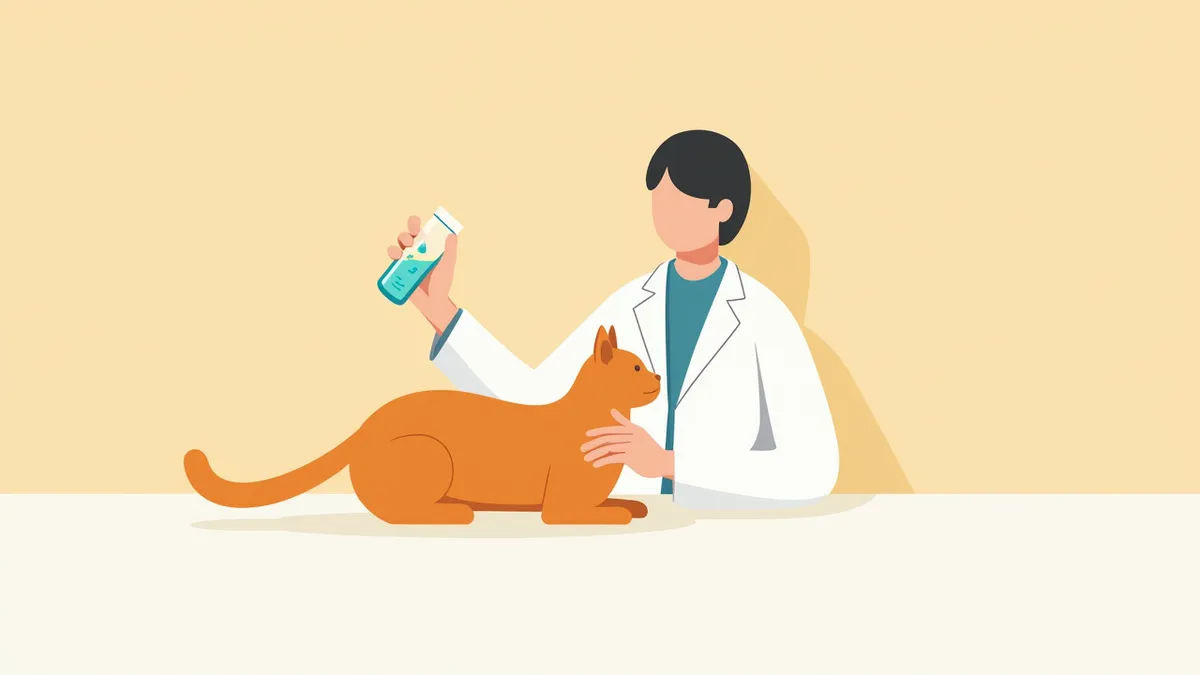
A veterinarian examining a cat's urine sample
Proteinuria in cats occurs when impaired kidney filtration allows an abnormal amount of protein to leak into the urine. Healthy kidneys retain proteins like albumin in the bloodstream, but damage to the glomeruli or renal tubules can cause these proteins to escape into the urine. The most critical point is that early-stage proteinuria often presents with no visible symptoms. It is frequently discovered incidentally during routine urinalysis, so regular urine testing every six to twelve months is essential.

Main Causes of Proteinuria in Cats

Proteinuria can be categorized into three types based on where it originates.
Pre-renal (before the kidneys): Severe dehydration or high fever can cause a sudden spike in blood proteins, overwhelming the kidneys and causing them to temporarily leak protein into the urine. Once the underlying cause is resolved, protein levels usually return to normal.
Renal (kidney damage): This occurs when the kidneys themselves are damaged, such as in glomerulonephritis, renal amyloidosis, or chronic kidney disease (CKD). It is the most common type and typically requires long-term management.
Post-renal (urinary tract issues): This is caused by inflammation in the lower urinary tract, such as cystitis or urethritis. Proteinuria often resolves after treating the underlying condition.

Checklist for Easily Overlooked Symptoms of Proteinuria
In the early stages, there are rarely any noticeable changes. If you observe any of the following symptoms, start with a urinalysis.
Decreased appetite and weight loss: As uremic toxins accumulate, nausea and loss of appetite may occur.
Polydipsia and polyuria: Your pet drinks more water than usual and urinates frequently. This is an early sign of impaired renal concentrating ability.
Edema: A decrease in blood albumin can cause swelling in the abdomen or legs.
Lethargy and reduced activity: If anemia or uremia is present, your cat may appear lethargic and less active.
Deteriorating coat condition: Poor nutrient absorption can lead to a rough, dull coat.
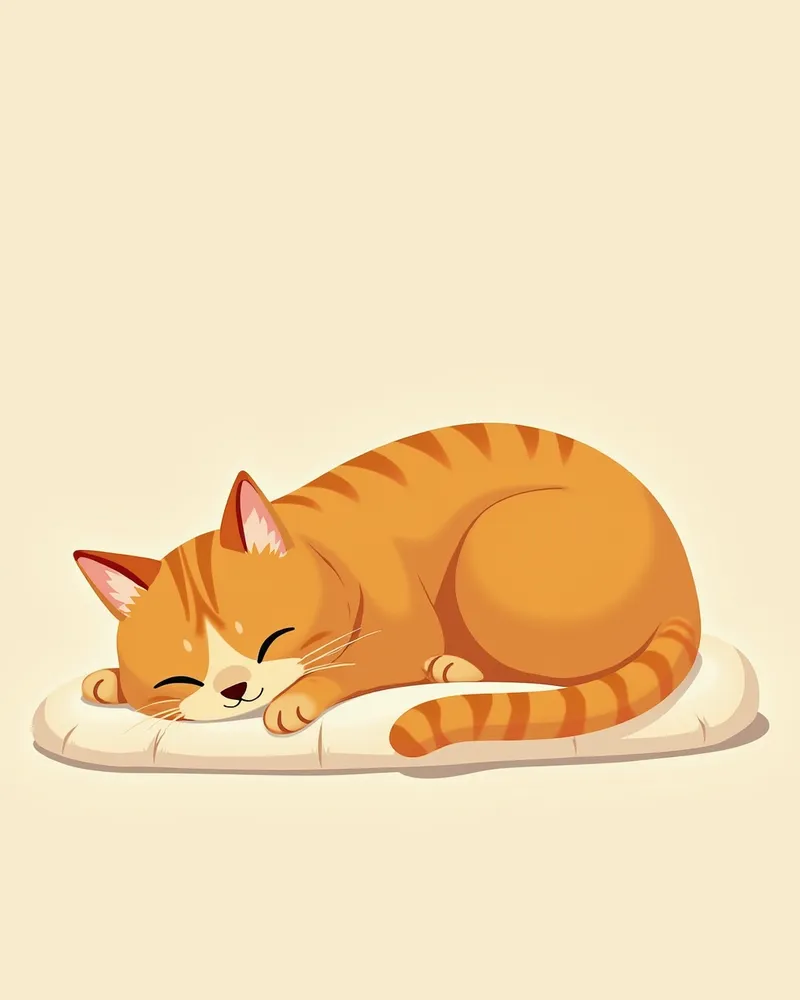
A lethargic cat lying down listlessly

Seek Immediate Veterinary Care If You See These Symptoms

If your pet has completely refused food for more than 24 hours, shows noticeable abdominal distension, passes blood in the urine or experiences a sudden change in urine color, or exhibits vomiting and seizures, their kidney function may be declining rapidly. Seek immediate care at a 24-hour emergency animal hospital without delay.

Diagnosing Proteinuria — The UPC Ratio Is Key

The most important test for confirming proteinuria is the urine protein-to-creatinine ratio (UPC). - UPC < 0.2: Normal - UPC 0.2–0.4: Borderline — retesting every 1–2 months is recommended - UPC ≥ 0.4: Proteinuria confirmed; further testing to identify the underlying cause is necessary We also perform blood tests (blood urea nitrogen, creatinine, and SDMA), blood pressure measurement, and abdominal ultrasound. Following International Renal Interest Society (IRIS) guidelines, staging chronic kidney disease is standard practice.

Treatment for Proteinuria — Varies by Cause

Medication: Depending on the veterinarian’s assessment, ACE inhibitors or angiotensin receptor blockers (ARBs) may be used to manage chronic kidney disease and proteinuria. If hypertension is present, antihypertensive medications are also prescribed.
Dietary Management: Kidney prescription diets restricted in phosphorus and protein help reduce the workload on the kidneys and alleviate uremic symptoms. Omega-3 fatty acids are also known to serve as an adjunctive therapy to slow the progression of kidney disease.
Treatment of Underlying Conditions: If urinary tract infections, such as cystitis, are the cause, they are treated with antibiotics. For amyloidosis, consistent management is aimed at suppressing disease progression.
A scene in which a veterinarian explains to a pet owner how to treat proteinuria in cats.

Proteinuria Management Points to Practice at Home

Along with medical treatment, consistent care at home is essential.
Increase water intake: Use wet food and a flowing water fountain. The more diluted the urine becomes, the less concentrated the workload on the kidneys.
Strictly adhere to the prescription diet: To ensure effectiveness, do not mix the veterinarian-recommended renal prescription food with regular pet food.
Keep up with regular rechecks: According to International Renal Interest Society (IRIS) guidelines, if proteinuria is confirmed, recheck the urine protein-to-creatinine (UPC) ratio every 2–4 weeks; if levels are borderline, recheck every 2 weeks to 2 months to monitor persistence and changes in values.
Minimize stress: Stress can take a toll on your cat’s health, so provide a stable environment with plenty of hiding spots.
A cat drinking water from a water dispenser

High-Risk Breeds and Senior Cats Require Extra Attention

Abyssinian and Siamese cats are reported to have a genetically higher incidence of renal amyloidosis, which is the most common non-immune complex glomerular disease identified in these two breeds. Certain breeds, such as Persians and Maine Coons, are known to be at risk for polycystic kidney disease (PKD), so it’s good to keep this in mind. Additionally, the likelihood of chronic kidney disease increases with age, so we recommend that senior cats undergo regular urinalysis (e.g., every six months), even if they show no symptoms.

Reviewed by a veterinarian

Dr. Tony — Punnawat Phongkittirak

Dr. Tony — Punnawat Phongkittirak

Veterinarian

A veterinarian who majored in veterinary medicine at Khon Kaen University, Thailand, and completed the IVSA program at North Carolina State University in the United States. Drawing on clinical experience at animal hospitals, he works in the pet healthcare field and is dedicated to building a digital care environment that connects pet parents with veterinarians.

Frequently Asked Questions

Can proteinuria in cats be completely cured?
It depends on the underlying cause. If the proteinuria is due to cystitis or a urinary tract infection, it often resolves completely after treatment. In contrast, when proteinuria stems from chronic kidney disease or glomerulonephritis, the goal shifts from a cure to slowing disease progression and preserving kidney function. Early detection and consistent management have the greatest impact on prognosis.
Can I feed regular cat food to a cat with proteinuria?
If your cat has kidney issues, it’s important to use a veterinary-prescribed renal diet. Regular cat food tends to be high in protein and phosphorus, which can put extra strain on the kidneys. When switching to a prescription diet, gradually transition over two weeks to help your cat adjust without food refusal.
How is a UPC test performed?
We measure the protein and creatinine concentrations in the urine separately and calculate their ratio. For the most accurate results, it’s best to collect the first morning urine in a clean container and bring it to the clinic within two hours. Alternatively, if the urine is collected via bladder aspiration at the clinic, the results will be even more precise since there’s no risk of bacterial contamination.
Can my pet still receive vaccinations if they have protein in their urine?
Your veterinarian will make the decision based on your pet’s kidney function. In cases of mild proteinuria, vaccinations are usually administered as scheduled. If severe renal insufficiency is present, the vaccination timing may be adjusted. Be sure to consult with your attending veterinarian before making a decision.
Will increasing water intake reduce proteinuria?
While not a direct treatment, adequate water intake dilutes urine, reducing the kidneys' workload and inhibiting bacterial growth in the urinary tract. Using wet food along with a flowing water fountain can naturally increase your pet's water consumption.

Share

Related Guides

References

[1] Polzin DJ, Churchill JA. Controversies in veterinary nephrology: renal diets are indicated for cats with IRIS CKD stages 2 to 4: the pro view. Vet Clin North Am Small Anim Pract. 2016;46(6):1095-1098.

[2] IRIS (International Renal Interest Society). IRIS Staging of CKD and treatment recommendations. 2023.

[3] Grauer GF. Feline proteinuria: causes, measurement, and consequences. J Feline Med Surg. 2007;9(1):1-11.

[4] Bartges JW, Polzin DJ. Nephrology and Urology of Small Animals. Wiley-Blackwell. 2011.

[5] Hand MS, Thatcher CD, Remillard RL, Roudebush P, Novotny BJ. Small Animal Clinical Nutrition, 5th Ed. Mark Morris Institute. 2010.

This information is based on veterinary literature and does not replace diagnosis or treatment. Please consult a veterinarian for specific health concerns.

Metapet Co., Ltd. | CEO: Park Sung-yong | Business Reg. No. 417-88-02562 | Seoul, South Korea | Customer Center

Cat Proteinuria: Causes of Kidney Damage & Key Management | Meongsiljang