
Giardia Infection and Treatment
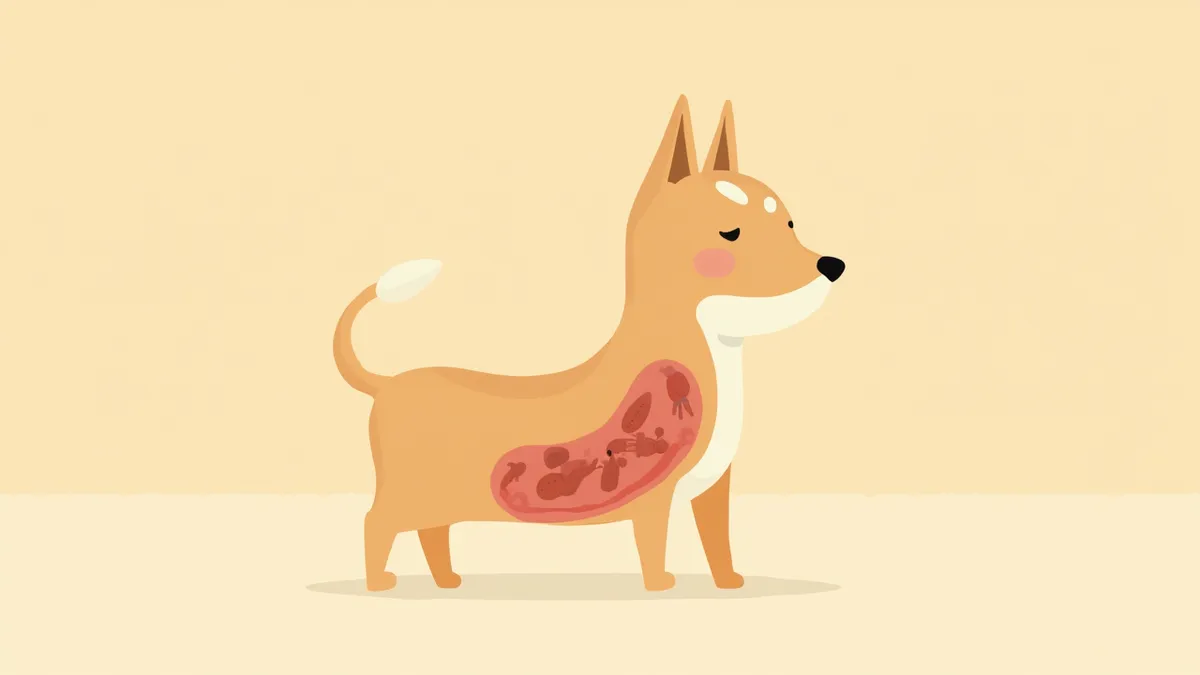
Giardia (also known as lambliasis) is a protozoan parasite that infects the intestines of dogs and cats, causing chronic diarrhea. Here’s a summary of the symptoms, diagnosis, treatment, and prevention of reinfection.
What Kind of Parasite is Giardia?
How is Giardia Transmitted?
Key Symptom Checklist

Signs Requiring Immediate Veterinary Care
If you notice any of the following signs, dehydration and hypoglycemia can progress rapidly, so veterinary care within 24 hours is necessary. - Puppies or kittens under 6 months of age having watery diarrhea three or more times - Blood present in the stool - Vomiting accompanied by a sharp decrease in water intake - Lethargy and noticeably sunken eyes - Weight loss of 10% or more within one week Puppies and kittens are especially vulnerable, as they dehydrate much faster than adult animals, making prompt attention critical to avoid serious complications.
How is it Diagnosed?
How is Treatment Conducted?
Home Care Management Points
Preventing Reinfection and Zoonotic Transmission
Giardia infections often recur after treatment because cysts can linger in the environment. Thorough home cleaning and careful management of exposure in parks and on walking paths are essential. Although transmission to humans (zoonosis) is rare, it is possible. In households with young children, the elderly, pregnant women, or immunocompromised individuals, always wash your hands with soap after handling feces and after touching your pet’s face or mouth area.
Reviewed by a veterinarian

Dr. Tony — Punnawat Phongkittirak
VeterinarianA veterinarian who majored in veterinary medicine at Khon Kaen University, Thailand, and completed the IVSA program at North Carolina State University in the United States. Drawing on clinical experience at animal hospitals, he works in the pet healthcare field and is dedicated to building a digital care environment that connects pet parents with veterinarians.
Reviewed 2026-04-28
Frequently Asked Questions
Are Giardia and Lambliasis different?
My pet is still having diarrhea even after treatment. Why is that?
Can it be prevented with vaccinations?
Can it be transmitted to humans?
When should I schedule a follow-up exam?
Share
Related Guides

My Senior Cat Won’t Eat — A Complete Guide to Choosing Food for Cats with Weak Digestion
Top 5 Prescription Diets for Feline Pancreatitis Recommended by Veterinarians — Low-Fat, Highly Digestible Food Guide

Royal Canin vs Hill’s vs Purina vs Orijen — Which Brand Is Right for Your Pet, According to Veterinarians?
My Dog Won’t Drink Water — Dehydration and Acute Kidney Injury, When to Go to the Vet
How Fast Is My Dog’s Kidney Disease Progressing? — Monitoring CKD Progression and Management Points
My Puppy Has a Fever and Back Pain — From Pyelonephritis Symptoms to Treatment
Sudden Urine and Appetite Changes in Your Dog — Causes of Acute Kidney Injury and When to Seek Emergency Care
Complete Guide to Feline Renal Ultrasound — From Timing to Result Interpretation

When to Use Feline Kidney Supplements — Omega-3 Effects and Feeding Tips

If Your Cat’s Kidneys Are Silently Hardening — Mechanisms of Renal Fibrosis Progression and Management Points
References
[1] Veterinary Parasitology, 5th Edition - Giardia duodenalis
[2] Small Animal Internal Medicine, Nelson & Couto, 6th Edition
[3] CAPC (Companion Animal Parasite Council) Giardia Guidelines, 2023