Like
Share
멍실장
고양이 만성 비염·비강 분비물 증상과 원인, 진단·치료와 관리 포인트 총정리

Comprehensive Guide to Feline Chronic Rhinitis: Symptoms, Causes, Diagnosis, Treatment, and Management

RespiratoryDiseasesMeongsiljang Veterinary Advisory Board

Chronic rhinitis in cats is a condition characterized by nasal discharge and difficulty breathing that persists for more than three weeks, and it can be caused by various factors such as infections, allergies, and tumors. Accurate diagnosis and early management are key to alleviating symptoms.

What is Feline Chronic Rhinitis?
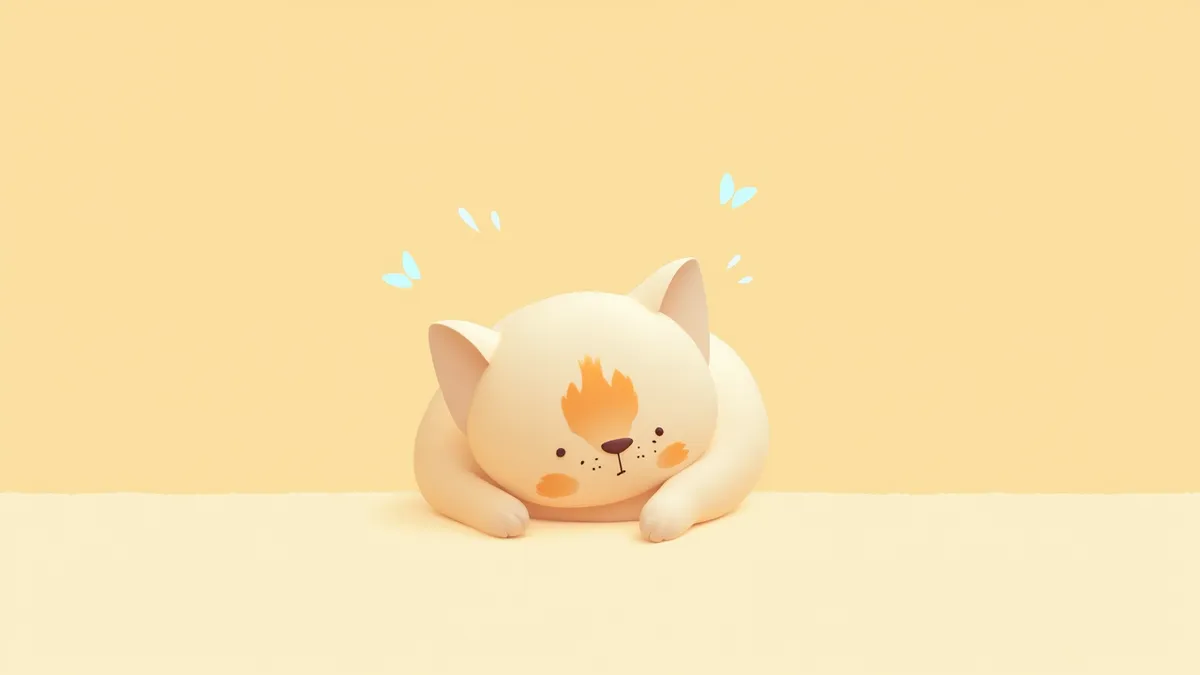
A cat with a runny nose
Feline chronic rhinitis is a condition characterized by persistent or recurrent nasal discharge and sneezing. Unlike a temporary cold, it requires accurate diagnosis and treatment. Common causes include viral, bacterial, and fungal infections, inflammation, foreign bodies, and tumors. While upper respiratory diseases are common in young cats, they can also progress to a chronic state in older cats. Because early symptoms are often mild and easily overlooked by owners, it is important to visit a veterinarian promptly if you notice persistent nasal discharge or sneezing. - Persistent nasal discharge: Discharge may persist or recur, ranging from serous to mucous or purulent. - Recurrent sneezing: Sneezing occurs repeatedly and may worsen due to chemical or mechanical irritation of the nasal mucosa. - Difficulty breathing: Nasal obstruction may lead to mouth breathing, and stertorous (snoring-like) sounds may be heard.

What are the Main Causes of Chronic Rhinitis?
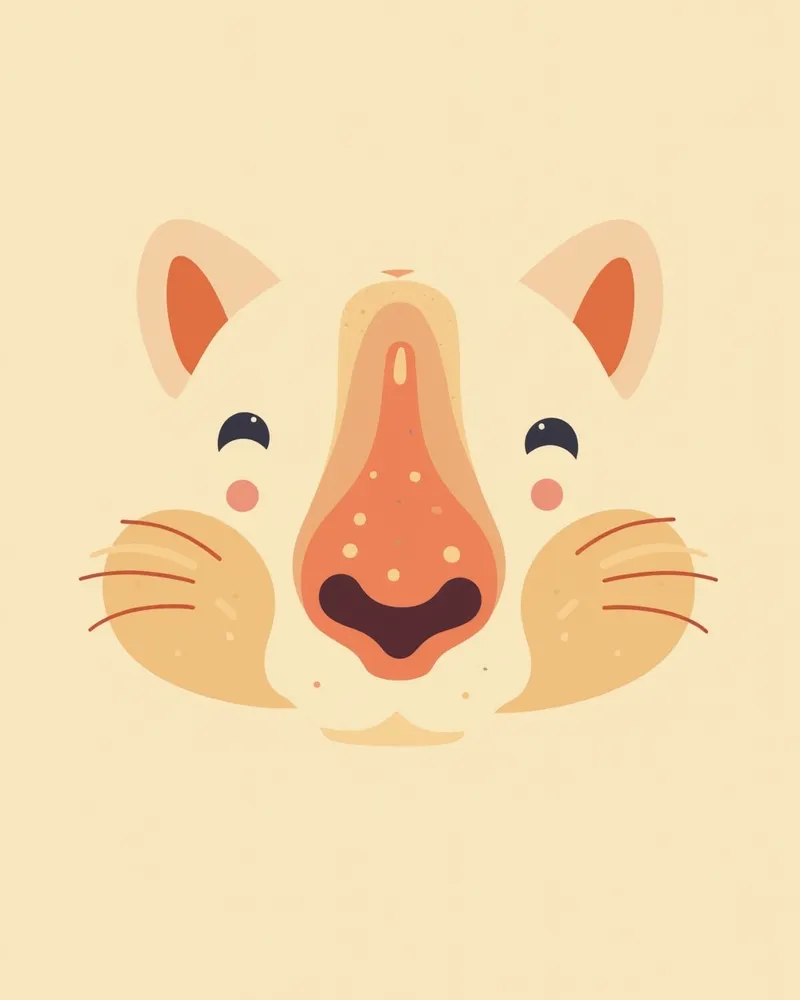
The causes of chronic rhinitis in cats are varied and can include viruses (such as feline herpesvirus FHV-1 and feline calicivirus FCV), bacteria (such as Chlamydophila), fungi (such as Cryptococcus and Penicillium), inflammatory diseases, foreign bodies, and tumors. In particular, feline herpesvirus (FHV-1) and feline calicivirus (FCV) are the leading causes, accounting for approximately 90% of upper respiratory tract diseases in cats. After initial infection, some cats continue to shed the herpesvirus for life, which can lead to a chronic or recurrent course of the disease. Among fungal causes, Cryptococcus can cause chronic nasal discharge that does not respond to antibiotics. - Multiple factors: The mechanism behind the development of chronic rhinitis is not fully understood, and it often results from the interplay of multiple factors. - Environmental factors: Dust and chemical or mechanical irritants can trigger sneezing reflexes and worsen symptoms.
Image of nasal inflammation and discharge in a cat

Check for Key Symptoms and Signs

The main symptoms of chronic rhinitis in cats include nasal discharge, sneezing, difficulty breathing, wet fur around the nose, and redness of the nasal tip. In severe cases, you may notice a decreased appetite, weight loss, and loud breathing sounds due to nasal congestion.
Persistent nasal discharge: Mucous or purulent discharge that lasts for more than three weeks.
Repetitive sneezing: Sneezing that occurs dozens of times or more per day.
Difficulty breathing: A tendency to breathe through the mouth due to nasal blockage.
Wet fur around the nose: Fur around the nose becomes damp from discharge.
Decreased appetite: Loss of interest in food because nasal congestion impairs the sense of smell.
Weight loss: Weight reduction resulting from prolonged poor appetite.
A cat with a wet nose

When to Visit the Vet Immediately

If nasal discharge becomes purulent, breathing difficulties worsen to the point of mouth breathing, weight drops rapidly, or appetite disappears completely, consult a veterinarian immediately. These symptoms may indicate a serious infection or tumor.

Diagnostic Methods for Accurate Diagnosis
To accurately diagnose chronic rhinitis in cats, veterinarians typically rely on a combination of medical history, physical examination, radiography, endoscopy, biopsy, and bacterial and fungal cultures. Endoscopy is especially important, as it allows direct visualization of the nasal cavity and enables collection of secretions or tissue samples from affected areas to identify pathogens. Radiographs help assess abnormalities in nasal structure or bone damage, while CT or MRI scans may be considered if a tumor is suspected. Biopsy plays a decisive role in determining the nature of the lesion. - Discharge analysis: Purulent discharge is key to confirming the presence of infection. - Biopsy results: Histopathological analysis accurately identifies whether the lesion is a tumor or chronic inflammation.
A veterinarian performing a nasal endoscopy on a cat

Treatment Methods and Step-by-Step Approach
Treatment depends on the underlying cause. If a bacterial infection is suspected, antibiotics are prescribed; for viral infections, supportive care is provided, along with antiviral medications when appropriate. In cases of severe inflammation, anti-inflammatory treatments such as steroids may be considered. For chronic cases, options include nasal flushing, immune-modulating therapies like interferon, and, in severe instances, surgery.
Antibiotic therapy: Chronic rhinitis may require a prolonged course of antibiotics lasting 6 to 8 weeks.
Pathogen and culture testing: In cases of recurrent infection, culture results help guide the selection of the most appropriate medication.
Nasal flushing: Flushing the nasal passages with saline solution under veterinary guidance can be beneficial.
Steroid therapy: Steroids may be used temporarily if inflammation is severe.
Surgical intervention: Surgery is necessary if a tumor, foreign body, or polyp is suspected.
A veterinarian administering nasal medication to a cat

Home Care Points

Home care plays a key role in improving the success rate of treating chronic rhinitis in cats. Using an air purifier, maintaining proper humidity, cleaning around the nose, reducing stress, and ensuring consistent medication management are all important. Most importantly, minimizing environmental irritants is essential.
Use an air purifier: Helps remove dust and allergens.
Maintain humidity: Keeping it between 40–60% supports healthy nasal mucosa.
Clean around the nose: Gently wipe with a soft cloth.
Reduce stress: A stable daily routine is important for your cat.
Medication management: Administer medication at the prescribed times.
Diet management: Avoid strongly scented foods and choose options that are easy to eat even when the nose is congested.
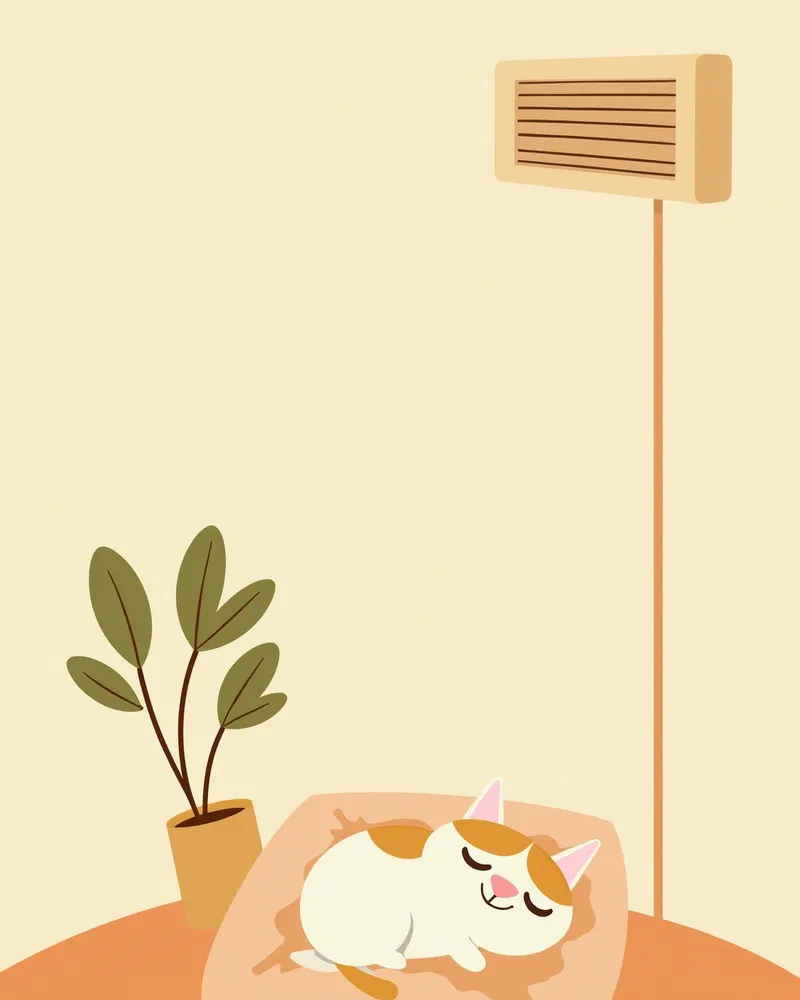
A cat room with controlled humidity

Breed-Specific Precautions and Recurrence Prevention

In some studies of fungal (Cryptococcus) rhinitis, male and Siamese cats were reported to be more commonly affected. Additionally, idiopathic chronic rhinitis is often difficult to cure completely, and symptoms may recur when the immune system weakens. Regular check-ups and environmental management can help reduce the frequency and severity of symptoms.

Reviewed by a veterinarian

Dr. Tony — Punnawat Phongkittirak

Dr. Tony — Punnawat Phongkittirak

Veterinarian

A veterinarian who majored in veterinary medicine at Khon Kaen University, Thailand, and completed the IVSA program at North Carolina State University in the United States. Drawing on clinical experience at animal hospitals, he works in the pet healthcare field and is dedicated to building a digital care environment that connects pet parents with veterinarians.

Frequently Asked Questions

My cat has had a runny nose for about two weeks. Should I be worried?
If nasal discharge persists for several weeks or keeps recurring, it could indicate chronic rhinitis. Since diagnosis based on clinical signs alone can be challenging, it’s best to consult your veterinarian early to identify the underlying cause.
What should I do if my pet has a purulent nasal discharge?
Purulent discharge can be a sign of bacterial infection. Your pet needs to see a veterinarian promptly so that an appropriate antibiotic can be prescribed after examination.
Why does my cat scratch its nose?
Scratching at the nose is often a sign of discomfort caused by rhinitis, allergies, or irritation from a foreign object. To determine the underlying cause, a veterinary examination is necessary.
Can I perform nasal flushing at home?
Under a veterinarian’s guidance, you can gently rinse the area with sterile saline. Be careful not to force it, as improper handling can damage the mucous membranes.
Can chronic rhinitis be cured?
The approach depends on the underlying cause. Bacterial infections can often be improved with antibiotics, but feline idiopathic chronic rhinitis and sinusitis are frequently difficult to cure. In these cases, the goal shifts to ongoing management aimed at reducing the frequency and severity of symptoms.

Share

Related Guides

References

[1] Feline Emergency and Critical Care Medicine, 2nd Ed. (2015). Elsevier Saunders.

[2] Clinical Medicine of the Dog and Cat, 4th Ed. (2019). Elsevier.

[3] BSAVA Manual of Canine and Feline Dermatology, 4th Ed. (2013). BSAVA Publications.

This information is based on veterinary literature and does not replace diagnosis or treatment. Please consult a veterinarian for specific health concerns.

Metapet Co., Ltd. | CEO: Park Sung-yong | Business Reg. No. 417-88-02562 | Seoul, South Korea | Customer Center

Feline Chronic Rhinitis: Symptoms, Causes & Treatment | Meongsiljang