Like
Share
멍실장
강아지 눈 이물 응급처치 증상과 원인, 진단·치료와 관리 포인트 총정리

Foreign Bodies in a Dog’s Eye — First Aid and When to See a Vet

Eye HealthDiseasesMeongsiljang Veterinary Advisory Board

Foreign bodies in a dog’s eye can cause acute pain and vision loss, so prompt action is essential. Prevent complications with an accurate diagnosis and appropriate first aid.

Foreign Bodies in a Dog’s Eye Are an Acute Ocular Condition Caused by External Factors

A dog squinting its eyes
Foreign bodies in a dog’s eyes are an acute ocular condition caused by plant particles like grass seeds, hair, dust, or sand getting into the eye. These foreign objects can lodge in the conjunctival sac behind the eyelids or third eyelid, or come into contact with the surface of the cornea or sclera. In some cases, enzymatic action can cause them to embed deeply into the cornea. This leads to pain and inflammation, which can significantly impact your dog’s daily life. Pay close attention if your dog has trouble opening its eyes or is rubbing them after going outside. - Foreign Body Entry: Playing in grassy areas or on sandy beaches can cause plant particles to become embedded in the eye. - Environmental Factors: Wind or rapid movement can blow dust into the eyes. - Symptomatic Reactions: Symptoms include excessive tearing, difficulty opening the eyes (blepharospasm), redness or swelling of the conjunctiva, and discharge. Immediate action and consultation with a veterinarian are essential.

The Main Causes of Foreign Bodies in the Eye Are External Irritants and Environmental Factors
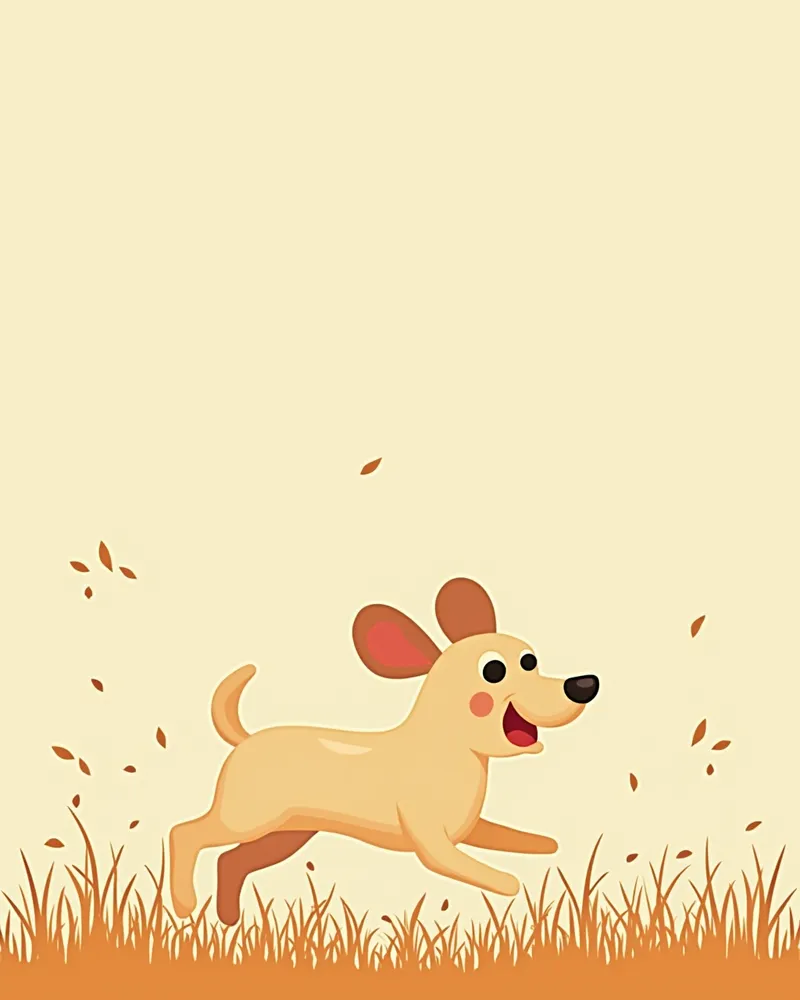
The main causes of foreign bodies in a dog’s eyes are external irritants and environmental factors. When playing in grassy areas or on sandy beaches, plant-based materials like grass seeds can easily get into the eyes. These plant-based foreign bodies can enter the conjunctival sac inside the eyelids or become embedded on the surface of the cornea. Dust or small particles may also come into contact with the eyes due to wind or rapid movements. - Caution with plant-based foreign bodies: It is well known that plant-based materials are the most common type of foreign body that enters the eyes. - Check after outings: It is important to develop the habit of carefully checking your dog’s eyes after going outside. - Environmental management: It is advisable to restrict your dog’s access to areas around the house with tall grass or lots of dust. This is key to prevention.
A puppy running in the grass, with seeds flying through the air.

The Main Symptoms of a Foreign Body in the Eye Are Pain and Irritation

The main symptoms of a foreign object in a dog’s eye are pain and irritation. Your dog may have trouble keeping the eye open (blepharospasm), or may rub or scratch at the eye. You may also notice increased tearing, redness of the conjunctiva (conjunctivitis), and swelling of the conjunctiva (conjunctival edema). In severe cases, eye discharge may increase. - Pain response: The dog may squint or rub around the eye, which can cause self-injury. - Signs of inflammation: The conjunctiva may become swollen and red, and crust or discharge may appear. - Behavioral changes: Your dog may show unusual signs of eye discomfort. If the pain appears severe, immediate veterinary care is necessary.
A dog scratching its eyes

Emergency Situations Requiring Immediate Veterinary Care

If your pet experiences persistent pain, swelling, excessive discharge, or difficulty opening the eye after a foreign object gets in, seek veterinary care immediately. The object may be deeply embedded in the cornea, potentially leading to secondary corneal ulcers or infections. Additionally, if biological material enters the eye, there is a risk of endophthalmitis. Professional veterinary diagnosis and treatment are essential.

Diagnosis Is Accurately Performed Through the Veterinarian’s Examination and Specialized Equipment
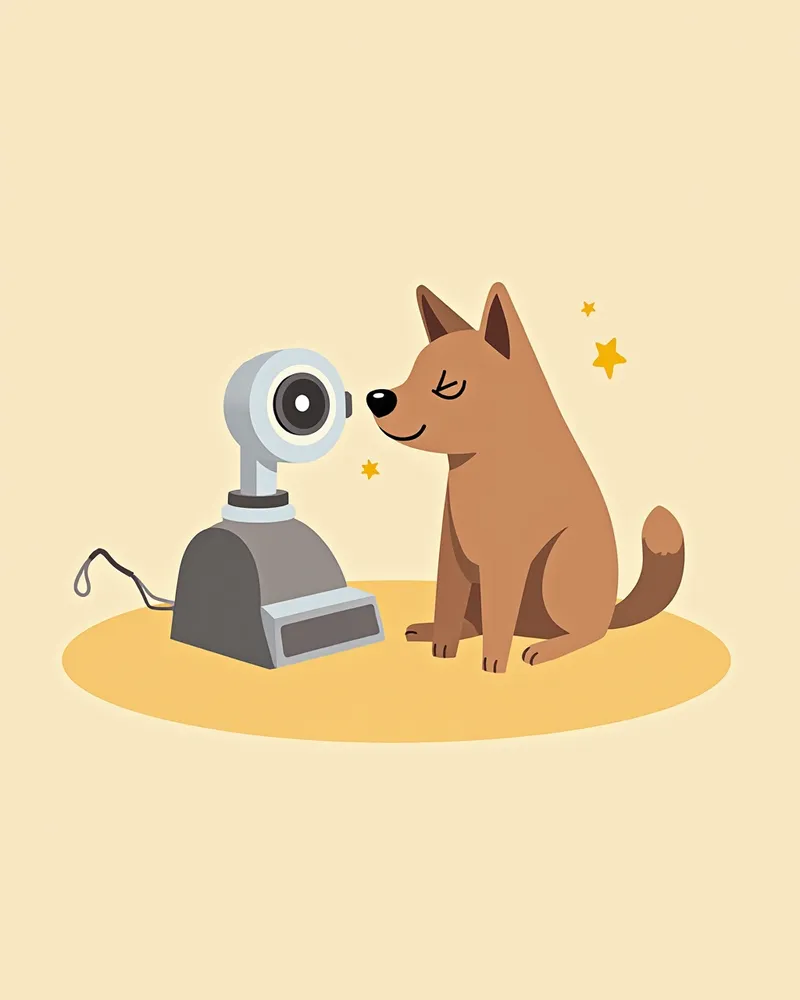
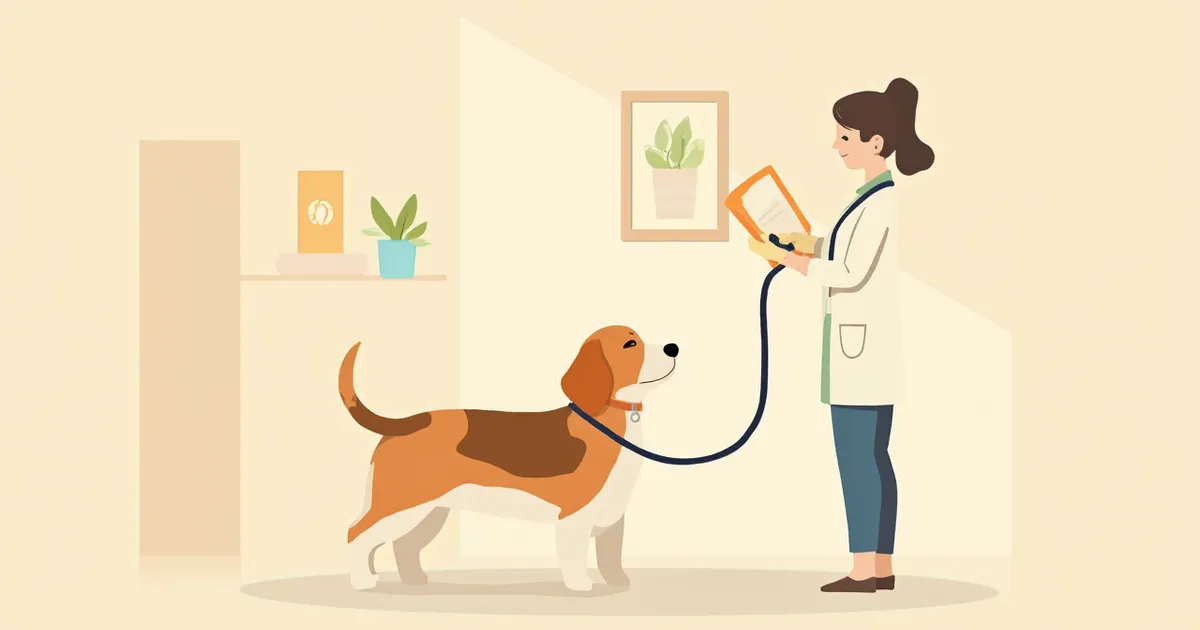
Diagnosing a foreign body in your dog’s eye is based on the veterinarian’s clinical examination. The vet will examine the eye under magnification and use a fluorescent dye (fluorescein) to check for corneal damage. If the pain is severe, topical anesthetic drops or sedation and anesthesia may be necessary. This step is essential for determining the foreign body’s location and the condition of the cornea, which guides the treatment plan. - Fluorescein stain test: If the corneal epithelium is damaged, the dye adheres to the affected area and glows green under cobalt blue light. - Slit-lamp biomicroscopy: Allows for detailed inspection of tiny foreign bodies or corneal lesions. - Ophthalmic examination equipment: Enables precise observation of the eye’s structures. Accurate diagnosis is crucial, as treatment is difficult without it.
A scene of a veterinarian examining a dog's eyes with a slit lamp.

Treatment Focuses on Removal of the Foreign Body and Management of Inflammation
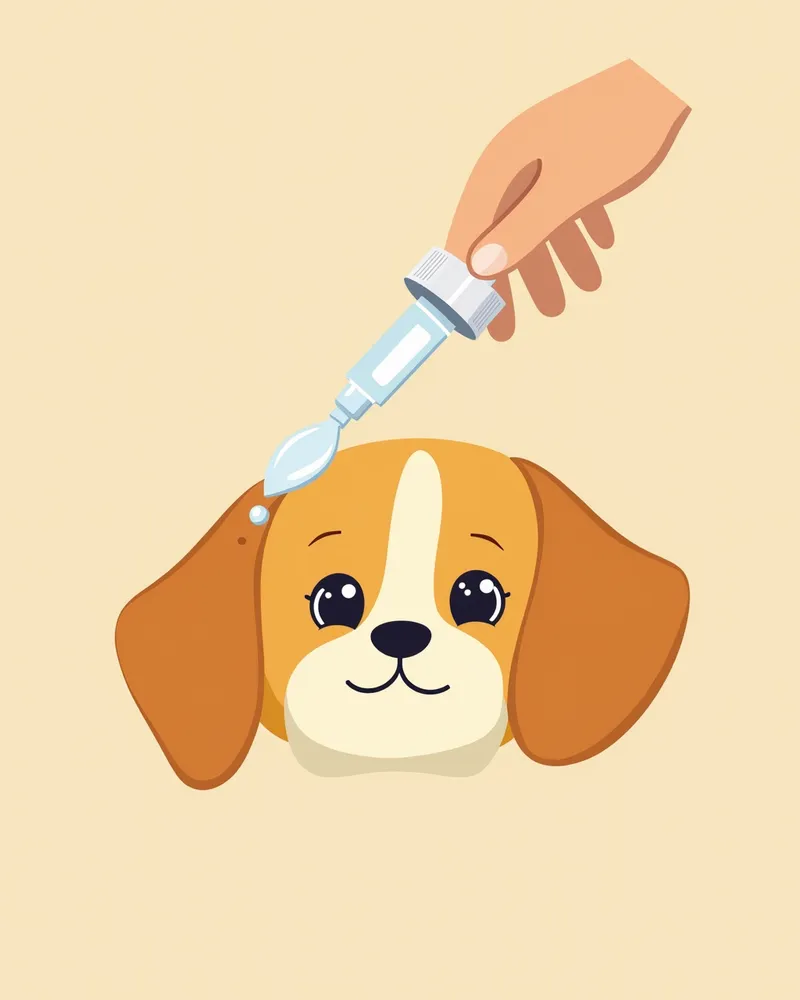
Treatment for foreign bodies in a dog’s eye focuses on complete removal of the object and managing inflammation. The veterinarian will carefully remove the foreign material; it is crucial to ensure nothing remains, as biological debris left inside the eye can lead to endophthalmitis. After removal, any remaining corneal defects are managed with medication or, if necessary, surgically repaired. - Removal of the foreign body: Complete removal is essential, with the dog’s safety as the top priority. - Medication use: It is important to administer medications prescribed by the veterinarian, such as pain relievers to reduce discomfort and antibiotics to prevent secondary infections, exactly as directed. - Medication management: Adhering strictly to the medication schedule significantly impacts recovery. - Follow-up examination: A recheck, typically involving re-staining and re-examination, is usually performed 5 to 7 days after treatment to confirm proper corneal healing. Until fully healed, an Elizabethan collar (e-collar) must be used to prevent the dog from scratching its eye.
A veterinarian administering eye drops to a puppy

Home Care Involves Creating a Safe Environment and Managing Pain
Home care for foreign bodies in a dog’s eye focuses on creating a safe environment and preventing self-inflicted injury. It is recommended to fit an Elizabethan collar (e-collar) to prevent the dog from scratching or rubbing its eye until the cornea has fully healed. Additionally, administer any medications prescribed by your veterinarian exactly as directed and keep a careful record of the dosing schedule, as this helps accelerate recovery. - Safe environment: Avoid areas in the home with high levels of dust or plant debris. - Use of an e-collar: Fitting an e-collar is recommended to prevent eye-rubbing behavior until the cornea has healed. - Medication administration: Ensure medications are used accurately and consistently without missing doses. - Monitoring recovery: Check the eye daily for any changes in condition and consult your veterinarian immediately if abnormalities are observed. This supports effective recovery management.
A puppy wearing a leash

Preventing Recurrence and Breed-Specific Precautions

Plant-based foreign bodies, such as grass seeds, are the most common irritants in the eye, so it is important to develop the habit of carefully checking your pet’s eyes and the surrounding area after playing in grassy or dusty environments. Keep the hair around the eyes trimmed to prevent irritation, and consult a veterinarian promptly if you notice any abnormalities. Prevention is key.

Reviewed by a veterinarian

Dr. Tony — Punnawat Phongkittirak

Dr. Tony — Punnawat Phongkittirak

Veterinarian

A veterinarian who majored in veterinary medicine at Khon Kaen University, Thailand, and completed the IVSA program at North Carolina State University in the United States. Drawing on clinical experience at animal hospitals, he works in the pet healthcare field and is dedicated to building a digital care environment that connects pet parents with veterinarians.

Frequently Asked Questions

What should I do at home if there’s a foreign object in my pet’s eye?
Do not let your pet rub its eyes, and avoid touching or forcefully removing anything from the eye. Put a cone collar on to prevent scratching, and consult your veterinarian immediately.
If there’s no pain an hour after a foreign object gets in the eye, is that a sign it’s okay?
There’s no set timeframe to wait. Even if your pet isn’t in pain, it’s best to have a veterinarian examine them if you notice redness, excessive tearing, or discharge from the eyes.
My pet’s eyes are watering a lot after getting something in them. Is this normal?
Excessive tearing is a sign that your pet’s eyes are irritated. If it persists, a visit to the vet is necessary.
Do I need to give my pet medication after the foreign object has been removed?
It’s essential to use any medications prescribed by your veterinarian. Pain relievers, antibiotics, and eye drops play a crucial role in easing discomfort, preventing infection, and supporting recovery.
Can it happen again after a foreign object gets in the eye?
Yes, frequent exposure to grassy areas or dusty environments can cause the condition to recur. Preventive care, such as checking your pet’s eyes after going outside, is essential.

Share

Related Guides

References

[1] Plumb's Veterinary Drug Handbook, 9th Edition, 2022

[2] Small Animal Ophthalmology, 3rd Edition, 2021

[3] American College of Veterinary Ophthalmologists (ACVO) Guidelines on Corneal Foreign Bodies, 2020

This information is based on veterinary literature and does not replace diagnosis or treatment. Please consult a veterinarian for specific health concerns.

Metapet Co., Ltd. | CEO: Park Sung-yong | Business Reg. No. 417-88-02562 | Seoul, South Korea | Customer Center

Foreign Object in a Dog’s Eye: First Aid and Vet Timing | Meongsiljang