Like
Share
멍실장
고양이 유미흉 증상과 원인, 진단·치료와 관리 포인트 총정리

Feline Chylothorax: Symptoms, Causes, Diagnosis, Treatment, and Management Essentials

RespiratoryDiseasesMeongsiljang Veterinary Advisory Board

Feline chylothorax is a rare condition in which lymphatic fluid accumulates in the chest cavity, causing difficulty breathing. Early diagnosis and appropriate treatment are essential.

What is Feline Chylothorax?
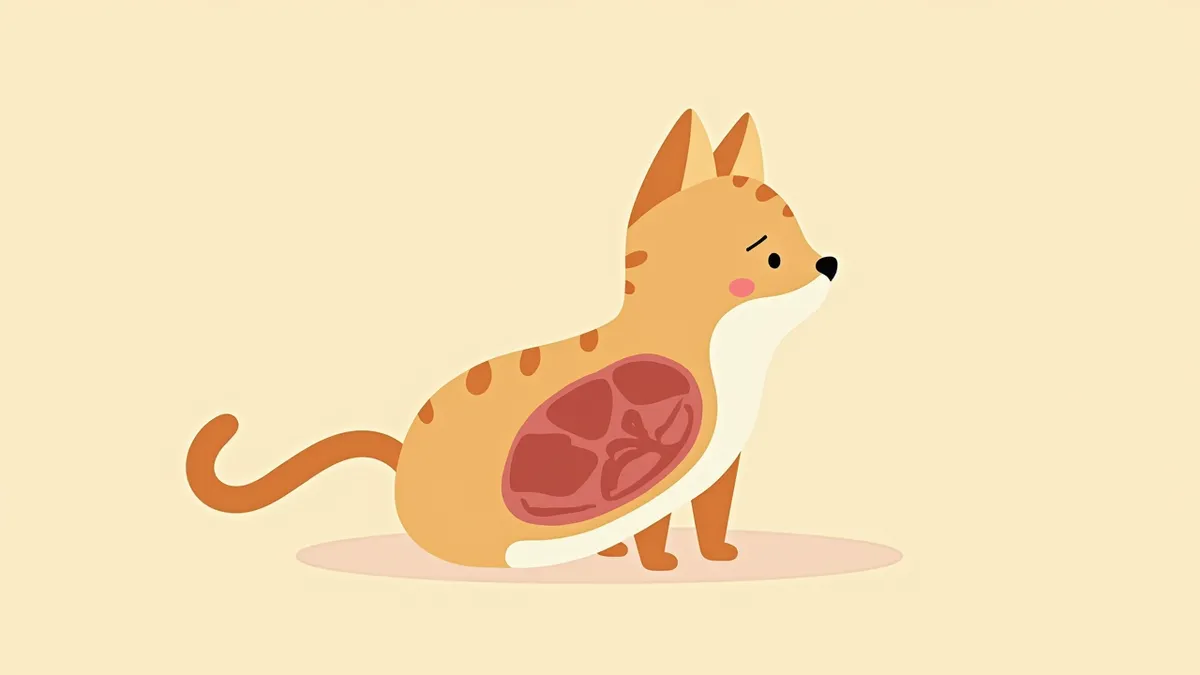
An anatomical image showing fluid accumulation around the lungs in a cat with chylothorax
Feline chylothorax is a condition in which chyle, a lymphatic fluid, abnormally accumulates in the thoracic cavity (the space within the chest), potentially hindering lung expansion and impairing breathing. When this fluid builds up, the lungs cannot expand properly, leading to respiratory distress that can become life-threatening in severe cases. While many instances are idiopathic, meaning the cause remains unknown, chylothorax can also result from various underlying conditions, including heart disease such as cardiomyopathy or congestive heart failure, tumors, heartworm infection, or lymphatic dysfunction. It tends to be more commonly observed in older cats than in younger ones. Early signs may include difficulty breathing, rapid chest movements, fast breathing, and open-mouth breathing. Because these symptoms can worsen as more fluid accumulates, prompt diagnosis and treatment are essential.

What are the Main Causes of Chylothorax?
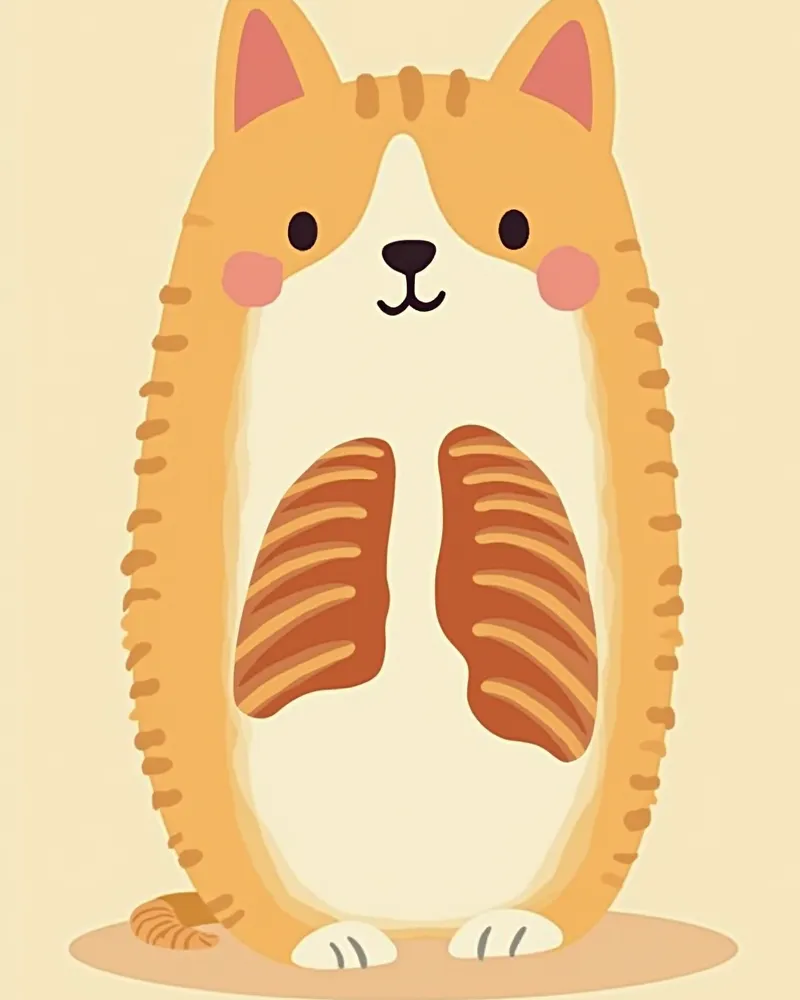
The causes of chylothorax in cats are varied, and in many cases, the exact cause remains unknown (idiopathic). Heart diseases such as cardiomyopathy or congestive heart failure, tumors, heartworm infection, and lymphatic dysfunction can all play a role. The chylous fluid associated with this condition contains lymph and chylomicrons (fat components). If there is an issue with lymph circulation or the flow through the thoracic duct (the main lymphatic vessel in the chest), this fluid can accumulate in the thoracic cavity. Tumors can also cause chylous fluid to build up in the chest by compressing or invading the lymphatic vessels. While some studies have reported a higher incidence in certain purebred cats, a clear causal link to genetic predisposition has not yet been established, and further research is needed.
Chest X-ray images for diagnosing feline thymic remnants

What are the Main Symptoms of Chylothorax?

The primary symptom of feline chylothorax is difficulty breathing. Your cat may breathe rapidly, show quick rise and fall of the chest, or pant with an open mouth. This occurs because fluid accumulation restricts lung function. Additional signs can include coughing, reduced activity, lethargy, loss of appetite, and a dull or unkempt coat. In severe cases, inadequate oxygen supply may cause the mouth or mucous membranes to appear blue or bluish, which is a sign that immediate veterinary care is required.
A cat experiencing difficulty breathing due to a congenital heart defect known as a persistent truncus arteriosus.

Signs Requiring Immediate Veterinary Visit

If your cat is panting, has a blue mouth, or is so weak it collapses, you need to go to the vet immediately. This indicates life-threatening acute respiratory distress, so don’t delay—seek veterinary care right away.

How is Chylothorax Diagnosed?
Chylothorax can be diagnosed by confirming the presence of fluid accumulation in the chest cavity through chest X-rays. Additionally, thoracentesis (chest tap) can be performed to collect and analyze the fluid, helping determine if it is chyle. Chyle typically appears milky and cloudy, with triglyceride levels higher than those in serum. Cytological findings and pathogen tests can also help identify the underlying cause. Echocardiograms and blood tests are often conducted alongside these procedures to assist in determining the cause, and various diagnostic steps may be performed depending on the clinic's resources and the cat's condition.
The process of thoracentesis for diagnosing feline chylothorax

What are the Treatment Methods?

Treatment focuses on draining the accumulated fluid and appropriately managing the underlying cause. Initially, thoracentesis (chest tap) is performed to remove the fluid, which helps relieve respiratory distress. In cases of recurrence or large fluid volumes, a chest tube (thoracic drainage catheter) may be placed to continuously drain the fluid. Drainage and monitoring continue until the daily output decreases to a certain threshold. If the condition is idiopathic or does not respond adequately to medical management, surgical options such as thoracic duct ligation may be considered. Depending on the underlying cause, medications to support heart function or anti-tumor therapies may be administered concurrently. A specific treatment plan is determined by the veterinarian based on each individual case. Because recurrence is possible, ongoing monitoring and vigilance for early warning signs after treatment are essential.
A cat recovering after treatment for a cleft palate.

Home Care Points

After treatment, allow your cat to rest in a quiet, calm environment, taking into account their overall condition. It is recommended to avoid excessive movement or stress and to manage their activity level lower than usual. Feeding small, frequent meals is advisable, and it is important to use appropriate food or supplements as advised by your veterinarian to maintain nutritional balance. Additionally, administer medications exactly as directed and continuously monitor your cat’s condition during treatment. Regular check-ups are necessary to check for recurrence, so schedule them according to your veterinarian’s recommendations.
Creating a Stable Home Environment for Your Cat During Recovery from Pectus Excavatum

Breed-Specific Precautions and Recurrence Prevention

Studies have reported a higher incidence of chylothorax in certain purebred cats, particularly Siamese and Himalayan breeds, suggesting a possible genetic predisposition. However, a clear causal link to genetic factors has not yet been established, and research into the underlying mechanisms is ongoing. To prevent recurrence, regular health check-ups and condition monitoring are crucial after treatment, making consistent follow-up essential.

Reviewed by a veterinarian

Dr. Tony — Punnawat Phongkittirak

Dr. Tony — Punnawat Phongkittirak

Veterinarian

A veterinarian who majored in veterinary medicine at Khon Kaen University, Thailand, and completed the IVSA program at North Carolina State University in the United States. Drawing on clinical experience at animal hospitals, he works in the pet healthcare field and is dedicated to building a digital care environment that connects pet parents with veterinarians.

Frequently Asked Questions

Can a cat’s chylothorax be treated?
Yes, with proper diagnosis and treatment, improvement can often be expected. However, if the underlying cause isn’t fully addressed or if care is neglected, recurrence is possible, so long-term monitoring is essential.
Does chylothorax only occur in cats?
No, chylothorax can occur in dogs as well as cats, so early diagnosis and appropriate treatment are essential. However, it is more commonly reported in cats.
Is cryptorchidism hereditary?
Studies have reported a higher incidence in certain purebred cats, such as Siamese and Himalayan breeds, raising the possibility of a genetic predisposition, although no confirmed genetic mechanism has been identified yet. If there is a family history, regular monitoring and preventive check-ups can be helpful.
What is the survival rate after treatment for chylothorax?
The success rate of treatment varies depending on the cause and the patient’s condition, with early diagnosis and appropriate management playing a crucial role in prognosis. However, it is difficult to generalize based on a single, unsupported statistic, as outcomes can vary from case to case.
Can cryptorchidism recur?
Yes, chylothorax can recur if the underlying cause isn’t fully resolved or if care during treatment is inadequate. Regular check-ups and monitoring for signs are key to preventing recurrence.

Share

Related Guides

References

[1] Vaden SL, Elliott J. Management of proteinuria in dogs and cats with chronic kidney disease. Vet Clin North Am Small Anim Pract. 2016;46(6):1115–1130.

[2] Bonazzi M, Volta A, Gnudi G, et al. Comparison between ultrasound and genetic testing for the early diagnosis of polycystic kidney disease in Persian and Exotic Shorthair cats. J Feline Med Surg. 2009;11(6):430–434.

[3] Sparkes AH, Caney S, Chalhoub S, Elliott J, Finch N, Gajanayake I, Langston C, Lefebvre HP, White J, Quimby J. ISFM consensus guidelines on the diagnosis and management of feline chronic kidney disease. J Fel Med Surg. 18(3):219–239, 2016.

This information is based on veterinary literature and does not replace diagnosis or treatment. Please consult a veterinarian for specific health concerns.

Metapet Co., Ltd. | CEO: Park Sung-yong | Business Reg. No. 417-88-02562 | Seoul, South Korea | Customer Center

Feline Chylothorax: Symptoms, Causes & Treatment | Meongsiljang